
 Compono
When you need advice: how to find guidance that actually fits
 Compono
Most career advice is written for someone else. How to sort the useful from the generic and turn it into steps that suit how you think and work.

Follow through is the ability to execute a task from start to finish without getting derailed by new ideas, distractions, or the ‘boring’ middle bit.
It is the bridge between a great idea and a finished result, yet for many of us, it feels like the hardest part of the job. We often mistake a lack of completion for a lack of discipline, but the truth is usually found in how our specific brains are wired to handle pressure and routine.
Key takeaways
- Follow through is a skill that can be developed by understanding your natural work personality and its unique triggers.
- The ‘boring middle’ of a project is where most people stall because the initial dopamine hit of a new idea has faded.
- Building accountability structures that match your communication style can significantly increase your completion rate.
- Switching from a ‘perfectionist’ mindset to a ‘progress’ mindset prevents the paralysis that stops projects in their tracks.
We’ve all been there. You start Monday with a list of ten ambitious goals, a fresh notebook, and enough caffeine to power a small suburb. By Wednesday afternoon, the notebook is buried under a pile of unrelated paperwork, and you’ve moved on to a ‘more exciting’ project that just landed on your desk. You aren’t lazy, and you aren’t broken. You’re likely just experiencing the natural dip in motivation that occurs when a task shifts from the imaginative phase to the execution phase.
For some, the struggle with follow through comes from being a visionary. If you are someone who naturally gravitates toward big-picture thinking, the granular details of a project can feel like wading through wet cement. You might be told you’re ‘too scattered’ or that you ‘lack focus’, but in reality, your brain is just already living in the future. Recognition is the first step, once you admit that the middle part of a project is your personal danger zone, you can start building guardrails to keep yourself on track.
At Compono, we’ve spent years researching how different people approach their work. We’ve found that follow through isn't a one-size-fits-all problem. A person who values harmony might stall because they’re afraid a decision will upset the team, while someone else might stop because they can’t find the perfect, most logical path forward. Understanding these internal roadblocks is how you finally stop the cycle of half-finished drafts and abandoned plans.

There is a specific biological rush that comes with starting something new. It’s clean, it’s full of potential, and it hasn’t been ruined by reality yet. This is the ‘honeymoon phase’ of follow through. The problem arises when the novelty wears off and the actual labour begins. This is where the ‘Pioneers’ and ‘Campaigners’ amongst us often feel the urge to jump ship. When the creative problem-solving ends and the routine maintenance starts, the dopamine drops, and our focus follows suit.
To combat this, you need to stop relying on inspiration. Inspiration is a fair-weather friend. It’s there for the kickoff meeting but nowhere to be found when you’re three hours into a spreadsheet on a rainy Tuesday. Real follow through requires a system that treats your future self like a different person, someone who will be tired, bored, and looking for an excuse to quit. You have to make it harder to stop than it is to keep going.
If you’re curious what personality type you default to when the initial excitement fades, Hey Compono can show you in about 10 minutes. Knowing if you’re a ‘Pioneer’ who loves the start or a ‘Doer’ who lives for the finish line changes how you structure your day. Instead of fighting your nature, you can lean into it. A Pioneer might need to partner with an Auditor to ensure the details don’t fall through the cracks, creating a team dynamic where follow through becomes a collective strength rather than an individual burden.
If you want to improve your follow through, you have to stop looking for ‘productivity hacks’ and start looking at your environment. Most of us work in spaces designed for distraction. Every notification is a tiny invitation to abandon your current task for something easier. To finish things, you need to create ‘points of no return’. This might mean announcing a deadline to a colleague you respect or breaking a massive project into such small bites that it feels ridiculous not to finish the next one.
Another common roadblock is the ‘perfectionism trap’. Many people stop following through because they realise the end result won’t be the flawless masterpiece they imagined. They’d rather have an unfinished ‘perfect’ concept than a finished ‘imperfect’ reality. This is particularly common for those with an analytical or evaluative bent. They weigh up the options so thoroughly that they paralyse the process. Learning that ‘done is better than perfect’ is a cliché for a reason, it’s the only way to actually ship work.
There’s actually a way to figure out which of these patterns fits you, take a quick personality read and see what comes up. When you understand that your ‘procrastination’ is actually just a fear of an imperfect outcome, you can address the fear instead of just beating yourself up for being ‘lazy’. It’s about moving from self-criticism to self-awareness. Once you know your triggers, follow through becomes a series of manageable steps rather than a mountain you’re too tired to climb.

We often think of follow through as a solo sport, but it’s rarely successful in a vacuum. Human beings are social creatures; we are far more likely to finish a task if we know someone is waiting for it. However, the type of accountability you need depends entirely on who you are. Some people need a firm, directive nudge, a clear ‘this is due at 4 PM’. Others find that kind of pressure suffocating and prefer a collaborative check-in where they can talk through their progress.
Consider the ‘Helper’ personality. They might struggle to follow through on their own personal goals but will move heaven and earth to finish something for a teammate. For them, the key to follow through is connecting the task to the people it helps. On the other hand, an ‘Evaluator’ might need to see the logical ROI of finishing a task before they commit their energy to the final push. When a leader understands these nuances, they can provide the specific type of support that actually works.
Some teams use personality-adaptive coaching to have these conversations without it getting weird. Instead of a manager asking ‘why isn't this done yet?’, they can say, ‘I know as a Pioneer you find this phase of the project draining, what do you need to get this over the line?’. This shift in language removes the shame and replaces it with a practical plan. It turns follow through from a character test into a technical adjustment.
Key insights
- Follow through fails when we rely on fluctuating emotions rather than stable systems and self-awareness.
- The transition from the ‘visionary’ phase to the ‘execution’ phase is the most common point of failure for creative personalities.
- Effective completion requires matching your accountability style to your natural work personality.
- Perfectionism is often a masked form of fear that prevents projects from ever reaching the finish line.
- Using tools like Hey Compono helps teams move from blaming individuals for lack of follow through to supporting them through their natural blind spots.
Related reading: How to finally finish what I start · How to build a competitive advantage through your people
Voice or text coaching that adapts to your personality. Start free.
Get started free
This usually happens because the initial dopamine hit of a new idea has faded. When a project moves from the creative phase to the execution phase, it requires a different type of mental energy that may not align with your natural work personality.
Not necessarily. It is often a sign that your environment or accountability structures aren't aligned with how your brain works. Understanding your personality type can help you build systems that make discipline easier to maintain.
Start by recognising that different people need different types of support. Some need clear, structured deadlines, while others need to see how their work impacts the team. Using a tool like Hey Compono can help you identify these needs for every team member.
Yes, perfectionism is a major cause of project abandonment. The fear that the final result won't meet a high standard can lead to procrastination or stopping altogether to avoid a ‘failed’ outcome.
The key is to move from relying on motivation to relying on systems. Break the task into tiny increments, remove distractions, and set up external accountability to keep you moving when the internal drive is low.

Most career advice is written for someone else. How to sort the useful from the generic and turn it into steps that suit how you think and work.

A stalled career is usually a fit problem rather than an effort problem. How to find what is holding you and choose a next step that suits you.
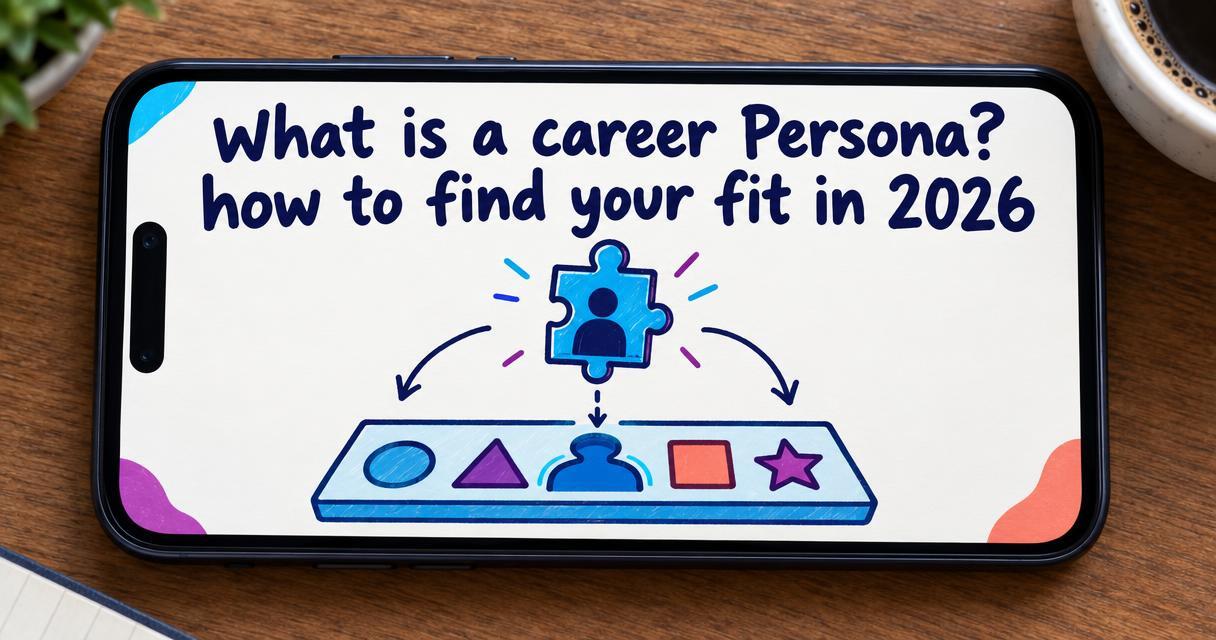
A career persona is the blueprint of how you naturally think and behave at work. Discover how to identify your working style and build a career that...
 Mathan Allington