
 Compono
How does AI interview coaching compare to a human coach
 Compono
Where an AI coach beats a person for interview prep, where a human still wins, and how to use both without wasting your practice time.

Providing AI interview coaching involves using technology to give candidates real-time feedback on their communication style, confidence, and responses while ensuring the human element remains central to the process.
You have probably seen the look on a candidate's face when they realize they are being judged by a machine, it is a mix of anxiety and confusion that helps nobody. At Compono, we have spent over a decade researching how people actually work, and we know that while AI can be a massive help, it has to feel like a support system, not a digital interrogator.
Key takeaways
- AI interview coaching should focus on candidate development rather than just automated filtering.
- The best coaching tools help candidates understand their natural work personality to build authentic confidence.
- Transparency about how AI is used reduces candidate anxiety and improves the quality of your talent pool.
- Real-time feedback loops allow candidates to adjust their behaviour and communication style before the final interview.
- Combining AI insights with human empathy creates a more equitable and effective hiring experience.
We have all been there, sitting in a waiting room or staring at a blank video call screen, heart racing, trying to remember the perfect STAR method response. For candidates, the interview process often feels like a high-stakes performance where one wrong word can end their chances. For you, the hiring manager or recruiter, it is an endless cycle of trying to see past the nerves to find the real person underneath.
The issue is that nerves often mask talent. A brilliant engineer might stumble over their words, while a charismatic talker might lack the actual skills for the job. Traditional coaching is expensive and hard to scale, leaving many candidates to fend for themselves. This is where AI coaching steps in, but only if you do it right. If you use it as a cold, robotic filter, you will lose your best people before they even get to the first round.
We need to shift the perspective from "testing" to "preparing." When you provide Hey Compono to your candidates, you are giving them a mirror. It is about showing them how they come across and helping them lean into their natural strengths rather than trying to fit a generic mould that doesn't actually exist.

If you are going to introduce AI into the coaching phase, the first rule is simple: tell them exactly what is happening. Nobody likes feeling like they are being watched by a hidden algorithm. Start by explaining that the AI is there to help them, not to disqualify them secretly. When candidates understand that the tool is a practice space, their behaviour changes, they become more willing to experiment and show their true selves.
Transparency also means being clear about what the AI is measuring. Is it looking at their pace of speech? Their use of filler words? Or perhaps how well they align with the role's required work personality? By demystifying the tech, you lower the barrier of entry. You are essentially saying, "We want you to succeed, and here is a tool to help you do it."
This approach builds a relationship before the first formal meeting. It shows that your organisation values growth and support. If you're curious about how this looks in practice, Hey Compono can show you how to integrate these insights into your hiring flow in about 10 minutes. It turns a stressful hurdle into a collaborative experience.
One of the biggest mistakes in interview coaching is teaching candidates to memorise scripts. It makes them sound like robots and makes your job harder because you can't find the "real" person. Instead, AI coaching should focus on self-awareness. When a candidate understands their specific work personality, whether they are a natural Doer or a visionary Campaigner, they can speak about their experiences with genuine authority.
Imagine a candidate who has always been told they are "too quiet" at work. Through coaching, they might realise they are actually an Auditor, someone who provides the methodical, precise work that keeps a team from falling apart. AI can help them frame that trait as a massive asset rather than something to hide. It moves the conversation from "how do I sound better?" to "how do I show them who I actually am?"
This is where the magic happens. When candidates lead with their natural preferences, they don't have to remember a script. They just have to remember themselves. Some teams use personality-adaptive coaching to have these conversations without it getting weird, ensuring that the feedback the AI gives is tailored to the person's actual brain, not a generic standard.
The beauty of AI is its patience. It doesn't get tired of hearing the same answer ten times, and it doesn't judge a candidate for a shaky start. Providing AI coaching means giving candidates a "sandbox" where they can fail safely. Real-time feedback, like a nudge to slow down or a suggestion to use more inclusive language, allows for immediate course correction.
This iterative process is how people actually learn. Instead of getting a rejection email three weeks later with no explanation, the candidate gets instant data. They can see that they tend to ramble when they're nervous and practice being more concise. By the time they get to you, they aren't just better prepared, they are more confident because they have already seen themselves improve.
You aren't just coaching them for one interview; you are giving them a skill they can use for the rest of their career. That kind of value is what makes an employer brand stand out in a crowded market. It shows you aren't just looking for a cog in the machine; you are looking for a person you can invest in from day zero.
AI should never be the final word. The most effective way to provide coaching is to use AI to handle the data, the speech patterns, the keyword alignment, the personality mapping, while humans handle the meaning. Use the insights generated by the AI to have deeper, more meaningful conversations during the actual interview. If the AI coaching highlighted that a candidate is a brilliant Pioneer but struggles with deadlines, you can spend your time talking about how they manage that in a fast-paced environment.
This balance ensures that the technology serves the people, not the other way around. It removes the bias of "gut feelings" while keeping the empathy that only a human can provide. You are using the AI to clear away the noise so you can focus on the heart of the person sitting across from you. It is about making the process more human, not less.
At Compono, we believe that when you understand why people do what they do, everything else gets easier. Providing AI coaching is just one way to bridge the gap between a resume and a real human being. It is about giving everyone a fair go by giving them the tools to show up as their best selves.
Key insights
- Providing AI coaching transforms the interview from a stressful test into a collaborative growth opportunity.
- Authentic confidence comes from understanding one's work personality, not from memorising interview scripts.
- Transparency regarding AI usage is the cornerstone of building trust with modern candidates.
- Safe practice environments allow candidates to iterate and improve their communication style in real-time.
- The most successful hiring processes use AI to provide data while humans provide the cultural and emotional context.
Related reading: Why standard interview coaching for candidates falls short · How does AI interview coaching compare to a human coach
Hey Compono gives your candidates AI interview practice, role play and feedback as part of your placement service. What is candidate prep?
See how it works
It provides a low-pressure environment where candidates can practice their responses and receive objective feedback on things like pace, tone, and content. This helps them build self-awareness and reduces the nerves that often hide their true potential during a real interview.
Most candidates actually prefer it as a starting point because it is non-judgmental. As long as you are transparent about why you are using the tool and how it benefits them, they usually see it as a valuable perk of your hiring process rather than a hurdle.
Not at all. The goal is to use AI to handle the repetitive, data-heavy parts of coaching so that recruiters can focus on the high-value human interactions. AI provides the insights, but humans make the final decisions based on culture and team fit.
It typically looks at communication clarity, confidence levels, and how well a candidate's natural work personality aligns with the role. It can point out filler words, pace issues, or suggest ways to better highlight specific strengths based on the candidate's unique profile.
When designed correctly, AI can actually increase fairness by providing the same level of high-quality coaching to every candidate, regardless of their background or access to professional networks. It levels the playing field by giving everyone the same "insider" tools to prepare.
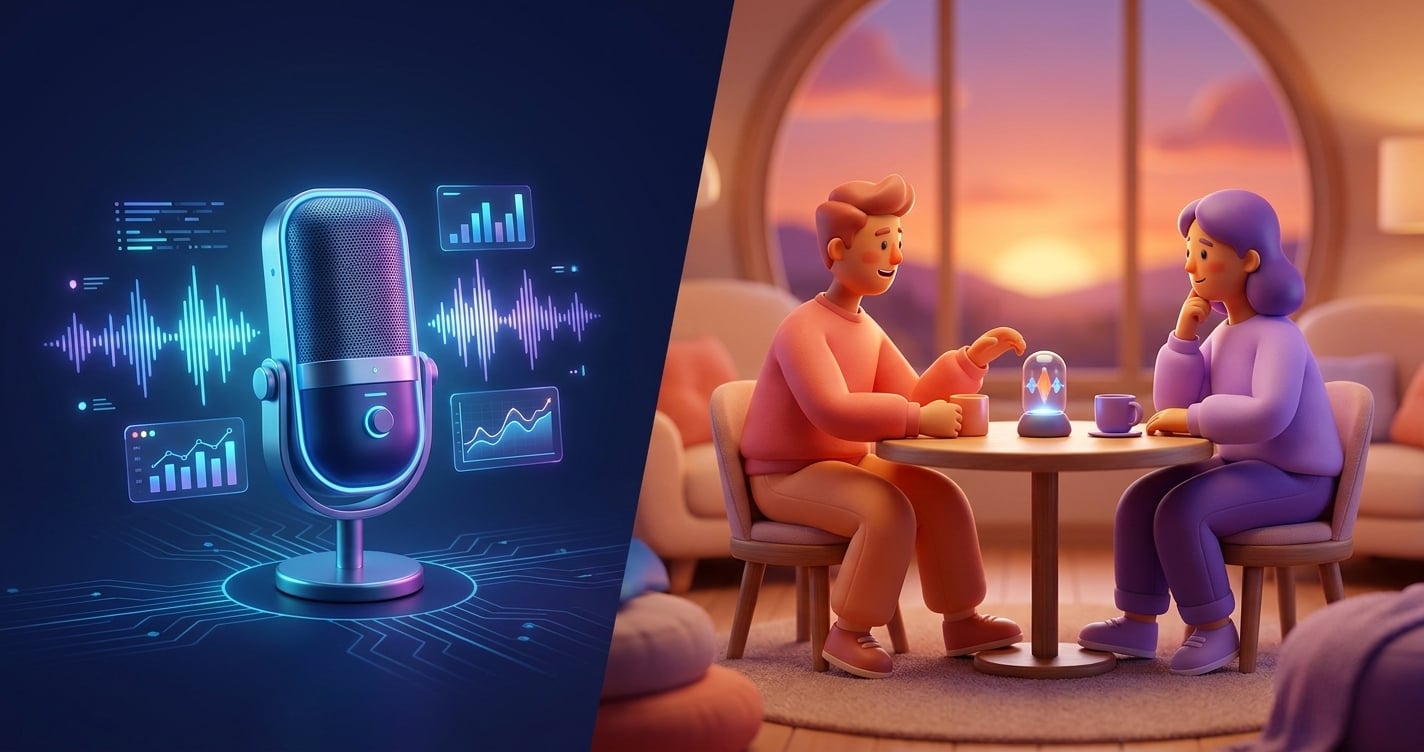
Where an AI coach beats a person for interview prep, where a human still wins, and how to use both without wasting your practice time.

Coaching candidates before and after a placement lifts retention and earns repeat work. Where to start and what to cover in each conversation.
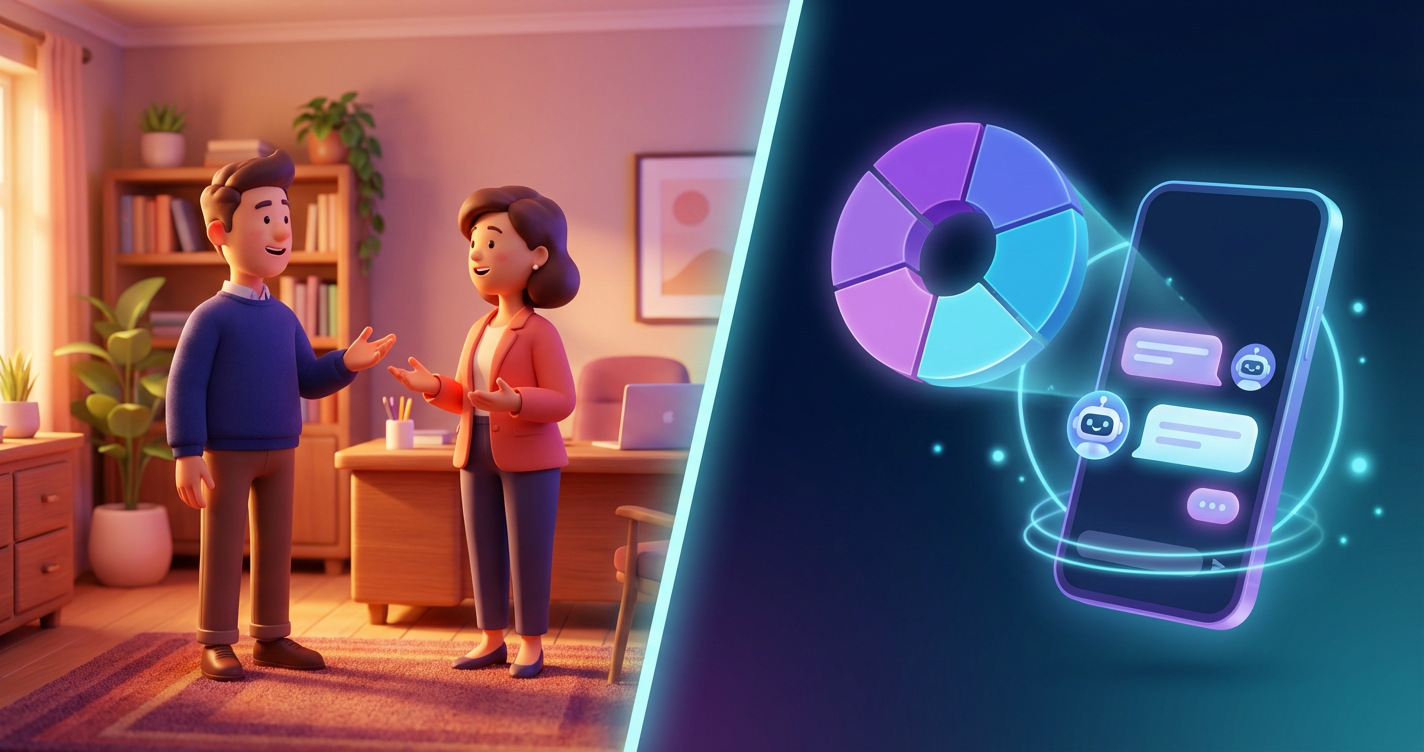
Where AI coaching beats a human coach, where it clearly does not, and how to pick based on what you want to change and what you can spend.