
 Compono
STAR Method Practice: How to Nail Behavioural Interviews in 2026
 Compono
How to practise the STAR method so your interview answers stay structured, stop rambling, and show what you actually did.

Improving NPS scores with clients as a recruiter starts with moving beyond transactional placements and focusing on the psychological alignment between candidates and hiring managers. When you match a candidate's work personality to the team's leadership style, clients stop treating you as a vendor and start treating you as a partner.
Last reviewed July 2026.
Net Promoter Score (NPS) is more than a metric. It reflects how well you understand the unspoken needs of a business and whether you deliver talent that actually sticks. Shift your focus from filling a seat to making sure a candidate's work personality fits the team, and your value to the client changes completely.
Key takeaways
- Transactional recruiting drags NPS down by ignoring the long-term cultural fit clients actually care about.
- Objective personality data reduces hiring bias and checks that candidates are motivated by the work the role really involves.
- Recruiters who adapt their communication to the client's work personality build more trust.
- Strong NPS is driven by the post-placement experience, where candidates thrive because they are understood.
You have probably been here. You found a candidate with the perfect CV, they aced the interview, the contract was signed. Six months later the client is frustrated because the new hire is not 'gelling' with the team, and your NPS takes a hit. It feels unfair, because on paper you did exactly what was asked. The reality is that clients today are not just buying skills. They are buying an absence of friction.
Low NPS often comes from a gap between technical ability and work behaviour. Send a Pioneer personality into a rigid, highly structured environment without warning the client, and you have set both parties up for a clash. At Compono we have spent a decade researching how these misalignments lead to turnover and client dissatisfaction. A recruiter who ignores that becomes a commodity, easily replaced by the next person with a LinkedIn Recruiter seat.
To change it, acknowledge the pressure the hiring manager is under. They are often terrified of making a bad hire that reflects poorly on them. Show them you have a way to take the risk out of the human element and your value climbs. This is where Hey Compono helps, giving clients a grounded read on how a candidate will actually behave on a Tuesday morning, not just how they interview on a Friday afternoon.
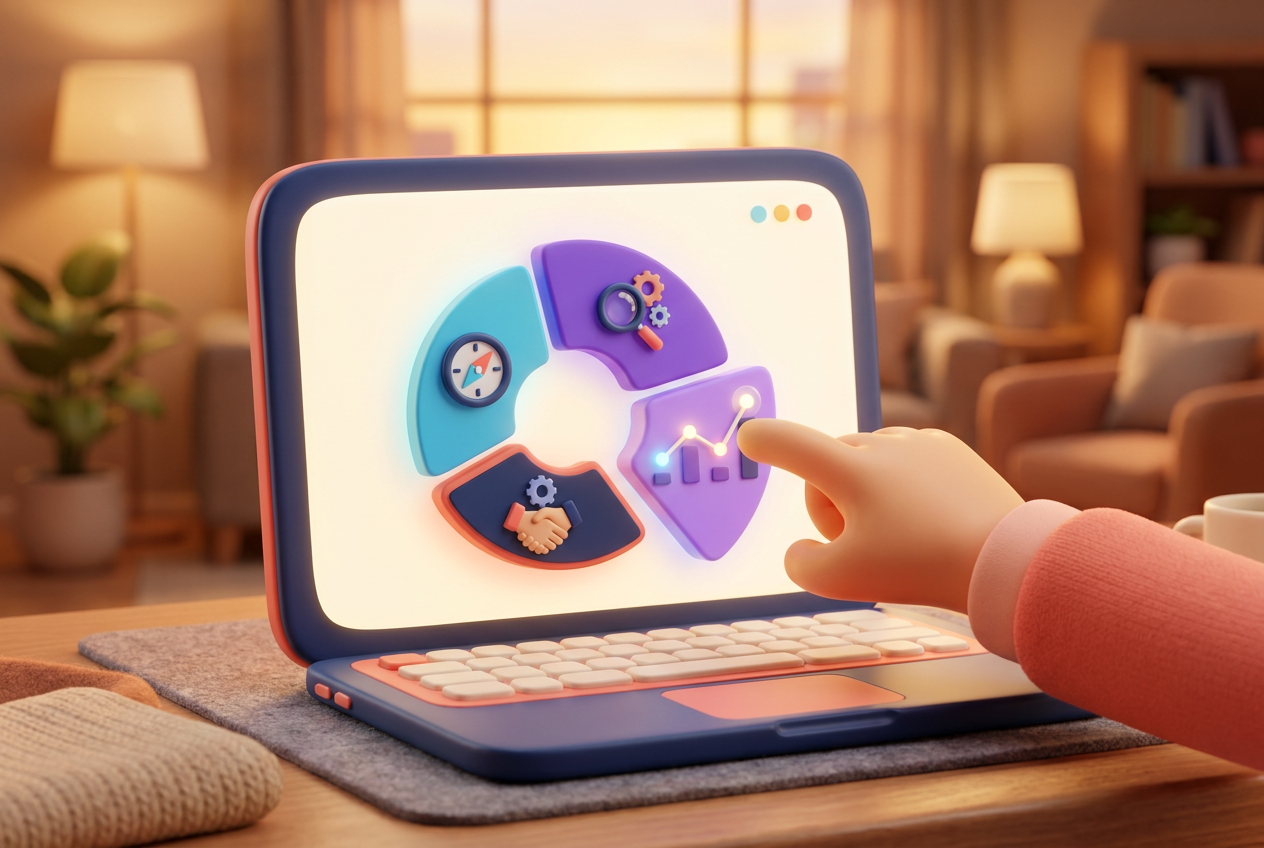
One of the fastest ways to lift NPS is to make sure a candidate's natural work personality suits the client's leadership style. Picture placing someone who thrives on autonomy with a manager who defaults to step-by-step direction. The candidate feels micro-managed and stifled. Within weeks the relationship sours and your score reflects it.
As a recruiter you should be reading the work personality of the hiring manager as closely as the candidate. If you know the manager is an Evaluator, logical and results-driven, they will usually appreciate a candidate who is a Doer or a Coordinator. Those types speak the same language of efficiency and structure. Spotting these matches early gives clients a level of insight most recruiters never offer.
A tool like Hey Compono lets you map these dynamics before the first interview. When you can present a shortlist and say "this candidate is a Helper who will balance out your Evaluator tendencies by keeping the team steady," you have become an organisational designer, not just a recruiter. That kind of thinking is exactly what earns a 9 or a 10 on an NPS survey.
We all have biases. We tend to favour people who remind us of ourselves or who have a certain 'vibe'. Vibe is a poor predictor of long-term success and a common reason placements fail. If your shortlists feel hit-or-miss, clients stop trusting your process and your NPS stays stuck in the middle.
To lift your scores, bring objective data into the conversation. Instead of "I think they're a great fit," you can say "the data shows their dominant work personality is the Auditor, which brings the methodical precision your finance team is missing." That moves the discussion from opinion to evidence. It protects you if a placement wobbles, and it lets the client make a confident, defensible decision.
A personality-based approach lets you show the client you have considered the eight work personalities a high-performing team needs. Whether the team is short on campaigning energy or advising empathy, you can prove your candidate fills that specific gap. That level of rigour is rare in recruitment, and it sets your personal brand apart.
Most recruiters think the job ends the day the candidate starts. If you want your NPS to climb, that is exactly when your most important work begins. The honeymoon period is where most friction shows up, and if you are not there to help the client through it, they will pin any teething issues on you. Strong NPS is earned in the months after a placement, not just the weeks before it.
You can add real value by giving the client a simple 'user manual' for their new hire. Based on the candidate's work personality, you can offer the manager specific tips on how to work together. Place a Pioneer and you might suggest giving them autonomy and avoiding rigid schedules. Place an Auditor and you would recommend detailed, written instructions.
This proactive support shows the client you are invested in their long-term success, not just your commission. It turns the placement from a transaction into a relationship. When the NPS survey lands, they will remember that you helped them lead the person, not just find them. That is the difference between a client who uses you once and one who becomes a long-term advocate.
Recruiters often have a default communication style, usually high-energy and persuasive. If your client is an Auditor or an Evaluator, that high-energy style can actually grate. They may read you as 'salesy' or light on detail. To improve your NPS, learn to flex your communication to match theirs. Trust is built when people feel understood, and people feel understood when you speak their language.
If your client is a Coordinator, keep your updates structured, bulleted and focused on deadlines. If they are a Helper, spend time on team culture and the candidate's personal values. This is not about being fake. It is about being effective, and recognising that different people need different information to feel confident in a decision.
When your communication matches their work personality, the whole process feels smoother. Fewer misunderstandings, less frustration and more mutual respect. That frictionless experience is what leads to high NPS. People recommend the services that make their lives easier, and nothing makes a hiring manager's life easier than a recruiter who genuinely gets it.
Key insights
- NPS measures trust, and trust is built through consistent use of objective data rather than gut feel.
- The most successful recruiters act as advisors by matching candidate personalities to manager leadership styles.
- Reducing hiring friction requires a real understanding of the eight work personalities a high-performing team needs.
- Post-placement support, such as collaboration tips based on personality data, is the quiet driver of long-term client loyalty.
Related reading: How to improve NPS scores with candidates · How to add value to clients as a recruiter
Hey Compono gives your candidates AI interview practice, role play and feedback as part of your placement service. What is candidate prep?
See how it worksThe most frequent culprit is a poor cultural fit, where the candidate has the skills but does not match the team's work personality or the manager's leadership style. That usually leads to early turnover, which frustrates clients and damages your reputation.
Focus on practical outcomes. Instead of 'psychometric frameworks', talk about 'work preferences'. Use phrases like "this candidate is naturally motivated by investigative tasks" or "they do their best work with clear, structured goals."
Yes. High NPS scores are closely tied to repeat business and referrals. Acquiring a new client is expensive, so keeping existing clients loyal through high-quality, data-backed placements is the most efficient way to grow your billings.
Personality insights help for every role, because every role involves human interaction. Even in technical or entry-level positions, knowing whether someone is a Doer or a Pioneer helps the manager set them up well from day one.
Ask at key milestones, such as after a shortlist is presented and again about 90 days after a candidate starts. That gives you a clear picture of how your service is perceived during both the sales phase and the delivery phase.

How to practise the STAR method so your interview answers stay structured, stop rambling, and show what you actually did.

What legal services interviews test beyond technical accuracy, and how to brief a candidate on judgement, client manner and attention to detail.

How sales recruitment agencies in Canberra prepare candidates, what the interview tends to test, and how to show your selling style honestly.