
 Compono
How an AI coaching platform for talent managers scales team growth
 Compono
You cannot sit with every manager every week. Here is how AI coaching gives each of them guidance that fits the person they are leading.

Remote coaching is the process of developing employee skills and self-awareness through digital communication rather than in-person meetings. It works best when you stop trying to replicate office life and start focusing on how your people actually think and feel in their own space.
Key takeaways
- Remote coaching requires a shift from monitoring output to understanding individual work personalities.
- Building trust in a digital environment depends on psychological safety and consistent, low-pressure check-ins.
- Effective virtual development uses specific frameworks to bridge the gap created by physical distance.
- Tailoring your coaching style to different personality types, like The Doer or The Pioneer, prevents burnout and misalignment.
You’ve probably felt that nagging doubt when you close your laptop at the end of the day. Without the ability to read the room or catch a quick chat in the kitchen, it’s easy to feel like you’re losing touch with your team’s real pulse. You aren't alone in feeling this, many managers worry that their coaching is becoming a series of transactional status updates rather than meaningful growth conversations.
The problem isn't the technology; it’s the attempt to use old-school management tactics in a digital-first world. When you can't see the slumped shoulders or the frustrated sigh, your traditional coaching cues vanish. We have to find a new way to connect that doesn't rely on being in the same zip code. At Compono, we’ve spent a decade researching what makes teams tick, and we’ve found that the most successful remote leaders are those who pivot toward emotional intelligence and personality awareness.

Remote work can feel isolating, but for a coach, the real danger is invisibility. You might think your team is humming along because the tasks are getting done, but beneath the surface, your top performers could be struggling with 'The Auditor' levels of perfectionism or 'The Helper' levels of burnout. Without a deliberate strategy for remote coaching, these issues remain hidden until someone hands in their resignation.
To fix this, we need to move beyond the 'how-to' of tasks and into the 'why' of human behaviour. Remote coaching isn't just about giving feedback on a slide deck; it's about understanding the internal drivers of your people. If you're curious about what personality type you default to under stress, Hey Compono can show you in about 10 minutes. This kind of self-awareness is the bedrock of any coaching relationship that actually sticks.
One of the biggest mistakes in remote coaching is the 'one-size-fits-all' approach. A Pioneer on your team will likely crave autonomy and big-picture brainstorming, while a Doer might feel anxious without clear, structured objectives. In a physical office, you might naturally adjust your vibe as you walk from desk to desk. Remote coaching requires you to be much more intentional about this shift.
Think about how you communicate during a video call. Are you allowing space for the more reflective types to process their thoughts? Or are you letting the more vocal personalities dominate the digital space? Effective remote coaching means creating a bespoke experience for every individual. It’s about recognising that while the screen is the same for everyone, the brain behind it is unique. Some teams use personality-adaptive coaching to have these conversations without it getting weird or feeling forced.
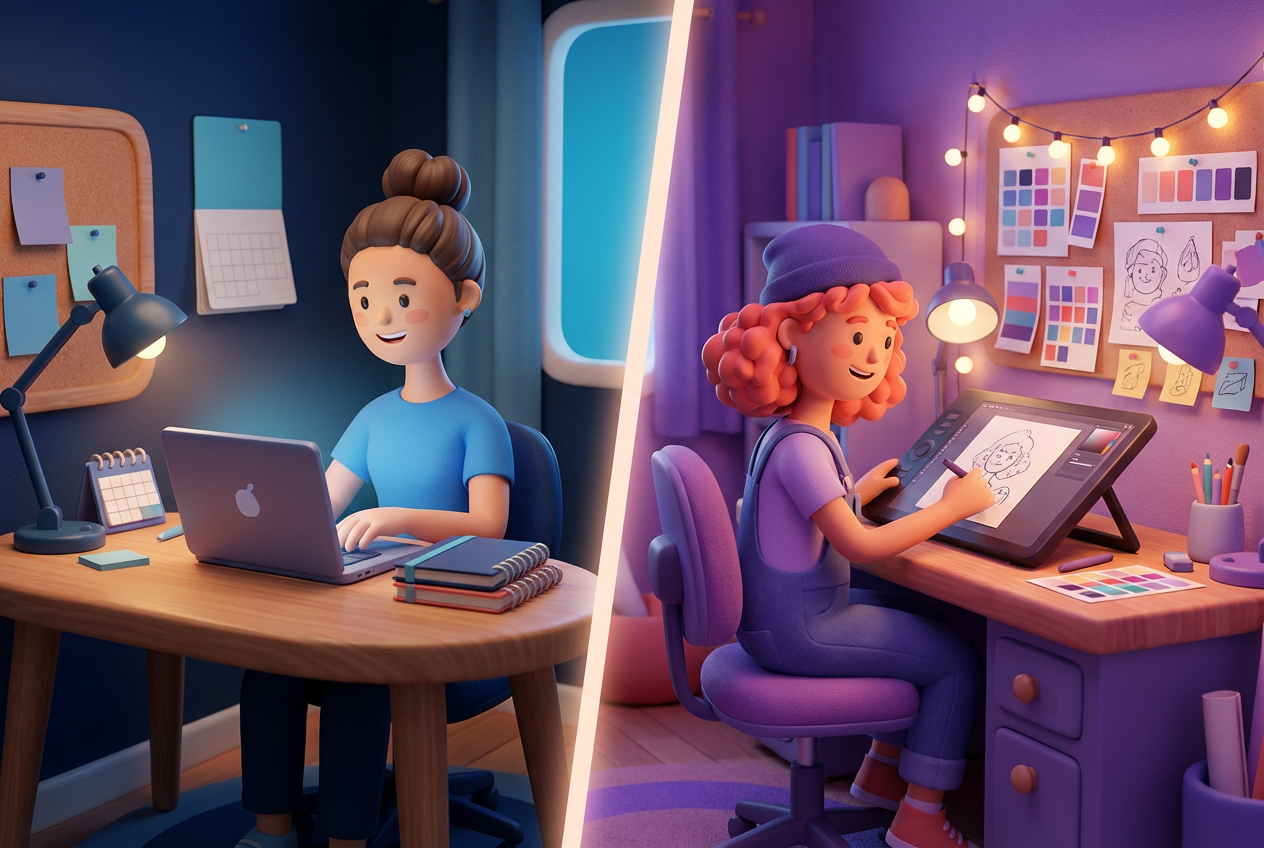
Trust is harder to build over Wi-Fi, but it’s also easier to break. In a remote setting, silence is often interpreted as disapproval. If you only reach out when something is wrong, your team will start to associate your name in their inbox with a spike in cortisol. Remote coaching must be a consistent, predictable rhythm of support rather than a reactive fix for problems.
We recommend a 'low-stakes, high-frequency' model. Instead of one heavy monthly review, try shorter, more frequent sessions focused on growth and well-being. This builds a safety net where employees feel comfortable sharing their struggles before they become catastrophes. When you lead with vulnerability, admitting when you're finding the remote transition tough yourself, you give your team permission to be honest too. This is how you build a high-performing culture that survives the distance.
Key insights
- Remote coaching is most effective when it is proactive and tailored to individual personality traits rather than generic performance metrics.
- Frequent, low-pressure interactions build the psychological safety necessary for honest growth conversations in a digital environment.
- Successful virtual leaders use personality frameworks to bridge the physical gap and understand hidden employee needs.
- Authentic vulnerability from the coach encourages transparency and resilience across the entire remote team.
Related reading: Is AI coaching effective for modern career growth? · Coaching subscription: guide to modern self-awareness
Employee coaching, wellbeing support and team personality insights in one platform, built on organisational psychology.
Talk to usThe loss of non-verbal cues is the primary hurdle. Without physical presence, coaches must rely on intentional questioning and personality-aware communication to understand an employee's true state of mind.
Consistency beats intensity. Aim for shorter, weekly or fortnightly check-ins rather than long, infrequent sessions. This maintains momentum and ensures that minor issues don't fester in isolation.
Yes, but the delivery must change. For example, a 'Coordinator' might prefer a structured agenda sent in advance, while a 'Campaigner' might respond better to an open-ended video brainstorm about future goals.
Start by being vulnerable and present. Minimise distractions, keep your camera on, and focus on active listening. Validating the employee's experience of remote work challenges is a powerful way to build a bond.
Beyond video conferencing, tools that provide insights into work personalities and communication styles, like the assessments offered by Hey Compono, are essential for bridging the digital divide.

You cannot sit with every manager every week. Here is how AI coaching gives each of them guidance that fits the person they are leading.

Culture is what your team does when you are not in the room. How to build psychological safety and work with how different people operate.

Strong teams come from knowing how each person works. What to change in how your team meets, decides and divides work so performance follows.