
 Compono

1 min read
Pioneer personality: understanding your innovative spark
 Compono
Have you spent your whole life being told you’re too restless, too unfocused, or always chasing the next shiny thing? For many with a pioneer...
Déjà vu is one of those human experiences that hits like a tonne of bricks. One second you’re walking down a street you’ve never visited, and the next, your brain is screaming that every brick and shadow is familiar. It’s disorienting, slightly spooky, and – for most of us – a frequent guest in our mental lives. Research suggests that up to two-thirds of people experience it at least once. But why does it happen?
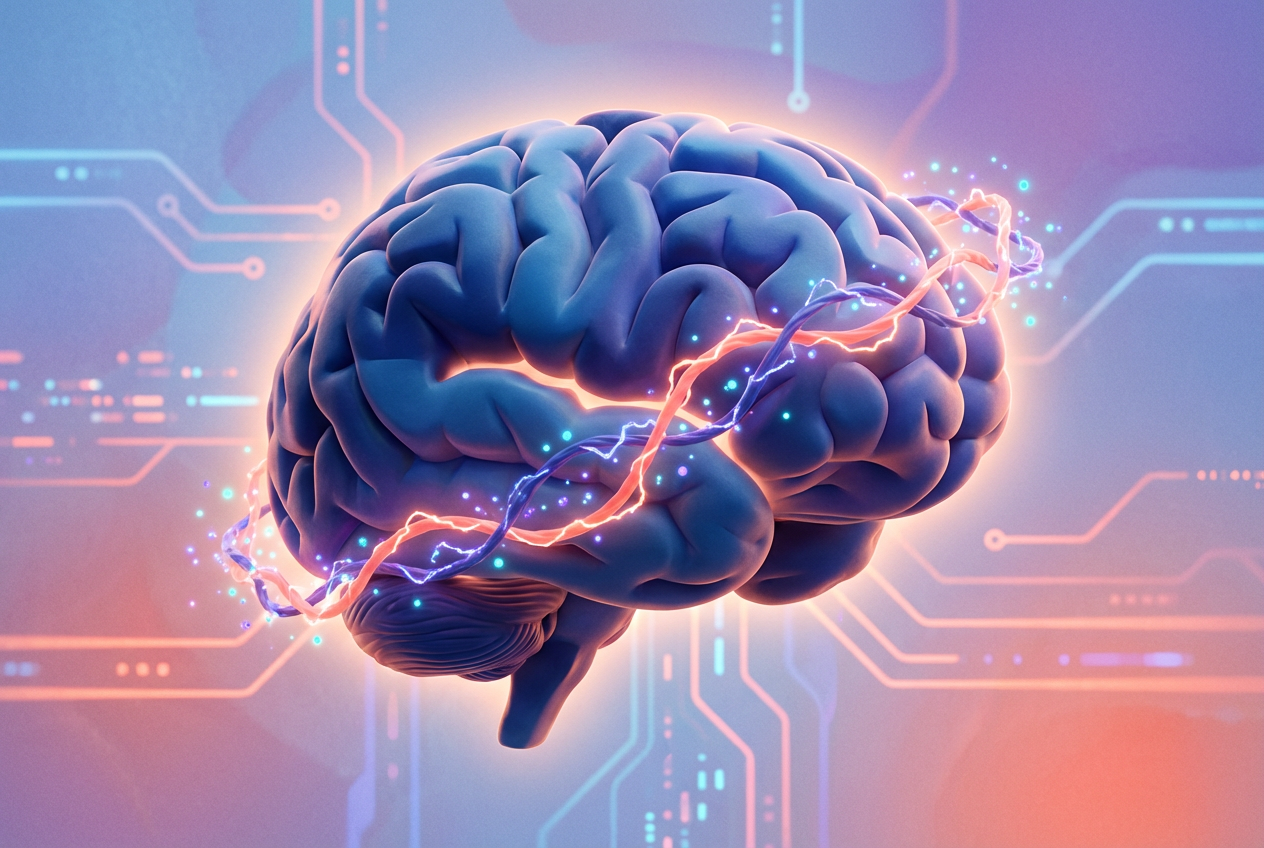
At its core, déjà vu is a memory mismatch. Your brain is essentially having a split-second argument with itself. The temporal lobe – the part of your brain responsible for memory – signals familiarity, while the frontal cortex – the part responsible for logical reasoning – realises that this familiarity is impossible. It’s a conflict between feeling and fact.
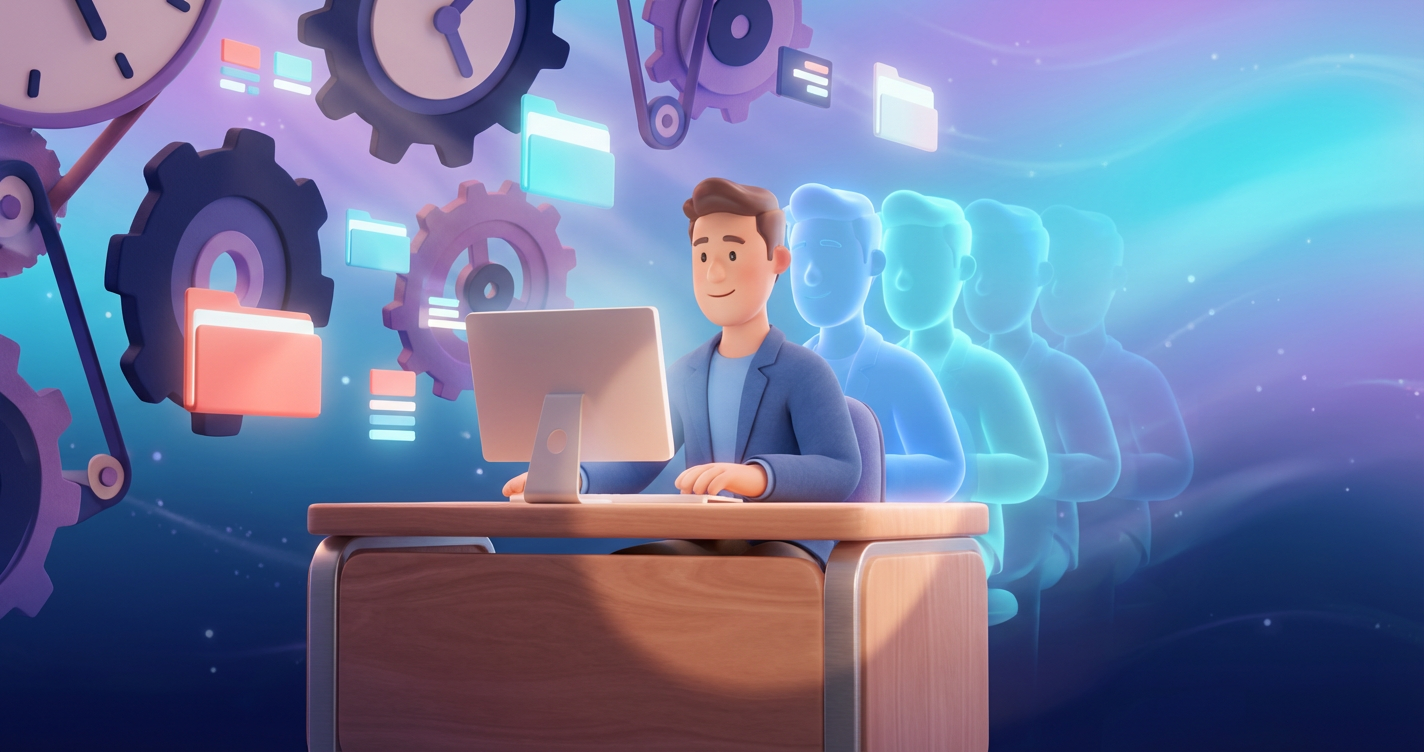
Think of it like a filing error in a massive cabinet. Ordinarily, new information goes into the ‘short-term’ folder before being processed into ‘long-term’ storage. During a déjà vu episode, the information accidentally bypasses the short-term folder and goes straight into long-term memory. By the time your conscious mind catches up, it feels like an old memory instead of a brand-new experience.
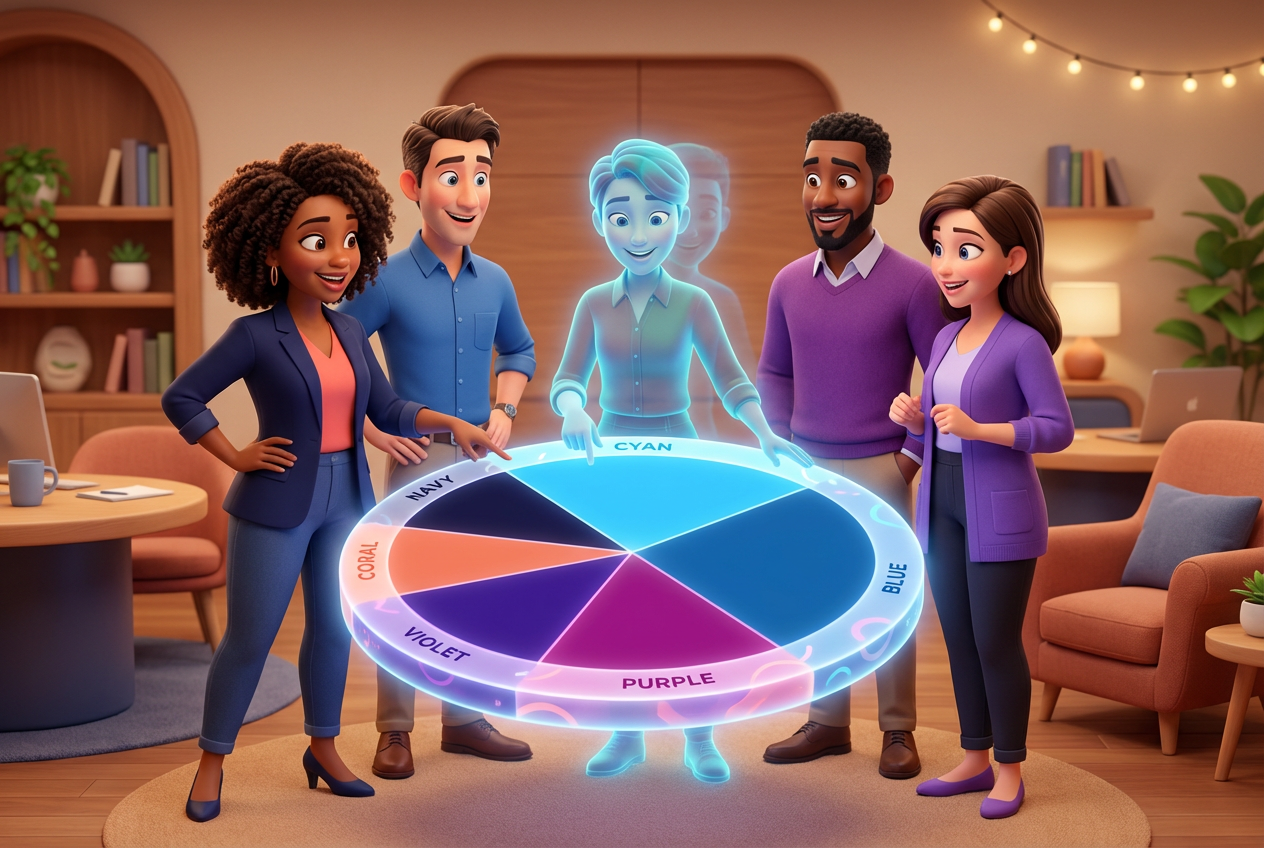
We all navigate the world differently based on our internal wiring. If you are The Auditor, you likely rely on meticulous detail and established patterns. When déjà vu hits you, it might feel particularly jarring because your brain is so attuned to accuracy. You know the facts don’t align with the feeling, and that creates a specific kind of mental friction.
On the flip side, The Pioneer might experience these moments and lean into the mystery. Pioneers thrive on innovation and the unknown, so a glitch in their perceived reality is often just another interesting data point to explore. At Compono, we’ve spent over a decade researching how these different traits influence everything from your career choices to how you handle stress.
The way you react to these ‘glitches’ says a lot about your work personality. Some people want to analyse the cause, while others want to use the feeling to build a new connection. Understanding these patterns is exactly what Hey Compono helps you do by providing personality-adaptive insights tailored to your specific brain.
Not all repeat-feelings are created equal. Scientists have categorised several variations of this phenomenon. There is ‘déjà vécu’ (already lived), which is a much stronger version where you feel you know what will happen next. Then there is ‘déjà visité’ (already visited), which relates specifically to geographical locations.
There is even an opposite phenomenon called ‘jamais vu’. This is when something incredibly familiar – like your own front door or a common word – suddenly feels completely alien. It’s the ‘word-alienation’ effect you get when you stare at a word like ‘door’ for too long until it looks like a collection of meaningless shapes.
These experiences highlight just how fragile our perception of ‘now’ actually is. Our brains aren’t video cameras; they are master storytellers, constantly stitching together past experiences, current sensory input, and future expectations. Sometimes, the stitching gets a bit messy, and we end up with a loop in the narrative.
Interestingly, research often links higher frequencies of déjà vu to people who travel more, have higher levels of education, and lead active imaginative lives. If you’re constantly putting yourself in new environments – something The Campaigner does naturally – your brain has more opportunities to find ‘near-matches’ in its memory bank.
When you are in a high-pressure environment, your brain is working overtime to recognise patterns and predict outcomes. For The Evaluator, who is always weighing up options and looking for logical consistency, a déjà vu moment can be a sign of cognitive fatigue or simply a highly active pattern-recognition system firing on all cylinders.
If you’ve been told you’re ‘too analytical’ or ‘too sensitive’ to your surroundings, you might just have a brain that is exceptionally good at spotting similarities. Hey Compono recognises that these traits aren’t bugs – they are features of how you process information. By understanding your dominant work actions, you can stop fighting your nature and start using it to your advantage.
While déjà vu is usually harmless, it can be distracting, especially if it happens during an important meeting or a difficult conversation. If you find yourself stuck in a loop, the best thing to do is engage your physical senses. This helps your ‘logical’ frontal cortex regain control over the ‘emotional’ temporal lobe.
Try the 5-4-3-2-1 grounding technique: acknowledge five things you can see, four you can touch, three you can hear, two you can smell, and one you can taste. This forces your brain to process immediate, undeniable sensory data, which usually breaks the spell of the false memory. It’s a simple way to bring yourself back to the ‘now’ when your brain is trying to live in the ‘already happened’.
Understanding these mental quirks is part of the journey to self-awareness. You aren’t broken because your brain occasionally misfiles a memory. You’re just complex. Whether you are The Helper seeking harmony or The Doer looking for the next task, knowing how your mind handles reality makes you a more effective and resilient professional.
Ready to understand yourself better? Start with 10 minutes free – no credit card required. You can also explore more about personality-adaptive coaching to see how your brain really works.
Not necessarily. It is more a sign of a healthy ‘fact-checking’ system in the brain. It shows that your frontal cortex is successfully identifying a mismatch between what you feel (familiarity) and what you know (that this is a new experience).
Yes, fatigue and stress can interfere with how the brain processes and files memories. When you are tired, the ‘filing system’ is more likely to make errors, leading to that repeat-feeling more often.
Most people do – about 60–70% of the population. It is most common in people aged 15 to 25 and tends to decrease as we get older and our brain’s pattern-recognition software becomes less ‘twitchy’.
Different personalities process sensory input differently. A detail-oriented person might notice the specific triggers of déjà vu more clearly, while a visionary person might be more comfortable with the intuitive feeling of the experience.
You can’t necessarily stop it from happening, but you can ground yourself when it does. Focusing on physical sensations in the present moment helps the brain reset its perception of time and reality.
1 min read
Have you spent your whole life being told you’re too restless, too unfocused, or always chasing the next shiny thing? For many with a pioneer...
1 min read
Survival mode is a psychological state where your brain prioritises immediate safety and task completion over long-term planning and creativity...
1 min read
Catastrophizing is a cognitive distortion where your brain automatically jumps to the worst possible conclusion, often triggered by a minor setback...