
 Compono
How to choose the best candidate coaching tool for IT recruiters
 Compono
Discover why the best candidate coaching tool for IT recruiters uses personality data to help technical talent ace behavioural interviews.

To add candidate coaching to your recruitment service, you need to move beyond standard interview prep and integrate personality-based insights that help candidates understand and articulate their natural working style.
Key takeaways
- Standard interview prep checklists rarely help candidates communicate their true value to employers.
- Candidate coaching becomes highly effective when it is anchored in self-awareness and personality insights.
- You can scale coaching across your agency by using tools that identify a candidate's natural work preferences.
- Offering structured coaching differentiates your recruitment service in a crowded market and builds long-term loyalty.
- Tailoring your advice to how a candidate naturally thinks and acts prevents them from sounding scripted in interviews.
The recruitment market is saturated. Your clients are demanding better cultural fits, and your candidates are tired of feeling like commodities on a conveyor belt. You know that sending a standard "how to answer interview questions" PDF is no longer enough to get your best talent across the line.
You have likely watched brilliant candidates bomb interviews because they could not articulate their value. They had the right skills on paper, but when pressed by a hiring manager, they froze, rambled, or gave answers that felt completely inauthentic. It is incredibly frustrating for them, and it costs you placements.
Adding candidate coaching to your recruitment service solves this problem. When you help candidates understand how they actually work, rather than just telling them what a hiring manager wants to hear, they interview with quiet confidence. Here is how you can build a scalable, effective coaching element into your recruitment process.
Most recruitment agencies offer some form of interview preparation. Usually, it involves a phone call the day before the interview, a run-through of the STAR method, and a list of common questions the client might ask. This approach treats the symptom, not the cause.
The real reason candidates struggle in interviews is a lack of self-awareness. They know what they have done in their previous roles, but they struggle to explain how they do it. When you give them a script or a rigid framework, they spend the interview trying to remember the "right" answer instead of having a genuine conversation.
Effective candidate coaching flips this dynamic. Instead of coaching them on how to act like the perfect candidate, you coach them on how to explain their actual working style. When a candidate understands their own behaviour, they stop trying to be everything to everyone. They can confidently say, "I am great at building structure out of chaos, but I am not the person you want if you need someone to brainstorm abstract ideas all day." Hiring managers respect that level of honesty.

You cannot coach someone effectively if you do not understand what drives them. This is where personality awareness becomes your most valuable recruitment tool. Before you spend time doing mock interviews, you need to help the candidate understand their natural work preferences.
People default to different behaviours under pressure. Some become highly analytical, others become hyper-focused on keeping the peace, and some just want to take action immediately. If you know this about your candidate before they walk into an interview, you can coach them on their blind spots.
There is actually a straightforward way to figure out which of these patterns fits your candidates. Many forward-thinking agencies use Hey Compono to give candidates a quick personality read before the coaching session begins. It takes the guesswork out of the process and gives you a concrete framework to base your advice on.
Once you understand a candidate's natural work personality, your coaching becomes highly specific. Generic advice is useless. Telling a naturally quiet, analytical person to "be more energetic" in an interview is terrible advice. It makes them uncomfortable and they come across as fake.
Instead, you tailor the coaching to their natural strengths. Let's look at how this plays out in practice based on different working styles.
If you are coaching a candidate who naturally acts as a "Doer", someone who is highly practical, task-oriented, and focused on getting things done, their interview risk is that they will list off tasks without explaining the strategic value of their work. Your coaching for them should focus on connecting their daily tasks to the bigger business goals. You help them answer the "why" behind their actions.
Conversely, if you are coaching someone who is a natural "Pioneer", highly imaginative, future-focused, and full of ideas, their interview risk is completely different. They might talk for twenty minutes about grand visions but fail to explain how they actually execute a project. Your coaching for them involves grounding their ideas in reality. You teach them to follow up every big idea with a concrete example of implementation.
Adding coaching to your service does not mean you need to spend three hours with every candidate. You can build a highly effective coaching session into a 30-minute conversation if you structure it correctly.
Start by validating their experience. Acknowledge that interviews are unnatural environments that force people to talk about themselves in ways they usually wouldn't. This builds trust immediately.
Next, walk through their natural work preferences. Share the insights you have gathered about their working style. Ask them if it resonates. Usually, candidates feel a sense of relief when you accurately describe how they work. It gives them the vocabulary they have been looking for.
Finally, translate those insights into interview strategy. Identify one major strength they need to highlight, and one blind spot they need to manage. If they tend to avoid conflict to keep the peace, role-play a question about how they handle disagreements at work. Give them a safe space to practice answering the hard questions.
When you add structured candidate coaching to your service, you change the way clients perceive your agency. You are no longer just a CV forwarding service; you are an advisory partner.
When you present a candidate to a client, you can include notes from your coaching sessions. You can tell the hiring manager exactly how the candidate prefers to work, what environments they thrive in, and where they might need support. This level of insight drastically reduces the perceived risk for the hiring manager.
It also builds incredible loyalty with candidates. Even if they do not get the specific role you put them forward for, they walk away from the experience with a better understanding of themselves. They will remember that you actually invested in their career development, and they will recommend your agency to their peers.
The biggest objection agency owners have to candidate coaching is the time commitment. If your recruiters are already managing thirty open roles, asking them to become career coaches feels impossible.
The secret is giving them the right framework. You don't need your recruiters to become certified psychologists. You just need them to have access to tools that do the heavy lifting of personality analysis for them.
When you use personality-adaptive coaching tools, the system generates the insights automatically. Your recruiters just need to read the summary, pick out the most relevant points for the specific job brief, and have a targeted 15-minute conversation with the candidate. It adds massive value without destroying your team's capacity.
The ultimate proof that candidate coaching works is in your retention metrics. Placing a candidate is only half the battle; keeping them there past the probation period is what protects your fee and your reputation.
Candidates who receive coaching based on their actual personality traits tend to land in roles that genuinely suit them. They haven't faked their way through an interview only to realise the company culture is a terrible fit for their working style. They go into the role with their eyes open, and the client knows exactly who they are hiring.
Better alignment upfront means less friction during onboarding. It means fewer candidates calling you after three weeks saying they want to leave. When you track your retention rates before and after implementing a structured coaching program, the return on investment becomes very clear.
Key insights
- Candidate coaching must move beyond generic interview scripts and focus on helping candidates articulate their natural working style.
- Understanding a candidate's personality type allows recruiters to offer targeted advice on managing blind spots during interviews.
- Structured coaching conversations can be delivered in just 15 to 30 minutes if you have the right personality data upfront.
- Providing deep behavioural insights to your clients alongside a CV positions your agency as a strategic advisory partner.
- Candidates who understand their own work preferences are more likely to accept roles where they will thrive long-term, improving your retention metrics.
Ready to bring personality insights into your recruitment process and offer coaching that actually gets results?
Related reading: Best candidate coaching tool for boutique recruitment firms · How to grow a recruitment business with candidate coaching
Hey Compono gives your candidates AI interview practice, role play and feedback as part of your placement service. What is candidate prep?
See how it worksIf you use personality profiling tools to gather insights beforehand, an effective coaching session only takes 15 to 30 minutes. The key is having the data ready so you can spend the time discussing strategy rather than trying to figure out how the candidate ticks.
No. While you are not providing deep psychological counselling, you are providing practical career advice based on observable work behaviours. Using structured personality tools gives your recruiters the framework they need to guide candidates safely and effectively.
Frame it as a tool for their benefit, not a test they can fail. Explain that understanding their natural work preferences helps you match them with companies where they will actually enjoy working, and helps you coach them to interview with more confidence.
Agencies that provide deep candidate insights and coaching often win more retained work and exclusive briefs. While you might not charge a separate line item for "coaching," it justifies premium placement fees and protects those fees by improving retention rates.
That is actually a great starting point for a coaching conversation. Ask them which parts do not feel right. Often, candidates answer assessments based on how they think they should act at work, rather than how they naturally prefer to act. Discussing the difference helps them gain clarity before their interview.
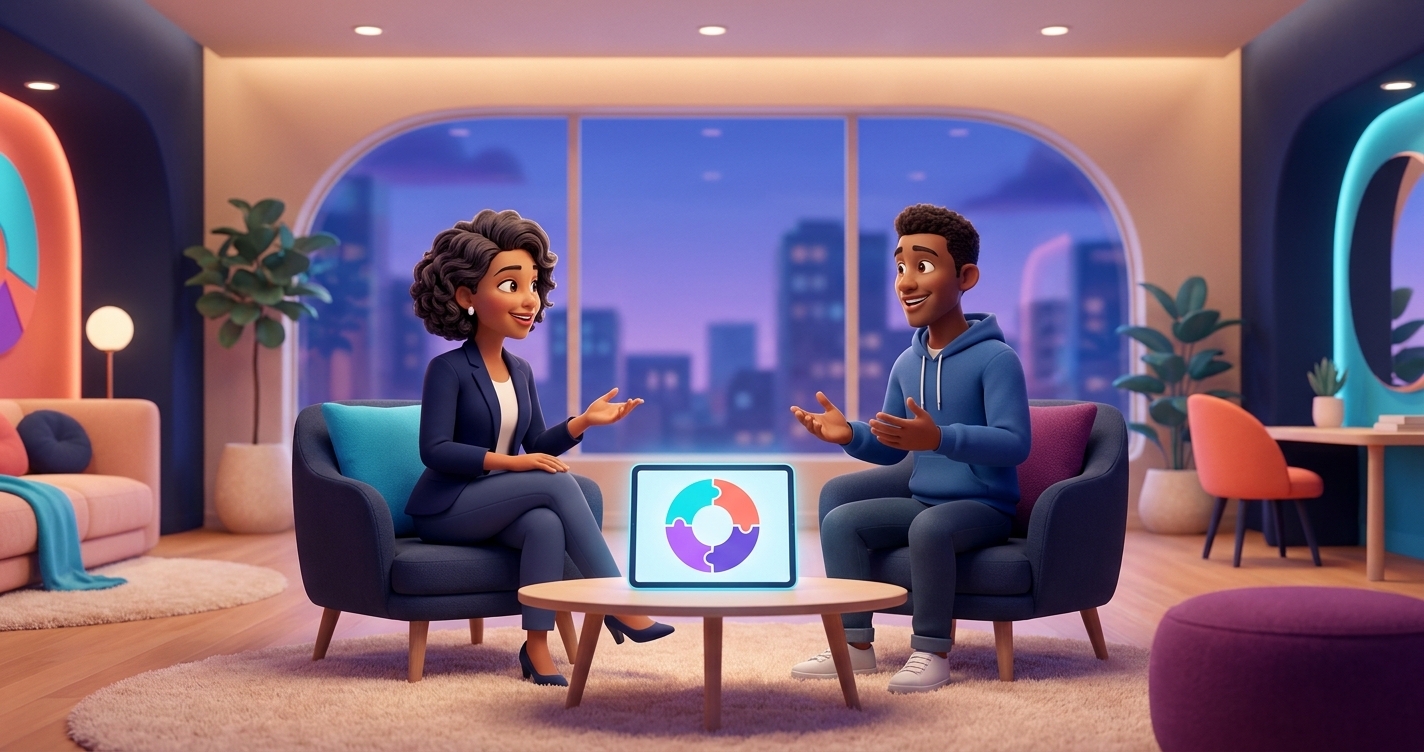
Discover why the best candidate coaching tool for IT recruiters uses personality data to help technical talent ace behavioural interviews.

Prepping every shortlisted candidate by hand does not fit the week you have. Here is how prep tools do the coaching and lift interview quality.

Adding coaching to a placement protects the candidate and your margin. How to price it, how to explain it to clients, and how it holds placements.