 Mathan Allington
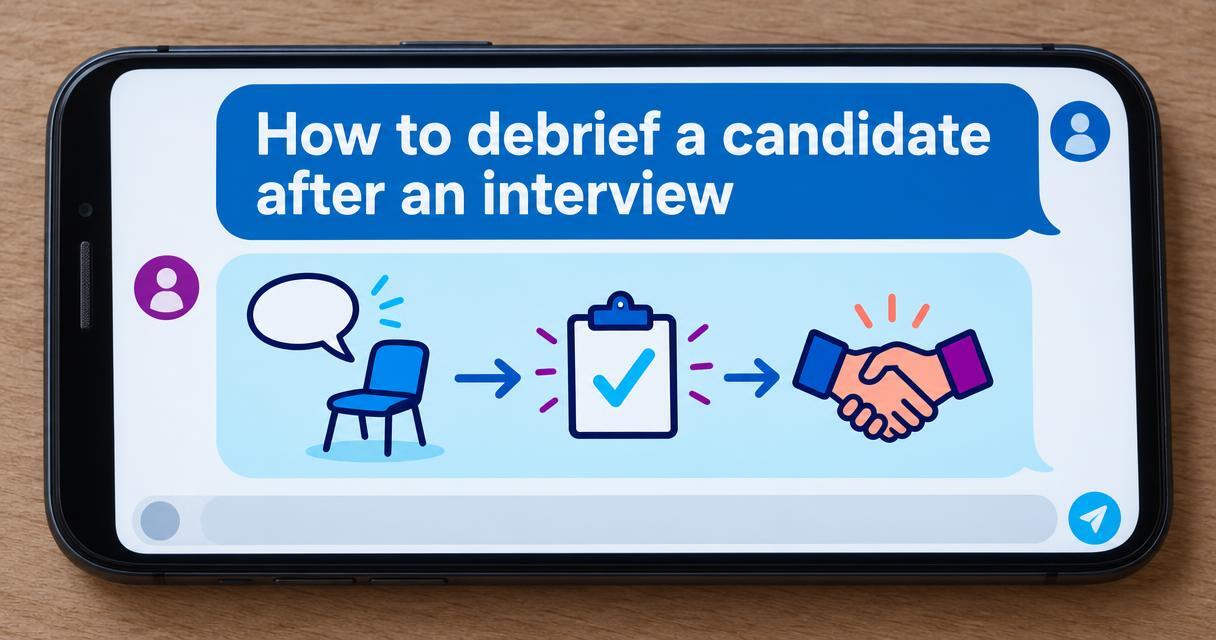
To debrief a candidate after an interview, you must hold a two-way conversation that gathers their immediate impressions, shares specific feedback from the hiring panel, and sets clear expectations for the next steps.
Last reviewed November 2026
Key takeaways
- An external candidate debrief is a two-way conversation designed to gather the candidate’s thoughts and provide them with official feedback from the hiring panel.
- Candidates who receive prompt, objective feedback are significantly more likely to reapply and refer others to your organisation.
- To prevent legal liability, all post-interview feedback must focus strictly on job-related skills and demonstrated experience rather than subjective personality traits.
- Managing defensive reactions requires you to validate the candidate's disappointment without debating or overturning the panel's final hiring decision.
- Debriefing successful candidates allows you to address any lingering doubts and pre-close them before extending a formal job offer.
The recruitment process does not end when the candidate walks out of the interview room. While hiring managers often rush straight into internal panel discussions to calibrate their scores, they frequently forget the person waiting anxiously by the phone. The post-interview feedback call is often the most neglected part of the entire hiring lifecycle.
Ignoring this step has real consequences for your employer brand. According to the 2024 Greenhouse Candidate Experience Report, 52% of candidates reported being ghosted after an interview. When a professional spends hours preparing for your technical assessments and panel interviews, receiving a generic, automated rejection email feels insulting. It damages trust, burns bridges, and guarantees that the candidate will share their negative experience with their wider industry network.
Conversely, a structured and empathetic debrief call builds immense goodwill. The 2025 CandE Benchmark research from Survale found that candidate resentment increased by 70% among candidates who received no interview preparation or follow-up. When you take the time to run a proper debrief, you treat the candidate with respect and leave them with a positive, lasting impression of your company.
The difference between internal and external debriefs
When people talk about interview debriefs, they often confuse two separate events. The internal debrief is the meeting where the hiring manager, HR business partner, and interview panellists sit down to compare their notes. They review the scoring rubrics, discuss the candidate's answers, and make a final decision on whether to proceed with an offer.
The external candidate debrief is the conversation that happens directly with the job seeker. This call serves a dual purpose. First, it allows the recruiter to hear how the candidate felt the interview went. Second, it is the moment you deliver the outcome and provide constructive, actionable feedback.
For agency recruiters, this two-way conversation is the lifeblood of client management. You need to know if the hiring manager asked inappropriate questions, if the candidate felt ambushed by a technical test, or if the salary expectations suddenly shifted during the meeting. Understanding what is candidate prep and running a thorough debrief are two sides of the same coin. Both processes ensure you have complete visibility over the candidate's mindset and readiness.
Why skipping the candidate feedback call damages your brand
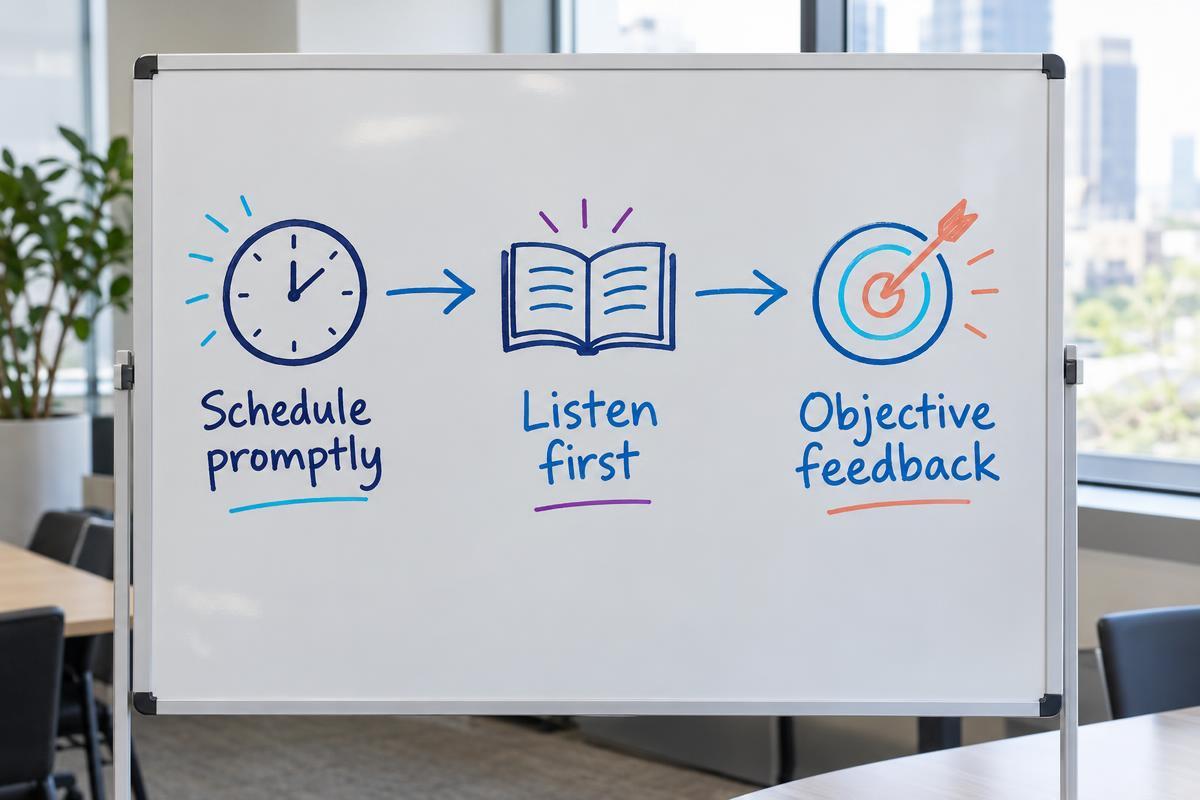
Feedback is hard, especially when the news is bad. Many internal talent acquisition teams avoid calling rejected candidates because they fear awkward conversations or defensive reactions. However, taking the easy way out has a measurable cost to your talent pipeline.
Data shows that transparency pays off. Candidates who received specific feedback in 2025 were 69% more willing to refer others to the employer. Even when they do not get the job, professionals appreciate recruiters who tell them exactly where they fell short. It allows them to upskill and perform better in their next application.
Furthermore, treating rejected candidates well keeps them in your active talent pool for future roles. Impact Recruitment data shows that candidates who received feedback after an interview were four times more likely to consider the company again. If you provide a poor experience, you permanently lose access to that talent.
Step-by-step guide: how to debrief a candidate after an interview
Running a successful debrief requires preparation and a clear structure. You cannot just pick up the phone and improvise, particularly when you are delivering a rejection. Follow these steps to keep the conversation professional, constructive, and helpful.
Step 1: Schedule the call promptly
Time kills goodwill in recruitment. You should aim to call the candidate within 24 hours of their interview, even if you do not have a final decision from the hiring panel yet. This initial check-in is purely to gather their immediate thoughts and keep them engaged. Let them know when they can expect the official feedback, and stick to that deadline.
Step 2: Open by asking for their perspective
Always start the conversation by asking the candidate how they felt the interview went. This gives you a baseline for their self-awareness. If they thought they gave a flawless presentation, but the panel felt they completely missed the brief, you know you have a significant perception gap to manage. Let them speak first without interrupting.
Step 3: Ask probing questions about the role
Dig into their enthusiasm for the position now that they have met the team. Ask if the role aligns with what they expected based on the initial job description. This is where you uncover red flags. If they express hesitation about the working hours mentioned by the hiring manager, you need to address that before extending an offer.
Step 4: Deliver the panel's official feedback
When you have the final decision, deliver it clearly and concisely. Do not sandwich a rejection between vague compliments. State the outcome early in the call, and then provide the specific, objective reasons behind the decision. Ensure the feedback is tied directly to the core competencies required for the role.
Step 5: Outline the exact next steps
Close the call by explaining what happens next. If they are progressing to a final round, give them the timelines and let them know who they will be meeting. If they have been rejected, thank them for their time, ask if they would like to stay in your talent pool, and provide instructions on how to keep in touch.
Key questions to ask the candidate during the debrief
The questions you ask immediately after the interview will dictate the quality of the insights you gather. Avoid simple yes or no questions. Instead, use open-ended prompts that encourage the candidate to reflect on their performance.
"How did the conversation compare to your expectations?"
This question reveals whether the hiring manager went off script. Sometimes, a panel will focus entirely on a minor part of the candidate's resume, ignoring the primary skills you briefed them to assess. If the candidate feels confused about the focus of the interview, you need to sync with the panel immediately.
"Which question did you find the most challenging to answer?"
Self-awareness is an important trait in any professional. When a candidate can identify their own weak spots in an interview, it shows maturity. You can also use this call to coach a candidate on interview weaknesses ahead of their next meeting, ensuring they do not stumble on the same topic twice.
"Did anything the panel shared make you hesitate about the role?"
It is better to uncover objections now than at the offer stage. If the candidate expresses concern about the company culture or the expected travel schedule, you can address those fears directly. A transparent conversation here is essential for reducing candidate dropout later in the process.
How to deliver constructive feedback to rejected candidates
Delivering a rejection is the hardest part of the recruiter's job. Many professionals default to generic platitudes like "we decided to go in a different direction" because they do not want to hurt the candidate's feelings. However, vague feedback is frustrating and entirely unhelpful.
When you deliver constructive feedback, frame it around the specific technical requirements of the job. For example, rather than saying they lacked experience, say, "The panel felt your background in B2B sales is strong, but for this specific role, they needed someone who has directly managed enterprise accounts worth over five million dollars. Because your experience is primarily in the mid-market space, they decided to progress with candidates who have that enterprise track record."
This approach gives the candidate a tangible reason for the rejection. It proves that the decision was based on facts, not a personal dislike. They might be disappointed, but they cannot argue with the objective requirements of the brief.
Legal compliance in candidate feedback conversations
There is a reason many corporate legal departments advise against giving interview feedback: the risk of discrimination claims. If a hiring manager rejects someone because they were "too aggressive" or "not a good culture fit", sharing those exact words with the candidate can create serious legal liability.
You must translate subjective panel opinions into objective, behaviour-based feedback. Always tie your comments back to the selection criteria listed in the job advertisement. Never comment on a candidate's age, family status, gender, or personal characteristics.
| Subjective feedback (High risk) | Objective feedback (Low risk) |
|---|---|
| "The panel felt you were a bit too aggressive and overpowering in your communication style." | "The panel noted that during the roleplay scenario, you interrupted the client several times, which did not demonstrate the consultative listening skills required for this role." |
| "You just were not a good culture fit for our young, energetic team." | "The team is looking for someone who thrives in an unstructured, highly ambiguous startup environment, and your answers indicated a strong preference for established corporate processes." |
| "You lacked the confidence we need for a leadership position." | "When asked about handling team conflict, you were unable to provide a specific example using the STAR method, which was a core requirement for assessing leadership capability." |
| "We felt you would get bored in this job quickly." | "Given your extensive background managing global teams, the panel felt this individual contributor role would not provide the strategic scope you are accustomed to." |
Managing defensive or emotional candidate reactions
Even when you deliver perfectly crafted, objective feedback, some candidates will react poorly. Rejection triggers a stress response. They may become defensive, argue about the panel's decision, or demand a second chance.
Your role is to remain calm and validate their disappointment without changing your stance. Do not engage in a debate. If a candidate says, "But I do have enterprise sales experience, I just forgot to mention it," you must gently hold the line.
A good script for this scenario is: "I completely understand how frustrating it is to feel like you did not get to showcase your full background. However, the panel had to make their decision based strictly on the answers provided in the room today. While they cannot reverse this decision, I have noted your enterprise experience in our system for future roles."
Different people process bad news in different ways. Someone with an Evaluator work personality might demand strict, logical proof of where they lost points, while others might shut down completely and try to get off the phone. Give them space to process the information, maintain your professional boundaries, and end the call respectfully.
Debriefing successful candidates to secure the hire
The debrief is just as important for the candidates you want to hire. Do not assume that a successful interview guarantees an accepted offer. The post-interview call is your best opportunity to pre-close the candidate and ensure you are aligned on expectations.
Start by sharing the good news and validating their performance. Tell them exactly what the panel loved about them. This builds excitement and emotional connection with the employer brand. Then, ask the critical closing questions: "Now that you have met the team and understand the expectations, on a scale of one to ten, how interested are you in this role?"
If they say anything less than a nine, ask what is holding them back. You also need to ask about their active pipeline. Are they expecting offers from other companies this week? Knowing their timeline allows you to pressure the internal hiring manager to move quickly. If you run an agency and want to explore the mechanics of managing these timelines effectively, reviewing a recruitment agency candidate prep guide provides excellent foundational strategies.
Using candidate debriefs to improve your hiring pipeline
The intelligence you gather during debrief calls should not sit in a notebook on your desk. It needs to feed back into your talent acquisition strategy. If multiple candidates complain that a specific hiring manager is rude or disengaged during interviews, you have an internal training issue to solve.
Similarly, if candidates are consistently shocked by the salary on offer or the amount of travel required, your initial screening process is failing. The debrief data highlights exactly where your employer brand is breaking down.
At Hey Compono, we know that preparation is the foundation of great performance. When you invest time in coaching and debriefing your candidates properly, you improve the entire recruitment experience. Candidates walk away feeling respected, hiring managers get better talent, and your employer brand strengthens with every interaction.
How Hey Compono can help with candidate preparation
If you want your candidates to perform confidently and receive better feedback from hiring panels, they need to practise out loud before the real interview begins. Recruiter Hub allows you to assign AI-powered, voice-based mock interviews to your candidates, ensuring they work through their nerves and refine their answers before they meet your clients.
Related reading
Frequently asked questions
Should I give interview feedback over the phone or via email?
You should always attempt to deliver specific interview feedback over the phone. A phone call allows you to control the tone of the conversation, answer follow-up questions, and manage the candidate's emotional reaction. Email should only be used for standard rejections early in the process, or if you have tried to call the candidate multiple times without success.
What if the hiring manager refuses to provide specific feedback?
This is a common challenge for recruiters. You must push back and explain that vague feedback damages the employer brand. Ask the hiring manager specific, targeted questions to draw the feedback out of them: "What was missing from their answer about budget management?" or "Which specific technical skill did they lack?"
Can a candidate sue a company based on interview feedback?
Yes, if the feedback implies discrimination based on protected characteristics like age, gender, race, or disability. This is why feedback must always remain objective, focusing entirely on the candidate's demonstrated skills, experience, and answers provided during the interview, rather than their personality or "culture fit".
How long should an interview debrief call take?
A standard debrief call usually takes between ten and fifteen minutes. This provides enough time to ask for the candidate's perspective, deliver the panel's official feedback, address a few quick questions, and outline the next steps. Do not let the call drag on into a lengthy debate about the hiring decision.
Should we debrief candidates who failed a technical assessment?
Yes, candidates who invest time in completing a technical assessment deserve to know where they fell short. You do not need to provide a line-by-line code review or a detailed grading rubric, but you should outline the high-level areas where their submission did not meet the required standard.