
 Compono
How to find career happiness by understanding your brain
 Compono
Career happiness tracks fit more than pay or title. Here is how to find the conditions where you do good work and feel decent doing it.

We’ve been conditioned to believe that self-improvement is about patching up the holes in our personality. If you’re not organised, you buy a planner. If you’re not a 'people person', you force yourself into networking events until you’re blue in the face. But here’s the truth, you aren’t a project that needs fixing. When you spend all your energy trying to become mediocre at things you hate, you have nothing left to become exceptional at the things you love.
The quest to know my strengths isn't about vanity; it’s about survival in a workplace that often tries to mould us into identical corporate widgets. You might have been told you’re 'too sensitive' or 'too blunt' in the past. At Hey Compono, we believe those 'too much' traits are actually clues to your greatest professional assets. It’s time to stop apologising for how your brain works and start leaning into it.

Your strengths aren't just things you’re good at, they are the activities that leave you feeling energised rather than drained. You might be a wizard with a spreadsheet, but if doing that work makes you want to stare into the sun, it isn’t a strength; it’s just a skill. Real strengths come from your natural work personality. They are the paths of least resistance where your best work happens almost on autopilot.
Think about The Pioneer. Their strength lies in imagination and risk-taking. If you force a Pioneer to spend eight hours a day doing compliance audits, they’ll wither. Conversely, The Auditor finds deep satisfaction in precision and standards. Neither is 'better', but they are built for entirely different battles. When you finally know my strengths, you can stop fighting your nature and start using it to your advantage.
To truly know my strengths, you have to look at your behaviour when no one is watching, or when the pressure is on. What do you volunteer for? What tasks do you finish first because they’re actually fun? Often, our strengths are so natural to us that we assume everyone can do them. If you find it easy to rally a team during a crisis, you might be one of the Campaigners who lead through inspiration.
If you’re struggling to see it yourself, look at your conflict style. In a heated meeting, do you reach for data to cool things down? That’s The Evaluator in you. Do you focus on making sure everyone still feels heard? That’s the hallmark of The Helper. These aren't just 'nice' traits, they are high-value work actions that teams desperately need to function.
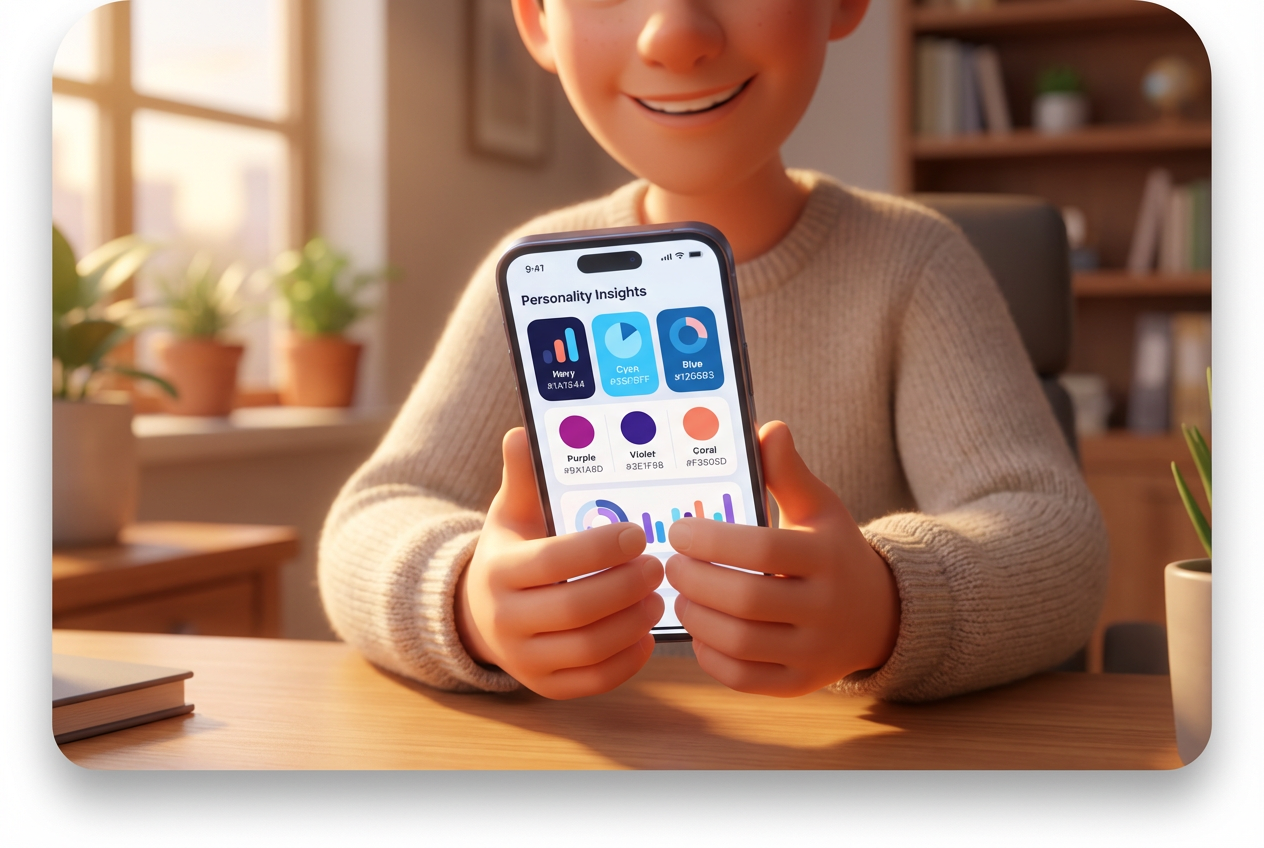
Most people spend years 'managing' their careers by accident. They take the next promotion because it’s there, not because it fits. But when you use a tool like Hey Compono, you get a shortcut to that self-awareness. Our personality-adaptive approach doesn't give you generic advice; it validates the way you already think and gives you the language to explain it to your boss and your team.
Imagine a world where you don't have to pretend to be The Coordinator if you’re actually a creative soul. Imagine saying 'I’m at my best when I’m solving complex problems, but I need support with the admin', and being respected for it. That’s the power of knowing your type. It turns a job into a career that actually fits your life.
Knowing your strengths doesn't just help you, it makes you a better teammate. When you understand that you’re The Doer who loves execution, you can stop resenting The Advisor for wanting to explore every option. You realise that a high-performing team needs both. You need the person who gets it done and the person who makes sure it’s the right thing to do.
This self-awareness is the foundation of modern leadership. You don't need to be a carbon copy of a famous CEO. You just need to be the best version of your specific type. Whether you lead with empathy or logic, your team will trust you more when you’re authentic. It all starts with that first step: deciding to finally know my strengths instead of just listing your responsibilities.
Related reading: How to know when you need guidance in your career · How to leverage strengths to transform your career
Career change coaching that starts with your personality, not a template. Start free.
Get started freeEven generalists have a 'home base' personality. Look at the tasks that feel effortless to you but look like hard work to others. Often, your strengths are the things you take for granted because they come so naturally.
While you can learn new skills, your core work personality tends to stay stable. You might get better at 'flexing' into other styles, but your natural preferences, like a preference for logic over emotion, usually remain the same.
Yes. Everyone has blind spots. The goal isn't to be perfect at everything; it’s to be aware of where you need support so you can collaborate with people who have the strengths you lack.
Hey Compono uses a science-backed assessment to map your personality against 8 key work actions. It gives you a clear profile of your dominant strengths and actionable steps to use them every day.
Absolutely. Sharing your strengths helps your manager put you on projects where you’ll actually succeed. It transforms the conversation from 'what you're doing wrong' to 'how to get the best out of you'.

Career happiness tracks fit more than pay or title. Here is how to find the conditions where you do good work and feel decent doing it.

Thinking about a professional pivot? How to work out what to move towards, what to carry with you, and what your work personality says about the next...

Career excellence is less about effort and more about fit. Here is how to match your goals to the way you naturally work and get traction.