
 Compono
1 min read
Continuous learning: why staying curious is your best career move
 Compono
Continuous learning is the persistent, self-motivated pursuit of knowledge for either personal or professional reasons, and it is the only way to...

Knowing it is time for change usually starts with a persistent, quiet gut feeling that your current role no longer matches who you are or where you want to go.
Key takeaways
- Recognising the psychological signs of burnout and misalignment is the first step toward a meaningful career shift.
- Understanding your unique work personality helps you identify why certain environments feel draining while others are energising.
- Small, intentional adjustments to your daily habits can often signal whether you need a new role or just a new approach to your current one.
- Data-driven self-awareness tools like Hey Compono provide the clarity needed to make confident decisions about your professional future.
We have all been there – sitting at a desk, staring at a screen, and realising that the spark has simply vanished. It is not just about having a bad day or a difficult week; it is a deeper sense of misalignment that follows you home and occupies your thoughts on Sunday nights. You might have been told you are too sensitive or too restless, but usually, that restlessness is just your brain telling you that your environment no longer fits your growth.
At Compono, we have spent a decade researching how people interact with their work, and we have found that the most common reason people feel stuck is a lack of deep self-awareness. It is hard to know what you want to change into if you do not fully understand the 'you' that is doing the changing. This is where the struggle begins – feeling like you are failing because you are no longer excited by the things that used to drive you.
The truth is, you are not broken. You have likely just outgrown the current version of your professional life. Recognising that it is time for change is an act of bravery, not a sign of weakness. It requires you to look at your daily habits, your energy levels, and your long-term goals with absolute honesty, even when that honesty feels uncomfortable.
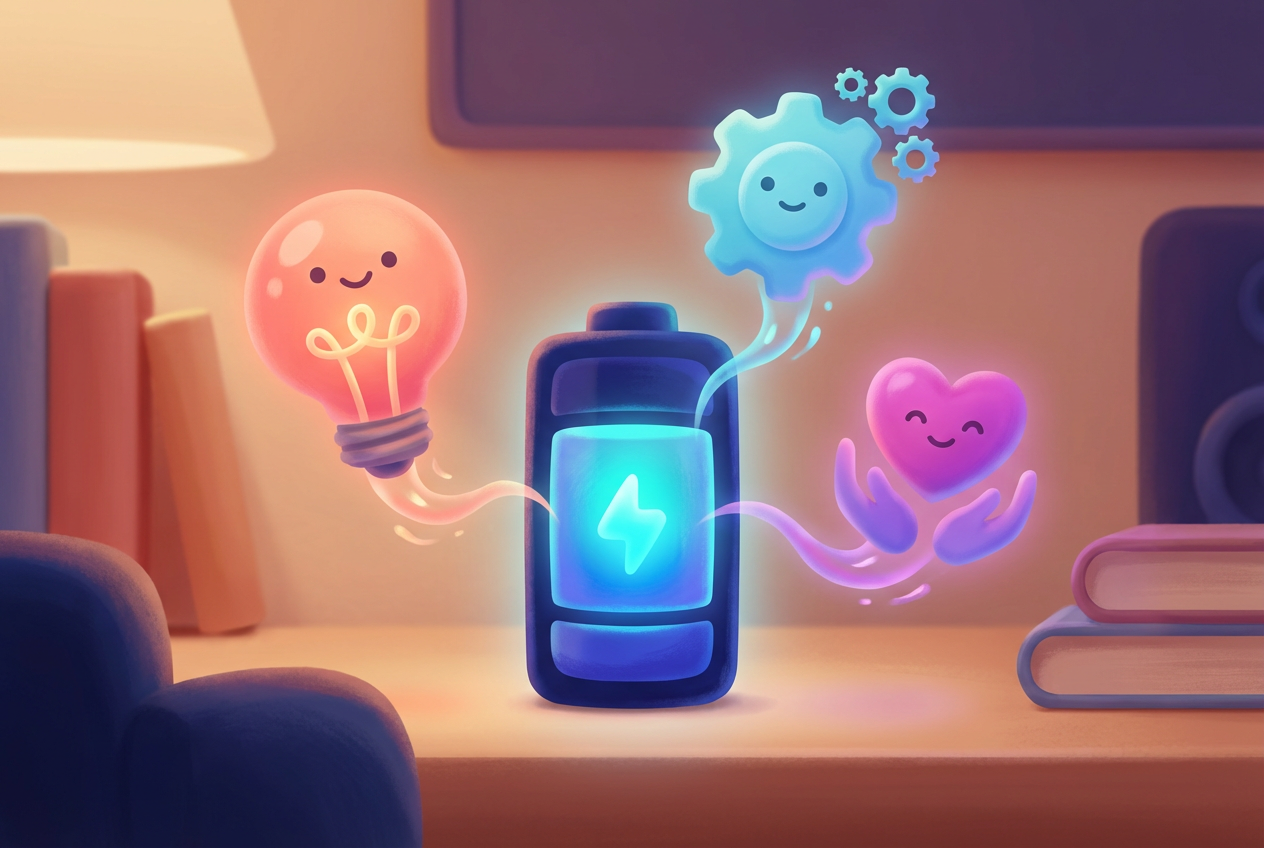
Your body often knows it is time for change before your logical mind catches up. You might find yourself feeling physically exhausted despite getting enough sleep, or perhaps you have become more irritable with colleagues over minor issues. These are not just personality flaws; they are red flags indicating that your current work environment is draining your emotional battery faster than you can recharge it.
Consider how different personalities experience this friction. An Auditor might feel overwhelmed by a sudden lack of structure, while a Pioneer might feel suffocated by too many rigid rules. If you are curious about which personality type you default to under stress, Hey Compono can show you in about 10 minutes. Understanding these triggers allows you to separate 'the job' from 'the person', giving you the perspective needed to plan your next move.
When we ignore these signals, we risk falling into a cycle of chronic stress. This is not the kind of stress that comes from a busy season – it is the heavy, lingering kind that makes you feel disconnected from your own achievements. If you find yourself constantly searching for an escape or daydreaming about a completely different life, it is a clear sign that your current path has reached its natural conclusion.
Not all change looks the same because not all professionals are built the same way. A Campaigner might need a change that involves more social interaction and 'selling the dream', whereas a Coordinator might be looking for a role with better systems and clearer authority. When you realise it is time for change, the first thing you should do is look at your natural work preferences.
Many people make the mistake of jumping into a new job that looks good on paper but repeats the same cultural problems as their last one. They haven't addressed the underlying mismatch between their personality and the work activities they are being asked to perform. By using a tool like Hey Compono, you can identify the specific work actions – like advising, helping, or doing – that actually make you feel fulfilled.
Transitions are smoother when they are informed by data rather than desperation. Instead of running away from a bad boss, you should be moving toward a role that complements your dominant traits. This shift in mindset transforms 'quitting' into 'evolving'. It allows you to take ownership of your career trajectory and ensures that your next step is a step up, not just a step sideways into another draining situation.
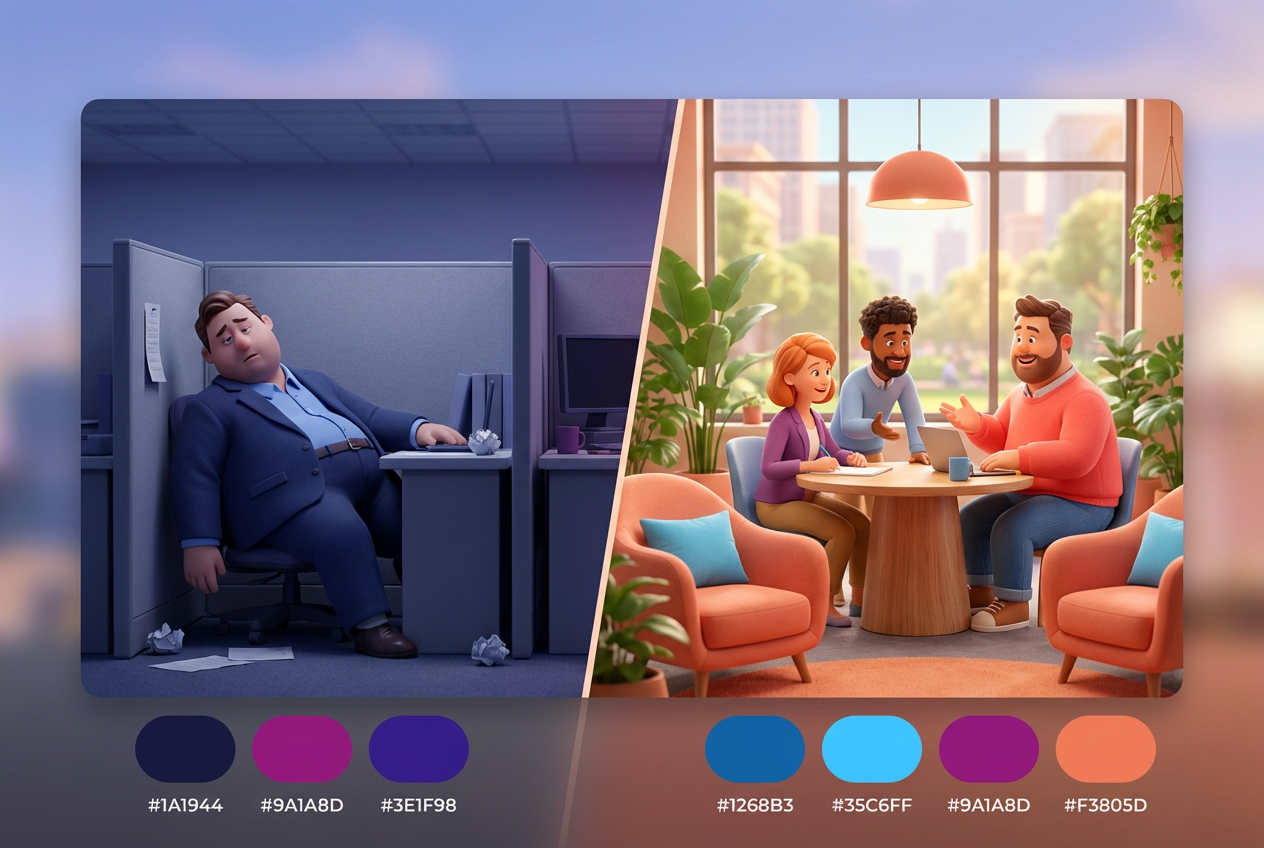
You do not always have to quit your job the moment you feel it is time for change. Sometimes, 'job crafting' can help you figure out if the issue is the entire career or just specific tasks. Try to track your energy for a week. Note down which meetings leave you buzzing and which ones make you want to hide in the break room. This data is invaluable for your future self.
If you find that 80% of your day is spent on tasks that drain you, it is time to have an honest conversation – either with your manager or with yourself. You might find that moving into a different department or taking on different responsibilities within the same company provides the fresh start you need. However, if the very core of the organisation's culture clashes with your values, no amount of task-shifting will fix the problem.
During this phase, it is helpful to look at your work personality summary to see where your natural strengths lie. If your current role requires you to be an 'Evaluator' but your heart is in being a 'Helper', you will always feel like you are swimming against the tide. Recognising this gap is the only way to bridge it effectively without burning out in the process.
Key insights
Realising it is time for change is a signal of growth, not failure. By identifying the emotional and physical red flags of misalignment, you can begin to plan a transition that respects your natural work personality. Using tools like Hey Compono allows you to base your next career move on objective data rather than temporary frustration, ensuring long-term professional satisfaction.
If you have been feeling that itch for something new, do not ignore it. The best way to start is by getting a clear picture of who you are at work right now. You can take a quick personality read with Hey Compono to understand your dominant traits and how they fit into a high-performing team. Whether you decide to stay and grow or move on to something entirely new, having that self-awareness is your greatest asset.
Ready to understand yourself better? Start with 10 minutes free – no credit card required. You can also explore how our personality-adaptive coaching helps professionals navigate these exact transitions with confidence.
A bad week is usually tied to a specific project or deadline and resolves once that task is finished. If you feel a persistent sense of dread that lasts for months and is not tied to a single event, it is likely a sign of deeper misalignment.
Yes, many people feel guilty because they think they 'should' be happy with a stable role. However, professional satisfaction is about more than just a paycheck; it is about whether the work aligns with your values and personality.
Assessments provide an objective framework to understand why certain tasks drain you. They help you identify the types of roles and cultures where you are most likely to thrive, preventing you from making the same mistakes in your next move.
Start by auditing your current energy levels and identifying your core strengths. Reach out for a personality summary to see how your traits match different career paths, and then begin networking in industries that value those specific strengths.
Sometimes. If your manager is open to 'job crafting', you may be able to shift your responsibilities to better match your work personality. However, if the cultural values of the company are the main issue, a total change is often the better long-term solution.

1 min read
Continuous learning is the persistent, self-motivated pursuit of knowledge for either personal or professional reasons, and it is the only way to...

1 min read
The best AI coaching platform for nursing in New Zealand is one that understands the specific emotional and structural pressures of the Kiwi...

1 min read
The best AI coaching platform for NDIS providers in Victoria is one that moves beyond generic productivity hacks to address the specific emotional...