
 Compono
Existential crisis at work: finding meaning when you feel lost
 Compono
Feeling lost or questioning your career? Learn why an existential crisis happens at work and how to find your path using your unique work personality.
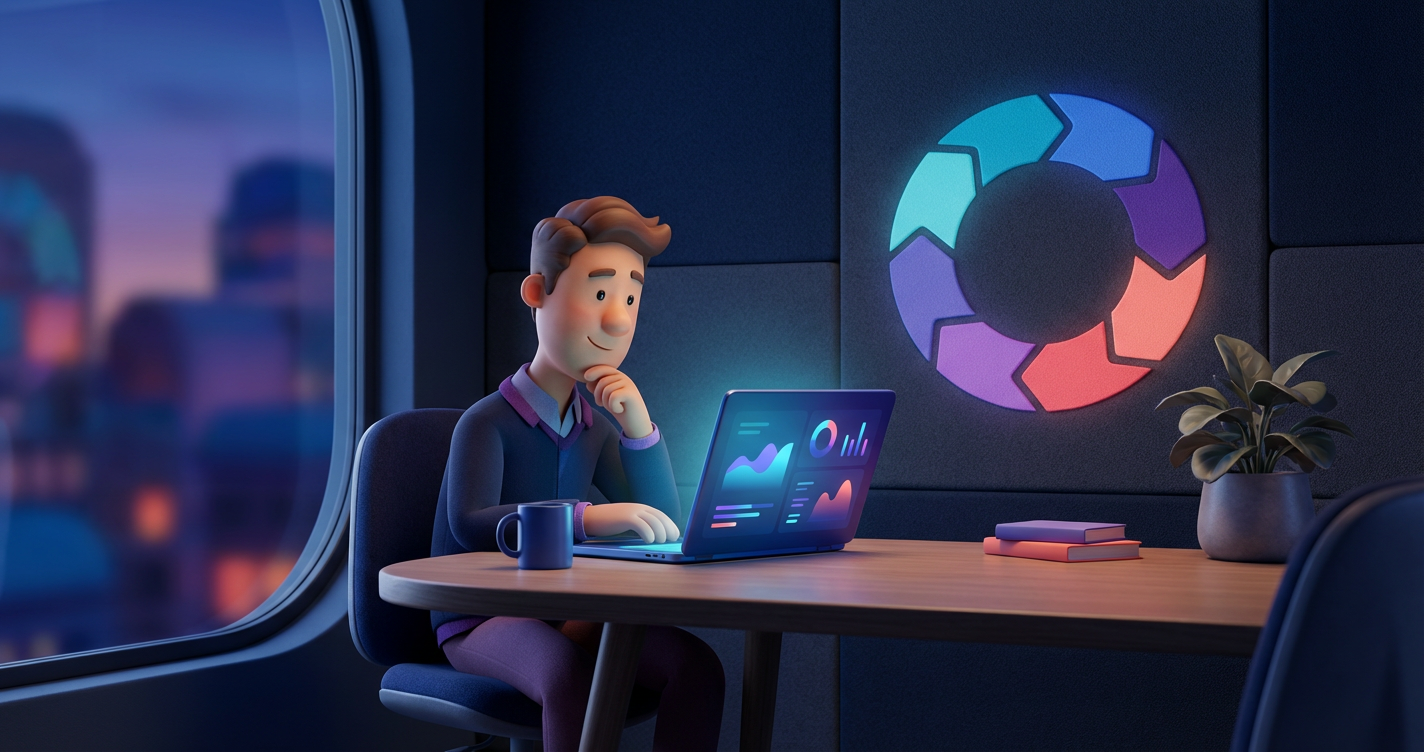
If your work performance feels like it is getting worse, the cause is often a clash between your natural work personality and your current environment or set of tasks, not a loss of ability. Once you spot where your day works against your wiring, small, deliberate shifts can reverse the slide and rebuild your confidence.
Last reviewed July 2026
There is a specific dread that hits when you realise things are getting worse at your desk. It is not one bad Monday, it is the creeping sense that tasks which used to be easy now feel like wading through wet cement. You stare at the inbox for twenty minutes, or make small errors you would have caught a year ago. The more you worry, the harder the work becomes.
We are told career growth is a straight line up, but the reality is messier. When you feel like you are slipping, your brain jumps to the harshest conclusion, that you are burnt out or in the wrong career. Compono's research into high-performing teams points somewhere less brutal. Performance is rarely about raw talent, it is about the fit between who you are and what you are asked to do each day. Traits you were once told were too sensitive or too detail-focused can become hurdles when the context changes, which is why the answer usually sits with your work personality.

Most people assume declining performance means they should just try harder, so they set more alarms, drink more coffee and download three new apps. If the real problem is a personality mismatch, trying harder just drains you faster. Take the Auditor. In a stable environment they are a powerhouse of precision. Drop them into chaos that demands rapid, half-baked ideas and they will feel like they are failing. They have not lost their skills, they are being forced against their methodical nature, and the stress of being rushed leads to second-guessing and delays.
Similarly, a Campaigner thrives on variety and people. Put them on eight hours of solitary data entry and their energy craters because their social battery never charges. Knowing which type you default to under stress makes these patterns obvious instead of mysterious.
When you notice a decline, anxiety follows, and anxiety triggers a fight-or-flight response that quietens the part of your brain responsible for complex problem-solving and focus. That becomes a self-fulfilling loop, you worry you are getting worse, which makes your brain less capable, which drops your performance further. It is often the precursor to burnout, driven less by hours and more by the emotional labour of pretending to be someone you are not. A Helper pushed into aggressive, competitive negotiations burns ten times the energy of someone naturally suited to it, and eventually that energy runs out. Breaking the loop starts with dropping the shame. You are not lazy or losing intelligence, you are out of sync.
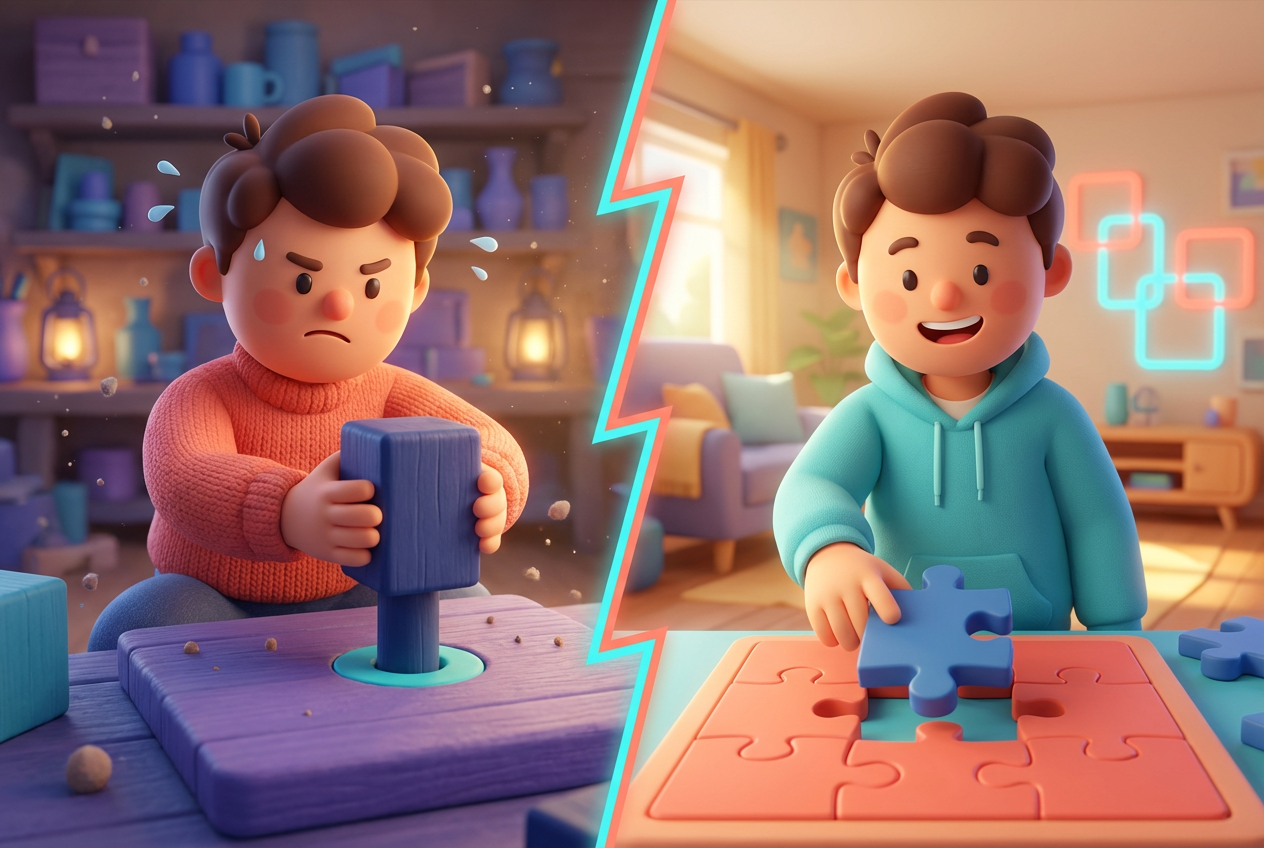
Start by auditing your daily energy leaks. Look at your calendar and mark which tasks leave you energised and which leave you needing a nap. People who feel like they are getting worse are often spending most of their time in their blind spots. If you are a Pioneer who needs ideation and big-picture thinking but your day is all administrative follow-up, you will feel like you are failing. You may not need a new job, just a reframe. Can you automate the admin, or block out an hour of Pioneer time in the morning when your brain is freshest? Small wins are the antidote. Clear, concrete tasks stop a Doer from feeling like they are slipping when the real problem was vague instructions.
Related reading: How to start a passion project that actually feels like you · Why commitment feels hard and how to find your flow
Voice or text coaching that adapts to your personality. Start free.
Get started freeTrying harder without fixing the root cause, usually a mismatch between your personality and your tasks, just raises your stress. That stress impairs focus, so it feels like your skills are declining when you are really experiencing cognitive overload.
Your core traits stay fairly stable, but your ability to flex into different styles improves with self-awareness. Working against your natural type for long stretches is a common reason performance feels like it is getting worse.
Frame it around output rather than failure. Use your work personality insights to explain that you perform best under certain conditions, like clear structure for a Coordinator or variety for a Campaigner, and suggest small tweaks.
Yes. When a role no longer challenges your natural strengths, you can start making careless mistakes. It is not that you are getting worse, your brain is no longer engaged by the repetition.

Feeling lost or questioning your career? Learn why an existential crisis happens at work and how to find your path using your unique work personality.

Self-awareness changes how your career goes, not just how you feel. Practical ways to read your own work personality and act on what you find.

Feeling numb or disconnected at work? Discover why emotional exhaustion happens and how to understand your work personality to find your spark again.