
 Compono

Best AI coaching app for career growth and self-awareness
 Compono
What an AI coaching app does, the four types compared, and how to tell a personality-aware coach from a chatbot with a coaching prompt. Try it free.
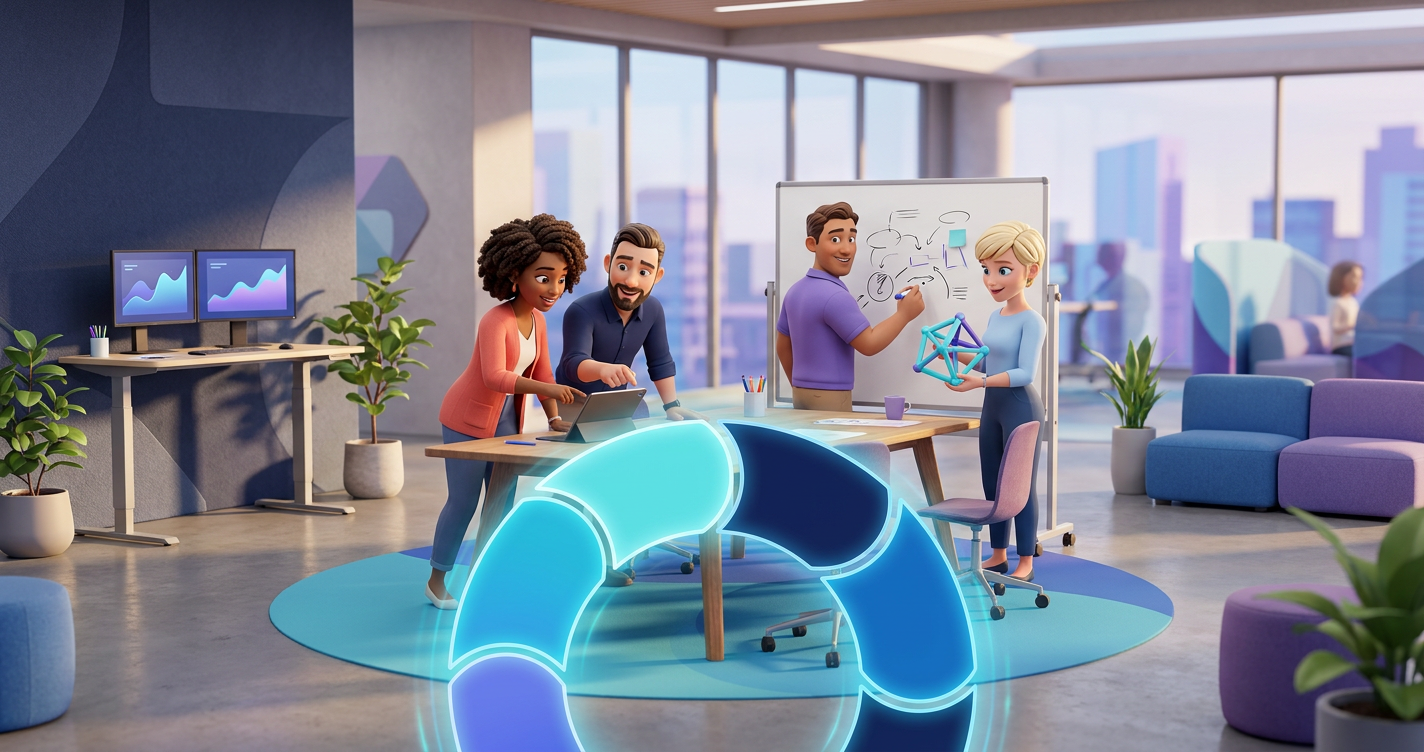
AI coaching software for HR gives every employee a personal coach they can talk to whenever they need one, by voice or text, and gives HR the participation and team-level insight that used to need a consultant. The good platforms sit on behavioural science and adapt to each person's personality; the weak ones are a chatbot with a coaching prompt.
Last reviewed August 2026.
You have probably sat through the generic professional development seminar: half the room on their phones, the other half wondering how the same-for-everyone advice applies to their actual week. It frustrates employees and wastes budget HR then has to justify. The desire to grow is rarely the problem; relevance is, and traditional one-on-one coaching, brilliant as it is, cannot reach a workforce of hundreds or thousands at a price anyone will sign off.
That is the gap AI coaching software has moved into. Done well, it makes development personal for everyone, because a Doer needs different feedback from a Pioneer, and the software knows which one it is talking to.
Under the marketing, a proper platform does two jobs at once. For the individual, it is a coach: a private conversation about a real situation, whether that is a first performance review as a manager, a colleague who keeps talking over them, a promotion decision or a week where everything is on fire. For HR and managers, it is a source of insight: who is using it, how teams fit together by personality, and where friction is likely before it becomes a resignation.
It is worth being clear about the boundaries, because vendors blur them. A coaching platform is different from a learning management system with a chatbot bolted on, and different from an employee assistance program, though it takes pressure off both. And it is coaching rather than clinical care, which any decent platform will say plainly. If a vendor cannot draw those boundaries in one sentence, that tells you something. We have written up the difference between a specialist coach and a general assistant in Hey Compono vs ChatGPT.
For a long time HR development was a blunt instrument. You bought a library of videos, assigned them to everyone, sent a reminder email and hoped. People do not learn in a vacuum, and they do not change behaviour because they watched a three-minute clip on effective communication.
AI coaching software changes the logic. Instead of pushing content at people, it pulls insight from their own work style and meets them where they are, in the middle of a stressful project or in a quiet moment on the train home. When development is personalised, it stops feeling like a chore and starts feeling like a tool people reach for.
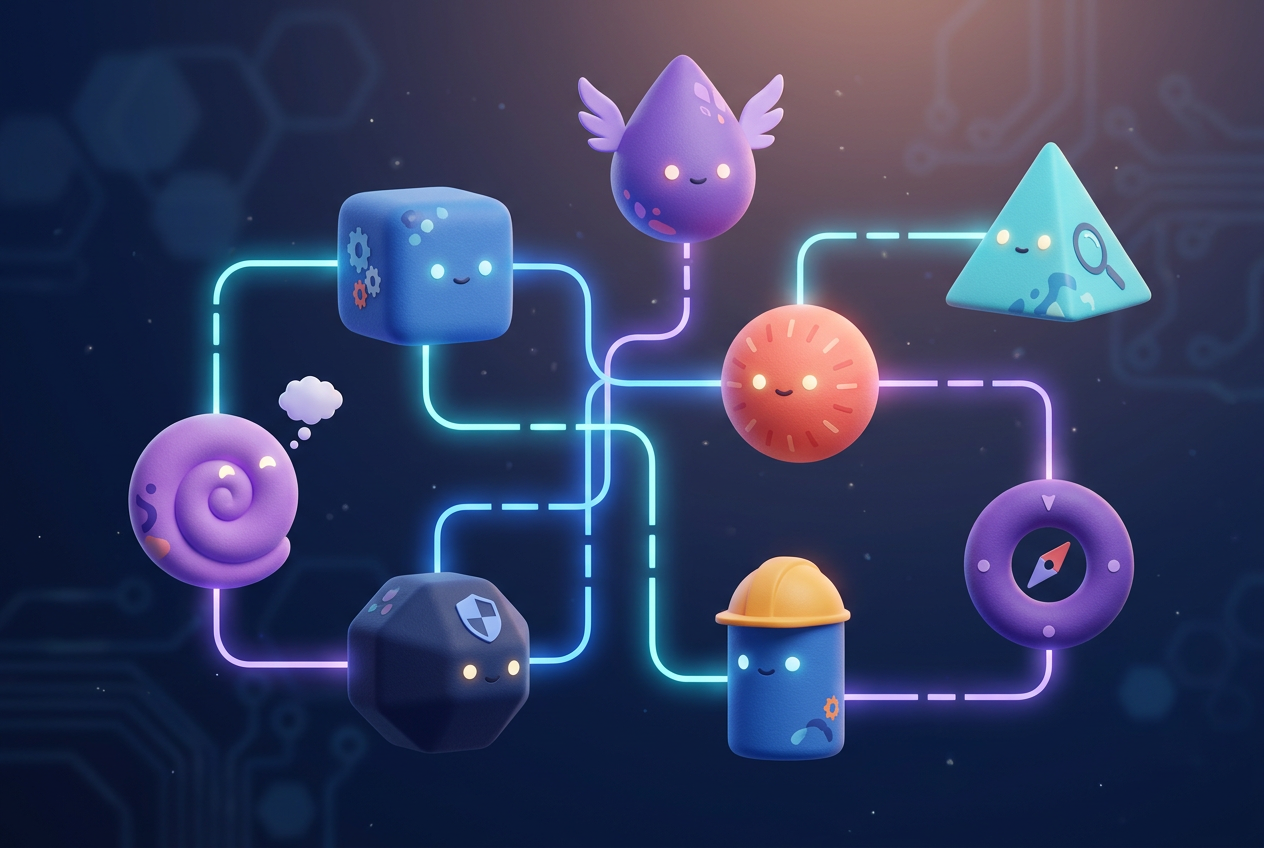
Most software is good at tracking what people do and poor at understanding why they do it. That is the gap the better platforms fill. By building on a framework like Compono's eight work personalities (Doer, Auditor, Helper, Advisor, Pioneer, Campaigner, Evaluator and Coordinator), the software adjusts its tone and its advice to the person in front of it.
Picture the coach giving feedback to an Evaluator. That person wants logic and data, delivered directly, and if the coaching is fluffy they tune out. A Helper needs a more empathetic, relationship-first approach, and if the coach opens with a spreadsheet they feel judged. If the software cannot tell the difference, the coaching fails before it starts.
At Compono we have spent more than a decade researching these differences. When people feel understood at a fundamental level, their openness to coaching goes up sharply. The AI being clever is only half of it. The other half is the organisational psychology underneath, which is what makes the match between the advice and the person hold.
One of the biggest problems HR faces is the mentorship gap. Junior staff are hungry for guidance and your senior leaders are already at capacity. They cannot sit down for an hour a week with ten different people. AI coaching software acts as a force multiplier here.
It does not replace the human mentor, whose lived experience cannot be copied. It handles the daily work of self-awareness instead: how to prep for a difficult one-on-one, how to manage energy in a busy week, how to work with a teammate who has a completely different work personality, how to ask for the promotion without over-explaining. By the time the employee sits down with a human mentor, they have already done the prep, and the conversation goes deeper. And because the coach is available at any hour, growth does not wait for a gap in a manager's calendar. Your first-time managers, the layer that most needs support and least often gets it, feel that difference first.
This is the question your people will ask on day one, so you should ask it of the vendor first. The privacy model that works is simple. Individual coaching conversations stay private to the individual, always. Managers cannot read them, and neither can HR. What the organisation sees is participation (who is using it and how actively) and team-level personality patterns: how the mix of types in a team is likely to communicate, decide, prioritise and clash.
That is enough to be useful. If the pattern shows your Pioneers are boxed in by a new process, or a team of Coordinators has no one pushing for change, you can act before it becomes a retention problem. Annual engagement surveys are out of date by the time anyone reads them; group-level personality insight is live, and it turns HR from a cost centre into the function that can explain why a team is stuck.
The evidence base. Ask what psychological framework sits underneath and whether it draws on real research and data from working teams. If the answer is vague, so will the coaching be.
Real personalisation. Ask for a demonstration of the same question answered for two different personality types. If the answers are the same with a different greeting, it is a chatbot.
Voice as well as text. Hard conversations need rehearsing out loud, and text matters in open-plan offices and quiet moments, so you want both.
The privacy model. Get it in writing: what individuals see, what managers see, what HR sees and what the vendor can see.
Reporting. You need participation and team-level insight you can put in front of an executive, without ever needing to read a conversation.
Reach and fit for your workforce. Ask which languages and time zones it supports, how it handles shift workers, how it fits with your HRIS or single sign-on, and what rollout looks like. Get specific answers rather than a roadmap.
The coaching boundary. Ask how it responds when someone raises something clinical. The right answer is coaching within its limits and a clear hand-off to professional support.
We build Hey Compono Business, so treat this paragraph as a vendor talking. It is an AI coach every employee can talk to by voice or text, and it adapts to each person's work personality because it is built on Compono's eight-type framework and more than a decade of organisational psychology. Every team member, and the manager, gets personality insight on themselves and their team, and admins see participation rather than conversations. It coaches; it does not diagnose or treat, and it says so.
It is a good fit if you want coaching to reach every manager and employee rather than the top table, and if you already suspect the friction on your teams is a personality mismatch no one has named. It is a poor fit if what you actually need is a clinical service or a course catalogue.
The goal of any HR program is a better workplace, and you cannot have a high-performing culture without self-aware people. AI coaching software spreads self-awareness across the whole organisation. It gives everyone the mirror they need to see their own blind spots, without the shame or the corporate jargon.
When everyone on a team understands they are a Doer working with an Advisor, the friction starts to ease. They realise the other person is not being difficult. They just have a different work personality. That shift in perspective is the foundation of psychological safety, and it changes the tone of meetings, feedback, one-on-ones and chat threads in ways you can hear within weeks.
Related reading: Best AI coaching platform for software engineering teams · The complete guide to AI coaching software for L&D
Employee coaching, wellbeing support and team personality insights in one platform, built on organisational psychology.
Talk to usIt is a platform that gives employees personalised coaching conversations, by voice or text, and gives HR participation data and team-level insight. Unlike static training, it adapts to the individual's personality, role, goals and current challenge, and it is available whenever the person needs it.
No. It supports them by handling the daily work of self-awareness and preparation, so managers and mentors can spend their time on the higher-value career conversations only a person can have.
Through participation and engagement data from the platform, alongside the measures you already track such as engagement scores, retention, absenteeism and manager effectiveness. Team-level personality insight also gives you an explanation for patterns those numbers only describe.
It should be, and it is with Hey Compono. Individual coaching conversations stay private to the person. HR and managers see participation and team-level personality patterns, which is enough to act on without reading anyone's conversation.
Individuals often report clearer self-awareness and better conversations within the first few weeks. Change in how a team works together tends to become visible over a quarter or two, and culture shifts take longer than that.
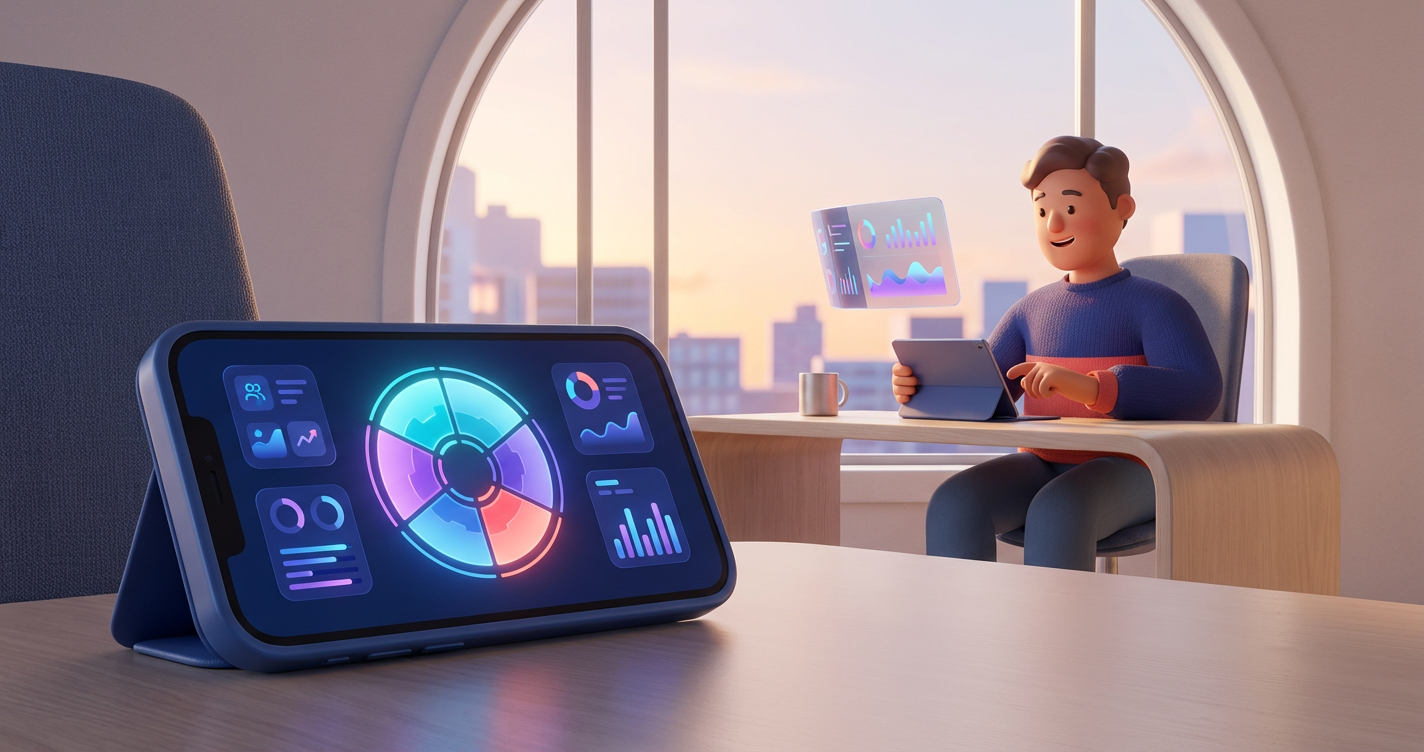
What an AI coaching app does, the four types compared, and how to tell a personality-aware coach from a chatbot with a coaching prompt. Try it free.

What it is like having a coach available between meetings, what AI coaching is good for, and where a human still does it better.

Good coaching does not have to cost a fortune. What you get at each price level, where cheap coaching falls short, and how to judge fit first.