
 Compono
1 min read
What does ai coaching look like for learning and development leads
 Compono
AI coaching for learning and development leads looks like a scalable, data-driven system that provides personalised guidance to every employee based...

The best leadership development approach for nursing is a personality-adaptive model that balances clinical expertise with emotional intelligence and individualised coaching.
In the high-pressure environment of modern healthcare, rigid sets of rules often fail because they don't account for how different people respond to stress, which is why understanding your natural work personality is the foundation for effective ward management. Traditional training often treats leadership as a one-size-fits-all checklist, but nursing requires a more nuanced touch that recognises whether a nurse-leader is naturally a Helper, an Auditor, or a Coordinator.
Key takeaways
- Effective nursing leadership requires moving beyond clinical competence to master personality-adaptive coaching techniques.
- The most successful ward cultures are built when leaders understand the unique work personalities of their diverse nursing staff.
- Leadership development in healthcare must prioritise emotional resilience and self-awareness to reduce burnout and improve patient outcomes.
- Adapting your leadership style – whether Directive, Democratic, or Non-Directive – to the specific clinical situation is a core competency for modern nursing.
You’ve probably been there – promoted to a clinical lead or nurse manager role because you were exceptional at patient care, only to realise that managing a team is a completely different beast. It hits like a tonne of bricks when you realise that being a great nurse doesn't automatically make you a great leader of people. You’re expected to maintain clinical standards, manage complex rosters, and keep morale high, often while being told you’re "too soft" or "too blunt" by different members of your team.
The problem is that most leadership development programmes in nursing are stuck in the past. They focus on administrative tasks and compliance rather than the messy, human reality of working a double shift in a busy ward. We’ve seen many talented nurses feel like they’re failing because they can't get their team to click, but the truth is you aren't broken – you just haven't been given the tools to understand how your brain, and the brains of your staff, actually work.
When you feel misunderstood or overwhelmed by the personalities on your floor, it’s usually because there is a mismatch between your natural leadership style and the needs of the situation. At Compono, we’ve spent over a decade researching how personality influences performance, and we’ve found that the most effective leaders are those who can flex their approach based on who they are talking to. If you’re curious about which traits you default to under pressure, Hey Compono can show you your work personality in about 10 minutes.
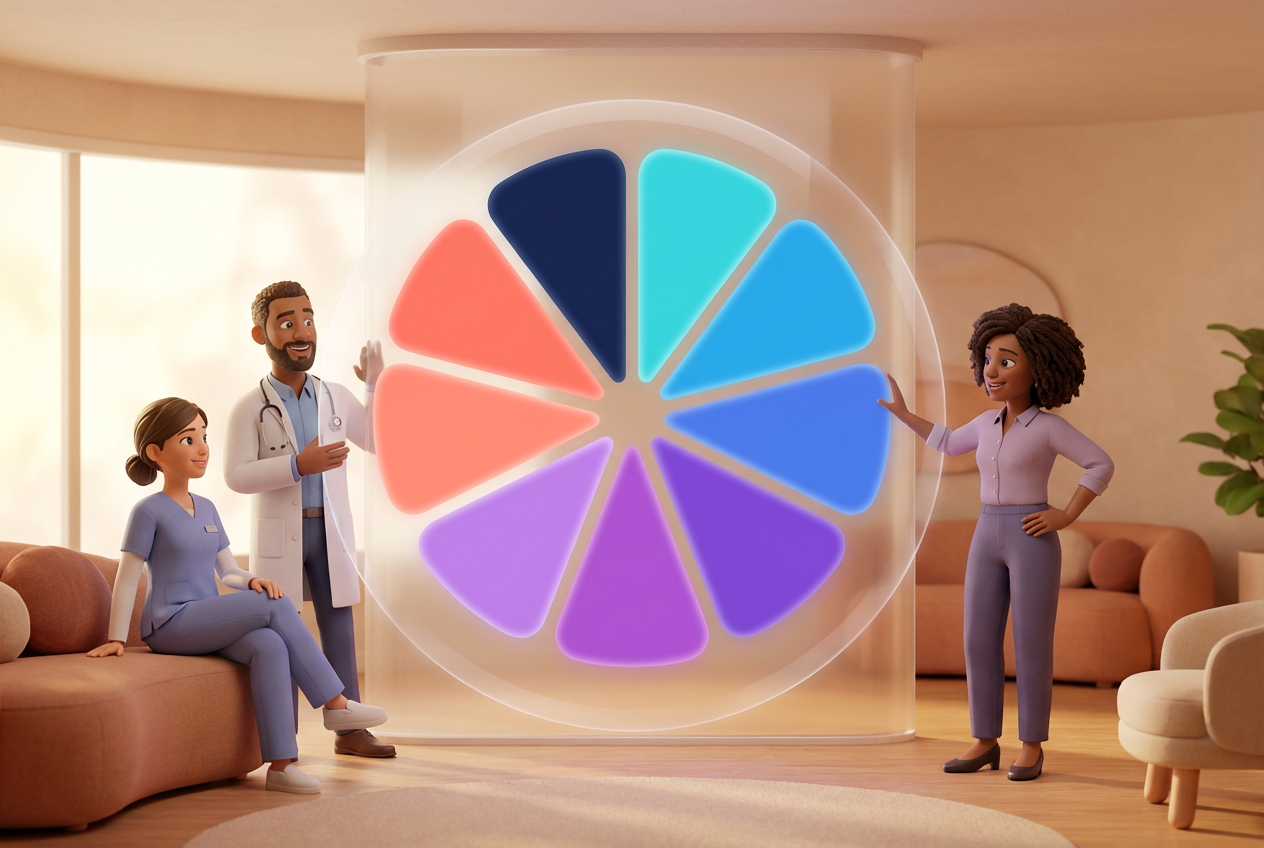
In nursing, the "best" approach isn't a single style; it’s the ability to be what your team needs in the moment. For example, a crisis in the emergency department requires a Directive Leadership style – clear, fast, and firm. However, if you use that same style during a quiet debriefing session, your team will likely shut down. This is where personality-adaptive coaching becomes a game-changer for healthcare professionals.
Consider the eight work personalities we identify at Compono. A nurse who is an Auditor will naturally focus on precision, standards, and detail. They are the ones who ensure every medication chart is perfect. But as a leader, an Auditor might struggle with the ambiguity of team conflict. On the other hand, a Helper leader will excel at maintaining harmony but might find it hard to enforce tough deadlines or discipline. The best development approach teaches you to recognise these traits in yourself first.
By understanding your own profile – whether you are The Coordinator who loves structure or The Advisor who seeks flexibility – you can start to see why certain interactions feel like an uphill battle. Leadership development should be about building this self-awareness so you can lead with intention rather than just reacting to the chaos of the day.
High-performing teams in nursing don't happen by accident. They are the result of deliberate design. Research shows there are eight key work activities that all successful teams must perform – from Evaluating and Coordinating to Helping and Doing. If your nursing team is stacked with Doers but lacks an Evaluator, you might get through the tasks quickly but miss the strategic risks or long-term improvements needed for the ward.
The best leadership development approach for nursing involves mapping these natural preferences across your entire staff. When a nurse manager understands that their "difficult" staff member is actually just a highly detail-oriented Auditor who needs clear instructions to feel safe, the dynamic changes. Instead of conflict, you get collaboration. This shift from judging behaviour to understanding personality is what transforms a toxic ward culture into a supportive one.
Some healthcare teams use personality-adaptive coaching to have these conversations without them getting weird or personal. It moves the focus away from "you're doing this wrong" to "this is how we can work together better based on our natural styles." This is especially vital in nursing, where emotional exhaustion is a constant threat and feeling understood by your leader can be the difference between staying in the profession or quitting.
Flexibility is the hallmark of a great nurse-leader. While you might have a natural tendency toward Democratic Leadership – seeking team input and fostering a harmonious environment – the reality of healthcare is that the situation often dictates the style. Developing this "situational fluency" is the most practical step any nurse can take in their leadership journey.
A Directive approach works when urgency is high and the team is inexperienced. A Democratic approach is best for long-term project planning or improving patient care pathways where you need diverse perspectives. A Non-Directive approach works beautifully with highly experienced, autonomous specialist nurses who just need you to clear the administrative hurdles so they can do their jobs. The best development programmes give you a framework to decide which style to use and when.
If you find yourself stuck in one mode – perhaps you’re always the one taking charge and it’s exhausting you – it’s time to look at why. Often, we lean on one style because it feels safe, not because it’s effective. Real growth happens when you learn to step back and trust your team, or step forward and provide the structure they’re craving. You can learn more about these leadership styles and how they interact with different personalities to refine your own clinical management.
Key insights
- The most effective leadership approach in nursing is personality-adaptive, allowing leaders to flex between directive and democratic styles based on the team's needs.
- Self-awareness is the primary tool for reducing ward conflict – understanding your work personality helps you lead with objective clarity rather than emotional reaction.
- High-performing nursing teams require a balance of all eight work personalities to ensure both clinical precision and team harmony.
- Leadership development should be viewed as a continuous process of adapting to the specific urgency and complexity of clinical situations.
Leadership in nursing is a journey of constant adaptation. It starts with a simple choice to understand yourself and your team on a deeper level. You don’t need to change who you are to be a great leader; you just need to understand how to use your natural strengths more effectively. Start by exploring the different work personalities and see where you and your team fit on the wheel.
The three primary styles are Directive, Democratic, and Non-Directive leadership. Directive leadership involves high control and clear instructions, which is essential in emergencies. Democratic leadership focuses on collaboration and team input for long-term goals. Non-Directive leadership empowers experienced teams with high levels of autonomy.
Your personality dictates your natural "default" leadership style. For example, an Evaluator personality might naturally lead with logic and directness, while a Helper personality might prioritises team harmony. Understanding these defaults allows leaders to purposefully adapt their style to better suit their team and the clinical situation.
Healthcare environments are high-stress and diverse. Personality-adaptive coaching allows leaders to communicate in a way that resonates with each individual nurse’s work personality, which reduces misunderstandings, lowers stress levels, and helps prevent staff burnout by making people feel truly seen and understood.
Yes, leadership style is not a fixed trait but a skill that can be developed. While you will always have a natural preference based on your work personality, you can learn to flex into different styles – such as becoming more directive during a crisis or more collaborative during a team meeting – through self-awareness and practice.
The best way to manage conflict is to move from personal judgment to personality-based understanding. By recognising that conflict often arises from different work personalities (like a detail-oriented Auditor clashing with a big-picture Campaigner), leaders can facilitate conversations that focus on objective work preferences rather than personal flaws.

1 min read
AI coaching for learning and development leads looks like a scalable, data-driven system that provides personalised guidance to every employee based...

1 min read
The best leadership development approach for defence is personality-adaptive coaching that combines rigid situational requirements with the...

1 min read
Developing frontline leaders in an energy business requires a shift from technical oversight to personality-aware coaching that builds trust and...