
 Compono
How do COOs use AI coaching to fix team bottlenecks
 Compono
Most operational friction is two people working in different ways. Here is how AI coaching helps your managers spot it and sort it early.
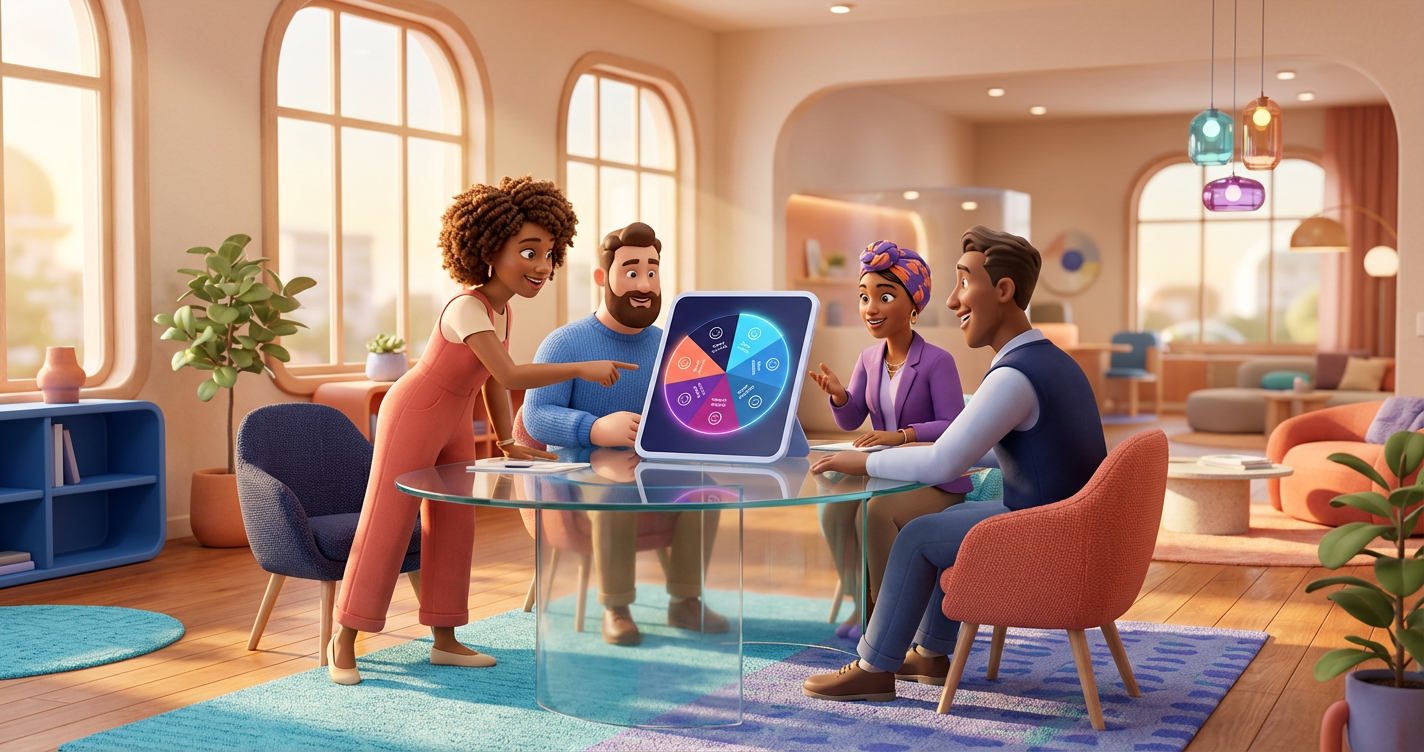
A sustainable competitive advantage is built on the unique collective intelligence and behavioural alignment of your people, rather than just your product or pricing.
While competitors can replicate your software or undercut your margins, they cannot easily copy the way your team thinks, solves problems, and collaborates under pressure. True differentiation in the modern workplace comes from a deep understanding of human dynamics and ensuring every person is in a role that matches their natural cognitive strengths.
Key takeaways
- Competitive advantage is increasingly driven by human capital and organisational culture rather than just tangible assets.
- Understanding individual work personalities allows teams to out-innovate and out-execute competitors by reducing friction.
- Strategic alignment between a person's natural tendencies and their daily tasks creates a high-performance moat that is difficult to replicate.
- Leadership adaptability, moving between directive and democratic styles, is essential for maintaining a motivated, high-output workforce.
You have likely felt that specific type of frustration when a project stalls, not because the tech failed, but because the people involved just weren't on the same page. Maybe you have a visionary who keeps changing the goalposts, or a meticulous detail-seeker who feels rushed and ignored. When these natural work styles clash, your business loses its competitive advantage to internal friction. We often spend thousands of dollars on process optimisation while ignoring the actual humans running those processes.
The reality is that most teams are accidentally built. We hire for skills on a CV but ignore the psychological architecture of the team. If your team is stacked with eight Pioneers but has no Coordinators, you will have plenty of ideas but zero execution. This lack of balance creates a massive opening for your competitors to step in. A truly competitive team isn't just a group of high performers; it is a balanced environment where different work personalities complement each other's blind spots.
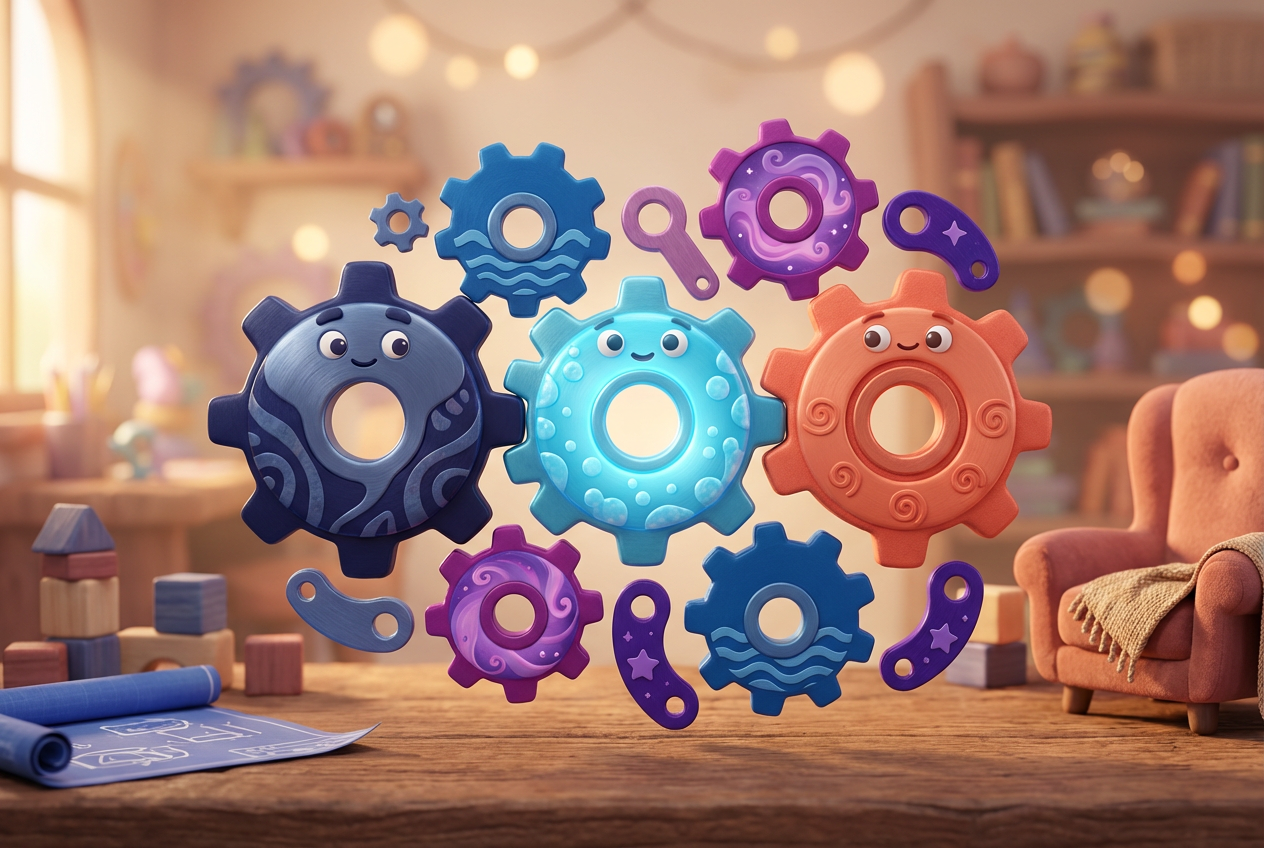
In today's market, features are a commodity. If you release a new tool, a competitor can often build a similar version within months. This is why relying on product features for a competitive advantage is a dangerous game. At Compono, we have spent over a decade researching what actually makes organisations resilient, and the data consistently points back to the 'how' of work, not just the 'what'.
When you focus on the people's side of the equation, you are building a moat. Imagine a team that knows exactly how to communicate during a crisis because they understand each other's stress triggers. That team will always move faster than a group of talented strangers. If you are curious about how your own brain defaults under pressure, Hey Compono can show you your dominant work personality in about ten minutes, helping you understand where you contribute most to your team's edge.
Research into high-performing teams has identified eight critical work activities that must be present for a business to maintain its competitive advantage. These include Evaluating, Coordinating, Campaigning, Pioneering, Advising, Helping, Auditing and Doing. If any of these are missing or undervalued, the team's performance eventually suffers. For example, a team of Campaigners might be great at selling the dream, but without an Auditor to check the fine print, they risk overpromising and under-delivering.
By mapping these activities to individual personalities, you can ensure that the right people are doing the right work. This isn't about fixing people; it is about placing them where they naturally thrive. When a Doer is allowed to focus on execution and a Pioneer is given space to innovate, the collective output increases exponentially. This alignment is what creates a level of efficiency that competitors simply cannot match through traditional management alone.
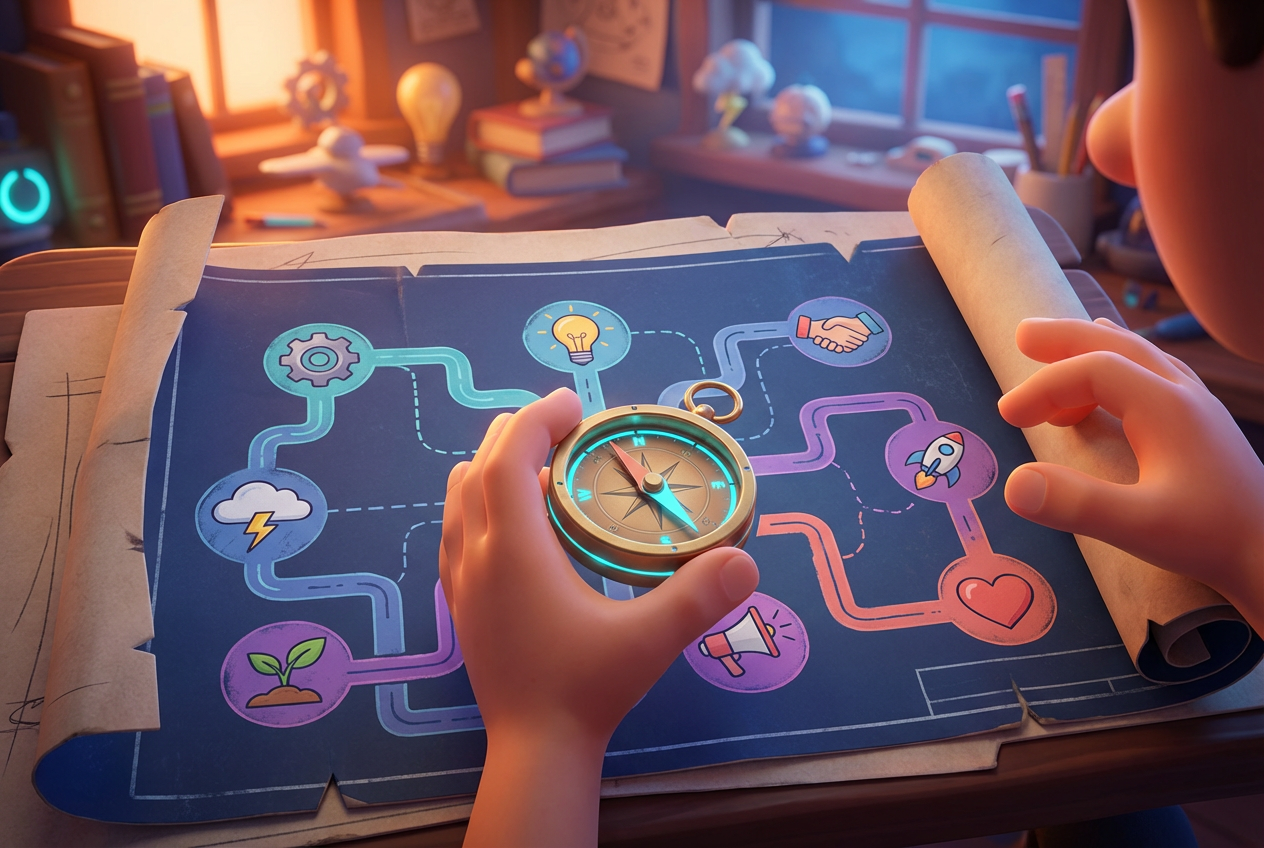
Effective leadership is not a fixed trait, it is a series of strategic adjustments. To maintain a competitive advantage, leaders must be able to shift their style based on the team's needs and the urgency of the task. A directive approach might be necessary during a tight deadline, but a democratic style is better for building long-term innovation. Most leaders default to one style, which can alienate team members who have different work personalities.
For instance, an Evaluator leader might naturally be very direct and logical, which works well for results but might overwhelm a Helper who values harmony and emotional connection. Learning to flex your leadership style is a massive competitive advantage. Teams using Hey Compono find that having a shared language for these behaviours makes it much easier to adapt without it feeling personal or awkward.
The final piece of the competitive advantage puzzle is self-awareness at scale. When an entire organisation understands its collective strengths and weaknesses, it can pivot faster than the competition. This involves recognising that conflict isn't a sign of failure but often a clash of different (and necessary) work styles. A Coordinator and a Pioneer will naturally clash over structure, but that tension is exactly what keeps a project both innovative and on time.
By embracing these differences rather than trying to iron them out, you create a culture that is incredibly hard to disrupt. You aren't just building a company; you are building a high-functioning tribe. This level of organisational health is the ultimate competitive advantage because it allows for sustained high performance without the burnout that usually follows. It starts with a simple step, understanding the personalities in the room and giving them the permission to be exactly who they are.
Key insights
- Product features are easily replicated, but a high-functioning team culture based on personality alignment is a unique, sustainable asset.
- Identifying gaps in the eight core work activities prevents operational blind spots that competitors could exploit.
- Leadership flexibility, the ability to move between directive, democratic, and non-directive styles, is a primary driver of team retention and output.
- Conflict is often a result of mismatched work personalities rather than personal animosity; resolving this through data-driven insights improves speed to market.
Related reading: How to follow through and finish what you start · How to build a transition plan that actually works
Voice or text coaching that adapts to your personality. Start free.
Get started freeWork personality determines how individuals naturally approach tasks and collaboration. When a team’s personalities are balanced and aligned with their roles, the organisation operates with less friction and higher efficiency than competitors who ignore these human dynamics.
Absolutely. A small, highly aligned team that understands its collective work personalities can often out-manoeuvre a larger, fragmented organisation. Speed and psychological safety are often more valuable than raw headcount.
The eight activities are Evaluating, Coordinating, Campaigning, Pioneering, Advising, Helping, Auditing and Doing. Ensuring all these are covered by the right personalities is key to maintaining a strategic edge.
Different market situations and different personality types require different leadership approaches. A leader who can flex between directive and non-directive styles keeps the team engaged and productive regardless of the external pressures.
You can identify gaps by mapping your current team’s work personalities against the eight core work activities. If you find you are missing a specific type, like an Auditor for detail or a Campaigner for persuasion, that is a clear area where your competitive advantage is at risk.

Most operational friction is two people working in different ways. Here is how AI coaching helps your managers spot it and sort it early.
Coaching people you never see in person takes different habits. How to keep development going across time zones, and what to cover in your one on...

Clinical teams clash hardest when the shift is busy. Here is how different personalities react to stress and how to defuse it early.