
 Compono
How to know my strengths and why it matters for your career
 Compono
Most people can list their weaknesses faster than their strengths. How to name what you are genuinely good at and build a career around it.
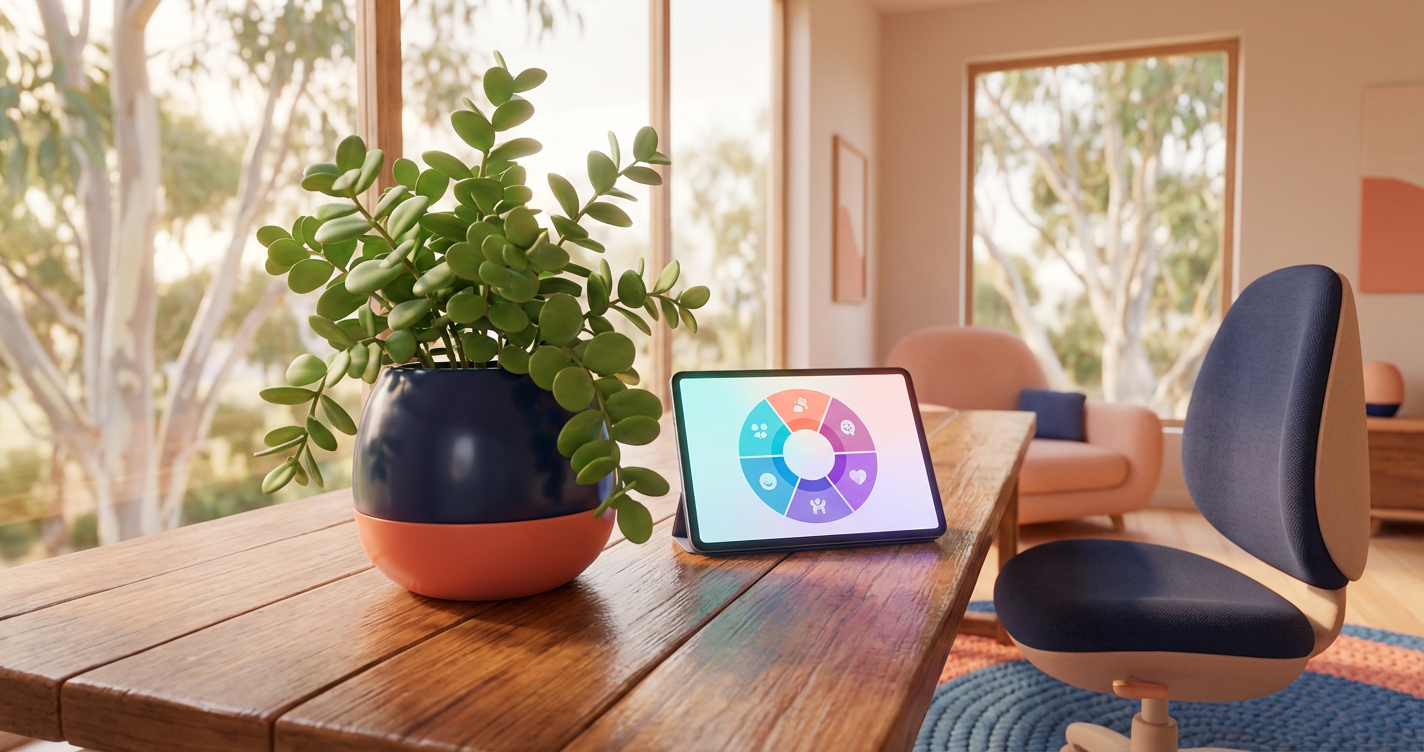
Sustainable change starts with aligning your new behaviours with your natural work personality rather than fighting against your default settings.
Key takeaways
- Sustainable change requires self-awareness of your natural tendencies before attempting to modify long-term habits.
- Most professional growth fails because it relies on willpower instead of structural alignment with your personality type.
- Small, consistent adjustments are more effective for lasting transformation than radical, overnight shifts.
- Understanding your specific work personality helps you identify which types of change will feel natural and which will require more effort.
We have all been there. You attend a seminar, read a leadership book, or have a particularly rough week at the office and decide that everything needs to change. You vow to be more organised, more assertive, or perhaps more empathetic. For three days, you are a powerhouse of transformation. By day ten, you are right back where you started, feeling like you have failed yet again.
The problem is not your lack of discipline. It is that most of us try to force change that goes fundamentally against how our brains are wired. We treat ourselves like software that needs a patch, rather than a complex environment that needs balance. If you are naturally a Pioneer who thrives on chaos and new ideas, forcing yourself into a rigid, minute–by–minute schedule is a recipe for burnout, not growth.
At Compono, we have spent over a decade researching why some people thrive while others feel stuck. We have found that the secret to sustainable change is not about fixing what is broken, because you are not broken. It is about recognising your natural work personality and building a bridge between who you are and who you want to become. When you stop fighting your nature, change stops feeling like a chore and starts feeling like a relief.
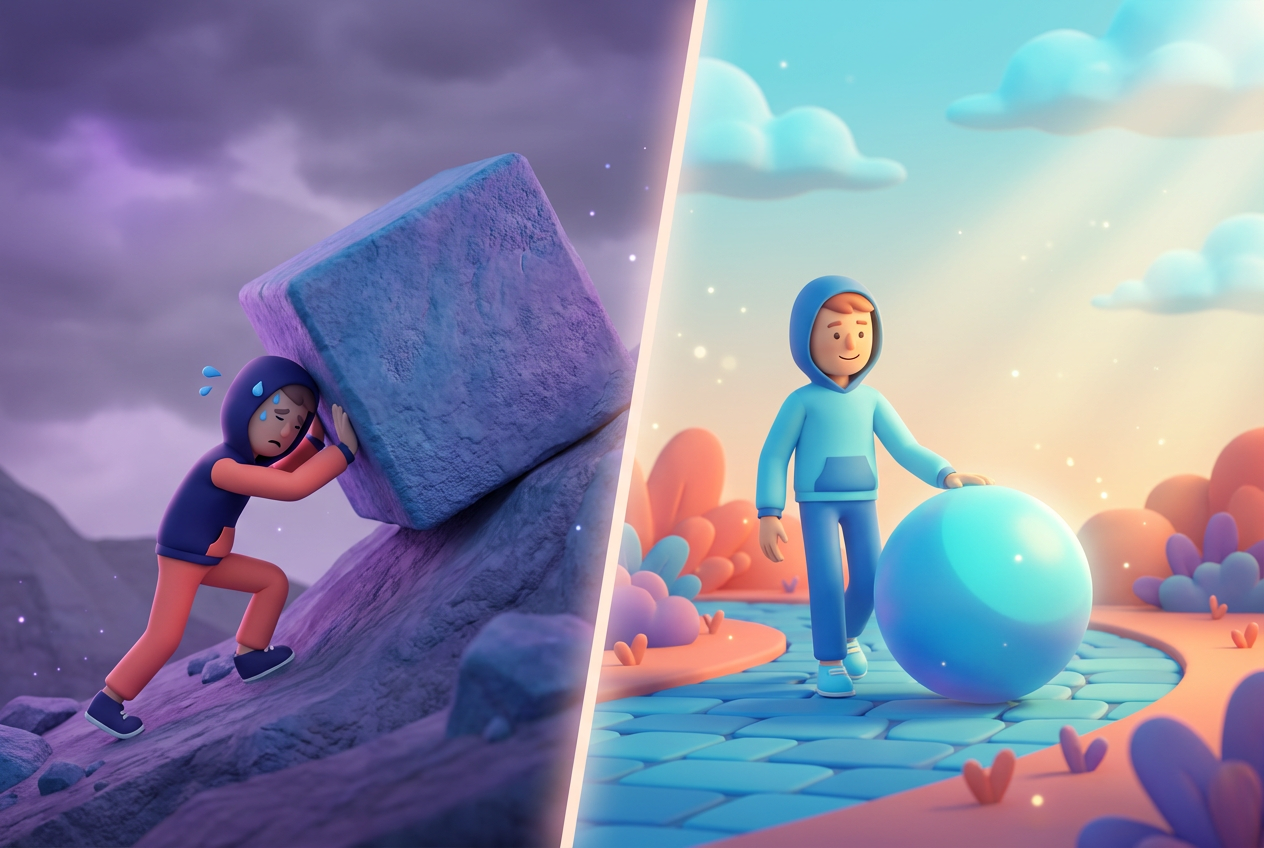
Society loves the narrative of the 'self–made' person who changed their life through sheer grit. But for most of us, willpower is like a phone battery. It is full in the morning, but by the time you have managed three meetings, a difficult conversation with a stakeholder, and a mountain of emails, that battery is in the red. If your plan for sustainable change relies on having high energy 24/7, it is destined to fail.
True, lasting transformation happens when you move the weight from your willpower to your environment and your habits. This is where understanding your personality becomes a superpower. For instance, if you know you are an Auditor, you likely find comfort in details and precision. Instead of trying to 'be more spontaneous', sustainable change for you might look like building a process that allows for 10% 'experimental time' within your structured week.
If you are curious what personality type you default to under stress, Hey Compono can show you in about 10 minutes. Once you have that data, you can stop guessing why your previous attempts at change didn't last. You can start designing a path that actually feels like you, making the process of growth much less exhausting and far more achievable.
Not all change is created equal. A Coordinator will approach a career pivot very differently to a Campaigner. The Coordinator will want a plan, a spreadsheet, and a risk assessment. The Campaigner will want a vision, a story, and a group of people to join them on the journey. Neither approach is 'better', but they are only sustainable if they match the person doing the work.
When we talk about sustainable change in a professional context, we are really talking about alignment. High–performing teams are not made of people who have perfectly 'fixed' their flaws. They are made of individuals who understand their dominant preferences, what we call their work personality, and have learned how to flex those preferences when the situation demands it. It is about being the kind of leader your team can rely on, without losing yourself in the process.
Consider the Evaluator. They are naturally logical and results–driven. For them, sustainable change might involve learning to pause and consider the emotional impact of a decision on their team. This doesn't mean they stop being logical; it means they integrate a new data point, human emotion, into their existing analytical framework. This is how you grow without burning out. You add to your toolkit rather than trying to replace the tools you already have.

To make change last, you need to lower the 'activation energy' required to do the new behaviour. This means making the right choice the easiest choice. If you want to be more collaborative, but you are naturally an Auditor who prefers working alone, don't start by scheduling five group brainstorms a week. Start by asking one colleague for their detailed feedback on a single project. Small wins build the neural pathways needed for bigger shifts.
Sustainable change is also about recognition. We often focus so much on the gap between where we are and where we want to be that we miss the progress we have already made. This is why we lead with vulnerability at Compono. Acknowledging that change is hard, and that it's okay to struggle, is the first step toward actually getting somewhere. You aren't failing; you are learning how your specific brain handles new information.
There is actually a way to figure out which of these patterns fits you, take a quick personality read and see what comes up. When you see your tendencies mapped out in black and white, the 'why' behind your past struggles becomes clear. You can start to see that your 'weaknesses' are often just your strengths being applied in the wrong context. That shift in perspective is often the most sustainable change of all.
Every journey of sustainable change hits a plateau. This is the 'dip' where the initial excitement has worn off, but the results haven't quite shown up yet. This is where most people quit. However, if you understand your work personality, you can predict how you will react to this dip. A Doer might become frustrated by the lack of immediate, practical results. A Helper might feel discouraged if they don't feel immediate support from those around them.
By anticipating these reactions, you can put guardrails in place. If you know you are a Pioneer who gets bored once the 'newness' of a project fades, you can plan to introduce a new element to your routine at the three–week mark to keep yourself engaged. This is not 'hacking' your brain; it is respecting it. It is acknowledging that you have a specific way of interacting with the world and working within that framework to ensure you reach your goals.
Sustainable change is a marathon, not a sprint, but it is a marathon you are actually equipped to run. You don't need to become a different person to be successful. You just need to become a more aware version of the person you already are. At Compono, we have seen thousands of professionals transform their careers not by changing who they are, but by changing how they use their natural gifts.
Key insights
- Willpower is a finite resource that should not be the primary driver of change; instead, rely on personality–aligned systems.
- Sustainable change occurs when you stop trying to 'fix' your personality and start using your natural strengths.
- Aligning professional growth with your specific work personality, such as being a Coordinator or a Pioneer, prevents burnout and increases success rates.
- Small, incremental adjustments that respect your 'activation energy' are the most effective way to build lasting habits.
- The 'dip' in transformation can be managed by predicting your personality–based reactions to frustration or boredom.
Related reading: How to find clarity in your career and life · How to build a sustainable creative career
Career change coaching that starts with your personality, not a template. Start free.
Get started freeSustainable change is the process of making long–term shifts in behaviour or mindset that stick because they are aligned with your natural personality and values, rather than relying solely on willpower.
Most people fail because they try to implement changes that conflict with their natural work personality. When you fight your default settings, you eventually run out of the mental energy required to maintain the new behaviour.
You can identify your work personality by using tools like Hey Compono, which uses evidence–based assessments to map your dominant preferences across eight key work activities, such as Campaigning, Doing, or Advising.
While your core personality is relatively stable, you can learn to 'flex' your style. Sustainable change is about adding new skills to your existing personality framework rather than trying to delete and replace your natural traits.
There is no magic number of days, but change becomes sustainable when it requires less conscious effort. By aligning new habits with your work personality, you can often reach this point faster because the new behaviours feel more 'right' to you.
Yes, teams can achieve sustainable change by understanding the collective personality mix of the group. This allows leaders to assign tasks and implement processes that play to everyone's natural strengths, reducing friction and increasing long–term performance.

Most people can list their weaknesses faster than their strengths. How to name what you are genuinely good at and build a career around it.
Most career goals fade a few weeks in. How to set goals that match your working style, and keep a review habit that actually moves them along.

Managing dependents while building a career is a juggle. Learn how to balance family needs and work performance with self-awareness and better...