
 Compono
Healthcare recruitment interview prep: your NSW guide
 Compono
Interview prep for a healthcare recruitment agency in NSW goes beyond clinical skills. Get practical steps to prepare and show you're the right fit.
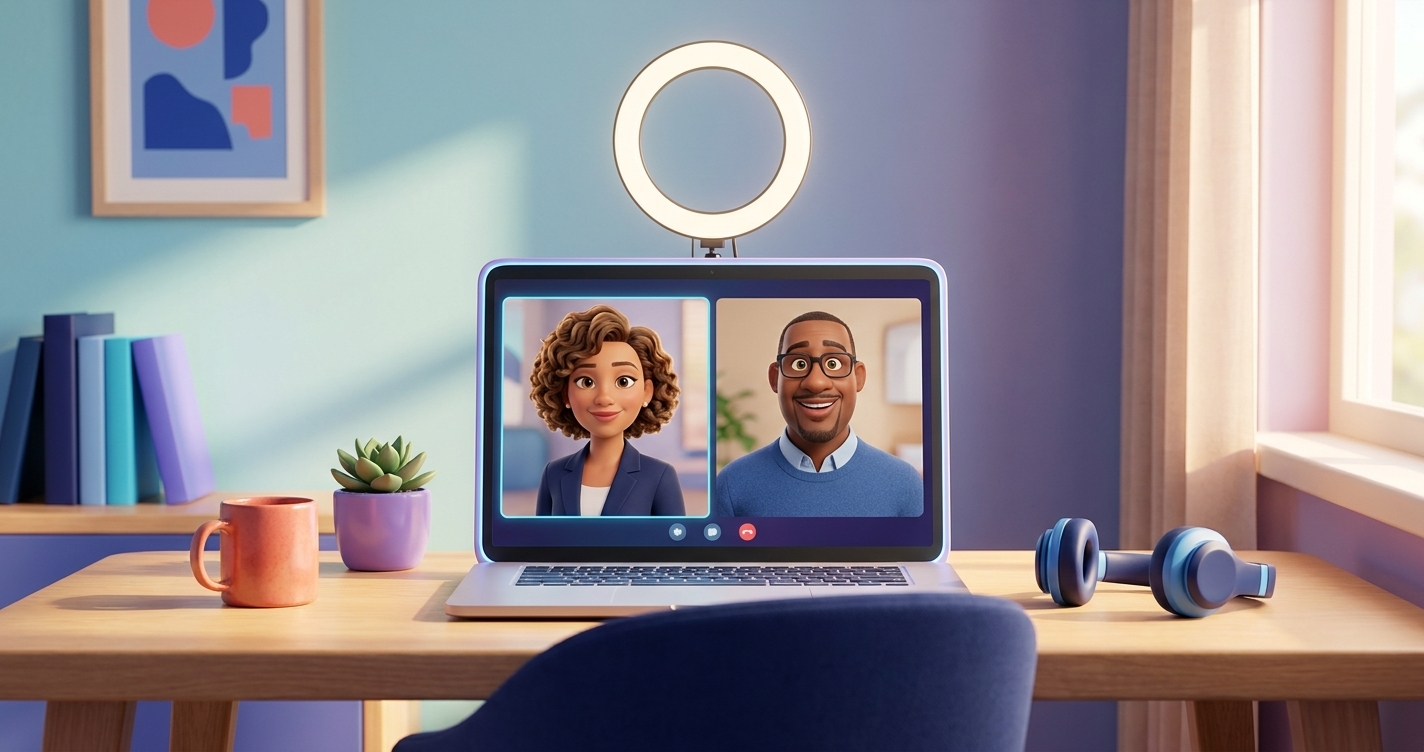
Video interview practice is the process of rehearsing your answers, testing your technology, and adapting your natural communication style to a digital format before a real job interview.
Key takeaways
- Video interviews require a different communication style than in-person meetings.
- Recording yourself helps identify distracting physical habits and pacing issues.
- Understanding your natural work personality allows you to adjust how you present on camera.
- Technical rehearsals prevent the most common virtual interview failures.
- One-way video screenings demand higher energy to compensate for the lack of human feedback.
Staring at a webcam while trying to sound natural is an inherently weird experience. You are sitting in your own home, talking to a piece of glass, and trying to convince a stranger that you are the right person for a job. There is a slight audio delay. You can see your own face in the corner of the screen. The normal physical cues you rely on to read a room are completely missing.
It is no surprise that many highly capable professionals freeze up as soon as the recording light turns red. The environment strips away your natural charisma and forces you to communicate through a digital filter. But virtual hiring is the new default. Rehearsing your approach is the only way to bridge the gap between how you sound in your head and how you appear on a screen.
Virtual hiring has moved from a temporary backup plan to the primary way companies screen candidates. Research shows that 86% of organizations use video interviews at some stage of their hiring process. If you are applying for a new role, you will almost certainly face a camera before you ever see the inside of an office.
These interviews generally fall into two categories. The first is a live two-way conversation using software like Zoom or Teams. This mimics a traditional interview, just with the added friction of internet latency and screen fatigue. The second is the one-way asynchronous interview. You are given a prompt on screen and have a few minutes to record your answer into a void, with no human on the other end to nod or smile.
This second format is particularly brutal for candidates. In fact, 31.4% of candidates have abandoned an application or declined an interview because of a one-way AI video or chatbot screening. It feels unnatural to manufacture enthusiasm for a machine. Proper video interview practice helps you build the muscle memory required to project confidence even when you feel entirely disconnected from the process.
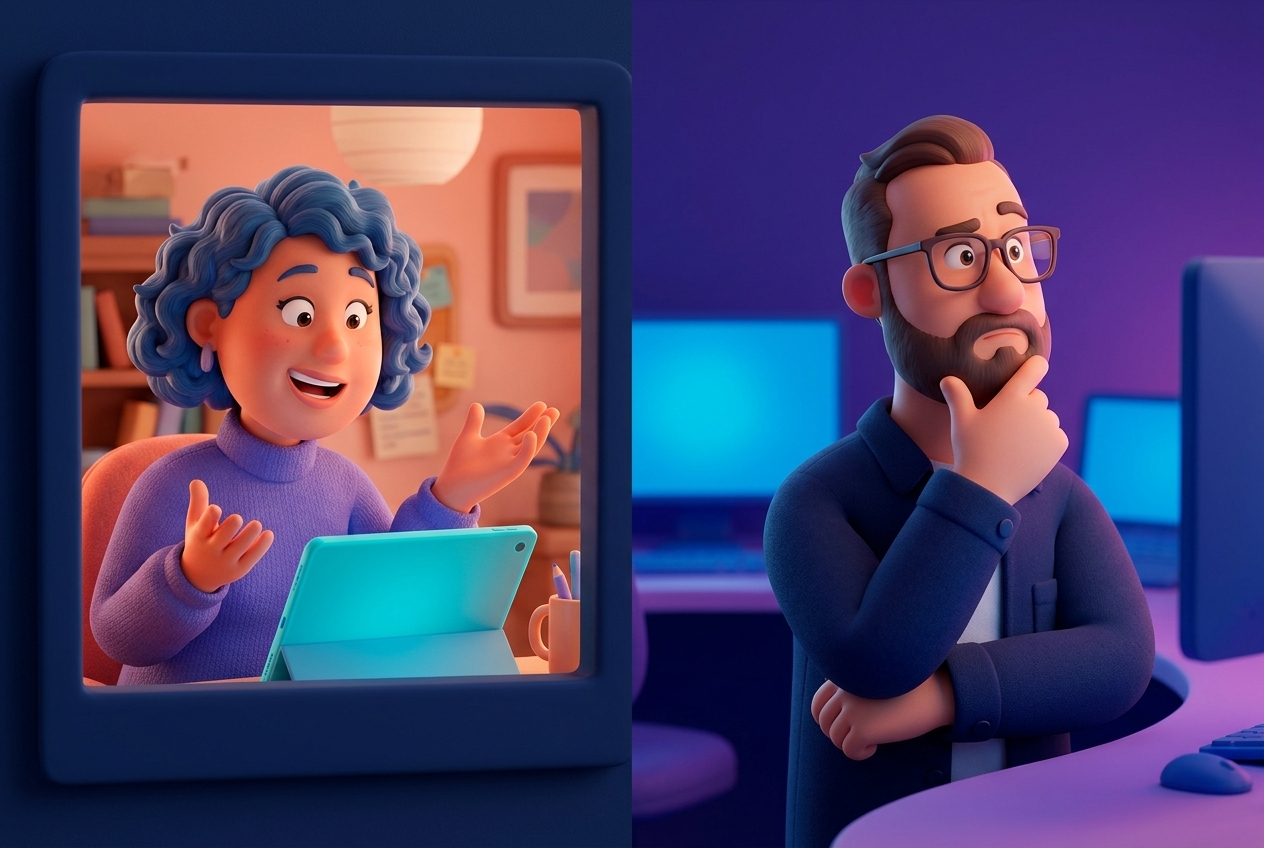
The biggest mistake people make during video interview practice is focusing entirely on what they are going to say, rather than how they are going to say it. A webcam has a flattening effect on human behaviour. It drains your energy and amplifies your nervous habits.
Your natural work personality dictates how you handle this pressure. If you are someone who naturally brings high energy and talks with your hands – what we call a Campaigner – a tight camera frame can make you look frantic. You might need to practise keeping your movements contained and slowing your speech. On the other hand, if you are highly analytical and detail-oriented – an Auditor – you might naturally look away from the camera while thinking deeply about an answer. On video, looking away for too long signals disengagement or a lack of confidence.
If you are unsure how you naturally communicate under pressure, taking a work personality assessment can highlight your default behaviours. Once you know your baseline, you can consciously adjust your delivery for the camera. You learn to lean into your strengths while smoothing out the quirks that a webcam tends to exaggerate.
You can have the best answers in the world, but if your microphone sounds like you are underwater, the hiring manager will struggle to pay attention. Technical issues immediately derail your focus and ruin your pacing. Data shows that 62% of candidates have experienced technical difficulties during a virtual interview.
Your video interview practice must include a full technical dress rehearsal. Test your internet connection in the exact spot you plan to sit. Position your main light source in front of you, never behind you. Elevate your laptop so the webcam is at eye level – looking down at the camera creates an unflattering angle and makes you appear intimidating.
Audio is actually more important than video. People will forgive a slightly grainy image, but they will not tolerate bad sound. Use headphones with a dedicated microphone if your laptop audio is echoey. Close every other application on your computer to prevent notification sounds from interrupting your train of thought.
Reading your answers quietly from a screen is not practice. You have to speak the words out loud to find out where you stumble. The most effective way to prepare is to record yourself answering common behavioral questions and force yourself to watch the playback.
Watching yourself on video is uncomfortable. You will notice how often you say "um," how much you fidget, and whether your face looks as enthusiastic as you feel. This immediate feedback loop is exactly why recording yourself works. You can spot the disconnect between your internal feelings and your external presentation.
Practise looking directly into the camera lens, not at the faces on the screen. When you look at the screen, it appears to the interviewer that you are looking slightly downward. Looking into the lens simulates direct eye contact, which builds trust. You can place a small sticky note with a smiley face right next to your webcam to remind you where to direct your attention.
The silence in a video interview is heavy. In a physical room, you can read body language, hear a sharp intake of breath, or notice a slight shift in posture to gauge how your answer is landing. On a video call, a slight internet delay can make a natural pause feel like a brutal rejection.
You have to get comfortable with the silence. When you finish your answer, stop talking. Do not ramble just to fill the dead air while the interviewer mutes their microphone to type a note. Trust your preparation.
Despite the awkwardness, the people on the other side of the screen are looking for the exact same qualities they would look for in person. 60% of hiring managers believe video interviews are just as effective as in-person meetings for evaluating candidates. They want to see competence, cultural fit, and clear communication. You can use Hey Compono to understand your stress responses and learn how to project those qualities even when the format feels intimidating.
Understanding your default communication style is the secret to better video interview practice. When you know how you naturally come across, you can adjust your approach to make a stronger impression on camera.
Related reading
The most effective method is to record yourself answering common interview questions and watch the playback. This helps you identify nervous habits, check your pacing, and ensure your body language matches your words. Setting up a mock interview with a friend using the actual software you will be tested on is also highly recommended.
One-way interviews require you to manufacture your own energy because you get no feedback from a human interviewer. Practise speaking slightly louder and with more enthusiasm than you normally would. Keep your answers concise, as you often have a strict time limit for each recording.
You should look directly into the webcam lens when you are speaking. This creates the illusion of direct eye contact for the interviewer. When the interviewer is speaking, it is fine to look at their face on the screen to read their expressions.
Familiarity reduces awkwardness. The more time you spend recording yourself and watching it back, the less confronting it becomes. Focus on the value of what you are saying rather than hyper-analysing your appearance. Hiding your self-view during the actual interview can also prevent you from getting distracted by your own face.
Stay calm and address the issue immediately. If your audio drops out or the screen freezes, politely interrupt to let them know you are experiencing a technical issue. It is always a good idea to ask for a phone number at the start of the interview so you can call in if your internet connection completely fails.
Interview prep for a healthcare recruitment agency in NSW goes beyond clinical skills. Get practical steps to prepare and show you're the right fit.
Learn how to practise interview questions with AI to get instant feedback, simulate real scenarios, and walk into your next job interview with...
Discover how an AI interview practice app can boost your confidence and help you prepare for modern recruitment processes.