
 Compono
Manager Coaching Software: The 2026 Buyer's Guide
 Compono
Discover how manager coaching software improves team performance and retention. Get actionable steps to choose the right platform for your leaders in...

An AI executive coach is a digital platform that uses artificial intelligence to provide personalised leadership guidance, real-time feedback, and career development to professionals at scale.
Key takeaways
- An AI executive coach offers a judgment-free space where leaders can discuss insecurities and knowledge gaps without fear of performance anxiety.
- While traditional coaching is often restricted to senior management due to cost, AI coaching can be scaled across the entire workforce simultaneously.
- Organisations implementing these tools report significant cost reductions and rapid returns on investment within the first year of deployment.
- The most effective platforms adapt their communication style to match the specific work personality of the individual user.
Leadership can be an incredibly isolating experience. When you step into a management role, the dynamic with your peers changes immediately. You can no longer vent to your team about your imposter syndrome or admit when you have absolutely no idea how to handle a difficult stakeholder. You are expected to have the answers, even when you are figuring out the questions in real time.
Traditional executive coaching has always been the standard solution to this problem. Having a dedicated professional to act as a sounding board is highly effective. The issue is access. Human coaching requires a massive financial investment, meaning it is usually reserved for the C-suite or a handful of high-potential directors. The middle managers – the people who actually run the day-to-day operations and face the most friction – are left to figure it out on their own.
This access gap is exactly why digital coaching platforms have gained so much traction. The broader global executive coaching and leadership development market is projected to reach USD 112.98 billion by 2026, and technology is driving a massive portion of that growth.
There is a psychological barrier built into traditional coaching that rarely gets discussed. When you sit down with a highly paid, highly respected human coach, there is a natural instinct to perform. You want them to think you are competent. You might filter your fears or downplay your mistakes because you are worried about being judged.
One of the biggest advantages of an AI executive coach is the complete absence of judgment. A machine does not care if you ask a basic question. It does not judge you for feeling overwhelmed by a standard performance review. You can talk freely about your dreams, your frustrations, and your concerns much easier than if you were dealing with a human being.
You can admit that you are terrified of an upcoming board presentation. You can confess that a specific team member intimidates you. The AI simply processes the input and helps you build a script or a strategy to handle the situation. This level of psychological safety allows leaders to address their actual weaknesses rather than the sanitised version they present to human mentors.
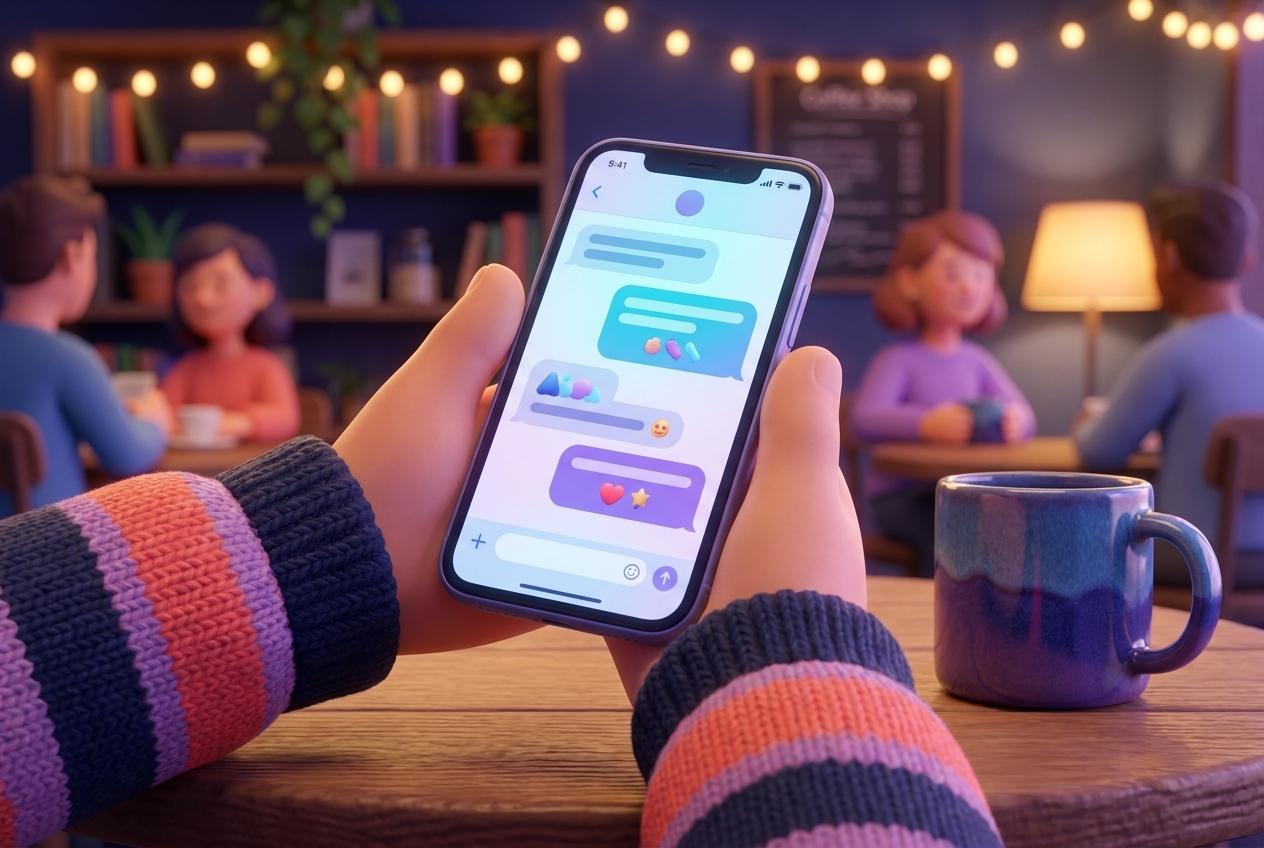
The math behind traditional coaching is fundamentally limited by human bandwidth. Your best human coach might be able to serve 20 leaders effectively. An AI executive coach can serve 20,000 people simultaneously, providing personalised guidance to every single one of them at 2:00 AM or 2:00 PM.
This scalability is changing how companies think about professional development. Instead of waiting until someone reaches the executive level to give them support, organisations can provide coaching to first-time managers on day one. This proactive approach prevents bad management habits from forming in the first place.
The corporate world has already recognised this shift. Industry data shows that 67% of Fortune 500 companies have piloted or deployed AI coaching programs. They are not doing this to replace their human coaches; they are doing it to democratise access to leadership development across all levels of the business.
Budget constraints are usually the primary reason companies hesitate to expand their coaching programs. Human coaching requires a high hourly rate, travel expenses, and significant administrative overhead to manage scheduling and feedback loops.
Digital platforms alter the financial equation entirely. The data on this is highly compelling for procurement teams and HR directors alike. Analysis indicates that 89% of companies using AI coaching report positive ROI within 12 months. Furthermore, these organisations report a 64% cost reduction compared with their traditional coaching programs.
This does not mean human coaching is obsolete. Research from The Conference Board indicates that AI can provide up to 90% of day-to-day coaching functions. That leaves the remaining 10% – the highly nuanced, deeply complex career interventions – for human experts. By offloading the routine guidance to an AI executive coach, companies can reserve their expensive human coaching hours for the moments that truly require a human touch.
A generic list of leadership tips is useless in a crisis. If you are dealing with a difficult situation, you do not want a textbook answer; you want advice that actually makes sense for your brain. This is where personality awareness becomes highly relevant in digital coaching.
Consider how different people process information. If you are naturally a "Doer", you want immediate, practical steps to fix a bottleneck. You want a checklist. If your default is "The Pioneer", you want a sounding board to bounce around unconventional ideas without someone immediately telling you to be realistic. If you are "The Helper", you need advice on how to enforce boundaries without damaging team harmony.
The most effective coaching happens when the advice matches the recipient's natural working style. Some organisations use Hey Compono to map these baseline personality traits across their teams. Understanding whether someone is an Evaluator or a Campaigner provides the necessary context for how they will receive feedback and what kind of coaching they actually need.
Human coaching usually happens on a schedule. You might meet with your coach every second Thursday at 10:00 AM. But leadership crises rarely respect your calendar. When a major conflict erupts on a Tuesday afternoon, waiting nine days to discuss it with your coach is not a viable option.
An AI executive coach is available in the exact moment of need. It provides just-in-time support when emotions are high and decisions need to be made quickly. You can role-play a difficult conversation five minutes before you walk into the meeting room. You can draft an apology to a client and have the AI review it for defensive language before you hit send.
This immediacy accelerates the learning process. Instead of reflecting on a situation weeks after the fact, leaders can apply coaching frameworks in real time. Hey Compono helps individuals identify their default stress behaviours, making it easier to recognise when they need to pause and seek this kind of immediate guidance before reacting poorly.
The conversation around artificial intelligence often devolves into a debate about machines replacing humans. In the context of executive coaching, this is the wrong framing. The future of leadership development is undeniably hybrid.
The AI handles the daily friction. It helps managers prepare for 1-on-1s, structure their feedback, and manage their time. It provides a safe space for embarrassing questions and immediate support during minor crises. The human coach handles the deep identity work. They help leaders navigate complex political dynamics, manage severe burnout, and figure out their long-term career trajectory.
When you combine the two, you get a support system that is both deeply personal and endlessly scalable. You give your leaders the tools they need to succeed on a daily basis, while keeping the human experts available for the moments that matter most.
Key insights
- AI coaching platforms provide psychological safety, allowing leaders to be completely honest about their weaknesses without fear of judgment.
- The technology democratises professional development, moving coaching from an exclusive executive perk to a company-wide resource.
- Digital coaching delivers significant financial benefits, with the vast majority of companies seeing positive returns within the first year.
- Effective coaching must account for individual work personalities – a Doer requires different guidance than an Advisor.
- The most successful organisations use AI for daily, just-in-time support while reserving human coaches for complex, high-stakes interventions.
If you want to understand how your team naturally works before rolling out new development tools, we can show you the baseline data you need to make informed decisions.
Related reading
An AI executive coach is not designed to completely replace human coaching. It is built to handle the day-to-day guidance, role-playing, and immediate feedback that managers need between scheduled sessions. Human coaches remain essential for navigating complex emotional issues, deep career planning, and highly nuanced organisational politics.
Enterprise AI coaching platforms are built with strict privacy and security protocols. The conversations you have with the AI are typically encrypted and anonymised. Employers generally only see aggregated data about the topics being discussed across the company, not individual transcripts. Always check the specific privacy policy of the tool your company provides.
These platforms are trained on vast datasets of organisational psychology, management theory, and proven coaching frameworks. When you ask a question, the AI draws on these established methodologies to guide you through problem-solving, rather than just giving you a generic list of instructions.
You can use it for almost any daily management challenge. Common use cases include preparing for difficult performance reviews, figuring out how to delegate tasks effectively, drafting sensitive communications, or simply venting about a frustrating stakeholder to process your emotions before responding.
Because the AI provides immediate, actionable advice, many users report feeling more confident in their decision-making within the first few days of use. At an organisational level, most companies report seeing positive behavioural changes and a strong return on investment within the first 12 months of deployment.

Discover how manager coaching software improves team performance and retention. Get actionable steps to choose the right platform for your leaders in...
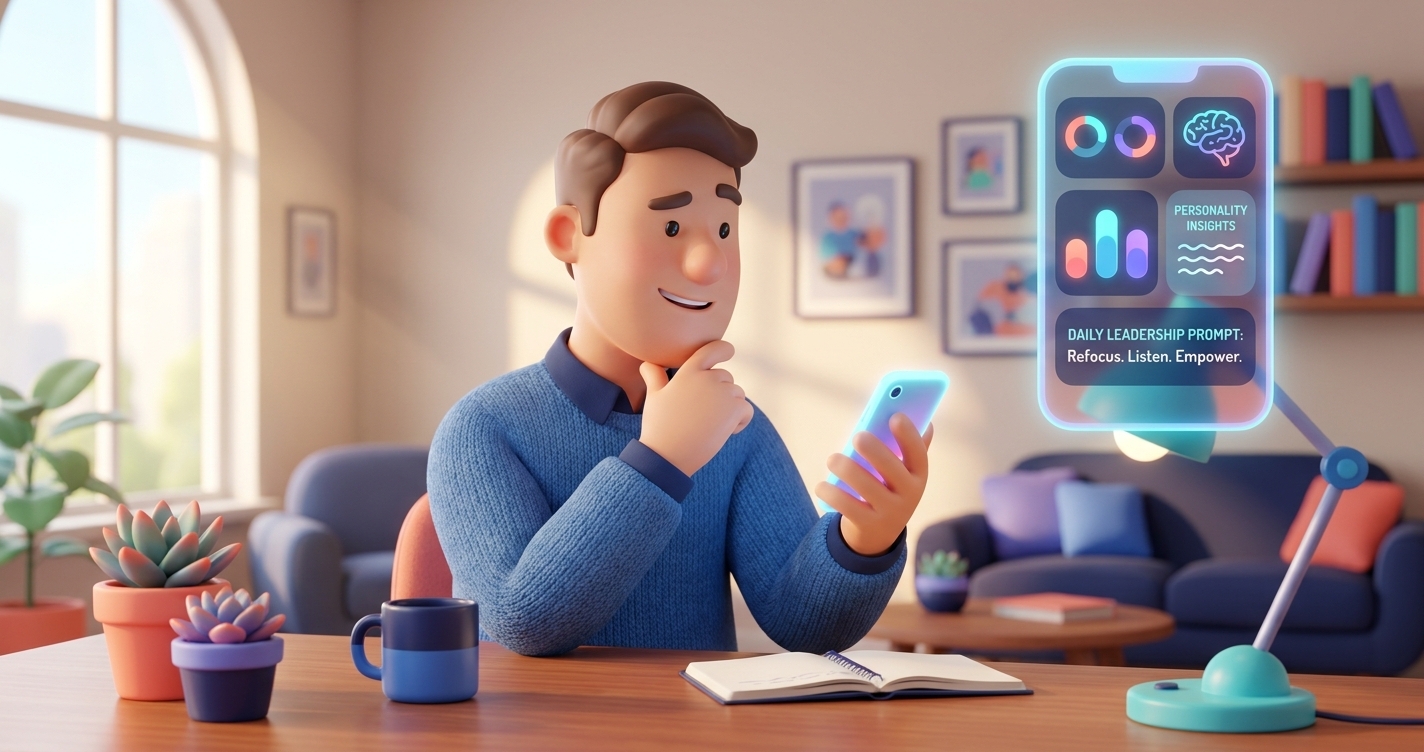
A leadership coaching app should fit how you manage rather than hand out generic advice. What to check before you pick one and where they fall short.
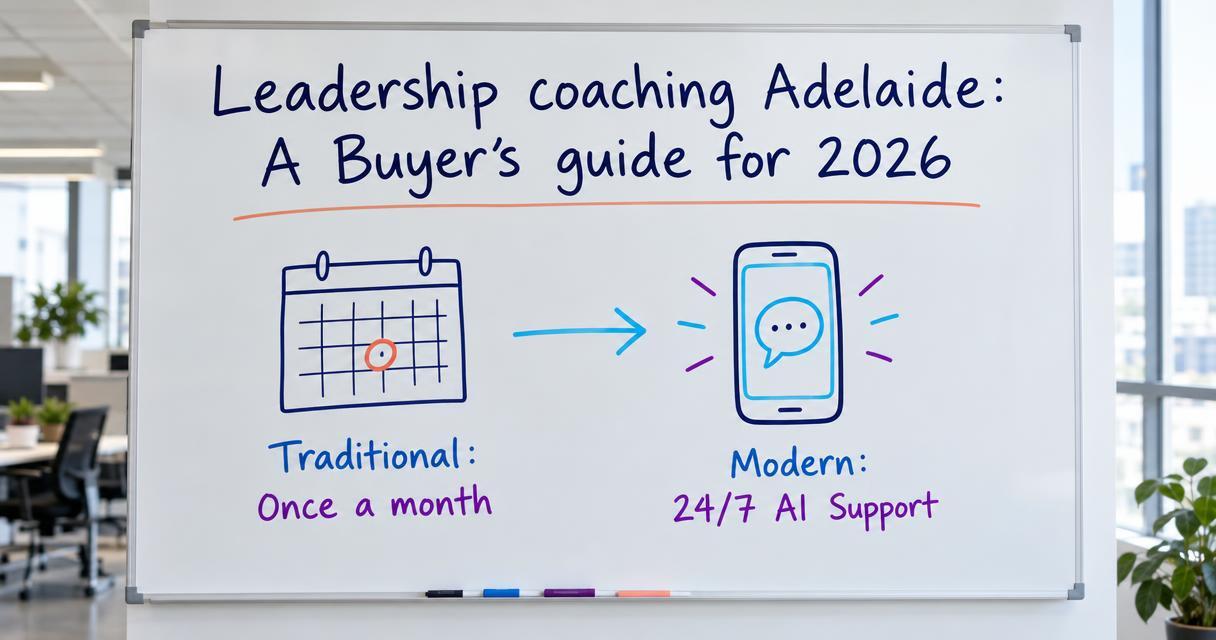
Searching for leadership coaching in Adelaide? Discover why modern teams are shifting from expensive traditional coaching to accessible.
 Mathan Allington