
 Mathan Allington
How to prepare a candidate for a second interview: a guide
 Mathan Allington
To prepare a candidate for a second interview. Discover recruiter frameworks for panel dynamics, competency coaching and presentation practice.
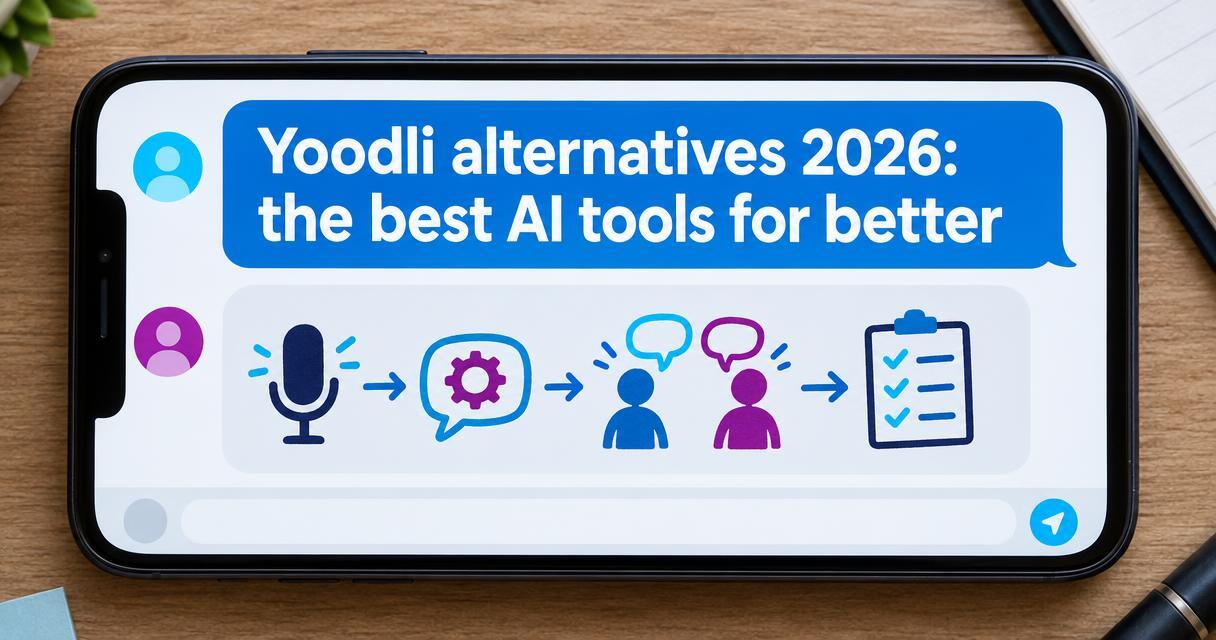
If you are looking for Yoodli alternatives, you are likely hitting the limits of speech coaching and want a tool that helps you master what you actually say in high-stakes conversations.
Last reviewed November 2026
Key takeaways
- Speech coaches focus on how you sound, whilst conversational AI helps you figure out what to say.
- Real-time meeting assistants provide live feedback, but they can be distracting when you need to focus on the person in front of you.
- The best tool for your team depends on whether you are preparing for public speaking, sales pitches, or difficult management conversations.
- Understanding your work personality changes the type of communication feedback you need most.
- Practising with adaptive AI before a big conversation significantly improves your performance and confidence.
Many people start using tools like Yoodli to stop saying "um" and "ah" during meetings. You upload a video or connect your calendar, and the software tells you if you spoke too fast or used too much filler language. For pure speech mechanics, this approach is helpful. It brings awareness to bad habits that distract your audience.
But coaching how you sound is not the same as building conversational skill. Eventually, you realise that sounding polished does not matter if your message misses the mark, or if you freeze when someone asks an unexpected question. People often look for a Hey Compono alternative or a Yoodli alternative because they need to practise the actual back-and-forth dialogue of a difficult interaction. They want to test their arguments, refine their answers, and learn how to handle pushback.
Whether you are preparing for a job interview, delivering a critical performance review, or trying to secure a larger budget, the words you choose matter more than your speaking pace. You need a platform that evaluates your logic, empathy, and clarity. Below, we break down the top alternatives on the market in 2026, categorised by what they actually help you achieve.
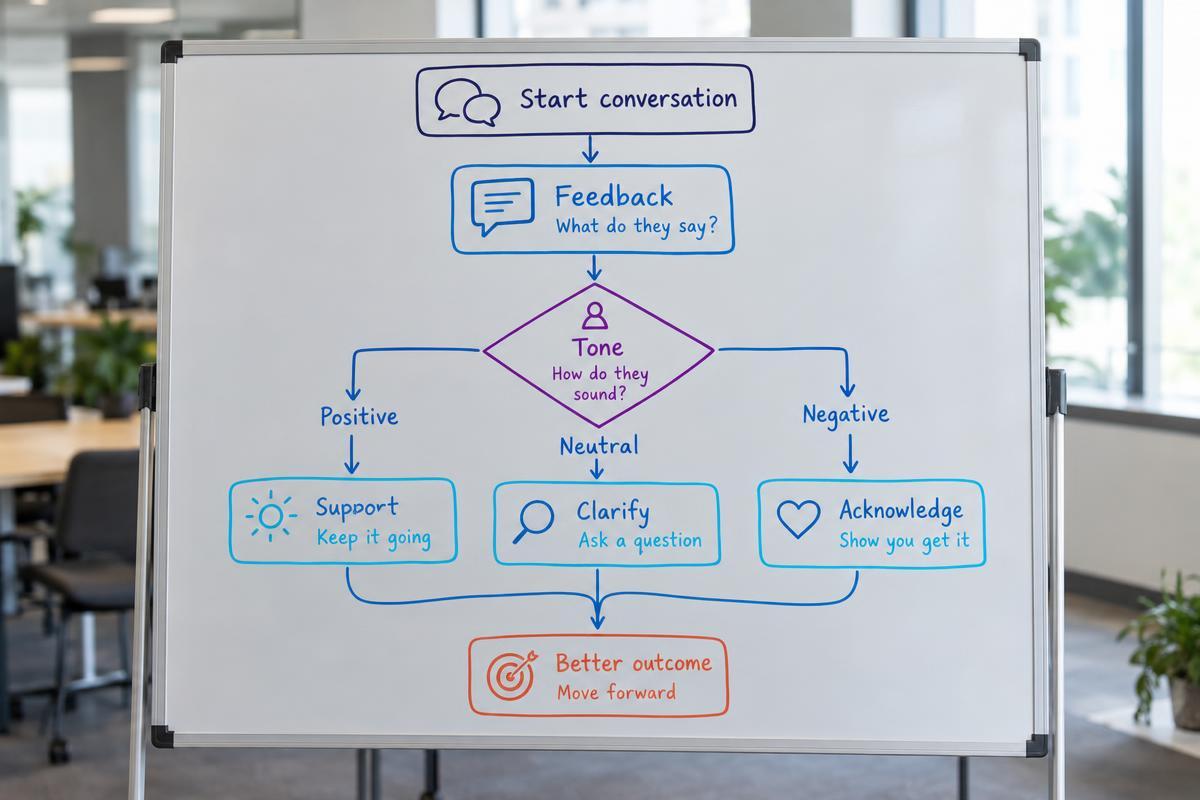
To choose the right platform, you need to match the tool to your primary challenge. Some apps are built for solo presenters, while others are designed for team development.
| Platform Category | Best Used For | Core Focus |
|---|---|---|
| Presentation Mechanics | Rehearsing speeches and solo pitches | Pacing, filler words, pitch, and slide reading |
| Live Meeting Assistants | Video calls and daily virtual meetings | Real-time nudges and talk-time monitoring |
| Immersive Training | High-stakes corporate training and compliance | Virtual reality scenarios and visual environments |
| Interactive AI Roleplay | Interviews, management, and difficult chats | Changing back-and-forth conversation and logic |
If your main goal is simply to improve your delivery during formal presentations, you might not need a complex roleplay platform. Several dedicated apps focus entirely on the mechanics of your voice.
For individuals who present slide decks regularly, the best alternative might already be installed on your computer. Research shows that Microsoft PowerPoint Speaker Coach evaluates pacing, pitch, filler words, informal language, wordiness, and whether presenters read slides verbatim, according to Microsoft. The obvious advantage here is convenience and cost.
If you already have a Microsoft 365 subscription, this tool is free to use. It is highly effective for stopping you from reading directly from your slides, but it offers zero help for impromptu speaking or answering questions from the crowd.
Speeko is another popular option for people who want to refine their vocal delivery. An industry report notes that Speeko analyses pace, filler words, intonation, sentiment, talk time, hedging, and redundant phrasing, as detailed by TrainMyVoice. It is heavily focused on the audio aspect of your communication. This makes it a solid choice for podcasters, public speakers, or anyone who relies on voice notes. However, because it evaluates your speech in isolation, it cannot tell you if your response to a specific question made sense in context.
Orai is positioned as a mobile speech-practice tool that provides rehearsal feedback for public speaking, as noted by Genius Firms. It gamifies the process of improving your speaking habits with short, daily exercises. If you need a low-cost, habit-building app to reduce your filler words, Orai is a strong contender. Like Speeko and PowerPoint Coach, it belongs firmly in the "how you sound" category rather than the "what to say" category.
Sometimes the problem is not how you rehearse, but how you behave when the camera turns on. If you tend to dominate conversations or lose track of time during video calls, a live assistant might be what you need.
Poised provides real-time feedback during video calls and presentations, making it a meeting-focused alternative to Yoodli, according to Genius Firms. It sits on your screen during Zoom or Teams calls and gives you subtle nudges. If you speak for too long without pausing, it flashes a warning. If your energy drops, it prompts you to speak up.
This live feedback loop is brilliant for people who struggle with self-awareness in the moment. The downside is that real-time notifications can be highly distracting. For professionals who suffer from meeting anxiety, seeing a popup telling them they are speaking too fast can cause them to stumble even more. It is a helpful tool for routine meetings, but perhaps too intrusive for high-stakes, emotionally charged conversations.
Enterprise teams often need to train their staff for highly specific, high-pressure environments. This is where basic speech coaches fall short and immersive platforms step in.
VirtualSpeech supports practice for presentations, interviews, and workplace conversations using simulated scenarios and AI feedback, as highlighted by AxioBench. It uses virtual reality to place you in a simulated boardroom or auditorium. The visual pressure of seeing virtual avatars stare back at you is a great way to trigger and manage public speaking anxiety.
The cost is higher than basic apps. VirtualSpeech's listed pricing is $45 per month or $399 per year, compared with lower-cost alternatives such as Orai and PowerPoint Speaker Coach, according to Genius Firms. If your company has the budget and the VR headsets, it provides a highly realistic environment. However, for most individuals and mid-sized teams, setting up VR equipment is a barrier to regular, daily practice.
The biggest gap in the market right now is helping people prepare for conversations that require empathy, negotiation, and quick thinking. A speech monitor cannot help you fire an underperforming employee, ask for a raise, or work through a behavioural interview. For these challenges, you need adaptive AI that actually talks back.
This is the space where Hey Compono operates. When you are practising difficult conversations at work, you need a partner that responds unpredictably. If you are too aggressive in your practice session, the AI should become defensive. If you are too vague, the AI should ask for clarification. This back-and-forth changing builds mental muscle memory. You are not just memorising a script; you are learning how to steer a conversation.
This type of practice is becoming essential for career progression. One 2026 report claims that 72% of job seekers use AI tools during interview preparation, up from 41% in 2024, according to Uhired AI. More importantly, the same report claims candidates who practised 75 or more interview questions with AI scored 34% higher in interview evaluations. Those statistics highlight the benefits of an AI interview practice app over a static list of questions.
Not everyone struggles with the same parts of a conversation. A tool that gives generic feedback will frustrate a diverse team. Your natural tendencies dictate where you need the most help.
For example, someone with a Doer personality naturally wants to get straight to the point. In a performance review, they might deliver the feedback so bluntly that the other person shuts down. A speech coach will tell them their pacing was great. An interactive roleplay coach will point out that they missed the chance to build rapport and soften the blow.
Conversely, someone with a Helper personality might dance around the issue to avoid hurting feelings. They might spend five minutes hedging their words. Again, a tool measuring filler words might catch the hesitation, but it will not teach them how to state the problem clearly. Understanding the Work Personality framework allows you to see why one-size-fits-all communication advice rarely sticks. You need a platform that understands your baseline style and coaches you toward balance.
When you are buying software for a team, the evaluation criteria change. Individual apps are great for personal use, but business buyers need reporting, consistency, and alignment with company values.
Many HR leaders compare several platforms before making a choice. For example, some teams look for a sounding board alternative for Australian teams because they want a solution that feels culturally relevant and offers specific conversational frameworks. The decision often comes down to whether you want traditional executive coaching or on-demand AI roleplay. If you are weighing up options, reading a breakdown of Hey Compono or Sounding Board: which to pick can clarify the differences in setup time, scalability, and user engagement.
To make the best choice, ask yourself three questions. First, are we trying to fix bad presentation habits, or are we trying to improve interpersonal skills? Second, do our people need live nudges during meetings, or safe spaces to practise beforehand? Third, does the tool adapt its feedback to the individual, or does it force everyone to communicate exactly the same way? Your answers will guide you to the right alternative.
When you need to prepare for a conversation that actually matters, relying on a tool that only counts your filler words is a mistake. Hey Compono gives you a safe, private space to roleplay your toughest interactions, testing your logic and delivery against adaptive AI before you face the real thing.
Related reading
Speech coaching evaluates the mechanics of your voice, such as your speaking pace, pitch, and use of filler words. AI roleplay focuses on the content of your conversation, allowing you to practise back-and-forth dialogue, test your arguments, and learn how to handle unexpected responses.
Yes, Microsoft PowerPoint Speaker Coach is free if you already have a Microsoft 365 subscription. It is highly effective for presentation practice and catching filler words, though it does not offer interactive conversational practice.
AI tools simulate the pressure of a real interview by asking changing, unpredictable questions based on your industry and experience. They provide immediate feedback on the structure, clarity, and relevance of your answers, helping you build confidence before the actual conversation.
Yes. Advanced AI coaching platforms allow managers to roleplay scenarios like performance reviews, salary negotiations, or conflict resolution. The AI acts as the employee, providing realistic pushback so the manager can practise active listening and clear communication in a low-stakes environment.

To prepare a candidate for a second interview. Discover recruiter frameworks for panel dynamics, competency coaching and presentation practice.
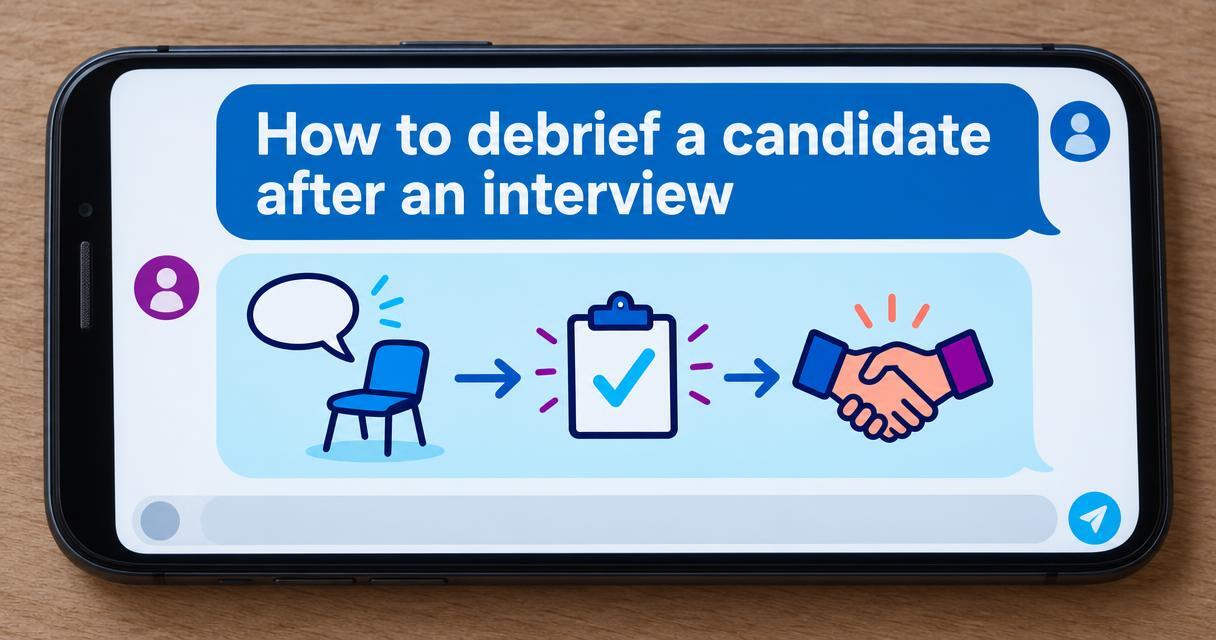
Learn exactly how to debrief a candidate after an interview. Get practical steps, conversation scripts and feedback techniques to protect your...

Learn how to practise interview questions with AI to get instant feedback, simulate real scenarios, and walk into your next job interview with...
 Compono