
 Mathan Allington
How to prepare a candidate for a second interview: a guide
 Mathan Allington
To prepare a candidate for a second interview. Discover recruiter frameworks for panel dynamics, competency coaching and presentation practice.
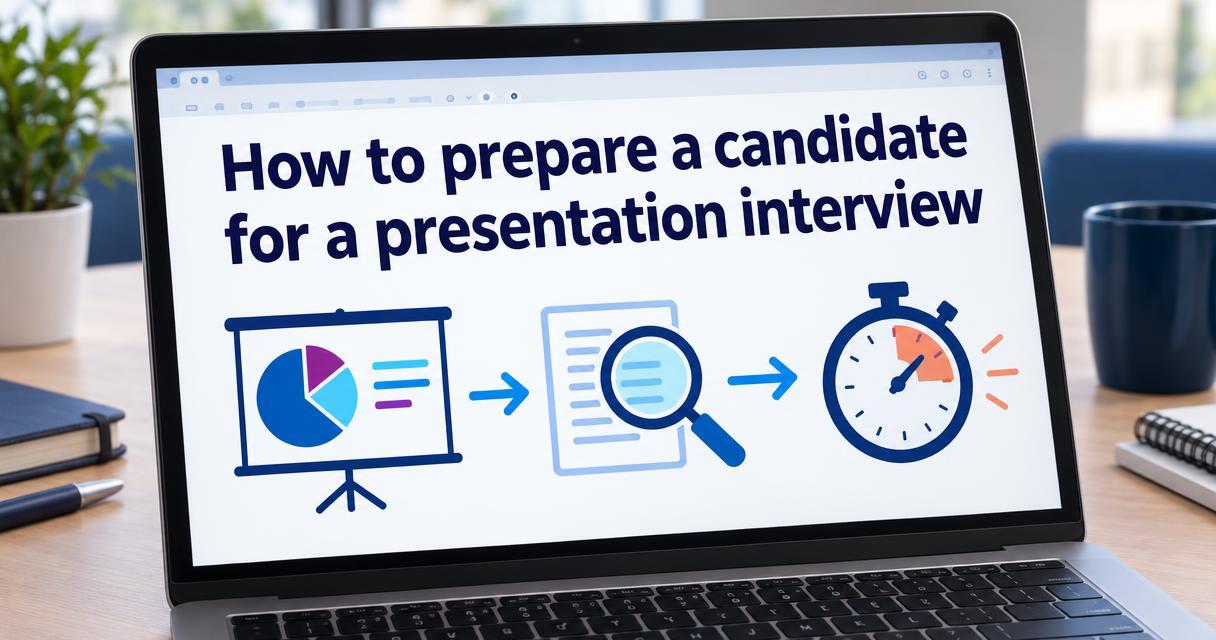
To prepare a candidate for a presentation interview, recruiters need to move beyond proofreading slides and focus on structured dry runs, decoding the evaluation rubric, and coaching for the Q&A session. A strong presentation relies on how well the candidate maps their narrative to the hiring panel's specific goals. By running targeted mock interviews and troubleshooting technical setups, you give your candidate the clarity they need to stand out.
Last reviewed November 2026
Key takeaways
- Deconstruct the interview brief to match the hiring manager's exact scoring rubric.
- Structure the presentation narrative offline before opening any slide software.
- Run realistic mock interviews to pressure-test pacing, technology, and delivery under stress.
- Prepare crisis management scripts for technical failures or unexpected questions.
- Focus heavily on the Q&A portion, where hiring panels evaluate on-the-spot problem solving.
Many candidates treat a presentation interview like a university lecture. They cram their slides with text, read directly from the screen, and rush through the final slides. As a recruiter, watching a brilliant candidate lose the room because of poor delivery is frustrating. Your job is to bridge the gap between their technical expertise and their presentation skills.
According to a 2022 survey by Eztrackr, 68% of hiring managers rated interview presentations as the most useful exercise for assessing communication, problem-solving, and organisational fit. The stakes are high. The candidate knows the subject matter, but they do not always know how the panel grades it. When you actively coach them through the brief, the narrative, and the technology, you turn a nervous applicant into a confident professional. Proper candidate preparation separates the people who simply look good on paper from the ones who actually get the job.
Candidates often misinterpret take-home case studies. They focus on showing how much they know rather than answering the specific prompt. Start your preparation by breaking down the brief together. Look for the hidden questions the hiring manager is actually asking.
Most panels use a specific scoring rubric. They weigh content relevance, visual design, communication style, and time management. Help your candidate understand that a beautiful slide deck will not save a confusing narrative. Eztrackr cites a 2022 survey showing that 52% of hiring managers said a strong presentation could compensate for a weaker resume. This means the delivery matters just as much as their past experience.
Work with them to map out exactly how their presentation hits every criterion on the scorecard. A simple table helps candidates visualise what the panel wants to see.
| Evaluation area | What the panel looks for | How to prep the candidate |
|---|---|---|
| Content relevance | Directly answers the brief | Map the narrative to the exact prompt |
| Delivery and pacing | Clear speech and time management | Run timed mock presentations |
| Visual clarity | Clean, uncluttered slides | Remove excess text and jargon |
| Handling pressure | Flexible responses during Q&A | Practise unexpected questions |
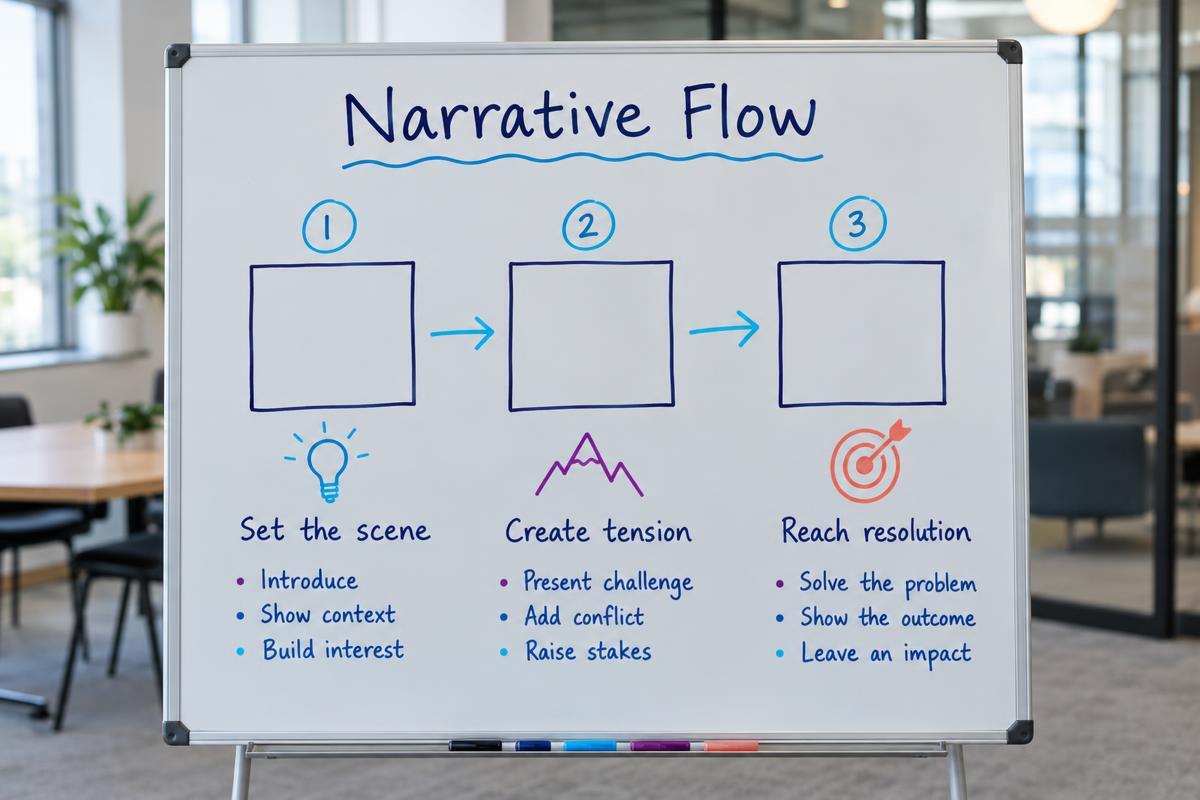
Tell your candidate to keep their presentation software closed until they have a clear outline. When people start with slides, they get distracted by fonts and animations. Have them write a simple, persuasive narrative first. They should introduce the problem, propose their solution, and explain the expected outcomes.
This is where understanding a candidate's natural work style helps. For example, an Evaluator personality might dive too deep into the data and lose the broader narrative. You can coach them to pull back and highlight the main takeaways for a non-technical audience. Keep the focus on clarity. ResumeTemplates.com research cited by AmberWillo notes that 63% of hiring managers said clear communication is the soft skill most likely to help Gen Z candidates get hired in 2025.
Once the narrative makes sense on paper, they can move it to slides. Remind them that slides are there to support their voice, not replace it.
Sending a preparation document is not enough. The skill gap closes in the practice, not the reading. You need to run a live rehearsal. Schedule a video call and have them deliver the presentation exactly as they would on the day. Time their delivery, check their pacing, and look for distracting habits.
This rehearsal is highly effective when you need to prep a nervous candidate or someone dealing with performance anxiety. By walking through the environment, you remove the fear of the unknown. Check their microphone, camera lighting, and screen-sharing setup. A Jobglance 2024 analysis highlights that 90% of hiring managers considered interview preparation a key factor in candidate success.
If you do not have the capacity to run these sessions manually, Hey Compono can help candidates practise out loud on their own schedule. Make the dry run mandatory so they hear what they sound like before the hiring manager does.
The presentation itself is only half the battle. The Q&A session is where panels truly test a candidate. An Eztrackr analysis from 2024 found that 38% of presentation interview rounds included an unexpected pivot or extended Q&A, underscoring the value of practising flexible responses rather than memorising a script.
Coach your candidate on how to handle tough questions. Teach them to pause, acknowledge the question, and answer concisely. You also need a crisis management plan for technical failures. Give them practical scripts for when their screen freezes or their slides will not load. A simple acknowledgement like "It looks like my screen is frozen, so I will switch to audio while it reconnects" shows resilience.
If they struggle with difficult questions, you can coach a candidate on answering weaknesses so they do not panic when pushed. Using an AI coaching tool like Hey Compono gives them a safe space to stumble and recover before the real interview.
Preparing every candidate for a presentation interview takes time that most recruiters do not have. You can scale this process and give your candidates the voice-based practice they need to succeed.
Related reading
The best structure follows a clear narrative arc. Start with a brief introduction of the problem, present your proposed solution, and end with measurable outcomes or next steps. Keep the focus on answering the specific brief provided by the hiring panel.
A candidate should run through their presentation at least three times out loud. The first run is for timing, the second is for smoothing out transitions, and the third should be a full dress rehearsal with a recruiter or peer asking questions.
They should avoid guessing. The best approach is to validate the question, state what they do know about the topic, and explain how they would find the exact answer. This shows problem-solving skills and honesty.
A good rule of thumb is one slide per minute of speaking, though fewer is often better. For a 15-minute slot, aim for 8 to 12 slides. This leaves enough room for the candidate to speak without rushing through visual clutter.
Yes, AI tools can simulate the interview environment. Candidates can practise answering unexpected questions out loud and receive instant feedback on their pacing and clarity. This builds confidence before they face the real hiring panel.
To prepare a candidate for a second interview. Discover recruiter frameworks for panel dynamics, competency coaching and presentation practice.
Learn exactly how to debrief a candidate after an interview. Get practical steps, conversation scripts and feedback techniques to protect your...
How candidate prep tools get people genuinely ready for interviews, reduce dropouts late in the process, and lift the quality of your shortlists.
 Compono