
 Mathan Allington

How to Give Hard Feedback to a Coworker (Without Making It Weird)
 Compono
How to give a coworker hard feedback without wrecking the relationship, with practical steps for the conversation itself.
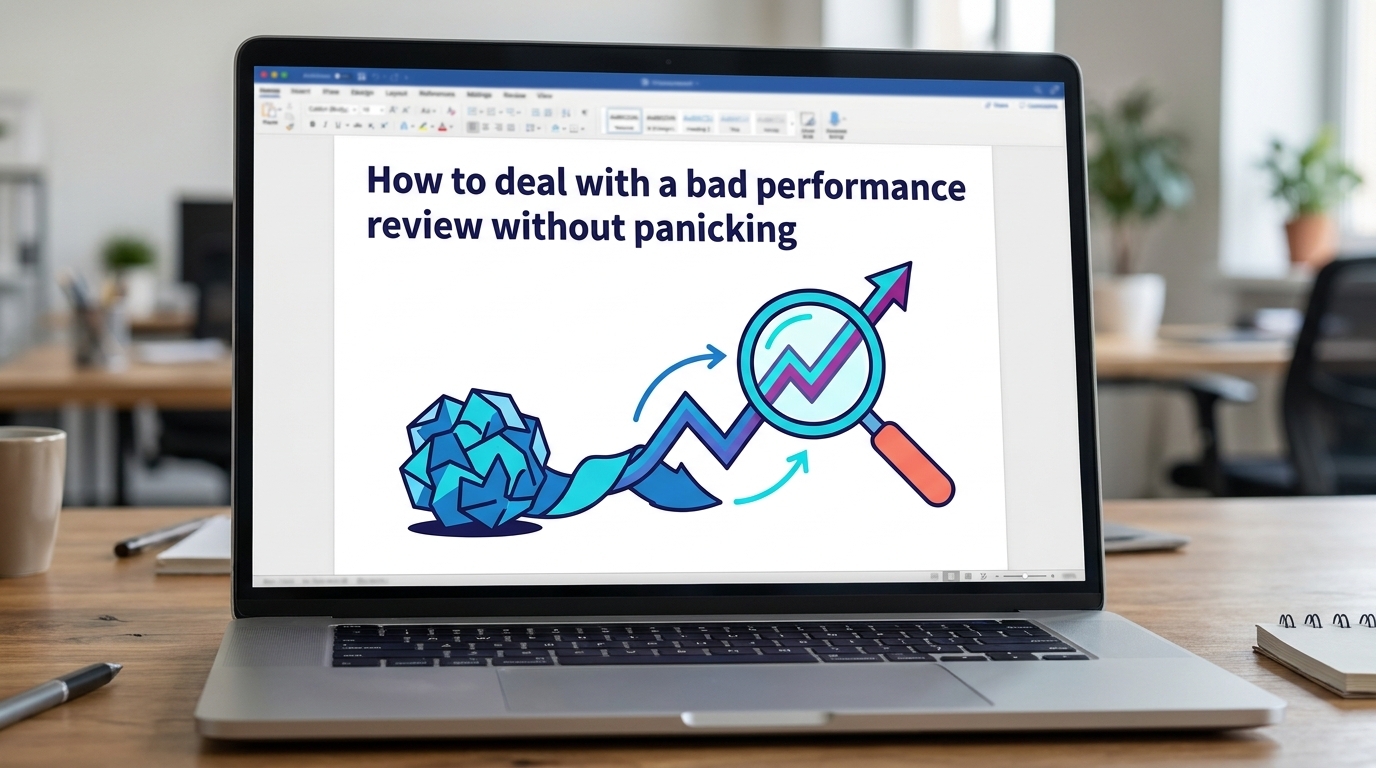
To deal with a bad performance review, you need to pause your immediate reaction, separate the facts from the feelings, and build a professional follow-up plan.
Last reviewed November 2026
Key takeaways
- Wait 24 to 48 hours before responding to negative feedback to allow your initial emotions to settle.
- Document your past results and achievements to separate subjective opinions from actual performance data.
- Use collaborative language and specific scripts to clarify vague criticism without sounding defensive.
- Treat a formal Performance Improvement Plan as a structured project with measurable goals and frequent check-ins.
- Evaluate whether the review highlights genuine areas for growth or signals a toxic environment that requires a career change.
Hearing that you are falling short at work is a bitter pill to swallow. You walk into an evaluation expecting a standard conversation, but instead, your manager hands you a review full of low scores and harsh critiques. It is completely normal to feel defensive, misunderstood, or even angry in that exact moment. You might start questioning your abilities or wondering if your career is taking a permanent hit.
You are not alone in feeling this way. According to Gallup research cited by Her Agenda, only 14% of employees strongly agree that their performance reviews inspire them to improve (Her Agenda). For most of us, negative feedback feels like a personal attack rather than a helpful guide. It is easy to spiral into self-doubt or immediately start drafting a resignation letter in your head.
However, a poor rating is not the end of your professional journey. It is simply a data point. How you handle the aftermath dictates what happens next. By stepping back to process the information objectively, you can figure out whether you need to adjust your working style, push back on unfair claims, or simply find an environment that better suits your skills. Here is a step-by-step approach to regaining your footing.
Your first instinct during a negative evaluation might be to argue. When someone points out your flaws, your brain treats it like a physical threat. The adrenaline spikes, and you want to justify every action you took over the last twelve months. Fighting back in the room rarely yields a positive outcome. The most powerful thing you can do is simply listen and take notes.
You do not have to agree with everything your manager says. You just have to absorb it professionally. Use neutral phrases to acknowledge their points without admitting fault. Saying something like "I hear what you are saying, and I want to take some time to process this" gives you a graceful exit. It shows you are taking the feedback seriously without forcing you to formulate a right defence on the spot.
Experts recommend taking a breather before you react. A practical response is to wait at least 24 to 48 hours before sending a factual follow-up with a measurable improvement plan (Realign Coaching). This cooling period prevents you from sending an emotional email that you might regret. Practising the conversation with Hey Compono can help you iron out the emotional spikes before you speak to your manager again.
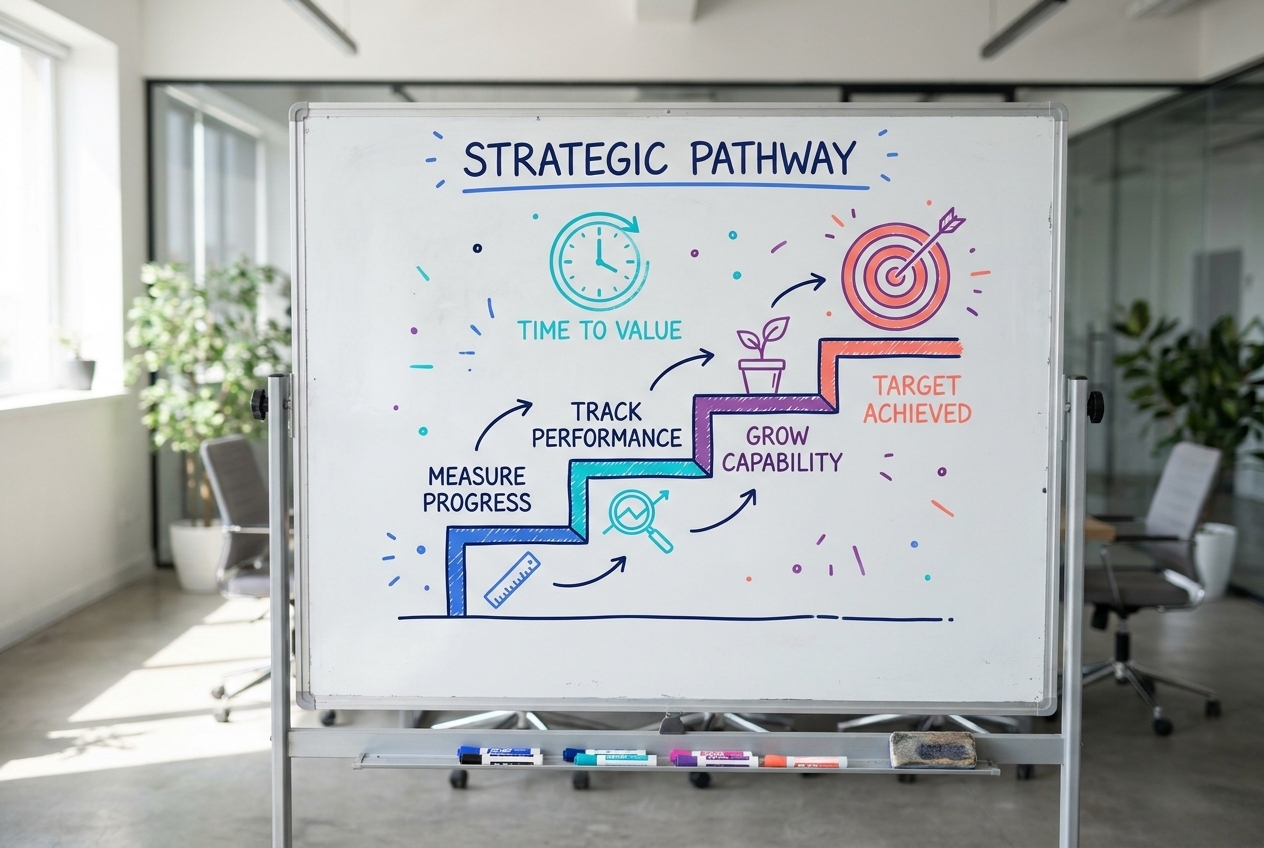
Once you are away from the meeting room, it is time to look at the feedback objectively. Read through the review and highlight the specific, actionable critiques. Ignore the tone and focus on the actual deliverables or behaviours your manager mentioned. Did you miss a major deadline? Was a client unhappy with a presentation? These are factual points you can address.
It is also important to recognise that not all feedback is perfectly accurate. A study in the Journal of Applied Psychology found that performance ratings often reflect the reviewer more than the employee. They attributed 62 to 65% of rating variance to the individual rater and about 25% to actual performance (Career Climb). This means your manager's own stress, preferences, and biases play a massive role in how you are graded.
Understanding your natural working style can also explain the disconnect. If you look at the Work Personality framework, you might realise that you are a detail-focused Auditor working under a big-picture Campaigner manager. They might interpret your careful analysis as moving too slowly, while you see their lack of structure as chaotic. Realising this helps you see the review as a clash of styles rather than a measure of your worth, which explains why your work performance feels like it is getting worse.
If the review contains genuine inaccuracies, you have the right to push back. However, you must do this with evidence, not emotion. Go through your emails, project management tools, and past deliverables to find concrete examples of your work. Documenting claims with evidence such as project outcomes, deadlines, and written updates can help distinguish inaccurate criticism from genuine performance gaps (Her Agenda).
When you are ready to discuss the discrepancies, frame your pushback as a request for clarity. Instead of saying "You are wrong about my communication skills", use a more collaborative script. Try saying, "I want to make sure I am meeting your expectations. The review mentioned I did not communicate enough on the last project, but I sent weekly status updates every Friday. Can we clarify what specific communication you were looking for?"
This approach forces the manager to provide specific examples rather than relying on vague feelings. If they cannot provide concrete examples, it becomes clear that the feedback was subjective. You can prepare for these moments by using the Hey Compono app to simulate the conversation, helping you build confidence before you step back into the room.
Sometimes a bad review comes with a formal Performance Improvement Plan (PIP). A PIP can feel like an HR formality meant to push you out the door. While that is sometimes the case, many organisations use them as genuine tools to help struggling employees get back on track. The key to surviving a PIP is treating it like a highly structured project with zero room for ambiguity.
Review the document carefully before you sign it. The goals outlined in a PIP must be measurable, achievable, and time-bound. If the document says "Improve attitude", that is too vague. Ask HR and your manager to define exactly what a good attitude looks like in measurable terms. Ensure you have the resources, time, and training required to hit the targets they have set.
Once the plan is active, over-communicate your progress. As noted in research published by the PLoS Journal, feedback should focus less on diagnosing past performance and more on designing future performance (Her Agenda). Schedule weekly catch-ups with your manager to track your milestones. Follow up every meeting with an email summarising what was discussed and agreed upon. This creates a paper trail proving your commitment to the plan.
Eventually, you have to decide if this job is worth saving. If your manager is supportive, gives you clear targets, and genuinely wants you to succeed, leaning into the feedback is a smart move. Working through a tough review can actually strengthen your professional relationship. It shows resilience and a willingness to grow.
On the other hand, a bad review can sometimes be a clear signal that it is time to leave. If the feedback is entirely subjective, the goals are impossible to reach, or the environment is deeply toxic, staying might damage your confidence and your career. You do not have to endure a workplace that fundamentally misunderstands your value or sets you up to fail.
If you are torn, it helps to weigh up the situation objectively. Look at the pros and cons of a job move to decide if the current friction is temporary or permanent. Use the comparison table below to help clarify your thoughts.
| Stay and fix it | Find a new job |
|---|---|
| Feedback is factual and tied to specific projects. | Feedback is vague, personal, or unsupported by examples. |
| Your manager offers resources and regular check-ins. | You are left to figure it out alone with no support. |
| The required improvements align with your career goals. | The role requires a complete personality transplant to succeed. |
| The company culture is generally positive and supportive. | The culture is toxic, and burnout feels inevitable. |
Whichever path you choose, remember that one bad review does not define your entire career. It is a single chapter in a much longer story. Take the lessons that serve you, discard the subjective noise, and start taking steps toward a role where you can actually thrive.
Processing negative feedback and planning a professional response is much easier when you can practise out loud first. Our AI coaching platform helps you rehearse difficult workplace conversations in a safe, private space so you can walk into your next meeting with total confidence.
Related reading
Signing a performance review usually just acknowledges that you received and read the document, not that you agree with it. However, if you strongly disagree with the contents, you can often add a written rebuttal or a note stating that your signature only confirms receipt. Always check your company policy or ask HR for clarification before signing.
Gather concrete evidence of your recent work, including project outcomes, positive client emails, and data showing you met your targets. Approach the meeting with a collaborative mindset, asking specific questions about how you can align your future output with their expectations. Proper one-on-one meeting preparation helps you stay factual and composed.
Not always. While some companies use a PIP as a legal stepping stone toward termination, many managers use them genuinely to help employees correct course. The best way to handle a PIP is to treat it seriously, demand measurable goals, document every milestone you hit, and maintain a proactive attitude throughout the process.
A biased review typically lacks specific examples and relies heavily on personality critiques rather than measurable outcomes. If your manager uses words like "difficult" or "unapproachable" without pointing to a specific business impact, or if they grade you harshly on metrics that are not applied to your peers, bias is likely at play.
Emotionally, it usually takes a few days for the initial shock and defensive feelings to fade. Professionally, recovering your reputation within the company can take three to six months of consistent, documented improvement. Setting regular check-ins with your manager during this period helps make your progress visible and rebuilds trust faster.

How to give a coworker hard feedback without wrecking the relationship, with practical steps for the conversation itself.

Calm is not the same as coasting. How to set boundaries that hold, protect your attention, and keep progressing without the burnout cycle.

Career progression does not have to cost you who you are. How to grow into bigger roles while still working to your natural strengths.