
 Compono

1 min read
How to build a better culture by understanding your team
 Compono
Building a better culture starts with recognising that your team is made up of distinct work personalities, each needing a slightly different...
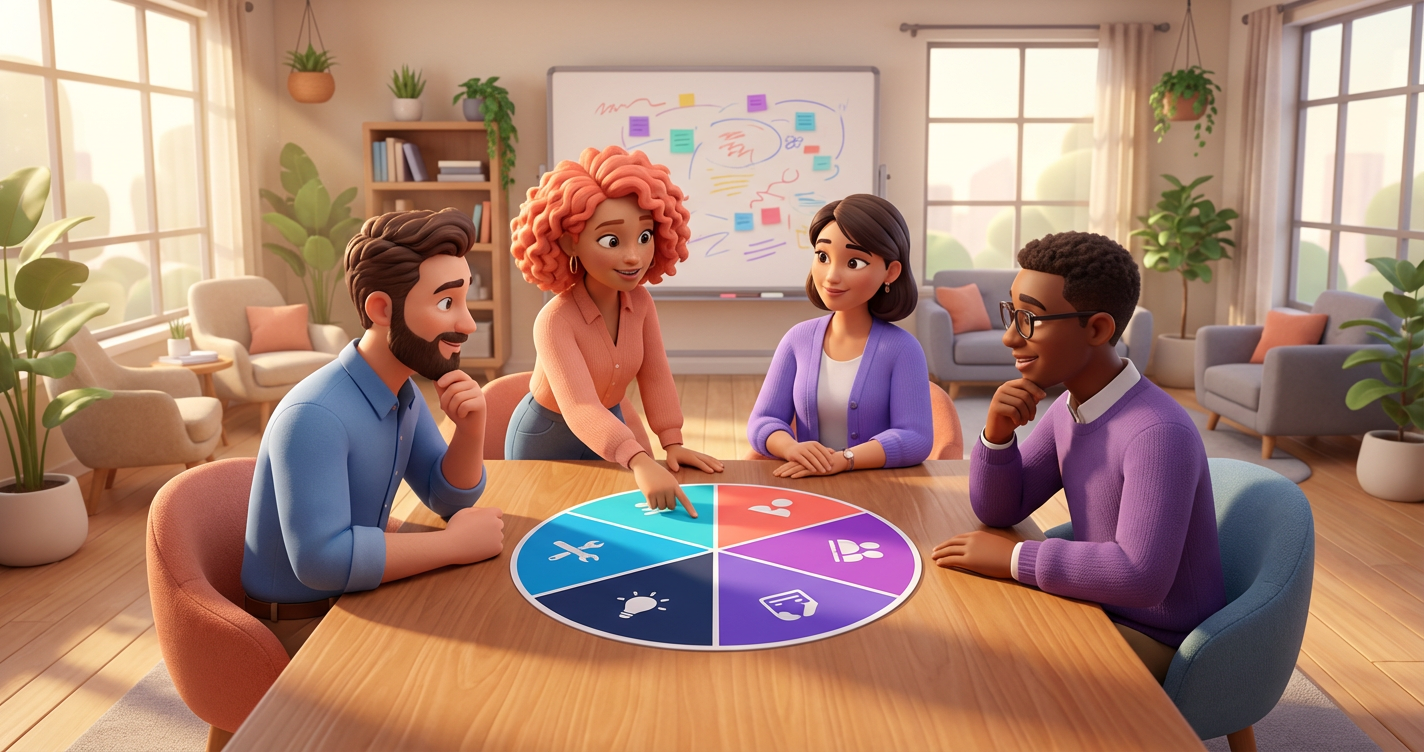
Building a better culture starts with moving away from generic perks and focusing on how your people actually interact, think, and solve problems together.
It isn't about the Friday drinks or the office layout; it is about the invisible threads of connection and the psychological safety that lets a team do its best work. When you understand the unique work personalities within your group, you stop guessing what people need and start building an environment where everyone feels seen and understood.
Key takeaways
- Real culture is built on deep self-awareness and understanding the diverse work personalities in your team.
- Psychological safety is the bedrock of a better culture, allowing for honest feedback without the fear of social retribution.
- Moving from a 'one-size-fits-all' approach to personality-adaptive communication reduces friction and boosts engagement.
- Consistency in small, daily interactions outweighs large, infrequent culture initiatives.
We have all been there, sitting in a meeting where half the room is silent because they don't want to rock the boat, while the other half is talking in circles. You might have been told your culture is 'fine', but deep down, you know there is a disconnect. Maybe you have even been told you are 'too much' or 'too quiet' in these settings, leaving you feeling like you don't quite fit the mould. This is the hallmark of a culture that prioritises conformity over genuine connection.
The problem isn't that your people are difficult. The problem is that most organisations try to build a better culture by layering 'fun' activities over broken communication lines. It is like putting a fresh coat of paint on a house with a cracked foundation. You can't 'ping-pong table' your way out of a team that doesn't trust each other. To fix it, we have to look at the foundation: how your brain actually works compared to the person sitting across from you.
At Compono, we have spent years researching why some teams click while others clash. We have found that the most resilient cultures are those that embrace cognitive diversity. Instead of trying to make everyone act the same, these teams learn to speak each other's 'personality languages'. If you are curious about where you sit on this spectrum, Hey Compono can give you a clear read on your own work personality in just a few minutes.

You cannot improve what you do not understand. Most culture initiatives fail because they treat every employee like a carbon copy of the CEO. But a 'The Pioneer' type who thrives on chaos and new ideas is going to have a very different experience of 'culture' than 'The Auditor' who finds safety in precision and clear processes. When you force both into the same box, you don't get a better culture, you get resentment.
A better culture recognises that these differences are actually your greatest strength. Imagine a team where 'The Campaigner' can sell the big vision while 'The Evaluator' logically weighs up the risks without it turning into a personal argument. This isn't a pipe dream; it is the result of intentional, personality-aware leadership. It is about creating a space where 'The Helper' feels safe to support the team and 'The Doer' is empowered to execute without being micromanaged.
When we talk about building a better culture, we are really talking about building a 'personality-adaptive' culture. This means the way you give feedback, run meetings, and celebrate wins changes based on who is in the room. Some teams use personality-adaptive coaching to make sure these differences lead to innovation rather than friction. It is about meeting people where they are, not where you wish they were.
We often hear that psychological safety is the 'secret sauce' for a better culture, but it is rarely explained how to actually get it. It doesn't happen by accident. It happens when leaders are willing to be the first ones to say, "I don't know the answer," or "I made a mistake here." Vulnerability is the only way to prove to your team that it is safe for them to do the same.
In a high-performing culture, people aren't afraid of conflict. They are afraid of 'bad' conflict, the kind that gets personal and leaves scars. A better culture turns conflict into a tool for growth. By using a framework like the one found in Hey Compono, teams can depersonalise their disagreements. Instead of saying "You are being difficult," they can say "I can see your Auditor brain is worried about the details here, while my Pioneer brain wants to move fast, how do we bridge that gap?"
This shift in language is subtle but significant. It moves the focus from character flaws to work preferences. It validates the struggle without placing shame. When people feel like their natural tendencies are a part of the plan rather than a problem to be solved, they stop self-censoring. That is when the real culture work begins, and that is when you start seeing the results in your retention and performance metrics.
Key insights
Culture isn't a destination; it is the sum of every interaction your team has. To build a better culture, you must move from surface-level engagement to deep, personality-aware connection. This involves building psychological safety, embracing cognitive diversity, and adapting your leadership style to the unique brains in your care. When you stop trying to 'fix' people and start understanding them, the culture takes care of itself.
Related reading: How to build a better culture by understanding your team · How to understand coworkers and build better team dynamics
Employee coaching, wellbeing support and team personality insights in one platform, built on organisational psychology.
Talk to usCulture doesn't change overnight, but the 'vibe' can shift almost immediately when you change how you communicate. By using personality insights, you can start having more productive, less stressful conversations by tomorrow. Long-term systemic change usually takes three to six months of consistent effort.
Yes, especially if that person is in a leadership position. Culture is often 'caught' rather than 'taught'. When you start modelling personality-adaptive behaviour and showing vulnerability, it gives the rest of the team permission to do the same. It creates a ripple effect that can transform the entire group.
Most resistance comes from a fear of being 'boxed in' or judged. That is why we focus on work preferences rather than rigid labels. When people see that these insights actually make their lives easier, by reducing pointless meetings and clearing up misunderstandings, the resistance usually melts away pretty quickly.
Not necessarily. A better culture is an honest one. It is a place where people can be stressed, frustrated, or confused and feel safe enough to talk about it. 'Toxic positivity' is actually a sign of a weak culture. A strong culture handles the hard stuff with empathy and logic.
Absolutely not. Some of the best cultures in the world have zero budget for perks. They win because they invest in how they treat each other. Understanding your team's work personalities costs very little but provides a much higher return on investment than any office renovation or team retreat ever could.

1 min read
Building a better culture starts with recognising that your team is made up of distinct work personalities, each needing a slightly different...

1 min read
Understanding how your brain works starts with recognising that your reactions to stress, deadlines and collaboration are deeply rooted patterns of...

1 min read
To build resilience, you must first understand how your specific personality processes stress and then develop adaptive coping strategies that align...