
 Compono
How to develop personality for better work relationships
 Compono
You cannot change your personality, but you can work with it. Here is how your natural traits shape your work relationships and what to adjust.

A Doer is one of the eight work personality types: practical, dependable, efficient and direct. Doers turn plans into finished work. They value facts over feelings and results over rhetoric, and they are usually the most productive person in the room. If you get more done by 9:00 am than most people manage all day, this is probably you.
Last reviewed July 2026.
Workplaces talk a lot about strategy and vision, but nothing actually moves without the people who execute. The Doer is the heartbeat of productivity. You are the person who looks at a long list of tasks and feels a genuine surge of energy rather than a sense of dread. While others are still debating the nuances of a project plan in a third consecutive meeting, you have already started the first three steps.
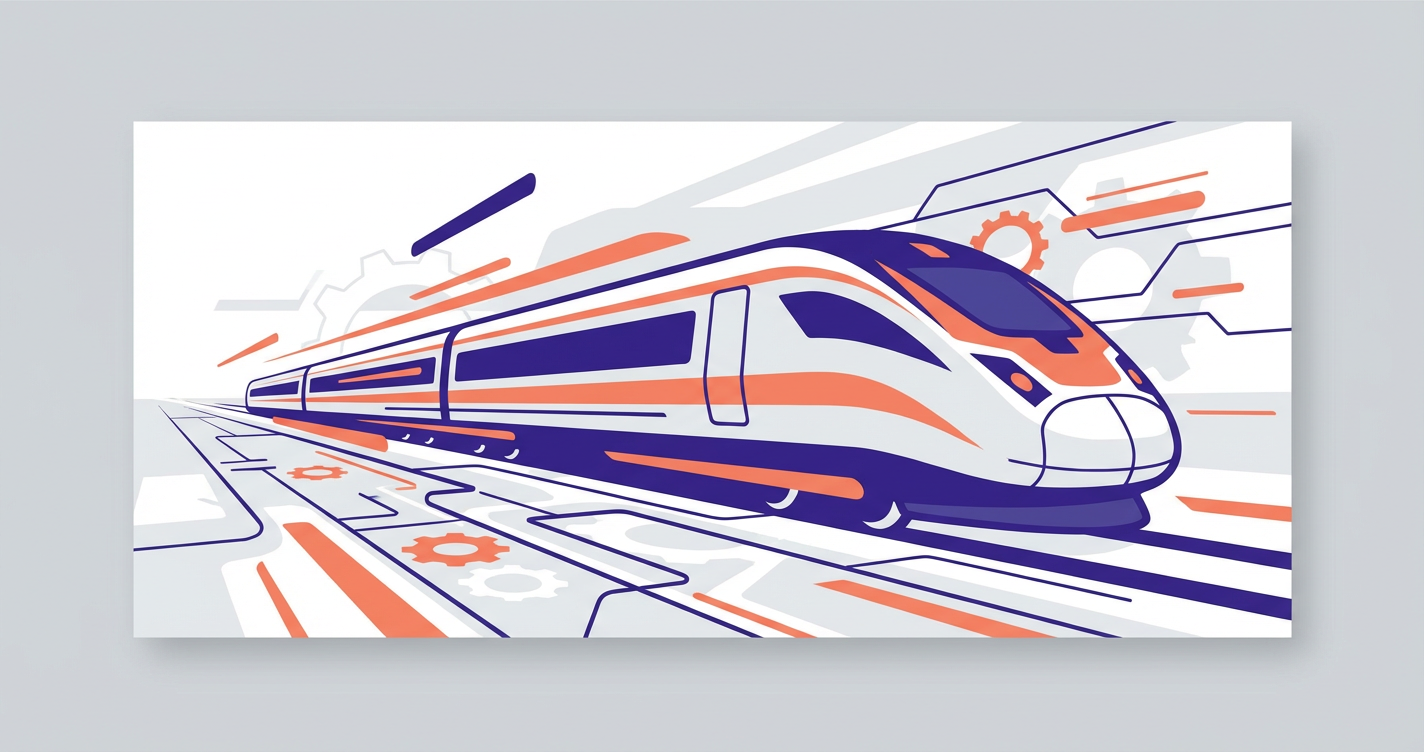
The Doer is one of the eight core work personalities identified through decades of organisational psychology research at Compono, alongside the Auditor, Helper, Advisor, Pioneer, Campaigner, Evaluator and Coordinator. Doers are dependable, efficient, practical and direct. You do not just work, you produce. That straightforward approach is exactly what makes you so reliable, and it is also why people keep telling you to "tone it down".
Being a Doer can feel like a lonely road. Because you move so fast, you spend a lot of time waiting for others to catch up, and the waiting breeds frustration. If your sense of value gets tied entirely to your output, the constant motion eventually runs into a brick wall of burnout. Understanding your Doer personality is the first step in moving from "busy" to genuinely high-impact.

Your strengths are the envy of the office. You have an unusual ability to focus on task completion and hit deadlines. Precision and attention to detail are not aspirations for you, they are standard operating procedure. You keep projects grounded in reality, and when a crisis hits, people look to you because they know you will not panic. You will just get to work.
Every strength casts a shadow, though. Because you are so task-oriented, you can overlook the long-term planning that future success depends on. You may stick with tried-and-true methods because they are efficient, which quietly limits fresh thinking. And your direct communication style can land as blunt, or as dismissive of the emotional undercurrents in the room. None of that comes from rudeness. You are simply focused on getting the job done.
This is where self-awareness becomes your best tool. Hey Compono uses a personality-adaptive approach to help you notice when your drive for efficiency is creating friction. Our AI coach knows a Doer does not want a long, meandering session. You want practical insights that help you work faster and better. Once you understand your natural work preferences, you can bridge the gap between your speed and the rest of the team's pace.
Workplaces are a mix of different energies. You have probably clashed with the thinkers of the group, types like the Advisor or Auditor, who want to investigate every problem from ten different angles. To you, they seem to be stalling. To them, you look like a loose cannon. Then there are the planners and weighers, like the Evaluator or Coordinator, who want to compare every option or stick rigidly to a schedule. If their plan feels slow, you will probably try to bypass it just to make progress.
Working well together takes more than patience; it takes a map. When you understand that an Auditor is not trying to slow you down but trying to make sure you never have to do the work twice because of a missed detail, you start to value their input. When a Helper raises concerns about team morale, they are protecting the sustainability of the very team you rely on to hit your targets.
The evolved Doer learns to speak the language of other types. You do not have to change who you are, but you can dial your intensity up or down depending on who you are talking to. If you are working with a Pioneer, give them space for their shiny new ideas before bringing them back to the practical steps. That adaptability is what turns a reliable contributor into a high-performing leader.
For a Doer, growth rarely means doing more. You are already doing plenty. It means increasing the impact of what you do: stepping away from the busy-work that fills your day and focusing on the tasks that actually change outcomes. That requires the one thing most Doers hate, which is stopping long enough to check you are running in the right direction.
The biggest risk for the Doer personality is high-intensity burnout. You take on everything because you know you can do it faster and better than anyone else, and that lead-from-the-front mentality eventually exhausts your reserves. Delegation is the skill to build here. Not just passing off tasks, but trusting others to execute them in their own way, even when it is not as fast as yours.
Strategic patience is the other growth area. Not every problem can be solved with immediate action; some situations need time to breathe or consensus to build. With a tool like Hey Compono you can practise difficult conversations in a private, zero-judgement space. The AI coach can role-play a scenario where you have to give feedback without being "too intense", so you build the muscle memory for a more measured approach.

If you are managing a Doer, you have a racehorse on your team. Your job is to give them a clear track and keep the hurdles out of the way. Doers thrive on clear, quantifiable objectives and consistent routines. They want to know exactly what is expected of them, and they want regular feedback on their performance. Vague instructions are a Doer's nightmare, because if they do not know what the goal is, they cannot start running toward it.
To get the best out of a Doer, avoid pushing for constant reinvention without providing a stable framework first. If you need them to change their routine, explain the rationale clearly and introduce the change gradually. Most importantly, respect their need for predictability. A Pioneer might love a chaotic, fast-changing environment, but a Doer wants to know that the work they do today counts toward something stable.
Leaders should also watch for over-extension. Because Doers are so reliable, they often become the dumping ground for every urgent task, and over time that leads to resentment and a drop in quality. Help your Doer prioritise. Ask them: "If you could only finish three things today to make this project a success, what would they be?" That question pulls them out of the tactical weeds and up to the strategic horizon.
Traditional coaching often fails Doers because it feels too slow or too academic. You do not want to read a book about leadership; you want to know how to handle the meeting you have at 2:00 pm today. Hey Compono provides on-demand, personality-adaptive coaching that meets you exactly where you are, usually in the middle of a busy day.
The coach remembers the context of your previous challenges. It knows you are a Doer, so it will not waste your time with generic platitudes. Instead it asks the sharp questions that surface your blind spots. It might say: "I know you want to send that email now to get it off your plate, but have you considered how the Helper on your team will read the tone?" That real-time course correction builds emotional intelligence without slowing your output.
For organisations, this is how coaching scales. You cannot give every employee a human coach, but you can give every employee a coach that understands their work personality. That reduces the friction behind turnover and burnout, and shifts the culture from getting things done to getting the right things done together.
Related reading: Campaigner meaning: the visionary work personality explained · What a Work Personality Quiz Actually Tells You (2026 Guide)
Four questions, about two minutes, one of eight work personality types. Free.
Take the Free AssessmentThe Doer is one of eight work personality types, alongside the Auditor, Helper, Advisor, Pioneer, Campaigner, Evaluator and Coordinator. Doers are practical, efficient, direct and deadline-driven. They prefer clear goals, proven methods and visible results.
The common blind spots are blunt communication, a focus on short-term tasks over long-term planning, reluctance to change proven methods, and a tendency to take on too much and burn out.
Doers do well in roles with clear goals, deadlines and tangible output, such as operations, project delivery, logistics and production. They struggle most in vague roles where priorities shift constantly and results are hard to see.
Take the free Work Personality quiz. It is four questions, takes about two minutes, and shows you which of the eight work personality types you lead with.
Take the free Work Personality quiz (four questions, about two minutes), then get started with 10 minutes of free coaching, no credit card required. Or see how personality-adaptive coaching works.

You cannot change your personality, but you can work with it. Here is how your natural traits shape your work relationships and what to adjust.

Your enneagram type points to a core motivation. Here is what each one means for how you work and the career choices that tend to fit.

The traits you call flaws often do useful work. How to see what yours are good for, and when to dial one down instead of trying to fix yourself.