
 Compono
Manager Coaching Software: The 2026 Buyer's Guide
 Compono
Discover how manager coaching software improves team performance and retention. Get actionable steps to choose the right platform for your leaders in...
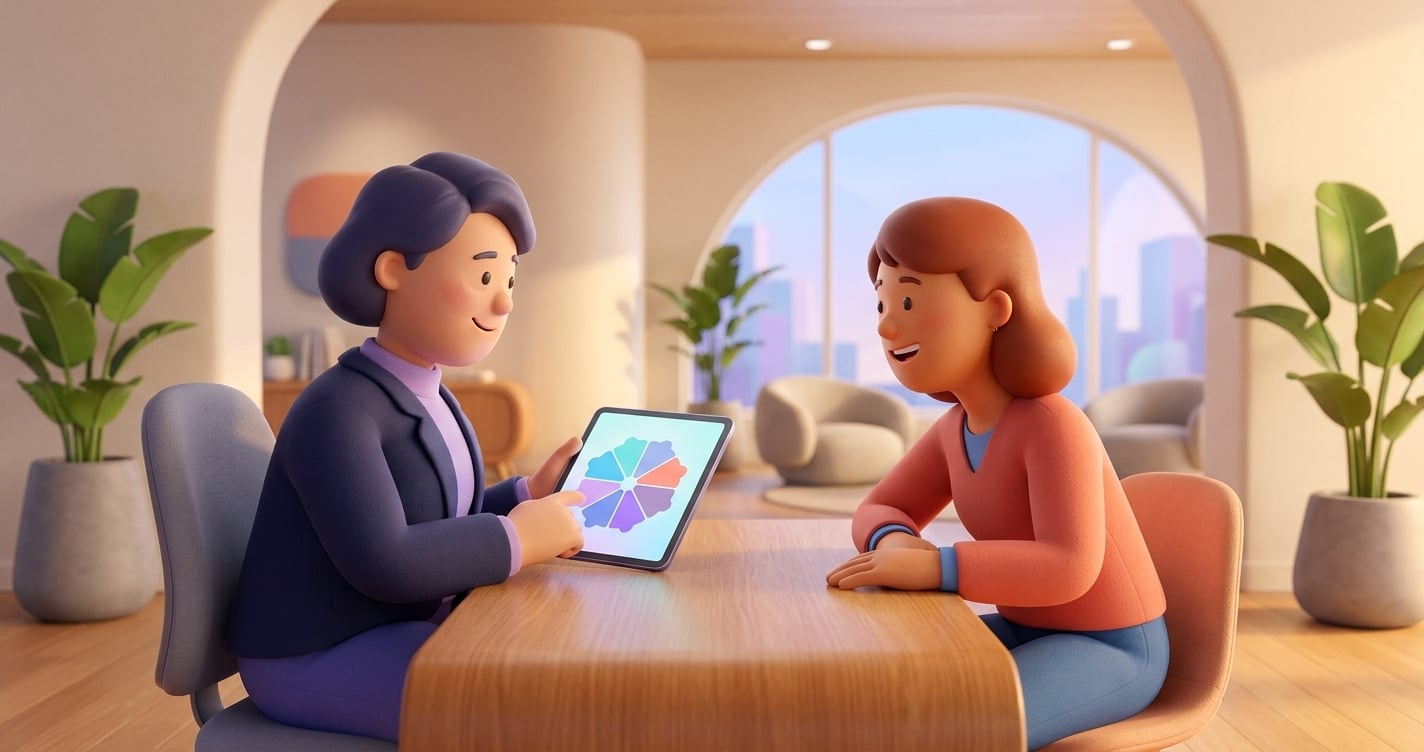
The best employee coaching software doesn’t just track your performance – it helps your manager understand your personality and adapt how they support you.
Key takeaways
- Effective employee coaching software personalises development based on an individual's unique work personality, not just generic metrics.
- The focus of modern platforms is shifting from annual reviews to continuous, real-time feedback and developmental conversations.
- The best tools equip managers with insights into their team's communication styles and blind spots, helping them become better coaches.
- Look for software that supports sustainable growth and self-awareness, rather than simply tracking tasks and performance indicators.
- The global online coaching software market is forecast to reach $13.42 billion by 2035, signalling a major shift in how companies approach employee development.
Ever left a performance review feeling completely misunderstood? You get told to be ‘more strategic’ or ‘more of a team player’, but the feedback is so generic it’s useless. It feels less like coaching and more like a checklist exercise designed to tick a box for HR.
You’re not broken for feeling this way. The traditional approach to employee development fails because it treats everyone the same. It ignores the fundamental truth that different people are motivated by different things, have different strengths, and need different kinds of support to thrive.
Most employee coaching software just digitises this broken process. It gives you a slicker interface for the same old generic goals and vague feedback. But a new generation of tools is emerging, built on a simple but powerful idea: what if coaching started with understanding who you are?
At its best, employee coaching software is a tool designed to help you and your manager have better, more honest conversations about your work and your growth. It’s not just a system for tracking your key performance indicators (KPIs) or documenting your progress for an annual review. It’s a platform for continuous development.
The whole category is growing fast. The employee coaching software market was valued at $2.8 billion in 2025 and is projected to reach $7.1 billion by 2034, according to research from MarketIntelo. This isn't just a niche tool anymore; it's becoming a standard part of how modern companies operate.
Think of it as the difference between a report card and a conversation. Old performance management systems were all about the report card – a grade, a ranking, a judgement. Modern coaching software is about the conversation. It creates a space for ongoing dialogue about your strengths, your challenges, and what you need to feel engaged and effective at work.
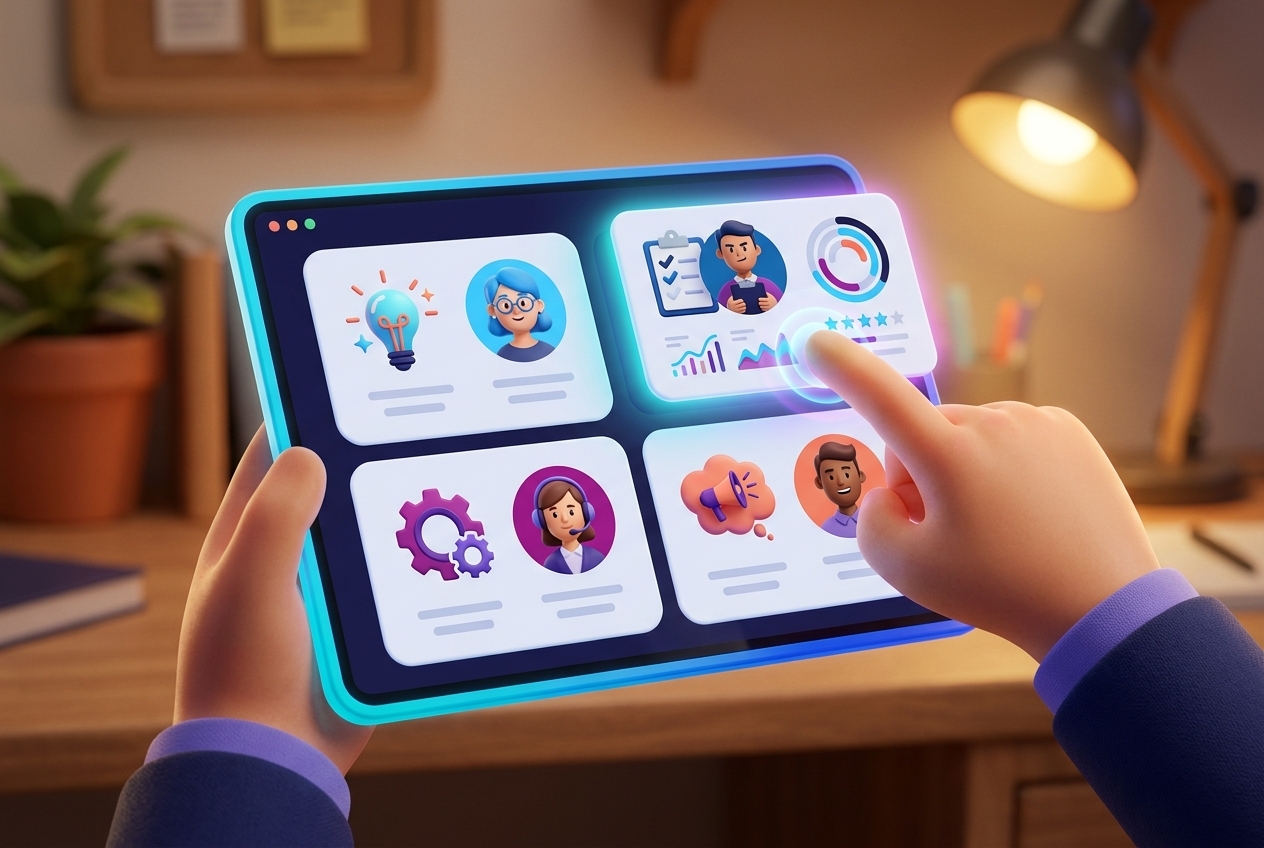
Here’s the problem with most software: it’s built around tasks and metrics, not people. It assumes that if you just set the right goals and track them closely, performance will follow. But it misses the most important part of the equation – the person doing the work.
You can’t coach a Pioneer, who thrives on new ideas and creative freedom, the same way you coach a Doer, who needs clear instructions and predictable routines. Giving a Pioneer a rigid checklist is crushing. Asking a Doer to constantly brainstorm without a clear outcome is stressful. Yet, most coaching is one-size-fits-all.
Personality-adaptive coaching changes this. It starts by understanding your natural work preferences and tendencies. Are you a Helper who is motivated by supporting others? Or an Evaluator who needs data to make logical decisions? When your manager understands this, their feedback suddenly becomes a lot more useful.
Instead of “be more proactive,” they can say, “I know you’re a deep thinker, but the team needs your analysis earlier in the process. How can we make that happen?” It’s a subtle shift, but it makes all the difference. If you're curious what personality type you default to under stress, Hey Compono can show you in about 10 minutes.
When you’re looking at different platforms, it’s easy to get lost in feature lists. But a few key capabilities separate the truly useful tools from the digital noise. A strong coaching culture has a measurable impact, with organisations reporting 62% employee engagement versus 50% in companies without one, according to Careertrainer.ai. The right software is a catalyst for that culture.
Here’s what to look for:
The software should do more than just let you set goals. It should offer insights and suggestions tailored to your work personality. For example, if you’re a Campaigner, it might suggest ways to channel your enthusiasm into structured projects. If you’re an Auditor, it might help you identify moments to share your detailed insights with the wider team.
The annual review is dead. Look for tools that make it easy to give and receive feedback in the moment. This could be a feature for quick check-ins, celebrating small wins, or asking for help on a specific task. The goal is to make feedback a normal, continuous part of the workflow, not a scary, once-a-year event.
A great coaching platform doesn’t just help you – it helps your manager become a better coach. It should provide them with a dashboard that gives them a clear view of their team's collective personality makeup. This helps them understand potential communication gaps, sources of conflict, and the overall strengths of the team.
Perhaps the biggest benefit of personality-adaptive software is that it takes the guesswork out of management. Most managers want to be good coaches, but they don't have the tools or the training. They fall back on what they know, which is often the same generic advice they received.
The right software acts as a guide. It can show a manager that their team is heavy on Pioneers but lacks Coordinators, which might explain why big ideas never seem to get translated into a concrete plan. It can highlight that two team members have conflicting communication styles and provide tips for mediating discussions.
This isn't about putting people in boxes. It's about giving managers a framework for understanding the diverse individuals on their team. It helps them build balanced teams and have productive conversations about work styles. Some teams use personality-adaptive coaching to have these conversations without it getting weird or personal.
When your manager understands what you need to be at your best, they can finally give you the support that actually helps you grow. The software becomes a bridge, connecting your need to be understood with your manager’s desire to lead effectively. And that’s a lot more useful than another dashboard of performance metrics.
Key insights
- The primary failure of traditional coaching software is its one-size-fits-all approach, which ignores individual differences in motivation and work style.
- Personality-adaptive coaching provides a framework for managers to deliver relevant, specific feedback that resonates with each team member.
- Effective software should facilitate continuous dialogue and real-time feedback, replacing the outdated model of the annual performance review.
- The ultimate goal is to equip both the employee and the manager, creating a culture of mutual understanding and sustainable professional growth.
Hey Compono is built around the idea that self-awareness is the foundation of genuine growth. We help you understand your work personality – your strengths, your blind spots, and how you interact with others – so you can get the support you actually need to do your best work.
Related reading
The main benefit is moving beyond generic, annual performance reviews to a system of continuous, personalised development. It helps employees get feedback that is relevant to their specific personality and work style, leading to more meaningful growth and better relationships with their managers.
Performance management software is typically focused on rating and evaluating past performance, often for compensation decisions. Coaching software is forward-looking and developmental. Its goal is to help employees grow their skills and self-awareness, rather than just grading them on their output.
No, and it shouldn't. The software is a tool to augment and support the human element of coaching. It provides data and insights to help managers become better coaches and have more effective, empathetic conversations. It equip the manager, it doesn't replace them.
Costs vary widely depending on the provider and the features included. Models often range from a per-user, per-month subscription fee to larger enterprise-level packages. The investment is typically weighed against the high returns seen from coaching, such as increased engagement and retention.
Personality-adaptive coaching is an approach that tailors feedback, goals, and support to an individual's innate work personality. For example, it recognises that a 'Pioneer' thrives on innovation and freedom, while an 'Auditor' needs detail and structure. The coaching style adapts to what best motivates each person.

Discover how manager coaching software improves team performance and retention. Get actionable steps to choose the right platform for your leaders in...

Discover the latest workplace coaching statistics for 2026. Find out how coaching impacts ROI, employee engagement, and overall team performance.

How to use ChatGPT as a life coach in 2026: practical prompts, the real limits, and ways to tailor the advice to your personality.