
 Compono
Hey Compono Business Guide: Adaptive AI Coaching in 2026
 Compono
Looking into the Hey Compono business? Discover how our personality-adaptive AI coaching helps teams communicate better and work smarter in 2026.

Building a business case for ai coaching requires demonstrating how personalised development at scale directly reduces turnover costs and closes the skills gap across your entire workforce.
When you can show that automated, personality-led growth isn’t just a perk but a strategic lever for productivity, approval becomes a conversation about value rather than cost. Most organisations struggle to provide coaching beyond the executive level, leaving the majority of their people to figure things out on their own. This lack of support is often where disengagement begins, making a scalable solution not just a luxury, but a necessity for modern teams.
Key takeaways
- AI coaching democratises professional development by providing personalised support to every employee, not just senior leaders.
- A strong business case focuses on the tangible costs of employee turnover and the productivity gains from improved self-awareness.
- Personality-led tools like Hey Compono allow for tailored coaching that respects individual work styles and natural behaviours.
- Linking coaching outcomes to specific business objectives, like leadership bench strength or team cohesion, ensures executive buy-in.
- Scalability and cost-effectiveness are the primary advantages of AI-driven platforms over traditional 1:1 human coaching models.
You’ve likely seen it in your own office, the high-potential manager who feels stuck, or the quiet high-performer who eventually leaves because they didn’t feel 'seen' or supported. For a long time, the solution to this was human coaching, but that comes with a price tag that usually limits it to the C-suite. This creates a coaching gap where the people doing the heavy lifting daily are left without the tools to understand their own work behaviours or how to handle friction with their peers.
When you are building a business case, you have to start with the problem of the 'forgotten middle'. These are the professionals who are expected to lead and perform but aren't given the self-awareness tools to do so effectively. The cost of this gap shows up in your churn rate, your recruitment spend, and the quiet friction that slows down every project. It is not just about 'feeling better' at work; it is about the measurable drag that comes from teams who do not know how to communicate because they do not understand their own natural work personalities.
If you're curious what personality type you default to under stress, Hey Compono can show you in about 10 minutes, providing the kind of insight that used to take months of expensive sessions to uncover. By identifying these gaps early, you can frame your business case around prevention, preventing turnover, preventing burnout, and preventing the breakdown of team culture.
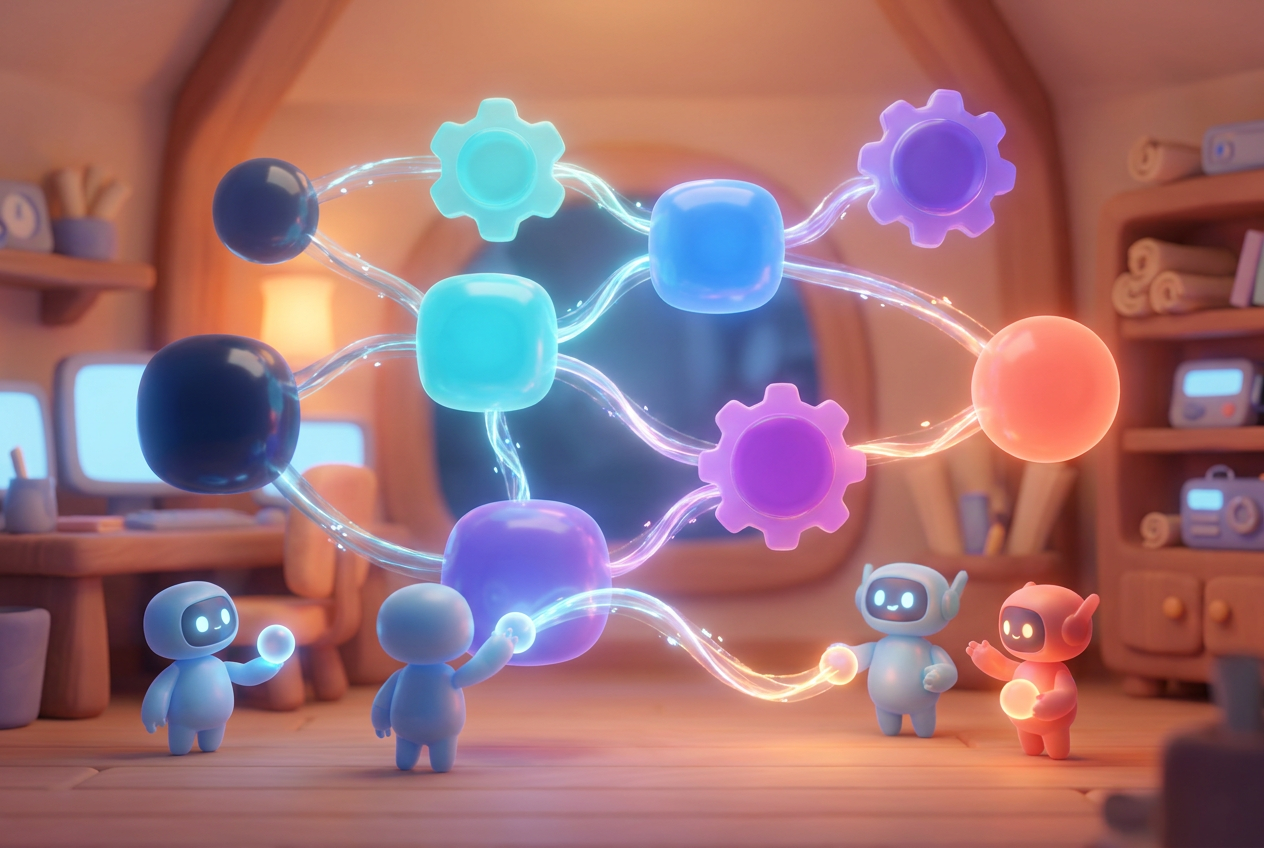
The most common hurdle in any business case is the 'so what' factor. Executives want to know how ai coaching moves the needle on the bottom line. The most direct path here is through retention. Replacing a mid-level professional can cost upwards of 1.5 to 2 times their annual salary when you factor in recruitment, onboarding, and lost productivity. If AI coaching can improve retention by even a small percentage by making people feel more understood and supported, the platform pays for itself within the first few months.
Beyond retention, there is the productivity of 'flow'. When people understand their work personality, whether they are a 'Doer' who thrives on tasks or a 'Pioneer' who needs room for big ideas, they spend less time fighting their natural instincts and more time producing results. In your business case, highlight that AI coaching provides a 24/7 support system that helps employees manage real-world challenges in real-time. It is the difference between a manager stewing over a difficult conversation for three days and them getting immediate, personality-led advice on how to approach that specific colleague.
Teams using personality-adaptive coaching often report a significant drop in 'frictional loss', that wasted energy spent on misunderstandings and misaligned expectations. By using Hey Compono use cases as a reference point, you can show how different departments, from sales to engineering, benefit from coaching that actually understands the nuances of their specific roles and behaviours.
The beauty of AI is its ability to be everywhere at once. Traditional coaching is a linear expense; if you want to coach 100 people, you pay for 100 coaches (or a lot of hours). AI coaching breaks this link. It allows you to offer a high-quality, psychologically-backed experience to every single person in the organisation for a fraction of the cost of one executive coach. This 'democratisation of development' is a powerful narrative for any business case, especially in a world where employees are increasingly looking for growth opportunities as a condition of their employment.
When you present this to leadership, focus on the consistency of the data. Human coaches are great, but they are also varied in their methods and quality. An AI-driven approach ensures that every employee is being guided by the same evidence-based frameworks, such as the eight work actions that define high-performing teams. This creates a common language across the company. When everyone understands what it means to be an 'Auditor' or a 'Campaigner', the culture becomes more cohesive because the 'why' behind people's actions is finally transparent.
You can even suggest a pilot programme to prove the concept. Start with a specific department that is facing high pressure or undergoing a significant change. By showing the 'before and after' of team engagement scores or project delivery speeds, you provide the hard evidence needed for a full-scale rollout. It makes the transition from a 'nice-to-have' tool to an essential piece of the company's tech stack.
Today’s workforce, particularly those in the 25–55 age bracket, values self-awareness and personal growth over traditional corporate perks. They want to understand why they feel 'too much' of something or why certain tasks drain them while others energise them. A business case for AI coaching should tap into this shift in the employee value proposition. You are not just buying software; you are investing in a culture of self-discovery and mutual respect.
This is where the emotional resonance of the brand comes in. People don't want to feel like a cog in a machine; they want to feel like their unique brain is an asset. Hey Compono is built on the idea that you aren't broken and you don't need to be 'fixed', you just need to understand how you tick. When you frame the business case this way, you're showing leadership that you're building a resilient, self-aware workforce that can handle the complexities of the modern workplace without constant intervention from HR.
There's actually a way to figure out which of these patterns fits you, take a quick personality read and see what comes up. Including this kind of 'low-friction' entry point in your proposal shows that the barrier to entry is low, but the potential for deep, long-term impact is incredibly high. It shifts the focus from a top-down mandate to a bottom-up empowerment tool.
Key insights
- The primary driver for AI coaching is the ability to provide professional development to the entire workforce at a sustainable cost.
- Successful business cases link coaching to the reduction of 'frictional loss' and the high costs associated with employee turnover.
- Personality-adaptive coaching creates a common language within teams, leading to faster conflict resolution and better collaboration.
- AI coaching platforms offer 24/7 support, allowing employees to apply insights to their work immediately rather than waiting for a scheduled session.
- Investing in self-awareness tools aligns with the modern employee's desire for personal growth and a more human-centric workplace culture.
Building a business case is about showing that you understand the company’s biggest challenges, retention, productivity, and culture, and offering a scalable, evidence-based solution. By focusing on the ROI of a self-aware workforce, you can move AI coaching from a budget line item to a strategic priority.
Related reading: AI coaching subscription for business: how it works · What does AI coaching ROI look like in an energy business
Employee coaching, wellbeing support and team personality insights in one platform, built on organisational psychology.
Talk to usYou can measure ROI by tracking metrics like employee retention rates, engagement scores, and the reduction in time spent on conflict resolution. Additionally, compare the cost of the AI platform against the projected cost of traditional 1:1 coaching for the same number of employees to show immediate budget savings.
While human coaches offer deep 1:1 interaction, AI coaching provides the advantage of being available 24/7 and being based on consistent, evidence-based psychological frameworks. For the majority of your workforce, the immediate, actionable feedback provided by AI is often more practical for day-to-day challenges than occasional human sessions.
Usage rates are typically high when the tool is framed as a benefit for the employee's own personal growth and self-awareness. When people see that the insights help them understand their own work personality and reduce their daily stress, they tend to engage with the platform as a personal development resource rather than a corporate requirement.
Most modern AI coaching platforms are designed to be lightweight and easy to implement. They often work alongside your existing performance management systems by providing the 'how' behind the 'what', helping employees develop the soft skills and self-awareness needed to hit their formal performance targets.
Yes, significantly. By providing a shared language around work personalities, AI coaching helps team members understand that 'friction' is often just a result of different natural work styles. This understanding allows teams to move from personal blame to objective problem-solving, which is a major selling point for any business case.

Looking into the Hey Compono business? Discover how our personality-adaptive AI coaching helps teams communicate better and work smarter in 2026.
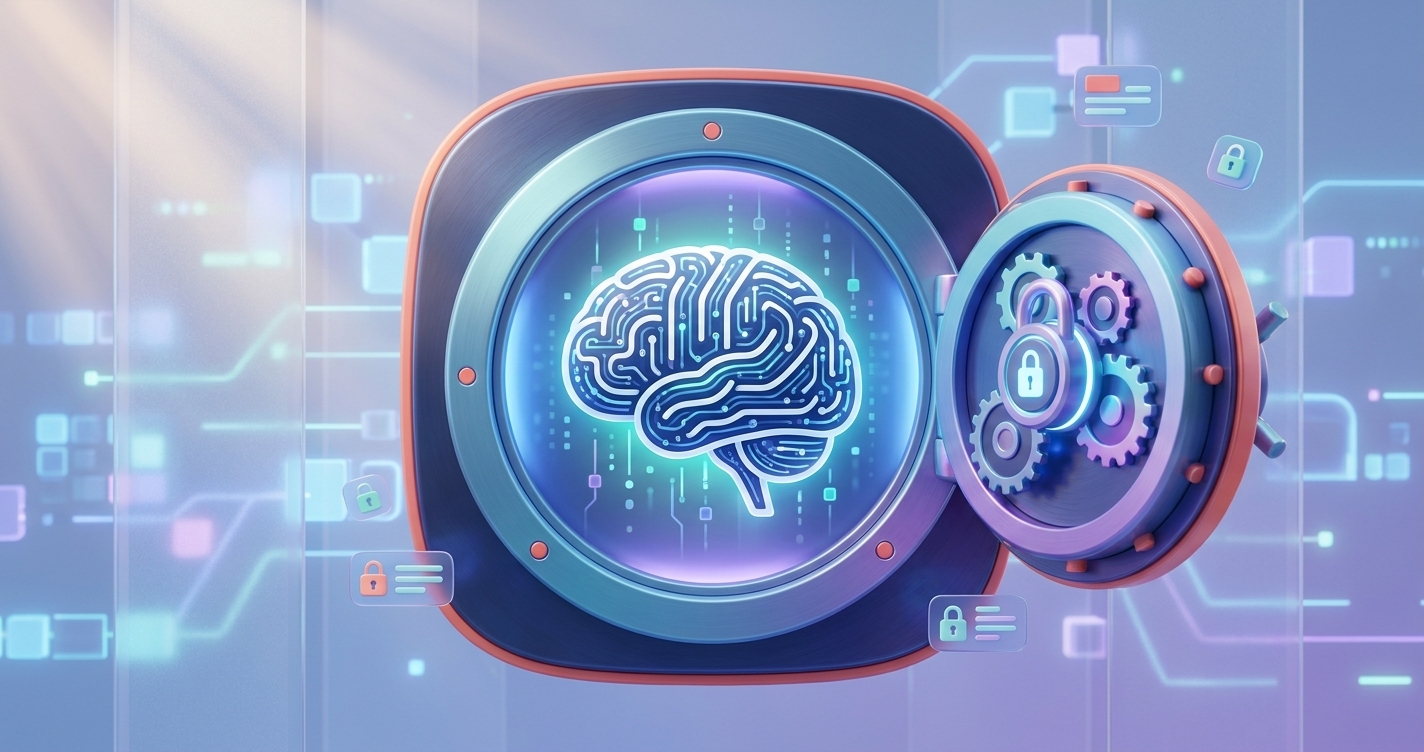
What to ask before you buy AI coaching: employee privacy, where personality data lives, how long it is kept, and who inside the company sees it.

What your team gets from an AI coaching subscription, how it works as more people join, what to compare between options, and where personality fits.