
 Mathan Allington

Practical feedback conversation examples for 2026
 Compono
Word-for-word examples for the feedback conversations people avoid: missed deadlines, attitude, quality slipping, and praise that does not sound...
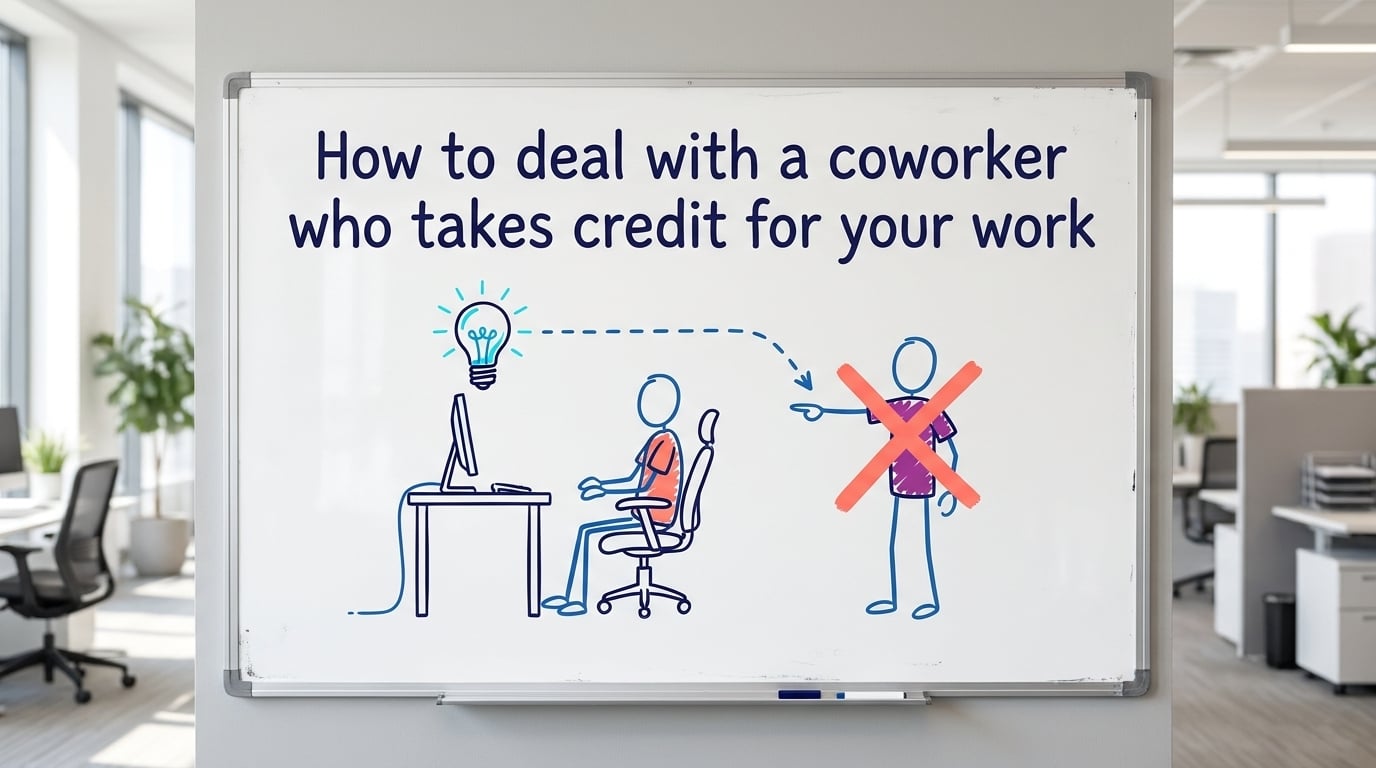
To know how to deal with a coworker who takes credit for your work, you must correct the record calmly in the moment, establish a digital paper trail of your contributions, and have a direct but non-accusatory conversation to prevent it from happening again.
Last reviewed November 2026
Key takeaways
- Address the situation immediately by calmly clarifying your specific contributions in meetings or group chats.
- Protect your professional reputation by keeping a visible digital paper trail of your ideas and project updates.
- Schedule a private conversation to discuss the issue directly without making emotional accusations.
- Recognise when the behaviour becomes systemic bullying and know exactly when to involve your manager.
You share a brilliant idea with a colleague, and minutes later in a team meeting, they present it as their own. It is a frustrating experience that can leave you feeling undervalued and deeply unappreciated. You are not alone in this experience. In fact, 65% of U.S. employees surveyed identified coworkers taking credit for others’ work as a significant source of workplace dissatisfaction (Forbes).
Employees who experience “knowledge theft” often respond with anger because the behaviour threatens their sense of ownership and recognition (Forbes). When someone else takes the spotlight for your hard work, your natural reaction is to feel defensive. However, letting the situation slide is dangerous for your professional growth. If you stay silent, you risk feeling invisible at work and losing out on future promotions or career opportunities.
The goal is not to start a shouting match. The goal is to reclaim your work methodically. You need a strategy to make your contributions undeniable without looking petty or argumentative to the rest of the team.
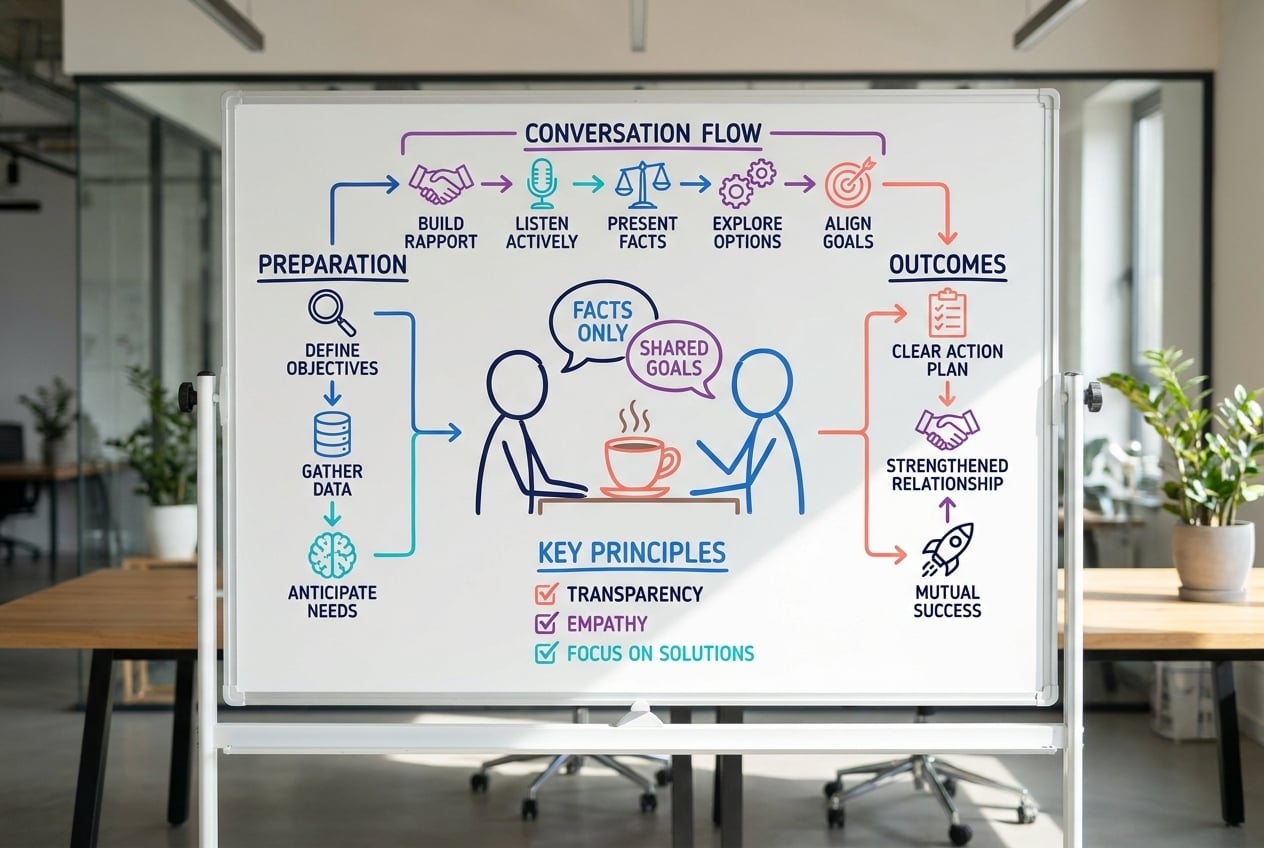
When a colleague claims your idea in front of others, you must address it in real time. If you wait until after the meeting, the rest of the team has already cemented the false narrative in their minds. Career experts recommend correcting the record calmly, naming the specific contribution, and focusing on what was done rather than accusing the coworker of wrongdoing (Realign Coaching).
The trick is to use an additive approach. Instead of saying "that was my idea", you build on what they said while inserting your ownership. Try these verbatim phrases the next time you are interrupted or spoken over:
This technique allows you to take back the credit gracefully. You look like a collaborative team player while making it crystal clear who did the actual heavy lifting.
In hybrid and remote workplaces, credit theft often happens asynchronously. A coworker might compile a weekly update in a public Slack channel and conveniently leave your name off the list of contributors. To protect yourself, you must become proactive about your digital footprint.
Keeping records of project roles, decisions, proposals, and completed tasks helps establish a factual account of individual contributions (Forbes). Use your project management tools as a protective audit. When you complete a task in Jira or Asana, leave a detailed comment outlining exactly what you achieved. Do not wait for someone else to summarise your work.
If someone posts an update that omits your involvement, jump into the thread immediately. A polite but firm Slack template looks like this: "Great summary, team. I am really proud of the backend coding I completed for this phase. Happy to answer any questions about my work on the database structure." This cements your involvement in the public record.
Once you have handled the immediate situation, you need to speak with the coworker privately. Sometimes people steal credit maliciously, but often they are just moving too fast and genuinely forget to acknowledge others. Approach the conversation with curiosity rather than hostility.
This can be incredibly daunting if you identify as The Helper, a personality type that naturally avoids conflict to maintain harmony. However, setting boundaries is essential for your wellbeing. Book a short video call or find a quiet meeting room and state the facts neutrally.
You might say: "I noticed that when you presented the slide deck today, my name was not mentioned as the primary researcher. From here, I need to make sure we are both credited accurately for our shared projects." If you are feeling anxious about finding the right words, the first step is visiting the Hey Compono home page to learn how coaching builds communication confidence. Many people use the Hey Compono app to role-play these exact conversations before they happen.
If the private conversation does not change their behaviour, it is time to escalate. Many employees fear that complaining to a manager will make them look like a difficult employee. To avoid this, you must focus entirely on business outcomes and accurate reporting, rather than personal grievances.
A documented pattern should be raised with a manager using specific incidents and evidence, while framing the issue around accurate recognition and team outcomes (Forbes). Bring your digital paper trail to your one-on-one meeting. Present the facts calmly, showing the original timestamps of your work alongside the instances where your coworker claimed it.
Frame the conversation around team clarity. You could say: "I want to ensure there is full visibility on project ownership so we can avoid bottlenecks. On the last three campaigns, my work was presented by someone else, which caused confusion about who is handling the strategy." If you need help structuring this chat, you can practise difficult conversations with an AI coach to refine your delivery.
Knowing when to let go and when to escalate is a critical career skill. When two people claim ownership of an idea, observers are more likely to credit the higher-status employee, even without evidence about who originated it (Forbes). This power changing means you must be strategic about your battles.
| Scenario | Business Impact | Recommended Action |
|---|---|---|
| A minor idea is repeated in a casual brainstorming session. | Low. It does not affect your performance review or project ownership. | Reclaim it playfully in the moment, but do not escalate further. |
| A peer repeatedly takes credit for your weekly tasks in written updates. | Medium. It skews the perception of who is doing the daily work. | Have a direct conversation with the coworker and increase your own visible updates. |
| A senior leader or manager presents your major strategic project as their own. | High. It directly impacts your career progression and visibility. | Document everything. Escalate to HR if the pattern becomes systemic bullying. |
If the credit theft turns into a toxic pattern that affects your mental health, you may need to pursue formal escalation. Reading up on how to handle conflict with a coworker can help you understand the official HR pathways available in your workplace.
Standing up for your work takes practice and emotional regulation. If you are struggling to find the right words to reclaim your ideas, you do not have to figure it out alone. You can role-play these exact scenarios with a personality-adaptive AI coach to build your confidence.
Related reading
You should schedule a private, one-on-one conversation and use "I" statements to keep the tone neutral. State the facts plainly, such as noting that your name was left off a specific report, and ask that you align on shared credit from here. Keep the conversation focused on accurate team visibility rather than personal accusations.
You should only involve your boss if the behaviour becomes a recurring pattern or if the stolen credit involves a major project that impacts your career progression. When you do speak to your manager, bring documented evidence and frame the issue around avoiding confusion and ensuring accurate project tracking.
The best way to prove ownership is to maintain a visible digital paper trail. Keep timestamped records of your early drafts, send summary emails after meetings to document your proposals, and log your completed steps in project management software like Asana or Jira.
Handling a boss who steals credit is delicate due to the power changing. Focus on making your work visible to a wider audience by presenting your findings in cross-functional meetings or copying other stakeholders on major project updates. If the behaviour crosses into systemic bullying, you may need to consult HR.
You should reclaim the floor immediately with a polite, additive statement. You can say something like, "I am so glad you agree with the point I was just making. To finish my thought..." This allows you to take back ownership of the idea without creating an awkward confrontation in front of the team.

Word-for-word examples for the feedback conversations people avoid: missed deadlines, attitude, quality slipping, and praise that does not sound...

Learn how to practice a difficult conversation with an employee. Get practical steps to prepare, manage your anxiety, and deliver clear feedback.
Learn exactly what to do if your boss doesn't like you. Get conversation scripts, documentation strategies, and steps to protect your career and...
 Mathan Allington