
 Compono

1 min read
How to develop women leaders in banking using personality
 Compono
To develop women leaders in banking, organisations must move away from generic corporate training and instead help individuals understand how their...
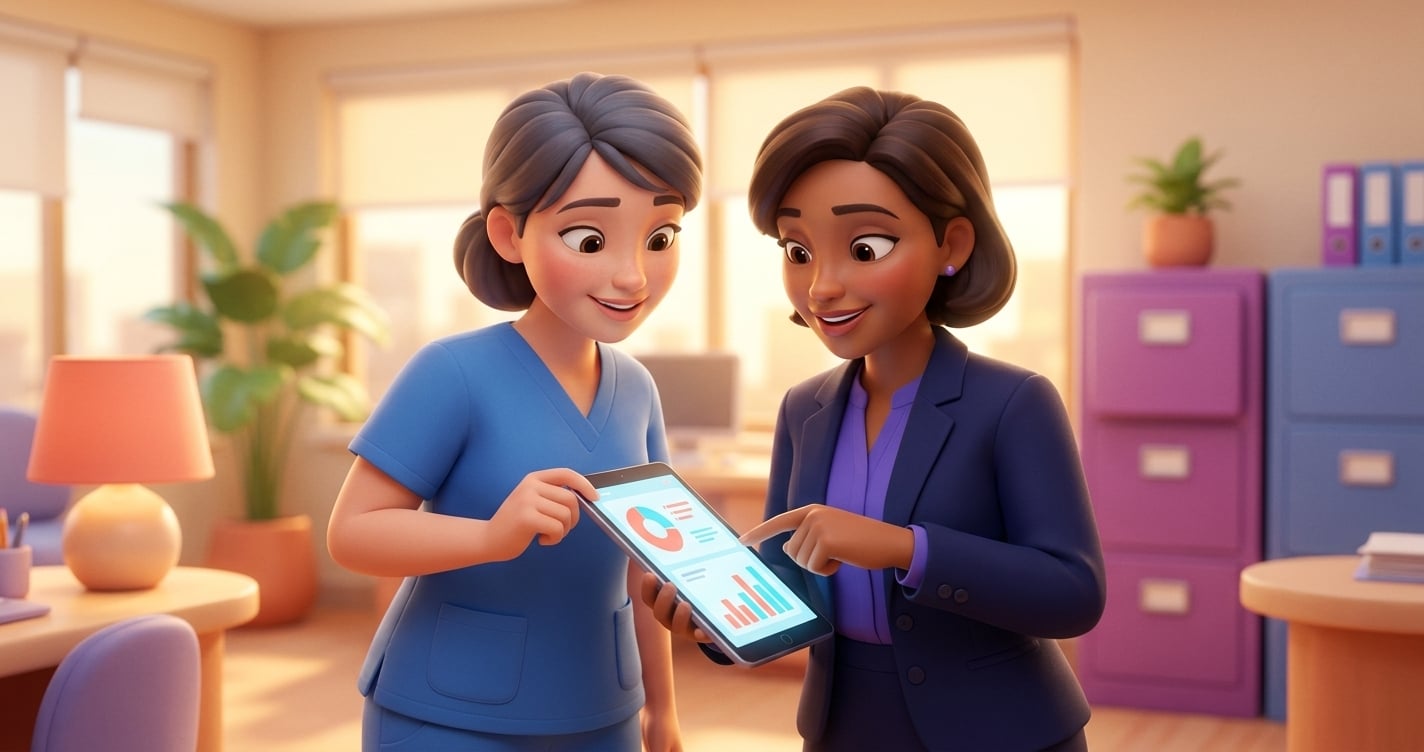
Developing women leaders in healthcare requires moving past generic mentorship programmes and instead building pathways that align with their natural work personalities, fix vague feedback loops, and accommodate intense clinical schedules.
Key takeaways
- Healthcare organisations must replace vague feedback with actionable, business-focused performance metrics.
- Leadership development works best when adapted to an individual's natural work personality rather than forcing a single corporate mould.
- Effective training programmes must respect the reality of clinical shift work and high-stress environments.
- Organisations need to teach leaders how to adapt between directive, democratic, and non-directive styles based on the situation.
Walk into almost any hospital or healthcare centre and you will see women running the front lines. They manage the wards, coordinate patient care, and keep the daily operations moving. Look at the executive boardroom of that same organisation, and the picture usually changes completely.
The gap between clinical excellence and executive leadership is a known problem in healthcare. Many talented professionals hit a ceiling where their technical skills are no longer enough to secure promotion.
The standard response is to send women to generic leadership seminars or assign them a mentor. These approaches rarely create lasting change because they ignore the specific realities of a clinical environment. Building genuine leadership capability requires a completely different approach.
People have natural preferences for how they work and interact with others. When you promote a brilliant clinician into management, you are often asking them to use a completely different set of behavioural muscles.
At Compono, our research shows there are eight key work activities that high-performing teams do. These map directly to different work personalities. A highly empathetic nurse might naturally operate as "The Helper" – someone who thrives on supporting others and maintaining harmony. Put them in a management role where they have to enforce strict budgets and manage underperformance, and they will likely find the transition exhausting.
Conversely, a clinician who naturally defaults to "The Evaluator" personality will easily handle objective risk assessment and logical decision-making. They might struggle with the emotional intelligence required to guide a burned-out team through a difficult shift.
Leadership development in healthcare needs to start with self-awareness. When people understand their natural default behaviours, they can recognise their blind spots. Some hospitals use personality-adaptive coaching to help clinical staff step into management roles without feeling like they have to change who they are.

Women in healthcare frequently receive feedback based on their personality rather than their performance. They are told to "be more confident" or "soften their approach" when dealing with difficult stakeholders.
Male colleagues in similar roles are far more likely to receive feedback tied directly to business outcomes, financial management, or strategic planning. This creates a massive disadvantage for women trying to build an executive skillset.
You cannot develop strong leaders if you are giving them vague, subjective feedback. Healthcare administrators need to train their current managers to deliver objective performance data. If a female leader needs to improve, the conversation should focus on her resource allocation, operational efficiency, or project delivery.
When you remove subjective personality critiques from performance reviews, you give people a clear, actionable path to improve their leadership skills.
The standard corporate leadership programme assumes a standard corporate schedule. Healthcare does not work on a Monday to Friday schedule. Asking a ward manager to attend a three-day offsite seminar when her department is short-staffed is setting her up to fail.
Development has to happen in the flow of work. Healthcare leaders need micro-learning opportunities and coaching that fits around shift work and clinical emergencies.
Organisations should build leadership pathways that acknowledge the intense cognitive load of patient care. This means providing protected time for strategic thinking and development. If you expect a clinician to develop executive skills while managing a full patient load, you will simply accelerate their burnout.
Many new managers believe there is one "correct" way to lead a team. The reality is that effective leadership requires adapting your style to the immediate situation.
A trauma centre dealing with a mass casualty event requires Directive Leadership. The leader must provide clear instructions, expect a structured approach, and make rapid decisions. There is no time for a committee meeting when lives are on the line.
Reviewing a hospital's long-term patient care policy requires Democratic Leadership. The leader needs to advocate for collaboration, share decision-making, and appreciate contributions from different departments. For highly experienced specialist teams, Non-Directive Leadership often works best, allowing the team autonomy and offering guidance only when required.
If you want to understand your natural default under stress, Hey Compono shows you your work personality in about ten minutes. Once women understand their default leadership style, they can learn how to consciously flex into different styles when the clinical situation demands it.
There is a persistent narrative that women in healthcare suffer from "imposter syndrome" and need to be taught how to believe in themselves. This framing places the blame entirely on the individual.
Feeling unsure of yourself when stepping into a poorly defined management role with inadequate support and vague feedback is a completely rational response. It is not a psychological failing.
Organisations need to stop treating women as if they need to be fixed. The focus should be on fixing the systems around them. Provide clear expectations, objective feedback, and development tools that respect their natural work personalities.
When you build an environment that actually supports growth, you will find that the confidence issue often resolves itself. People step up when they are given the right tools and a clear understanding of how their specific brain works best.
Key insights
Developing women leaders in healthcare requires a shift away from generic corporate training. Organisations must provide objective, business-focused feedback rather than subjective personality critiques. Leadership development is most effective when it acknowledges a person's natural work personality and teaches them how to adapt their style to different clinical situations. By respecting the realities of shift work and fixing broken support systems, healthcare providers can successfully bridge the gap between frontline clinical excellence and executive leadership.
Ready to understand the natural leadership styles within your healthcare team and build better development pathways?
Women often face systemic barriers including a lack of protected time for development alongside clinical duties. They also frequently receive vague, personality-based feedback rather than the objective, strategic feedback required to build executive skills.
There is no single best style. Effective healthcare leaders adapt their approach based on the situation. Crisis situations require directive leadership, while policy planning benefits from a democratic approach.
Your natural work personality dictates how you prefer to communicate, handle conflict, and make decisions. Understanding these natural defaults helps leaders recognise their blind spots and learn when they need to consciously adjust their behaviour.
Hospitals should move away from generic offsite seminars and integrate coaching into the daily flow of work. Training must respect the demands of shift work and provide tools that help clinicians translate their technical excellence into management capability.
Training should focus on building competence and self-awareness rather than just confidence. When individuals receive clear expectations, objective feedback, and understand their natural working style, confidence naturally follows.

1 min read
To develop women leaders in banking, organisations must move away from generic corporate training and instead help individuals understand how their...

1 min read
Developing leaders without sending them on a course requires shifting focus from generic classroom training to daily, personality-driven...

1 min read
Developing managers in a government business requires moving beyond compliance training to understand how different work personalities operate within...