
 Compono
Executive interview prep: how to articulate your leadership style
 Compono
Executive interviews push on how you lead, how you handle pressure and what you miss. How to answer honestly with examples rather than rehearsed...

To succeed in your engineering recruitment agency interview prep NSW, you must look beyond rehearsing technical answers and clearly explain how your specific personality approaches complex problem-solving.
Key takeaways
- Technical skills get you an interview, but your self-awareness and problem-solving style actually secure the job offer.
- Recruiters want to know how you behave under pressure, not just what software you know how to use.
- Understanding your natural work personality helps you answer behavioural questions honestly without sounding scripted.
- High-performing engineering teams need a mix of personalities, from detail-focused Auditors to innovative Pioneers.
Walking into an interview room in Sydney or Newcastle can feel like stepping up to a firing squad. You have spent years studying, you know the technical specifications back to front, and you have a solid track record. Yet, when the recruiter asks how you handle conflict or manage tight deadlines, your mind goes blank.
You end up giving the same generic answers as the last ten candidates. You claim your biggest weakness is that you care too much. You say you are a perfectionist. The recruiter smiles, writes something down, and you never hear from them again.
Engineering recruitment agencies in NSW see hundreds of highly qualified candidates every week. They all have the right degrees. They all know the right software. To actually stand out, you need to stop playing a character and start understanding your own default behaviours.
It is easy to assume that engineering is purely objective. You either know how to calculate load-bearing capacities or you do not. You either understand the fluid dynamics of a new system or you are guessing.
But the reality of modern engineering projects is entirely different. You are working with tight budgets, changing environmental regulations, and teams of people who all think their part of the project is the most important. Agencies know this. They are not just hiring a calculator, they are hiring a person who has to manage stress, miscommunication, and moving targets.
When you start your engineering recruitment agency interview prep NSW candidates often make the mistake of memorising technical manuals. Instead, you need to prepare for the questions that test your self-awareness. How do you react when a project scope changes at the last minute? Do you dig your heels in, or do you immediately start brainstorming new solutions?
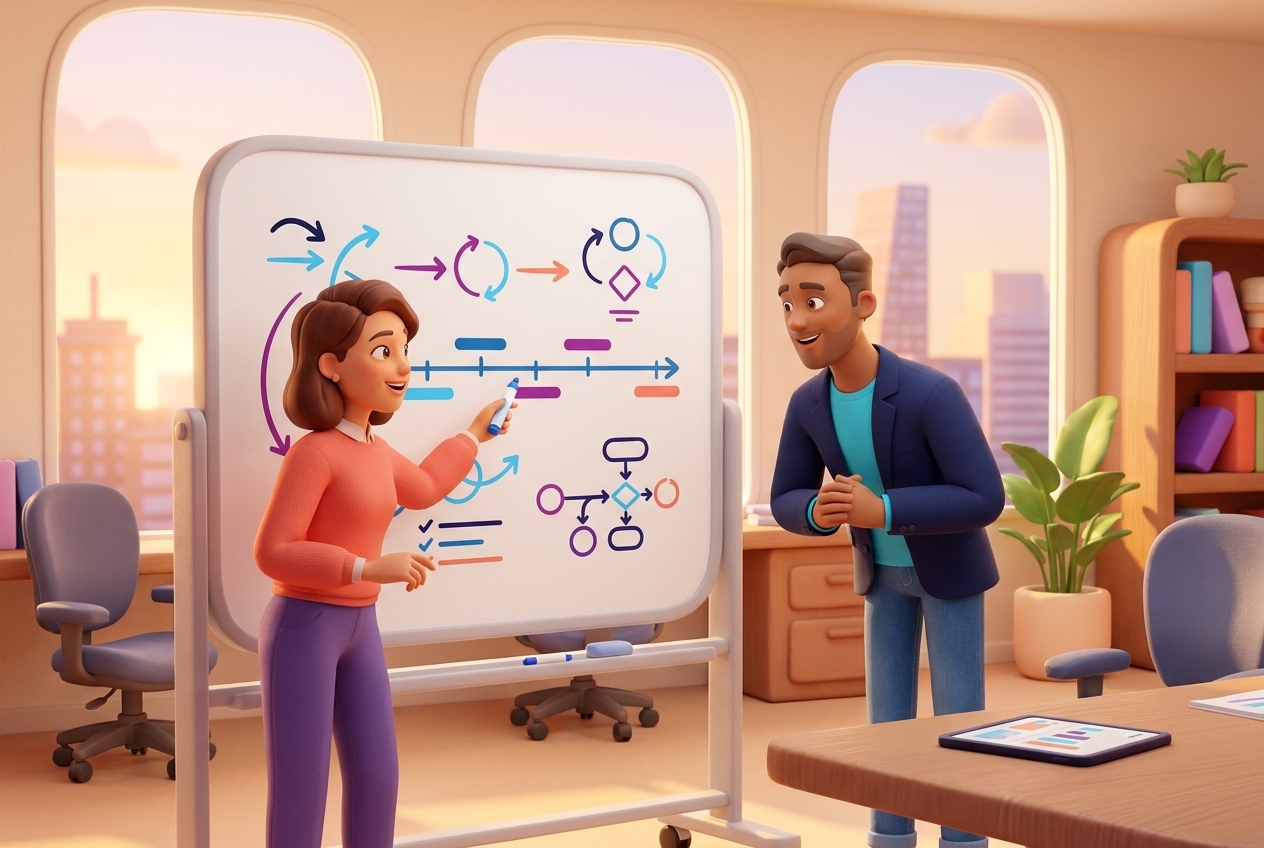
Every engineer has a default way of operating. At Compono, we have spent over a decade researching how high-performing teams function, and we found that people naturally gravitate toward specific work activities. We call these work personalities.
Understanding which personality you are changes how you pitch yourself in an interview. If you are an Evaluator, your strength is logical, objective risk assessment. You look at a project plan, spot the flaws, and weigh up the options before moving forward. In an interview, you should highlight this. Tell the recruiter how your deliberate decision-making saved a previous project from a costly mistake.
On the other hand, you might be a Doer. You are practical, hands-on, and focused entirely on getting the job done efficiently. You do not want to sit in endless strategy meetings, you want to execute. When an agency asks about your strengths, lean into your reliability and focus on deadlines.
If you are curious what personality type you default to under stress, Hey Compono can show you in about 10 minutes. Knowing this gives you a vocabulary to describe your actual working style, rather than guessing what the recruiter wants to hear.
Related reading: Healthcare recruitment agency interview prep in Tasmania · Finance recruitment agency interview prep guide
Hey Compono gives your candidates AI interview practice, role play and feedback as part of your placement service. What is candidate prep?
See how it worksThe dreaded behavioural questions are where most engineering candidates stumble. "Tell me about a time you disagreed with a colleague." "Describe a situation where you failed."
Most people try to spin these questions to make themselves look flawless. It never works. Recruiters are trained to spot rehearsed, fake answers. They want to see vulnerability and recognition of your own blind spots. You are not broken because you have weaknesses, you are human.
Let us say you are an Auditor. Your natural preference is to focus heavily on the details, ensuring everything meets strict compliance standards. Under pressure, your blind spot is that you might get so bogged down in the minor details that you slow the project down. If a recruiter asks about a weakness, tell them exactly that.
Explain that you naturally focus on precision, which means you sometimes need a colleague to tap you on the shoulder and remind you of the bigger picture. This shows immense self-awareness. It tells the agency that you understand your own brain and know how to manage your limitations.
Engineering projects are collaborative by nature. A team made up entirely of brilliant Pioneers, people who are highly imaginative and love exploring new ideas, will come up with incredible concepts but might never actually finish building anything. They need Coordinators to enforce deadlines and Auditors to check the math.
During your interview, ask the recruiter about the existing team structure. Are they looking for someone to bring fresh, innovative ideas, or are they desperate for someone to bring order to chaos?
When you understand your own work personality, you can have an honest conversation about whether you are the right fit for the gap they are trying to fill. Some teams use personality-adaptive coaching to understand these dynamics before they even make a hire. If you can speak this language in the interview, you immediately position yourself as a mature, self-aware professional.
Interviews are unnatural environments. You are sitting in a room, wearing uncomfortable clothes, trying to compress your entire professional worth into a 45-minute conversation. It is entirely normal to feel stressed.
What matters is how your personality reacts to that stress. A Campaigner, someone who is naturally enthusiastic and big-picture focused, might start talking too fast and jumping between ideas when nervous. A Coordinator might become overly rigid and blunt.
Recognise what your brain does when the pressure is on. If you know you tend to ramble when nervous, practice pausing for three seconds before answering a question. If you know you become too blunt, consciously remind yourself to add a bit of warmth to your tone. You do not need to change who you are, you just need to manage the volume dial on your natural traits.
Key insights
- Engineering agencies in NSW hire candidates who demonstrate strong self-awareness alongside their technical capabilities.
- Your work personality dictates how you handle stress, communicate with teams, and solve complex problems.
- Answering behavioural questions honestly by acknowledging your natural blind spots builds trust with recruiters.
- Understanding team dynamics allows you to position yourself as the exact missing piece a project needs.
- Managing your default stress behaviours during the interview helps you present the best version of your natural self.
Agencies look for a baseline of technical competence combined with strong communication skills and self-awareness. They want to know how you handle conflict, manage your time, and fit into an existing team structure.
Answer with honesty and specific examples. Instead of giving a fake weakness, explain a real blind spot related to your work personality and describe the practical steps you take to manage it during a project.
Your work personality explains how you naturally approach problems. An engineering team needs different personalities, like detail-oriented Auditors and action-focused Doers, to successfully design and deliver a complex project without missing deadlines.
You stand out by being highly self-aware. While other candidates recite rehearsed answers, you can discuss exactly how your brain works, how you collaborate with contrasting personalities, and what specific value you add to a team's dynamic.
Review the technical requirements, but spend equal time understanding your own behavioural tendencies. Take a personality assessment to give yourself the right vocabulary to explain your working style, strengths, and areas where you need support.

Executive interviews push on how you lead, how you handle pressure and what you miss. How to answer honestly with examples rather than rehearsed...

How per candidate interview prep tools work, what you pay for, and what to look for if you prepare a lot of people for interviews.

What a recruiter screen is really testing, how to handle technical and culture fit questions, and how to describe the way you work without waffling.