
 Mathan Allington
What excellence actually looks like for modern teams
 Compono
Discover why excellence isn't about perfection. Learn how to build high-performing teams by embracing authentic work personalities and sustainable...
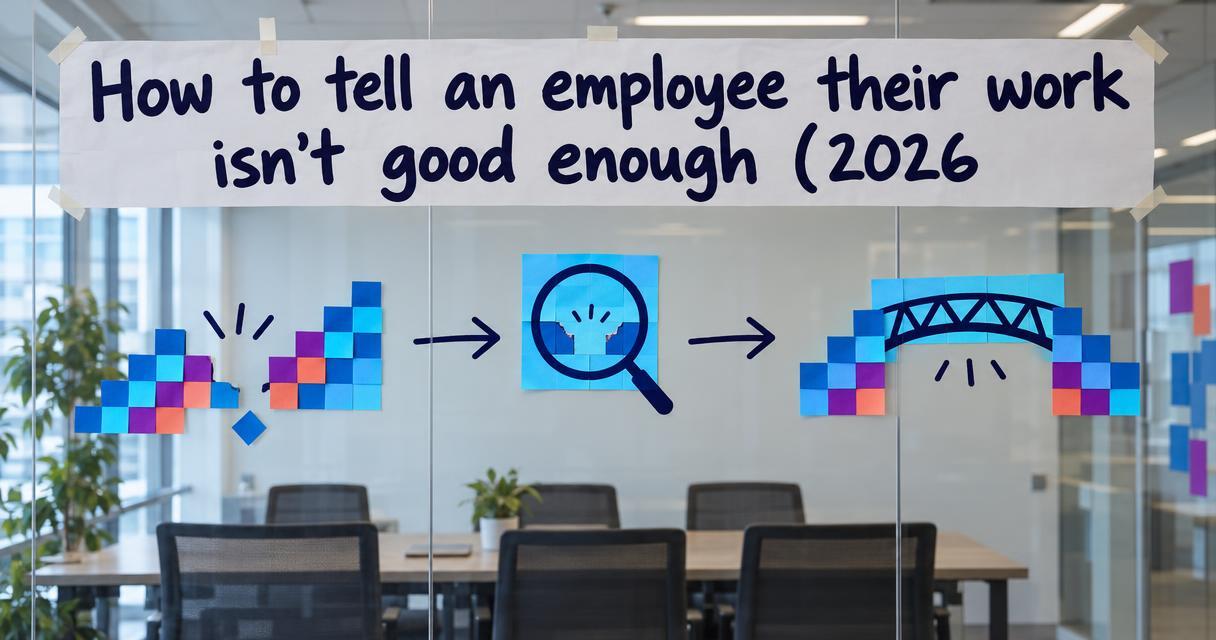
To tell an employee their work isn't good enough, you need to state the gap between the expectation and their current output directly, using specific examples rather than personal attacks.
Last reviewed November 2026
Key takeaways
- Audit your own expectations first to ensure you have communicated the standard clearly and provided the necessary tools.
- Diagnose whether the performance issue stems from a skill gap, burnout, or a misunderstanding of priorities before you speak.
- Deliver feedback with clear and objective facts rather than softening the message so much that the core point is lost.
- Set a measurable recovery plan with a consistent follow-up cadence to monitor progress.
- Know when to transition from informal coaching to a formal performance improvement plan if the output does not improve.
You look at a piece of submitted work and your heart sinks. You know the quality misses the mark. You also know you have to address it. Telling a team member their effort falls short is one of the most uncomfortable parts of leadership. Many managers choose to fix the mistakes themselves rather than face the friction of a direct conversation.
WorldatWork reports that only one in five managers provide effective coaching and feedback to their employees. Matt Kamensky, senior director of employee experience at WTW, notes in the same report that performance discussions are difficult and it is much easier for managers to avoid the conversation entirely. This avoidance creates a silent endorsement of poor work.
When you say nothing, the employee assumes their output meets the standard. You build up quiet resentment while they continue working under a false sense of security. SHRM research shows that forty-one percent of talent-management executives find managing poor performers to be a major challenge in their organisations. The longer you wait to address the gap, the harder the conversation becomes. You owe your team the clarity of knowing exactly where they stand.
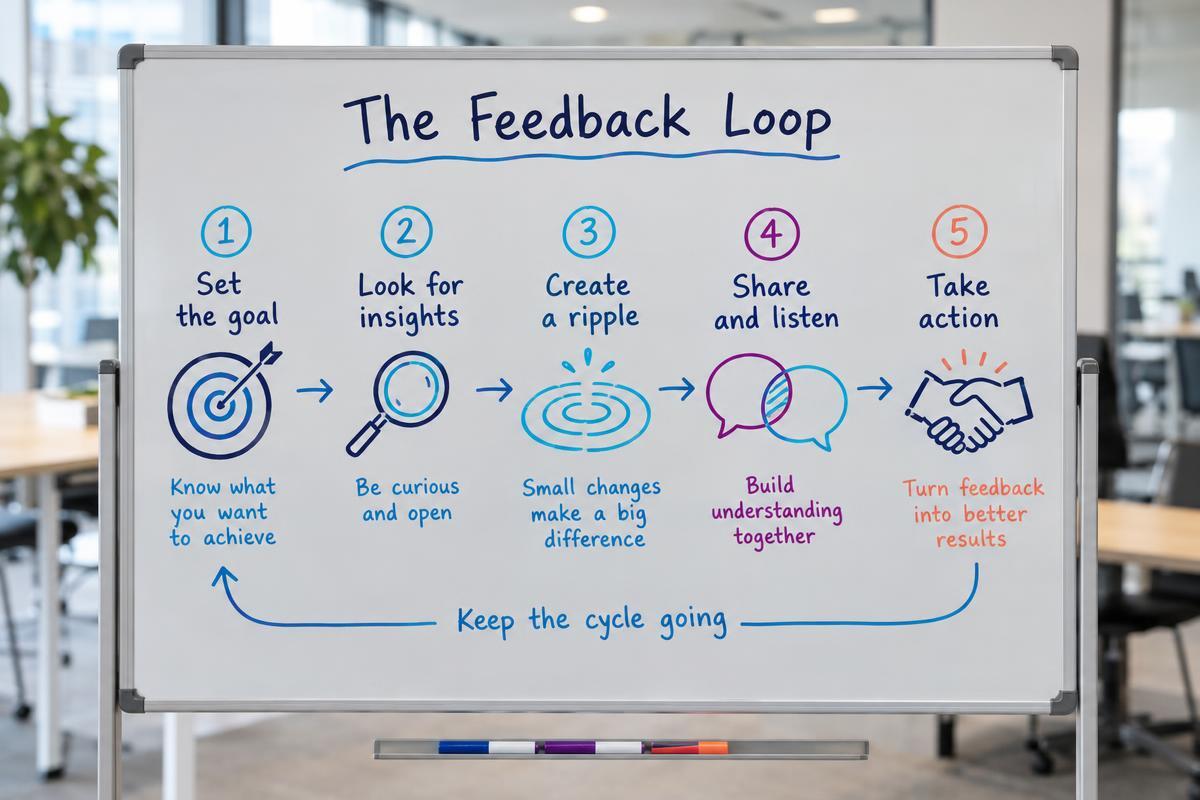
Before you figure out how to tell an employee their work isn't good enough, you must audit your own leadership. Managers often assume they have been crystal clear about expectations when they have actually only offered vague guidelines. If you tell someone to "make it pop" or "sharpen the strategy", you have given them subjective feedback that is impossible to measure.
Ask yourself a few hard questions. Have you documented the exact standard required for this task? Did you provide the necessary resources, context, and time to complete the work properly? Have you ignored minor mistakes over the last few months to keep the peace? If you have suddenly decided to enforce a standard that you previously let slide, you need to acknowledge your part in the confusion.
The first step in solving team issues often involves looking at your own communication style. You can visit Hey Compono to understand your leadership baseline and how you naturally deliver expectations. Some managers rush through briefs, while others overwhelm their teams with micromanagement. Recognising your default style helps you see where the disconnect might have started.
Not all poor performance comes from a lack of care. If you treat a skill gap like a behavioural issue, you will break trust. You need to diagnose the underlying cause of the poor output before you initiate the feedback session. The intervention looks completely different depending on the root cause.
| Root Cause | Signs to look for | Manager Action Required |
|---|---|---|
| Skill Gap | The employee works hard and asks questions, but still misses the technical mark. They take longer than expected to finish tasks. | Provide specific training, pair them with a mentor, and break tasks into smaller milestones. |
| Misalignment (Will) | The employee ignores established processes, rushes work, or argues about the necessity of quality checks. | Address the behavioural standard directly. Outline the consequences of ignoring the process. |
| Burnout | A previously high performer suddenly starts making uncharacteristic errors, missing deadlines, or withdrawing from team meetings. | Adjust their workload, enforce boundaries around working hours, and review their capacity. |
Personality also plays a heavy role in how work gets done. A Doer personality often values speed and execution above all else. They might submit work with errors simply because they wanted to cross the task off their list. They do not need a lecture on work ethic; they need a structural requirement for quality checks before submission. Matching your diagnosis to their natural working style prevents you from delivering the wrong kind of feedback.
Managing remote and hybrid teams adds complexity to performance conversations. You cannot rely on body language, office context, or a quick coffee catch-up to soften the delivery. Digital communication strips away warmth, making critical feedback feel significantly harsher than intended. Do not deliver this news over Slack, Teams chat, or a long email. Written feedback without a voice track invites panic and misinterpretation.
Set up a dedicated video call. Name the calendar invite something neutral but clear, like "Feedback and review: Q3 Report" rather than an ominous "Quick chat". Send the invite with enough notice that they can prepare, but do not leave it pending over a weekend to ruin their days off.
Turn your camera on, ensure your lighting is clear, and look into the lens to simulate eye contact. Gallup research indicates that nearly eight in ten employees who strongly agree they received meaningful feedback in the past week are fully engaged, regardless of how often they work in the office. The physical distance does not matter when the feedback is specific, timely, and delivered with genuine care for their development.
A structured approach stops you from rambling or backpedaling when the conversation gets uncomfortable. Follow this five-step sequence to keep the meeting on track and entirely focused on facts.
First, state the purpose of the meeting immediately. Do not spend ten minutes talking about weekend plans before dropping a heavy critique. Start by saying you want to review the recent project and discuss areas where the output needs to shift.
Second, name the specific behaviour or output. Avoid absolute terms like "always" or "never". Instead of saying "You are always late with your data", say "The last three financial summaries were submitted after the agreed cutoff time". This roots the conversation in undeniable facts.
Third, explain the business impact. Employees need to understand why the standard matters. Explain that when the report is late, the client services team cannot prepare for their afternoon briefings, which damages the client relationship.
Fourth, ask for their perspective. Give them the floor. Ask, "What was your experience putting this together?" or "Where did you run into roadblocks?". This is where you uncover unseen bottlenecks, clunky software issues, or competing priorities you knew nothing about.
Fifth, define the new standard together. Agree on what "good enough" actually looks like from here. If you need a safe space to test this structure, you can practise difficult conversations at work with an AI coach to refine your delivery before speaking to your team member.
Having a script prevents you from using corporate jargon to hide the truth. You can adapt these templates to fit your natural speaking style, ensuring the message lands clearly.
"I want to talk about the timelines on the recent marketing campaign. The initial drafts were due on Tuesday, but they came through on Thursday afternoon. This compressed the review time and forced the design team to work late on Friday to hit the launch window. Can you walk me through what happened with your schedule this week?"
"Let us review the slide deck you submitted yesterday. I found five formatting errors and two incorrect data points in the first half of the presentation. When work goes to the client with those errors, it compromises our credibility. What is your current proofreading process before you hit send?"
"I reviewed your proposal for the new software rollout. The technical steps are all there, but the document lacks the bigger picture on how this impacts our sales pipeline. Right now, it reads like a checklist rather than a strategic recommendation. We need to improve this. Where do you think we could tie these features back to the company's annual goals?"
For more examples of how to word these delicate discussions, you can read our guide with feedback conversation examples that break down different workplace changing.
You can script your side of the conversation perfectly, but you cannot control how the other person reacts. Preparing for the emotional fallout is a critical part of leadership. People tie their self-worth to their work. Hearing that their output is inadequate triggers a strong threat response.
If the employee becomes defensive, do not argue. Defensiveness usually sounds like shifting blame to other departments, complaining about timelines, or making excuses. Listen to their points without interrupting. Then gently bring the focus back to the facts. You can say, "I hear that the brief was late arriving to you. However, my expectation is that you flag that delay with me immediately, rather than rushing the final product in silence."
If the employee becomes upset or cries, stay calm. Give them a moment. Offer them the chance to take a five-minute break or grab a glass of water. Do not back down on the feedback just because they are emotional. Withdrawing the critique teaches them that tears can bypass accountability. Simply wait for them to compose themselves, acknowledge that this is a tough conversation, and proceed with the action plan.
If they go completely silent, you need to prompt engagement. Silence usually means they are overwhelmed or shutting down. Ask open-ended questions like, "What are your thoughts on what I just shared?" Wait out the silence. Do not fill the quiet space by talking more. If you struggle with peer-to-peer changing during these moments, reviewing how to give hard feedback to a coworker can provide useful framing for difficult silences.
Managers often carry a heavy psychological burden when dealing with underperformance. You spend hours dreading the conversation. You lose sleep worrying about how they will react or if they will quit. The emotional labour of carrying an underperforming team member leads directly to manager burnout.
You have to separate your empathy from your operational responsibilities. You can care deeply about an employee as a person while still holding a firm line on their professional output. Setting clear standards is the most respectful thing you can do for them. Allowing them to fail slowly over months out of a misplaced sense of kindness is a failure of leadership.
Take time to decompress after delivering tough feedback. Debrief with a mentor or another leader if you need to vent, maintaining confidentiality. Recognise that feeling exhausted after these meetings is entirely normal. You are absorbing their stress while managing your own.
A feedback conversation fails if the employee walks out without knowing exactly what to do next. You must define a measurable recovery plan. Vague instructions like "just pay more attention" guarantee you will be having the exact same conversation again next month.
Write down the specific milestones they need to hit. If the issue is formatting errors, the action step might be "Run all reports through the QA checklist and have a peer review the document before submitting it to the manager". If the issue is time management, the action step might be "Send a daily end-of-day summary outlining what was completed and what is blocked".
Ask the employee to draft the summary of the meeting and email it back to you. This ensures they actually understood the feedback and guarantees you have a shared record of the commitments made. If they misrepresent the conversation in their email, you can correct the record immediately before a week of bad work occurs.
A single conversation rarely fixes a deeply ingrained performance issue. You need a rhythm of continuous micro-feedback to keep them on track. Schedule a fifteen-minute check-in every week specifically focused on the agreed action plan. Praise the progress they make, and immediately correct any backsliding. Your goal is to provide course correction while the mistakes are small.
Sometimes, despite your best coaching efforts, the work simply does not improve. You need to know when to escalate the situation from informal coaching to a formal performance improvement plan. If you have had three documented conversations, provided the necessary resources, removed obvious roadblocks, and the output still falls short, it is time to involve human resources.
Before launching a formal PIP, ensure your documentation is immaculate. HR cannot act on your gut feelings or vague frustrations. They need the dates of your previous feedback sessions, the specific examples of poor work, and the emails showing the agreed action plans. Moving to a formal process protects the business and provides the employee with one final, unmistakable warning that their role is at risk.
Handling performance issues requires confidence, empathy, and clear execution. When managers avoid these chats, the whole team's culture suffers.
Related reading
You do not soften the facts; you soften the delivery. Use a calm tone, choose a private setting, and ensure you have given them space to speak. Watering down the actual feedback just leaves the employee confused about whether they are actually in trouble.
Have your notes ready for yourself, but deliver the feedback verbally first. After the conversation, follow up with a written summary via email outlining what was discussed and the agreed action steps. This creates a paper trail without feeling aggressively formal upfront.
Stay calm and hold the space. If they cry, offer a short break for them to collect themselves, then resume the meeting. If they get defensive, listen to their perspective, acknowledge their frustration, but gently steer the conversation back to the undeniable facts of their output.
This depends on the complexity of the role and the specific failure. A simple behavioural fix like showing up to meetings on time should be immediate. A complex skill improvement might require a thirty to sixty day window with weekly check-ins to monitor progress.
Unless the employee has committed serious misconduct, you must provide an opportunity to improve. Immediate termination for standard underperformance opens the company to unfair dismissal claims. Always consult your HR department to ensure you follow the correct legal and procedural steps.

Discover why excellence isn't about perfection. Learn how to build high-performing teams by embracing authentic work personalities and sustainable...
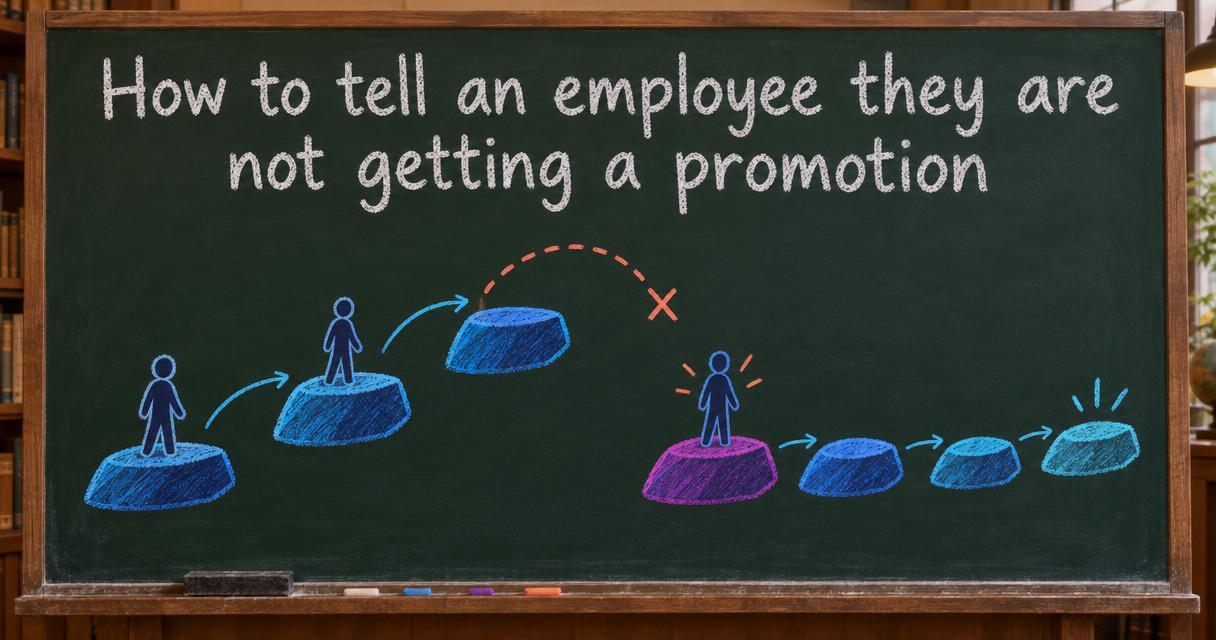
To tell an employee they are not getting a promotion with specific scripts, actionable development plans, and retention strategies to keep them...

Strong teams come from knowing how each person works. What to change in how your team meets, decides and divides work so performance follows.
 Mathan Allington