
 Mathan Allington

Kopano pricing 2026: Costs, features and team alternatives
 Mathan Allington
How Kopano pricing works in 2026, explore key features for enterprise teams, and learn why modern businesses are investing in communication skills.
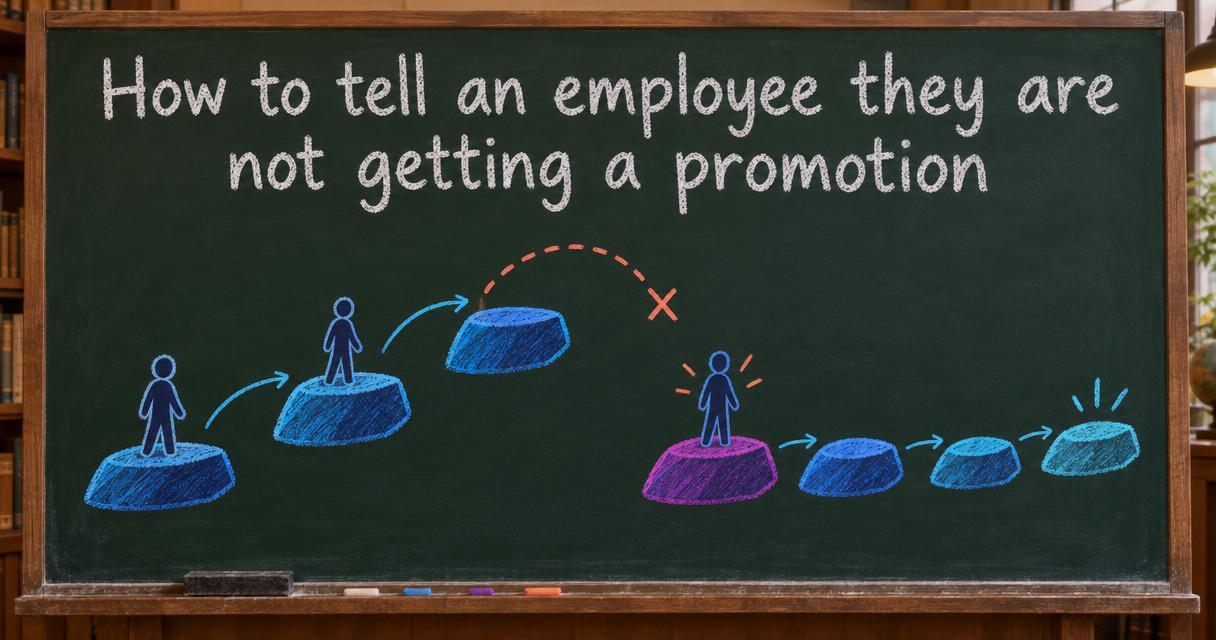
To tell an employee they are not getting a promotion, you must provide a clear business reason, deliver the decision directly without softening the blow, and immediately build a practical development plan.
Last reviewed November 2026
Key takeaways
- Deliver the news clearly in the first minute of the conversation to avoid confusion and false hope.
- Skip the compliment sandwich so your feedback remains objective and easy to understand.
- Document your business reasoning beforehand to ensure total transparency and protect against claims of bias.
- Use structured manager scripts tailored to the specific situation to keep your emotions in check.
- Set up a 30, 60 and 90 day retention roadmap immediately to prevent the employee from disengaging.
Saying no to an ambitious team member is one of the hardest parts of being a manager. It feels awful to disappoint someone who has put in the hard work. You want to reward their effort, but the reality is you often only have one role or a limited budget available.
This stress is completely normal. Research involving 17 managers published in the New Zealand Journal of Employment Relations found that delivering negative feedback creates substantial stress and negative emotions for leaders. The study recommended more consistent training and coaching to help leaders handle these moments.
When managers feel stressed, they tend to over-explain or make vague promises. This leaves the employee confused about where they stand. Being honest and direct preserves their dignity and keeps them engaged with your team.
Before you book the meeting, you need solid documentation. You must base your decision purely on skills, performance metrics and business needs. This preparation protects both you and the business from compliance risks.
Transparency is a major issue in the modern workplace. According to research by Syndio, 43% of non-management employees say their organisations lack transparency in promotion decisions. Furthermore, 25% of employees report that supervisor bias negatively affected their performance review.
Review the job description against the employee's recent performance reviews. Write down two or three concrete examples of where they currently fall short of the new role's requirements. If you do this well, you eliminate the perception of bias and give them a factual baseline to work from.
When it is time to have the talk, do not waste the first ten minutes on small talk. Get straight to the point. Tell them the outcome in the first few sentences.
Never use the compliment sandwich. Starting with praise, delivering the rejection, and ending with more praise just dilutes your message. The employee either misses the constructive feedback entirely or feels manipulated by the forced compliments.
Remember that different people process bad news in different ways based on their work personality. A highly analytical person might want to see the exact scoring matrix you used. A highly collaborative person might worry more about how this affects their relationship with the team. Give them space to process the news and ask questions without getting defensive.
Having a word-for-word script helps keep you on track when emotions run high. You can adjust these templates to sound like your natural speaking voice.
"Thank you for putting your hand up for the team lead role. I am letting you know that we have offered the position to someone else internally. They had more direct experience managing enterprise client escalations. I know this is disappointing news, but I want to talk about how we can build your client management skills over the next quarter."
"I wanted to meet today to give you an update on the senior manager position. We are not from here with your promotion at this time. While your technical work is excellent, the new role requires leading cross-functional projects. We need to see more consistent delegation before you are ready for that step. Let's look at some ways you can take on project leadership in your current role."
"I have some frustrating news to share today. Although your performance absolutely warrants a move to the senior tier, the business has frozen all promotions this quarter due to budget constraints. This is a business decision and not a reflection of your hard work. I want to make sure we keep developing your skills so you are first in line when the freeze lifts."
You can expect frustration, sadness or even anger. Let the employee vent. Do not argue or try to justify your decision over their feelings. A simple "I understand why you feel that way" goes a long way to de-escalate the tension.
Team changing can quickly turn toxic if an internal peer won the role. You need to manage the transition carefully to prevent gossip. Ask the successful candidate to keep the news quiet until you have spoken to the people who missed out.
If you see signs that the employee might miss out on a promotion gracefully but hold a grudge, check in with them frequently. Acknowledging the awkwardness helps clear the air so the team can get back to work.
The biggest risk after a denied promotion is quiet quitting. If an employee feels they have hit a ceiling, they will stop trying or start looking for another job. You need to pivot quickly from rejection to future development.
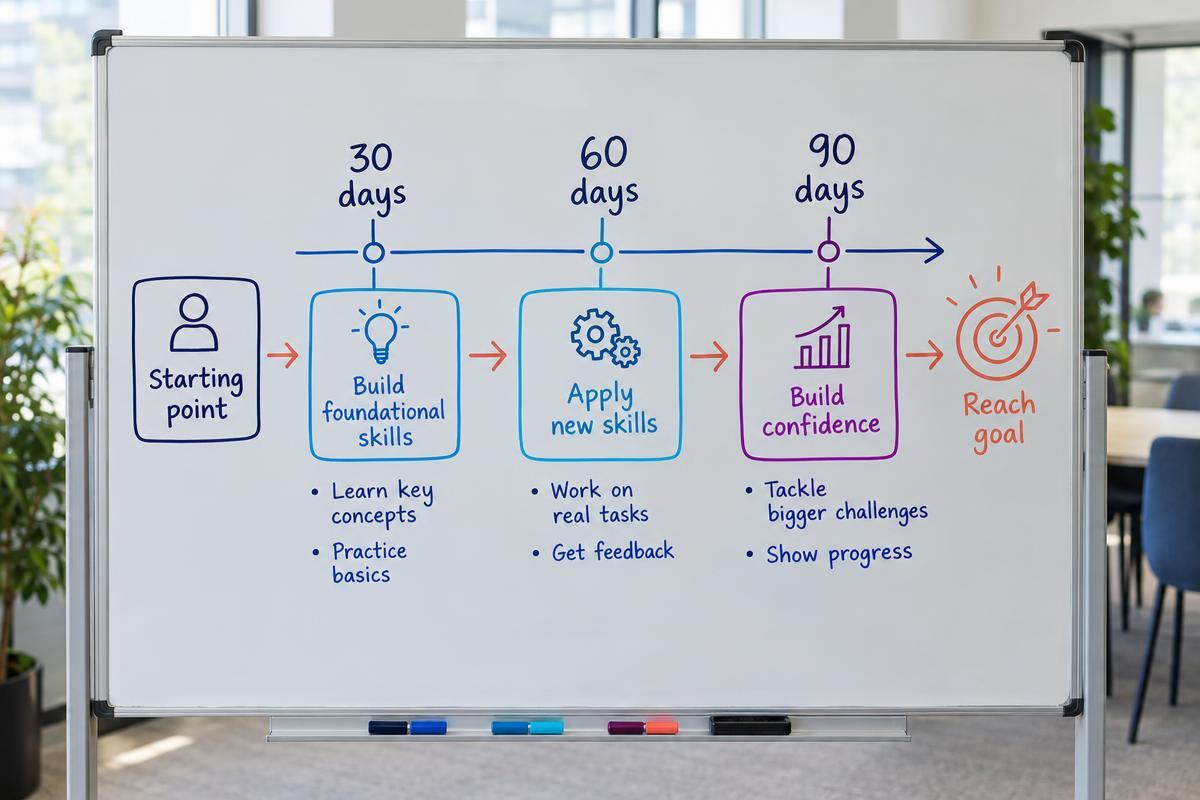
Set a follow-up meeting for two days later. Use this time to build a 30, 60 and 90 day retention roadmap. Give them a specific project to lead or a new skill to master. When an employee can prepare for a promotion conversation with clear milestones, they stay motivated.
Many leaders use Hey Compono to help their direct reports map out these development goals. Having an objective framework takes the personal friction out of performance conversations. An external tool like Hey Compono gives the employee a private space to reflect on their skills and plan their next career move.
Our adaptive coaching tools give your leaders the scripts and confidence to handle difficult feedback sessions while keeping top performers engaged and on track.
Related reading
Be direct, honest and respectful of their time. Tell them the outcome immediately, provide one clear business reason for the decision, and offer a dedicated follow-up meeting to discuss their ongoing career development.
Yes, you should tell them if it is an internal hire. It is always better they hear the name directly from you rather than through office gossip. Keep the focus on the chosen candidate's specific business experience rather than comparing personalities.
Stay calm and do not offer false promises to keep them. Acknowledge their frustration by saying you value their work and want them to stay. Give them a day to cool off before discussing their long-term future at the company.
Schedule a follow-up discussion within two to three days. The initial meeting is for delivering the news, while the second meeting is for building a practical action plan to address their skill gaps.
No. Blaming leadership undermines your authority and makes the business look disjointed. You must own the message as a united leadership team, even if the final call was made above you.
How Kopano pricing works in 2026, explore key features for enterprise teams, and learn why modern businesses are investing in communication skills.

How AI coaching gives managers tailored support, adapts to different people, and takes some development load off a small HR team.
To manage someone with a different work style without the daily friction. Get practical steps and scripts for your next one-on-one meeting.
 Compono