
 Compono
Final round interview preparation: how to close the deal in 2026
 Compono
What senior leaders look for in a final round, how to handle case studies and panels, and how to show the way you actually work.
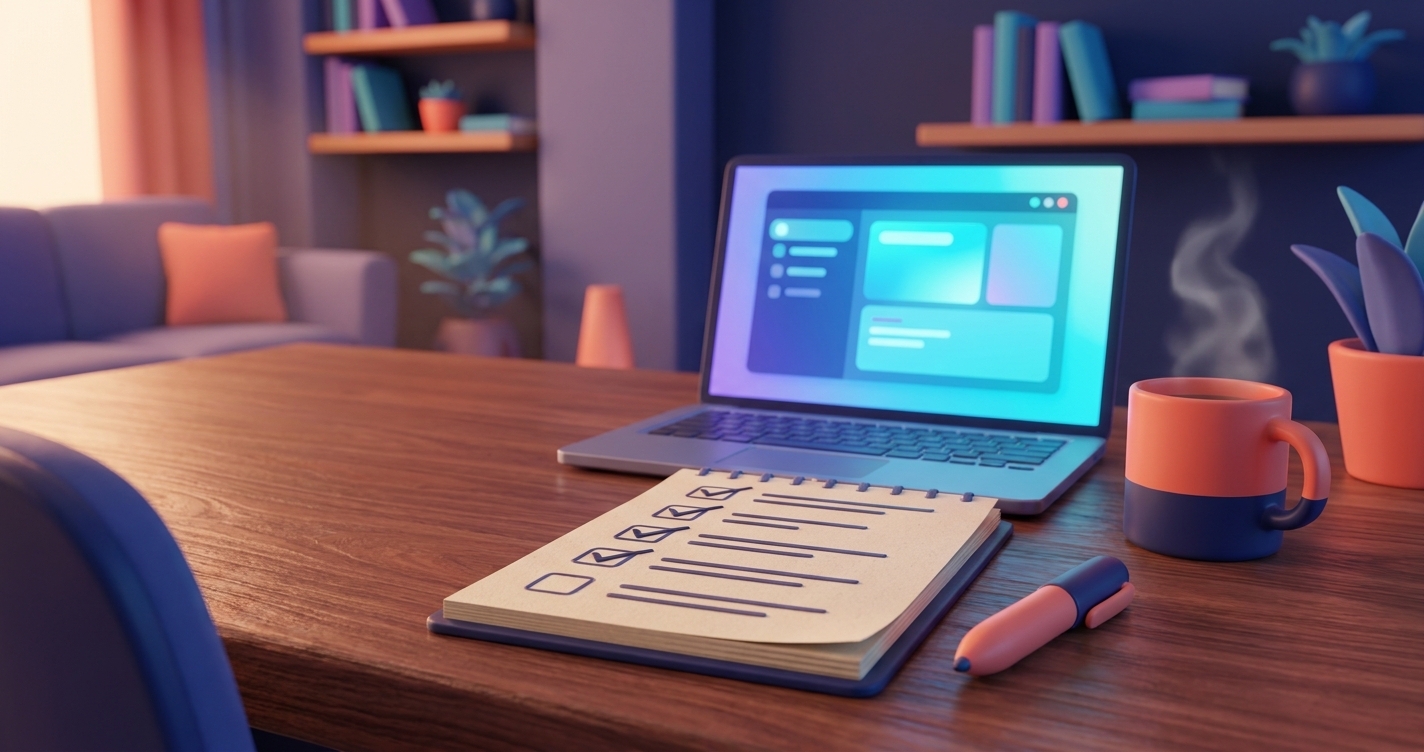
An effective interview preparation checklist starts with researching the company, preparing specific examples of past work, testing your video setup, and knowing exactly how your natural work personality fits the role.
Key takeaways
- Researching the employer is non-negotiable, as nearly half of candidates fail because they skip this step.
- Testing your camera and microphone is critical for the majority of interviews happening online today.
- Preparing specific stories using the STAR method keeps your answers focused under pressure.
- Sending a quick follow-up email sets you apart from the vast majority of applicants who forget.
- Understanding your default work personality helps you answer behavioural questions honestly.
Interviews are inherently stressful. You sit in a room – or stare at a webcam – while strangers evaluate your professional worth based on a short conversation. It is entirely normal to feel overwhelmed. Your brain goes blank, you forget your own career history, and suddenly you are rambling about a minor project from five years ago.
Having a structured interview preparation checklist stops the spiral. It gives you a physical sequence to follow when your nerves kick in. You do not have to rely on willpower or memory when you have a clear set of steps to complete before the meeting starts. Getting the practical elements out of the way frees up your mental energy for the actual conversation.
You cannot wing this part. According to industry data, 47% of candidates are rejected because they do not know enough about the employer. Hiring managers want to know that you are genuinely interested in their specific business.
Spend time on their website. Read their recent news announcements and look up your interviewers on LinkedIn. Write down three specific things the company is currently working on or struggling with. Understanding their market position gives you a massive advantage when answering questions about how you can add value to their team.
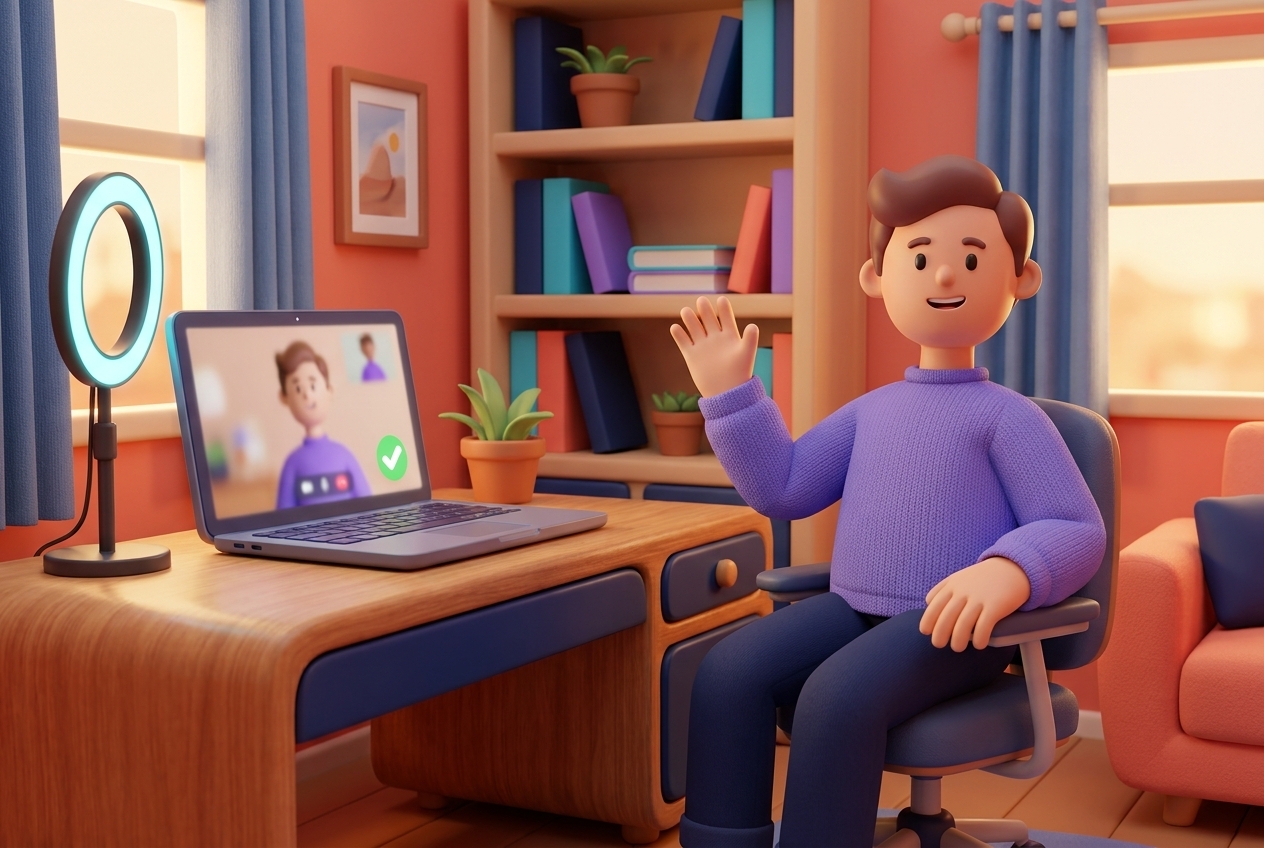
The days of just worrying about traffic and parking are largely gone. With 86% of organisations now using video interviewing, your technical setup is your first impression. A laggy connection or a terrible microphone immediately frustrates the person trying to speak with you.
Check your internet connection speed. Test your microphone and camera in the specific software they are using – whether that is Zoom, Teams, or Google Meet. Look at what is visible behind you on camera. Do a test run with a friend to make sure your lighting does not make you look like you are sitting in a dark cave. If you live with other people, warn them about your interview time so they do not interrupt.
Most interviews rely heavily on behavioural questions. Hiring managers want to know how you acted in the past to predict how you will act in the future. A practical interview preparation checklist should always include drafting five specific stories using the STAR method (Situation, Task, Action, Result).
Write down examples of a time you solved a complex problem, a time you dealt with a difficult colleague, and a time you failed. Keep your explanations under two minutes. Give enough context so the situation makes sense, but spend the majority of your time explaining the specific actions you took and the actual result you achieved.
This is also where knowing your default work style helps. If you are curious how you naturally approach tasks and collaborate, Hey Compono can show you your work personality in a few minutes. Understanding your natural tendencies makes it much easier to explain your working style to a hiring manager without sounding rehearsed or unsure of yourself.
An interview is a two-way conversation. When they ask if you have any questions, saying "no" signals a lack of interest. You are interviewing them to see if you actually want to spend forty hours a week dealing with their specific workplace environment.
Write down three to five questions about the day-to-day realities of the role, the team dynamics, or how they measure success. Ask what the biggest challenge the new hire will face in the first ninety days. Ask how the team communicates and handles conflict. These questions show you are thinking practically about the reality of the job.
What you do after the interview matters just as much as what you do during it. Research shows that 80% of hiring managers say thank-you notes influence their decision, but only 24% of candidates send them. This is an incredibly easy way to stand out.
Add a simple task to your checklist: send a brief, polite email within 24 hours thanking them for their time. Reiterate your interest in the role and briefly mention one specific thing you discussed during the interview. It takes two minutes and puts you ahead of the majority of the competition who simply log off and wait.
The final item on your interview preparation checklist should be managing your own nervous system. Rushing to your desk two minutes before a video call guarantees you will start the interview feeling frantic. Give yourself a buffer.
Block out thirty minutes before the interview begins. Step away from your screen, get a glass of water, and take a few slow breaths. Review your notes one last time, but do not try to memorise new information at the last minute. Accept that you have done the preparation and trust yourself to handle the conversation as it unfolds.
Many job seekers find that understanding their own strengths gives them a quiet confidence during this buffer time. Teams using personality-adaptive coaching often report that self-awareness reduces anxiety, because you stop trying to pretend to be someone else and start speaking honestly about how you operate.
Ready to understand your natural work style before your next big interview? Knowing how you default under pressure makes answering those tricky behavioural questions much easier.
Related reading
Bring three printed copies of your resume, a notepad, and a pen. Even if they already have your digital application, handing them a physical copy looks prepared and professional. Having a notebook also allows you to jot down names or important details during the conversation.
Keep them under two minutes. Give enough context so the situation makes sense, but spend the majority of your time explaining the specific actions you took and the actual result you achieved. Rambling is a common nervous habit, so practicing out loud helps keep your timing tight.
Yes. Having a neat notebook with your prepared questions and a few high-level bullet points shows you take the opportunity seriously. Just refer to it occasionally rather than reading directly from it like a script. It should act as a safety net, not a teleprompter.
If the hiring manager gave you a specific timeline – for example, they said they would decide by Friday – wait until the following Monday to follow up. If they did not give a timeline, waiting one full week after your interview is a polite and standard timeframe to ask for an update.

What senior leaders look for in a final round, how to handle case studies and panels, and how to show the way you actually work.

Why strong candidates drop out of your hiring process, and the steps that keep them engaged, including how personality insights help.

Master interview coaching for IT recruiters. Learn how to bridge the technical gap and find the right work personality for your team. Start today.