
 Mathan Allington
AI coaching for scale ups: supporting managers through rapid growth
 Compono
Discover how AI coaching for scale ups gives fast-growing teams the personality-based guidance they need to manage conflict and communicate better.
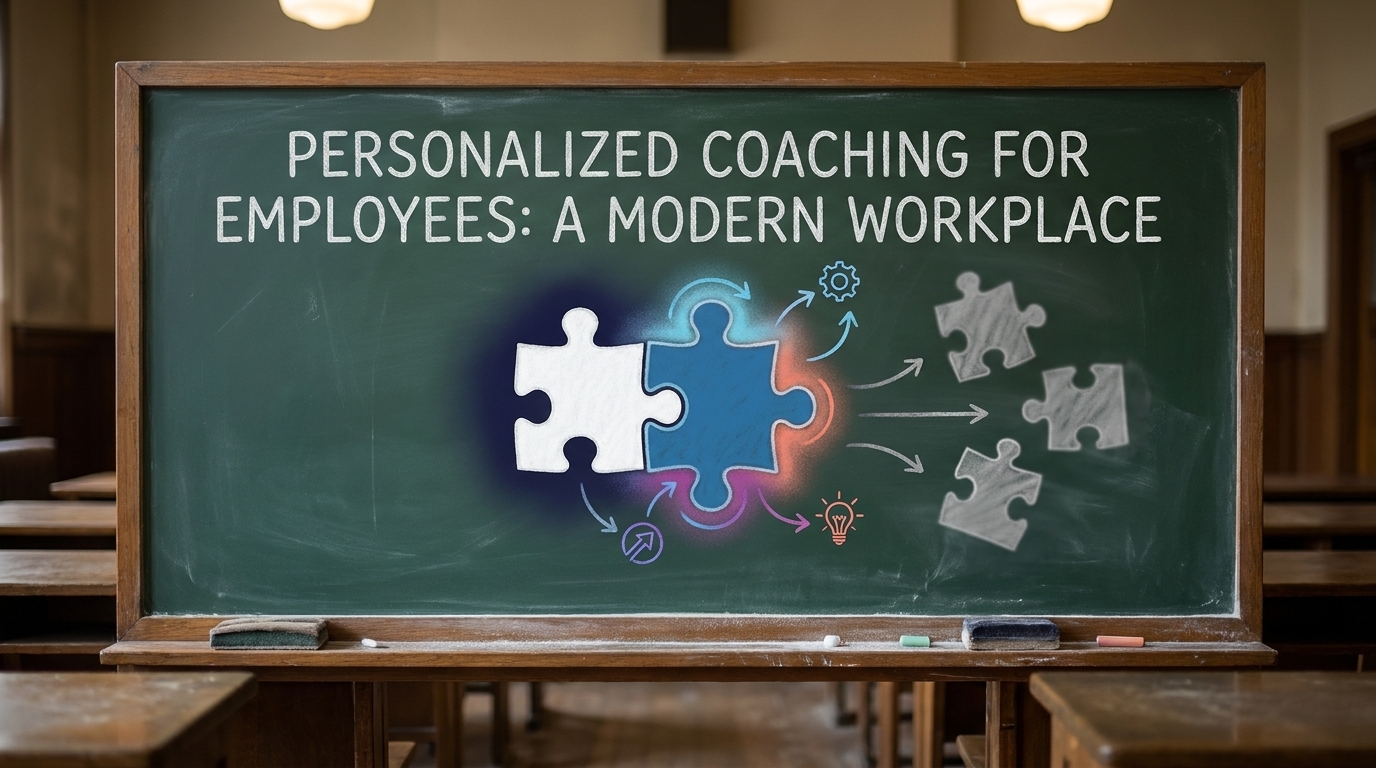
Personalized coaching for employees is a tailored development approach that adapts to an individual's specific work personality, goals, and challenges, rather than forcing them through a generic corporate training program.
Last reviewed November 2026
Key takeaways
- Tailored coaching focuses on the specific psychological drivers and daily challenges of the individual rather than applying a one-size-fits-all curriculum.
- Effective employee development requires a mix of manager guidance, peer support, and digital tools to scale across an entire organisation.
- Measuring the success of a coaching program means tracking actual behavioural shifts and skill improvements rather than just counting the number of sessions attended.
- Modern teams are using adaptive technology to provide private, on-demand coaching that helps staff work through difficult conversations and career transitions.
Most of us know the feeling of sitting in a mandatory training session that has absolutely nothing to do with how we actually work. You stare at the presentation, wait for the clock to tick down, and leave without gaining a single useful skill. This happens because traditional professional development assumes everyone learns the same way and struggles with the exact same problems. The reality is much more complex. People have different communication styles, different stress triggers, and different ways of processing feedback.
When an organisation ignores these differences, staff begin to feel misunderstood and undervalued. They face specific blockers in their daily roles, such as struggling to speak up in meetings or feeling overwhelmed by a sudden shift in priorities, and generic training videos offer no real support for these moments. This lack of relevant guidance leads to frustration, burnout, and eventually turnover. To fix this, leaders need to shift their focus from mass education to targeted, individualised support.
This is where Hey Compono comes in. By focusing on the unique traits of each person, teams can build development pathways that actually make sense to the people using them.
Moving away from generic training is not just about making people feel good. It is a strategic business decision that directly impacts how a company performs. When someone receives guidance that fits their exact context, they are far more likely to apply that advice to their daily tasks. The shift from passive learning to active problem solving creates a workforce that can adapt to change faster.
The data on this is clear. Research from Brass Tacks shows that 80 percent of coached individuals report increased self-confidence, while more than 70 percent report improved work performance, relationships, and communication skills. When people feel confident in their ability to handle their workload, they spend less time worrying and more time executing.
Furthermore, according to a 2023 summary of peer-reviewed research by Shaan Rais, workplace coaching had an overall effect size of 0.43, rising to a massive 0.72 for skill-based outcomes. This proves that when you sit down and help someone work through their specific skill gaps, the return on that time investment is significant. If you want to dive deeper into the numbers, exploring modern coaching benefits for employee retention provides a clear picture of why this approach matters.
Historically, individualised coaching was reserved entirely for senior executives. The cost of hiring external experts made it impossible to provide that level of support to middle management or entry-level staff. Today, organisations are bridging this gap by using a hybrid model. This model blends the empathy of internal managers with the scalability of modern technology.
A successful hybrid approach requires understanding when to deploy different types of support. Relying on managers for everything leads to burnout, while relying entirely on external consultants blows out the budget.
| Coaching type | Best used for | Cost level | Primary benefit |
|---|---|---|---|
| Internal manager coaching | Role-specific feedback, alignment with team goals, and weekly performance check-ins. | Low (internal time) | Deep context of the daily work environment. |
| External executive coaching | High-stakes leadership transitions, complex strategic thinking, and severe conflict resolution. | High (hourly rates) | Unbiased, highly experienced external perspective. |
| AI micro-coaching | Practising difficult conversations, daily self-awareness, and on-demand skill building. | Low (SaaS subscription) | Available 24/7, highly able to grow, and completely private. |
This matrix allows companies to cover all their bases. Managers handle the day-to-day alignment, external experts step in for critical leadership hurdles, and digital tools provide continuous, able to grow support for everyone else. If you are comparing digital and traditional methods, reading an AI coaching software for HR guide can clarify how these pieces fit together.
You cannot personalise a coaching plan without first understanding the person. At Compono, our research shows that people process information, handle conflict, and approach tasks in vastly different ways. We map these natural preferences using the Work Personality framework. When a manager understands these preferences, they can tailor their delivery to ensure the message actually lands.
Consider how you might coach someone who naturally focuses on execution and immediate results, known as a Doer personality. If you give them abstract theories or vague, long-term visions, they will quickly lose interest. They need clear, actionable steps and immediate feedback. You must frame their development in terms of practical outcomes and efficiency.
On the other hand, coaching an analytical, detail-oriented person requires a completely different approach. They need time to process information, review data, and consider the risks before they commit to a change in their behaviour. If you push them for an immediate response in a one-on-one meeting, they will likely withdraw. Tailoring your approach to these psychological realities is the foundation of personality-adaptive coaching.
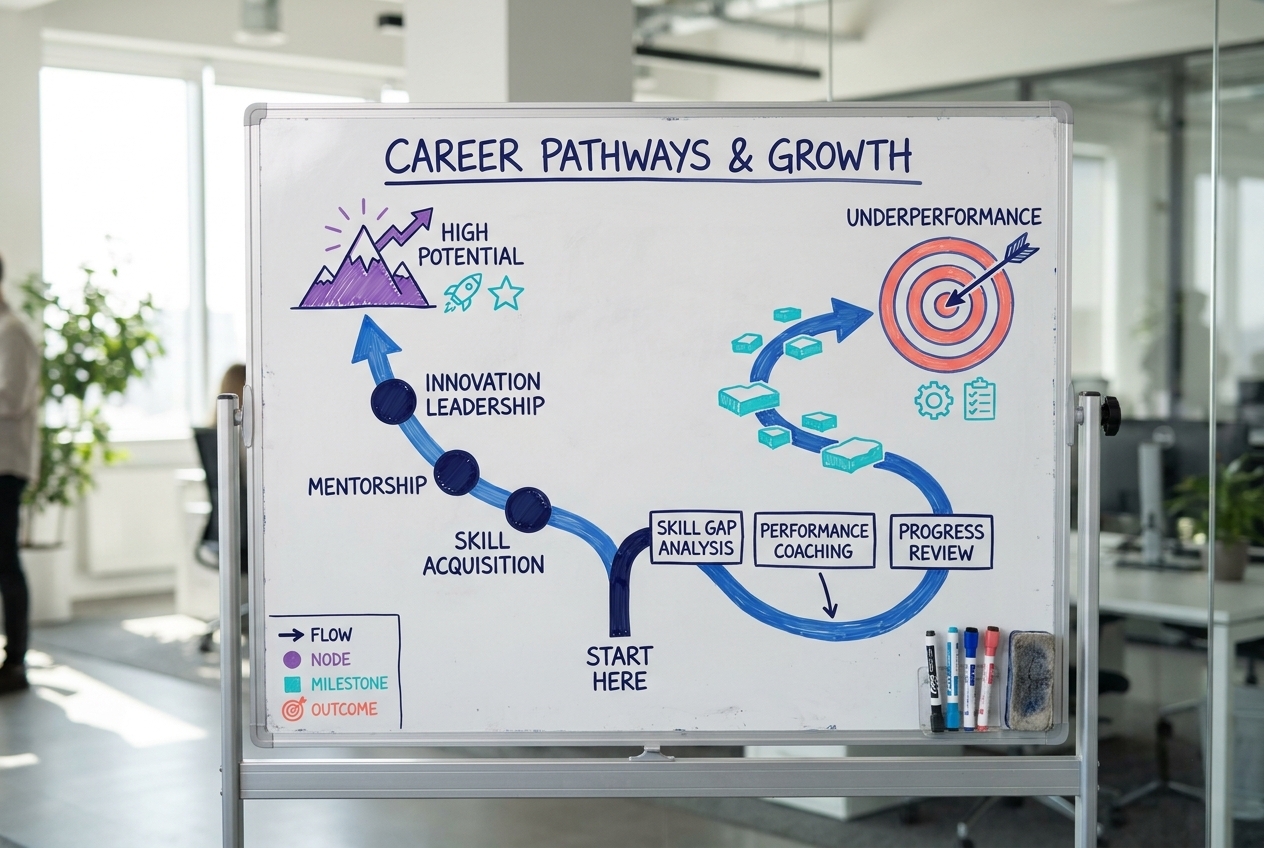
A common mistake in employee development is using the exact same framework for someone who is failing as you use for someone who is thriving. These two scenarios require entirely different psychological approaches and tactical steps.
When addressing underperformance, the focus must be on clarity, psychological safety, and removing blockers. The employee is likely already stressed or defensive. The coaching plan should break their role down into small, manageable milestones. The goal is to rebuild their confidence through quick wins. You need to identify whether the gap is due to a lack of skill, a lack of resources, or a misalignment with their natural working style.
Coaching high-potential staff is about stretch assignments and managing the risk of burnout. High performers often take on too much and struggle with delegation. A personalised plan for a high-potential employee should focus on building their strategic thinking, improving their ability to influence others, and teaching them how to say no. If you need help structuring these discussions, learning how to give hard feedback is an important skill for any manager.
As teams scale their development programs using technology, privacy becomes a primary concern. Employees will not engage honestly with a coaching platform if they believe their manager is reading every word they say. For a coaching program to work, it requires vulnerability. People need to feel safe admitting their fears, mistakes, and frustrations.
A 2024 workplace learning survey by Careertrainer.ai found that 73 percent of employees said they would be more likely to use digital coaching if conversations were private and confidential. Trust is the currency of effective coaching. If an organisation uses coaching tools as a surveillance mechanism, the program will fail immediately.
Modern platforms solve this by separating individual coaching data from aggregate organisational insights. A manager might receive a report showing that the team is struggling with conflict resolution overall, but they will never see exactly what an individual employee typed during a session. If you or your team are dealing with severe mental health challenges beyond standard workplace stress, always refer to dedicated crisis resources rather than relying solely on professional coaching tools.
Building a personalised coaching program requires a clear understanding of costs. Traditional executive coaching typically costs hundreds of dollars per hour. This model works well for the C-suite, but it is financially impossible to roll out to a company of 500 people. Mid-market and enterprise teams need a budget model that scales.
The modern approach involves reallocating the traditional learning and development budget. Instead of spending vast sums on generic off-site seminars that yield low retention, companies invest in able to grow software licenses. According to a review of workplace coaching research by Synthesia, the positive effects of coaching remain strong across delivery formats, noting that online coaching is comparably effective to face-to-face coaching.
By combining SaaS-based coaching tools with dedicated time for internal manager check-ins, a company can provide personalised support to every employee for a fraction of the cost of traditional methods. The return on investment is measured in reduced turnover, faster onboarding, and fewer critical errors caused by poor communication.
Providing tailored support to every person on your team does not require an endless budget or hundreds of hours of management time. The Hey Compono app uses personality-adaptive AI to deliver private, on-demand coaching that meets your staff exactly where they are, helping them work through daily challenges and build real career confidence.
Related reading
Mentoring usually involves a senior colleague sharing their specific industry experience and giving direct advice on how to work through a career path. Coaching is focused on asking the right questions to help the individual discover their own solutions, build self-awareness, and improve specific behavioural skills.
While the frequency depends on the individual's needs, most successful programs involve a brief weekly or fortnightly check-in. These regular, short conversations are far more effective at changing behaviour than a single, lengthy annual review.
Technology is not designed to completely replace human connection. Instead, tools like AI coaching provide immediate, 24/7 support for practicing conversations and building self-awareness, which frees up human managers to focus on deeper strategic alignment and relationship building.
You measure success by tracking changes in behaviour and business outcomes rather than just session attendance. Look for improvements in employee retention rates, faster project completion times, and positive shifts in regular 360-degree feedback reviews.
Resistance usually stems from a lack of trust or a fear that the coaching is a prelude to disciplinary action. Managers must clearly frame the coaching as an investment in the employee's growth, ensure absolute confidentiality where necessary, and start by focusing on goals the employee actually cares about.

Discover how AI coaching for scale ups gives fast-growing teams the personality-based guidance they need to manage conflict and communicate better.
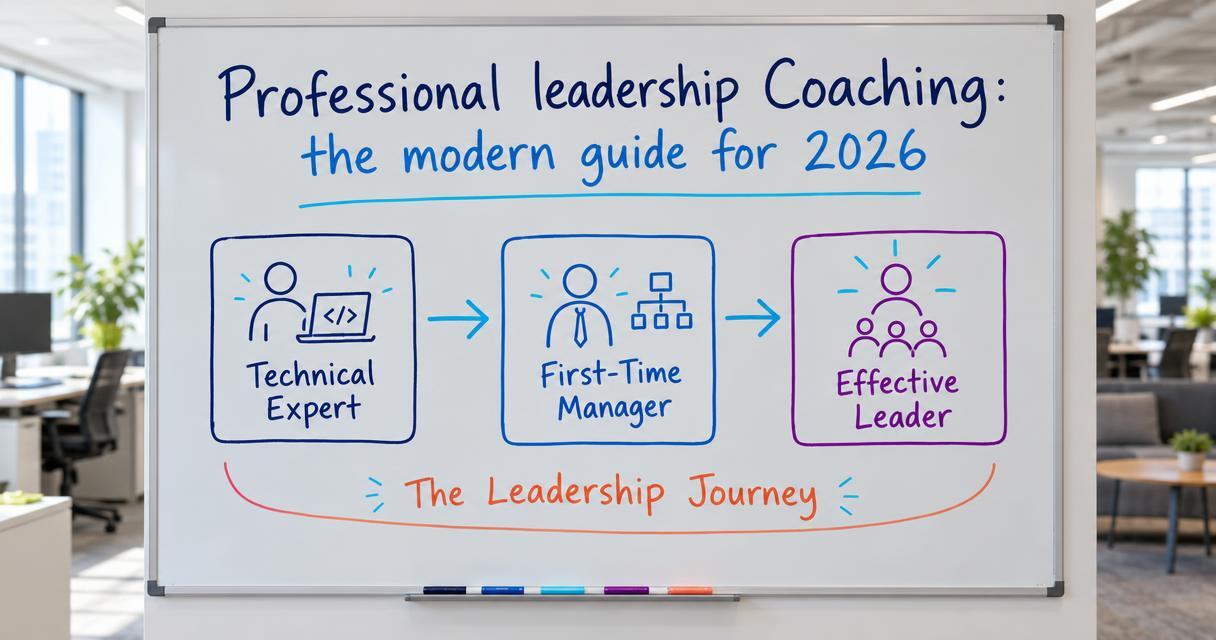
How professional leadership coaching is evolving in 2026. Learn how personality-adapted support helps managers build skills and handle difficult...
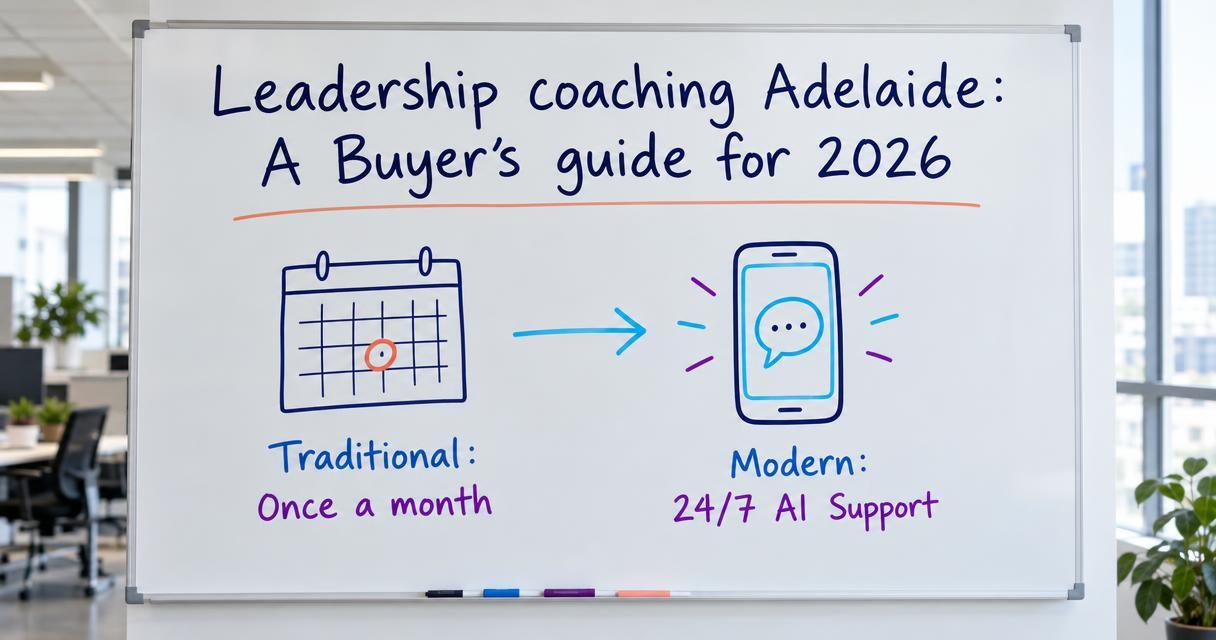
Searching for leadership coaching in Adelaide? Discover why modern teams are shifting from expensive traditional coaching to accessible.
 Mathan Allington