
 Compono

1 min read
Find my strengths: why you feel misunderstood at work
 Compono
Have you ever felt like you’re constantly fighting against the grain of your own brain? Maybe you’ve spent years being told you’re too blunt, too...
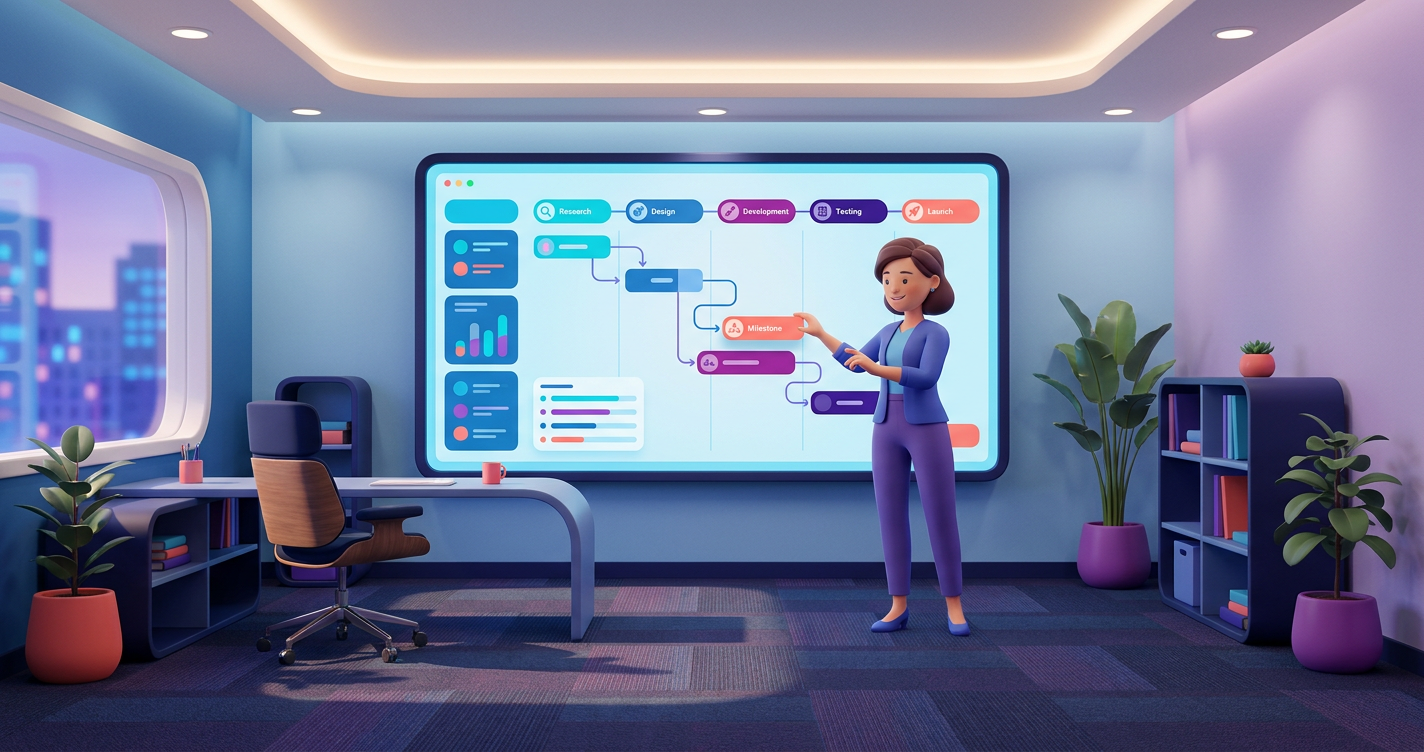
The coordinator work personality is the backbone of any high-performing team, defined by a natural drive for structure, methodical planning, and an unwavering focus on results.
If you have ever been the person who immediately reaches for a project timeline when a new idea is pitched, or if you feel a physical sense of relief when a messy process is finally organised into a clear set of steps, you likely resonate with this type. At Compono, we have spent over a decade researching how these natural preferences dictate team success, and the Coordinator is consistently the one who ensures the 'how' matches the 'what'.
Key takeaways
- The coordinator work personality excels at turning abstract goals into actionable, structured plans with clear deadlines.
- They thrive in environments that value efficiency, order, and logical decision-making over spontaneous changes.
- Potential blind spots include a tendency toward rigidity and prioritising processes over interpersonal dynamics.
- They naturally lean toward directive leadership but can adapt to democratic styles when roles are clearly defined.
- Understanding this personality type helps teams balance creative ideation with practical execution.
We have all been there – sitting in a meeting where big ideas are flying around the room, but no one is actually writing anything down. For most people, this is an exciting brainstorming session. For someone with a coordinator work personality, it feels like a slow-motion car crash. You can see the gaps, the missed deadlines, and the inevitable confusion that follows a lack of structure. It is not that you want to kill the vibe; it is that you know that without a plan, the vibe is all you will have at the end of the week.
Being told you are "too rigid" or "too focused on the rules" is a common experience for Coordinators. It hits like a tonne of bricks because, from your perspective, you are just trying to make sure the work actually gets done. You are not trying to be a buzzkill – you are trying to be the safety net. At Hey Compono, we believe that understanding these natural inclinations is the first step toward moving from being misunderstood to being indispensable. When you realise that your brain is literally wired for efficiency, you can stop apologising for your need for order and start using it as a strategic advantage.
The Coordinator is characterised by being organised, prepared, and incredibly dependable. In the 8 work actions that define high-performing teams, the act of coordinating is what bridges the gap between a vision and its reality. While a Pioneer might dream up a new product, the Coordinator is the one who determines the procurement steps, sets the quality assurance standards, and ensures the launch date is actually achievable. They are the masters of the spreadsheet, the keepers of the calendar, and the internal compass that keeps the team pointing toward the objective.
This personality type is not just about liking tidy desks. It is an analytical and objective mindset that seeks to remove friction from workflows. You likely find yourself naturally categorising tasks by priority and instinctively knowing which team member should handle which piece of the puzzle. This ability to see the "logic of the machine" is what makes you so effective in roles like project management, financial planning, or operations. You don't just work; you build systems that allow work to happen reliably.
If you are curious about how your own brain defaults to these patterns, Hey Compono can show you your dominant work personality in about ten minutes. Knowing whether you are a Coordinator or perhaps a closely related type like the Auditor helps you understand why certain tasks feel like a breeze while others feel like pulling teeth. For the Coordinator, the "easy" stuff is anything that involves a clear start, a clear finish, and a logical path in between.

Every strength has a shadow, and for the coordinator work personality, that shadow is often rigidity. Because you value the system so highly, you might find it genuinely distressing when a colleague suggests a spontaneous change of direction. To you, a change in plan isn't just a new idea – it is a disruption of a carefully balanced ecosystem. This can lead to tension with more flexible types, like the Advisor or the Pioneer, who might see your insistence on the process as a lack of creativity.
Another common hurdle is the tendency to prioritise the process over the people. When a deadline is looming, a Coordinator might focus so intently on the output that they overlook the emotional state of the team. You might forget to check in on how everyone is feeling because, in your mind, the best way to support the team is to ensure the project succeeds. Recognising that team morale is actually a vital part of the "system" can help you adjust your approach without feeling like you are losing control.
Conflict often arises when the Coordinator feels that standards are being ignored. You might come across as blunt or overly assertive when pointing out that a deadline has been missed. It is important to remember that not everyone sees the world through the lens of efficiency. Learning to frame your need for structure as a benefit to the team – rather than just a set of rules to be followed – can transform your workplace relationships. Instead of saying "we are behind schedule," try "I want to make sure we have enough breathing room to do our best work."
When it comes to leading others, the Coordinator naturally gravitates toward a directive leadership style. This doesn't mean being a dictator; it means providing clear instructions, setting specific goals, and expecting a structured approach from the team. This style is incredibly effective in high-stakes environments where quick decisions and order are paramount. Your team never has to wonder what is expected of them because you have already mapped it out.
However, the most effective leaders know how to flex. While your default is directive, you can excel in democratic leadership if the collaboration is structured. You might find it hard to handle an open-ended brainstorming session with no clear end point, but you thrive when you can lead a group to a logical conclusion. The challenge for a Coordinator leader is to allow for "productive mess" – that middle stage of a project where things are still being figured out and the structure hasn't quite formed yet.
Understanding your natural leadership tendencies is a cornerstone of professional growth. At Compono, our research into the Coordinator shows that when these individuals are given the authority to enforce systems, they become the bedrock of the organisation. They are the ones who ensure that the company's growth is sustainable and that the team doesn't burn out by chasing too many shiny objects at once.
Because the coordinator work personality thrives on structure and efficiency, they are naturally drawn to careers where logic and order are essential. This is why you see so many Coordinators in the legal profession, engineering, and senior management. These roles require someone who can look at a complex set of variables and find the most efficient way through them. Whether it is a School Principal managing a complex daily schedule or a Quality Assurance Manager ensuring every product meets a specific standard, the Coordinator's touch is visible everywhere.
Other ideal roles include investment banking, actuary work, and compliance. These fields value the exact traits that Coordinators possess in spades: determination, persistence, and an analytical mindset. You are likely the person people come to when they need a definitive answer or a clear path forward. You don't just guess; you evaluate the data and make a decision. This decisiveness is a rare and valuable trait in a modern workplace that often feels overwhelmed by choice and ambiguity.
If you find yourself in a role that is too chaotic or lacks clear objectives, you will likely feel a high level of stress. Coordinators need a certain amount of predictability to be at their best. If your current job feels like you are constantly putting out fires with no plan in sight, it might be time to look for an environment that respects the need for systems. You are not "difficult" for wanting a plan – you are simply a Coordinator looking for a place to build.
Key insights
The coordinator work personality is a vital asset for any team, providing the methodical structure and logical decision-making required to turn goals into reality. While their need for order can sometimes be perceived as rigidity, it is actually a protective mechanism designed to ensure efficiency and reliability. By recognising their natural preference for directive leadership and structured environments, Coordinators can better navigate their blind spots and communicate their value to the team. Ultimately, success for this type comes from balancing their love for systems with the flexibility needed to foster innovation and team harmony.
Where to from here?
Understanding your work personality is the first step toward a more fulfilling career where you can use your natural strengths instead of fighting against them.
The primary strength of a Coordinator is their ability to organise complex tasks into efficient, structured workflows. They are highly dependable and excel at ensuring that teams meet deadlines and maintain high standards through methodical planning and logical decision-making.
Under pressure, a Coordinator typically becomes more focused on rules, procedures, and control. They may become more rigid and struggle to adapt to spontaneous changes, as they rely on structure to navigate uncertainty. They find relief in creating a clear action plan to address the source of the stress.
Coordinators often find it challenging to work with types that prefer high levels of ambiguity or spontaneous change, such as Pioneers or Campaigners. They may feel frustrated by a lack of structure or when deadlines are treated as suggestions rather than firm commitments.
Yes, but their creativity is usually "strategic creativity." Instead of abstract brainstorming, they are creative in finding better, faster, or more efficient ways to build systems and solve practical problems. Their innovation is focused on improving the process rather than just generating new ideas.
You can support a Coordinator by providing clear expectations, defined roles, and regular updates on goals. Avoid changing plans at the last minute without a logical explanation, and respect their need for structure by involving them in the planning phases of any new project.

1 min read
Have you ever felt like you’re constantly fighting against the grain of your own brain? Maybe you’ve spent years being told you’re too blunt, too...

1 min read
If your work performance feels like it is getting worse, the cause is often a clash between your natural work personality and your current...

1 min read
To break free from the cycles that keep you feeling stuck at work, you must first identify the invisible personality drivers that dictate your...