
 Mathan Allington

How to tell your manager you want to change teams in 2026
 Mathan Allington
How to tell your manager you want to change teams? Get practical scripts, timelines, and advice to make an internal move without burning bridges.
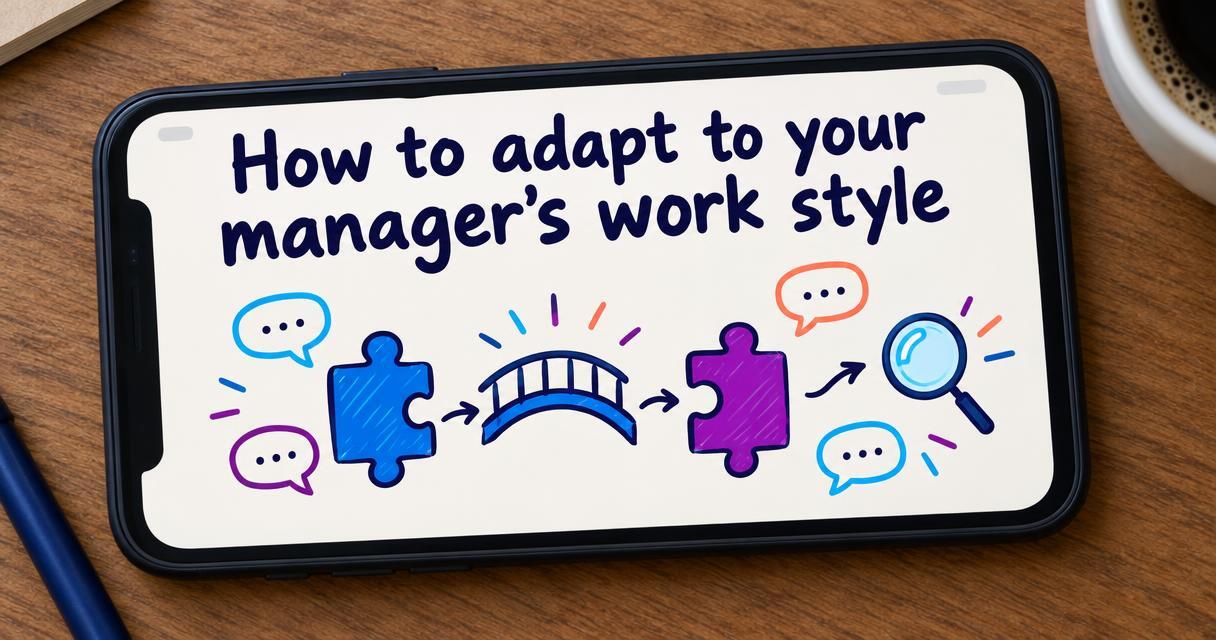
To adapt to your manager's work style, you first need to identify their core communication and decision-making habits, then adjust your own approach to match their expectations without compromising your personal boundaries.
Last reviewed November 2026
Key takeaways
- Identify whether your manager prefers direct updates, deep data or high-level summaries before you pitch an idea.
- Set clear boundaries so adapting to their style does not lead to your own exhaustion.
- Use your understanding of different working preferences to bridge communication gaps without taking friction personally.
- Lean on asynchronous tools like Slack or project boards to create clear paper trails with less reactive tension.
- Recognise when a working style mismatch is fundamentally irreconcilable and stops being worth your effort.
We have all been in this situation. You get a new boss, or you move to a new team, and suddenly your usual way of working feels entirely wrong. You send a detailed email, and they reply with a single word. You ask for direction, and they tell you to figure it out yourself. It is incredibly frustrating to feel like you are constantly missing the mark.
Understanding how to adapt to your manager's work style is not about changing who you are as a person. It is about learning their professional language. When you figure out what they need to feel confident in your work, you remove a massive source of daily friction. Research backs this up. Trust in senior leaders is nearly three times stronger when employees rate internal communication as “excellent,” underscoring the value of adapting to a manager’s preferred communication style (Ipsos Karian and Box).
Bridging this gap takes careful observation and a few deliberate changes to your daily routine. You need to assess how they operate, compare it to your own habits, and find a middle ground that keeps the work moving without burning you out.
Before you can adapt to a new boss, you need to know what you are dealing with. People process information and make decisions in wildly different ways. Some managers want dot points and immediate action. Others want spreadsheets and time to analyse the risks. This often comes down to their underlying Work Personality.
Pay attention to what they ask for when they are stressed. Stress strips away our polite workplace filters and reveals exactly how we prefer to operate. If you have an analytical manager, their stress response is usually to demand more proof, data and historical context before they agree to anything. If you have a highly relational manager, they might focus entirely on how a decision impacts the team morale while ignoring the practical logistics.
You need to compare their habits against your own natural defaults. If you are naturally detail-oriented but your boss is a fast-moving big-picture thinker, your comprehensive reports might actually frustrate them. You do not need to stop doing the detailed work entirely, but you do need to change how you present it to them. Put the main takeaway at the top of the email, and leave the methodology at the bottom for them to ignore.
Once you observe their habits, you will likely notice they fall into a common management archetype. Having a tactical playbook for these archetypes helps you anticipate their needs before they even ask.
If you are dealing with a micromanager, their core driver is usually anxiety. They need constant visibility and control to feel secure. The best way to manage them is to over-communicate proactively. Send them a summary of your progress before they have a chance to ask for one. When they see you are on top of the details, their anxiety drops, and they will slowly start to back off.
If you have a hands-off visionary, they care about big ideas and momentum. They hate getting bogged down in logistics. When you meet with them, bring solutions rather than problems. Keep your updates brief and focused on outcomes. Hey Compono offers coaching on how to structure these outcome-focused conversations if you naturally prefer to talk about process instead.
For the data-driven sceptic, everything is about proof and risk mitigation. They will routinely poke holes in your ideas. Do not take it personally. Anticipate their questions about risk, come prepared with hard numbers, and give them time to process the information before demanding a decision.
| Manager type | Core driver | How you adapt |
|---|---|---|
| The micromanager | Anxiety and control | Send proactive updates before they ask. |
| The hands-off visionary | Momentum and ideas | Bring them solutions and focus on outcomes. |
| The data-driven sceptic | Risk mitigation | Provide numbers and give them time to process. |
| The people-pleaser | Harmony and consensus | Frame your ideas around team benefits. |
Communication friction is usually the first sign of a mismatched working relationship. You might prefer talking things out in person, while your manager wants everything documented in a shared spreadsheet. Or perhaps you rely on instant messaging, but they only check their inbox twice a day.
To fix this, you need to establish mutual expectations early. Ask them directly how they prefer to receive updates. Find out if they want you to come to them with problems immediately, or if they prefer you to bring a list of issues to your weekly catch-up. While learning how to master managing up is about the broader strategy of aligning your goals with theirs, adapting to their style is about nailing the daily rhythm.
Using clear, neutral scripts can help reset a broken cadence. If they are constantly interrupting your focus time with urgent requests, try saying something like this. "I want to make sure I am giving your requests the attention they deserve. Would it work better if we batched these updates into a daily 15-minute catch-up?" This frames your boundary as a benefit to their workflow.
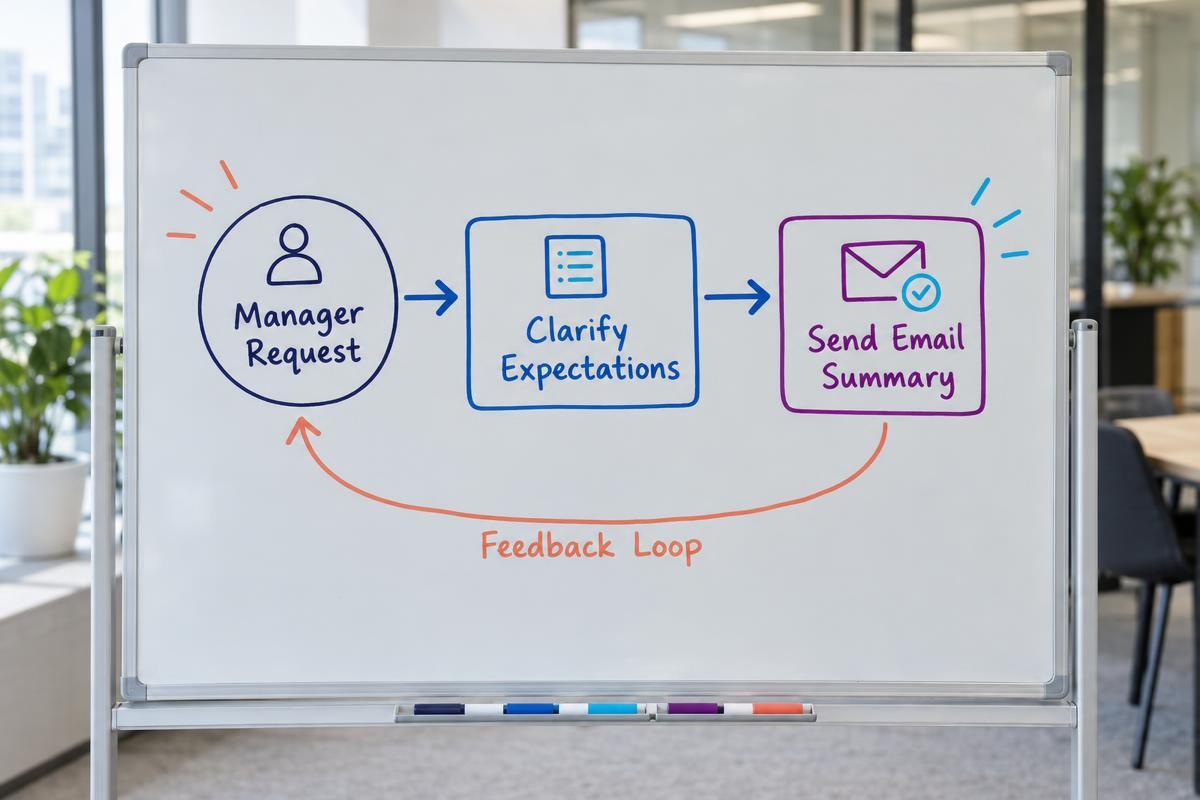
If they give vague instructions, you need a script for asking for clarification without sounding insubordinate. Try repeating their request back to them with your proposed next steps. "Just so I am completely aligned with your expectations, I am going to draft the proposal and send it to you by Thursday. Does that match what you need?"
Adapting gets significantly harder when you are not in the same room. Remote work removes the visual cues that tell you if your boss is busy, stressed or open to a casual chat. You have to be far more deliberate about how you connect and share information.
In virtual and hybrid teams, employees valued leaders who created space for informal dialogue, showed emotional openness, and adjusted communication or support when sensing uncertainty or low morale (BMC Psychology). If your manager does not naturally do this, you might need to initiate it yourself. Book a short call just to check in, or leave five minutes at the start of a meeting for non-work conversation.
If you are working with different working styles across a distributed team, asynchronous tools become your best resource. Use project boards, Slack updates or recorded video messages to provide visibility. These tools create a clear paper trail and reduce the need for constant status checks. They allow an anxious manager to see progress at any time, and they let a distracted manager catch up on details when they actually have the capacity to focus.
If you find it difficult to read your remote manager's tone over text, Hey Compono can help you analyse their communication patterns and suggest better ways to respond to blunt or confusing messages.
Sometimes a clash in working styles is actually a difference in neurodiversity. People have varied sensory needs, processing speeds and tolerances for ambiguity. What looks like a difficult management style might just be a different cognitive approach to the same problem.
If your manager has ADHD, they might struggle with long meetings or detailed status reports, preferring quick, high-energy brainstorming sessions instead. If they are on the autism spectrum, they might prefer highly structured, literal communication and struggle with implied expectations or office politics. Adapting in these situations requires a focus on extreme clarity.
Remove the guesswork from your interactions. Use clear headings in your emails. State the exact action you need from them and the deadline. If they need time to process information before making a decision, send your meeting agenda a full day in advance. Building a predictable routine helps everyone perform better, regardless of their neurotype.
There is a massive difference between adapting to a preference and enabling bad behaviour. You should be flexible, but you should never have to sacrifice your personal wellbeing or your professional ethics to keep your boss happy.
Employees describe their worst managers as micromanaging, unavailable, unfair, and lacking empathy, trust, or communication skills (Gallup). Learning how to handle an unsupportive boss without losing your mind is often about protecting your own capacity, rather than trying to fix their leadership flaws. If your manager's style crosses into toxic territory, adapting will only lead to your own burnout. You simply cannot out-communicate a boss who fundamentally disrespects your time or constantly moves the goalposts after you have delivered the work.
Set healthy boundaries early. If your manager expects immediate replies to emails at midnight, have a calm, clear conversation about your working hours. If they refuse to provide clarity on a project, document your assumptions and send them in an email to create a paper trail. You have to protect your own workload and mental health.
You need objective criteria to decide when a working style mismatch is fundamentally irreconcilable. If you have tried adjusting your communication, you have set clear boundaries, and you are still experiencing daily anxiety or ethical compromises, the relationship might not be fixable. When the friction stops you from doing your actual job, it is time to have a direct conversation about your future on the team.
Figuring out how to talk to a difficult boss can cause a lot of anxiety, especially if your natural styles clash heavily. An adaptive AI coach helps you rehearse these exact scenarios before you have them in real life, letting you practise setting boundaries and asking for clarity without the pressure of a live meeting.
Related reading
The best way to handle a micromanager is to over-communicate proactively. Send them regular, detailed updates before they have a chance to ask for them. When they feel confident that you are on top of the details, their anxiety usually drops, and they will slowly start to give you more autonomy over your work.
You need to establish firm boundaries around your working hours and communication availability. Have a direct conversation about expectations, and document your workload. If their style remains toxic and disrespectful of your time despite your efforts, you may need to consider moving to a different team.
Repeat their requests back to them with your own proposed next steps and deadlines. Ask them directly if your summary matches their expectations. This forces them to clarify their thoughts and creates a clear record of what was agreed upon before you start the work.
Yes, diverse working styles prevent groupthink and bring different strengths to a project. A team needs both big-picture visionaries and detail-oriented executors to succeed. The key is building mutual respect for how each person prefers to operate, rather than forcing everyone into the exact same mould.
Rely heavily on asynchronous communication tools like project boards and recorded video updates. Be deliberate about checking in, and explicitly ask how they prefer to receive information since you cannot rely on in-person visual cues to gauge their mood or availability.
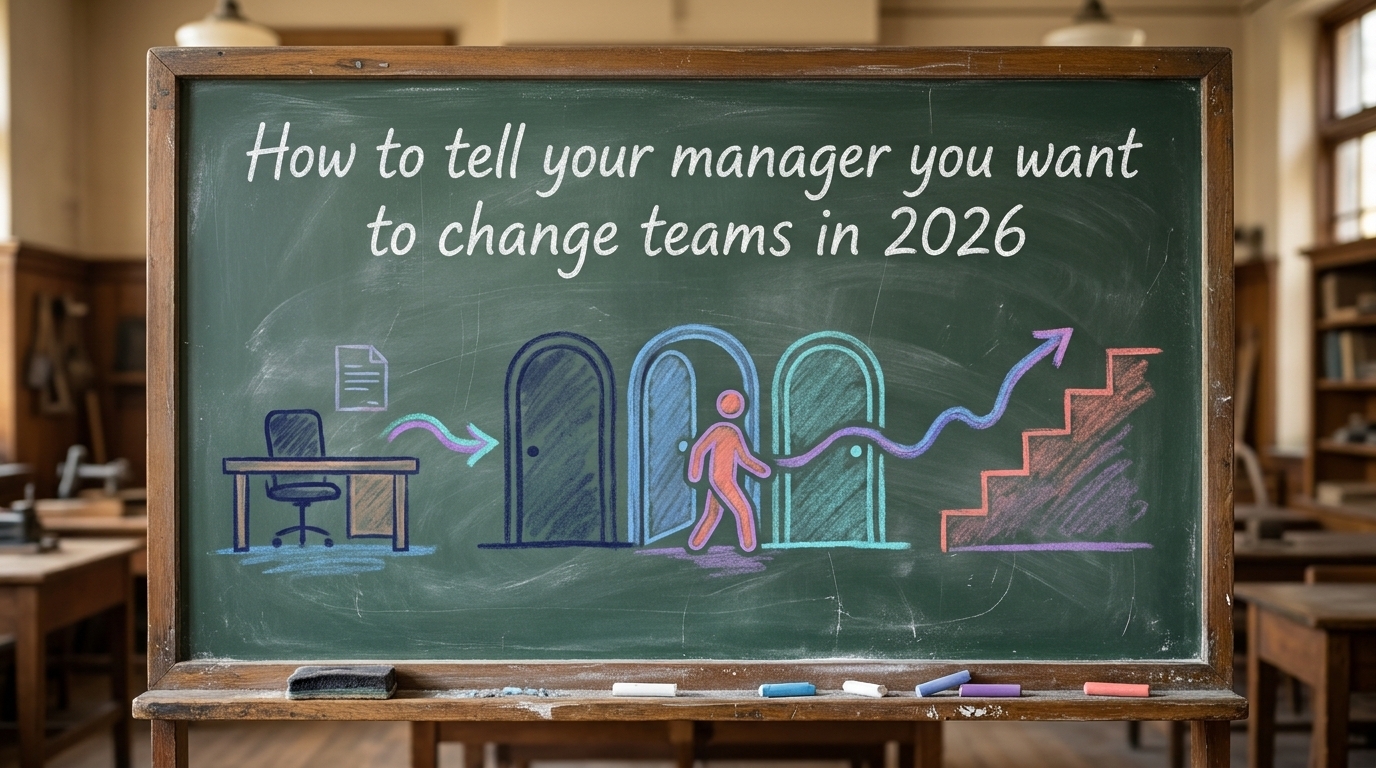
How to tell your manager you want to change teams? Get practical scripts, timelines, and advice to make an internal move without burning bridges.
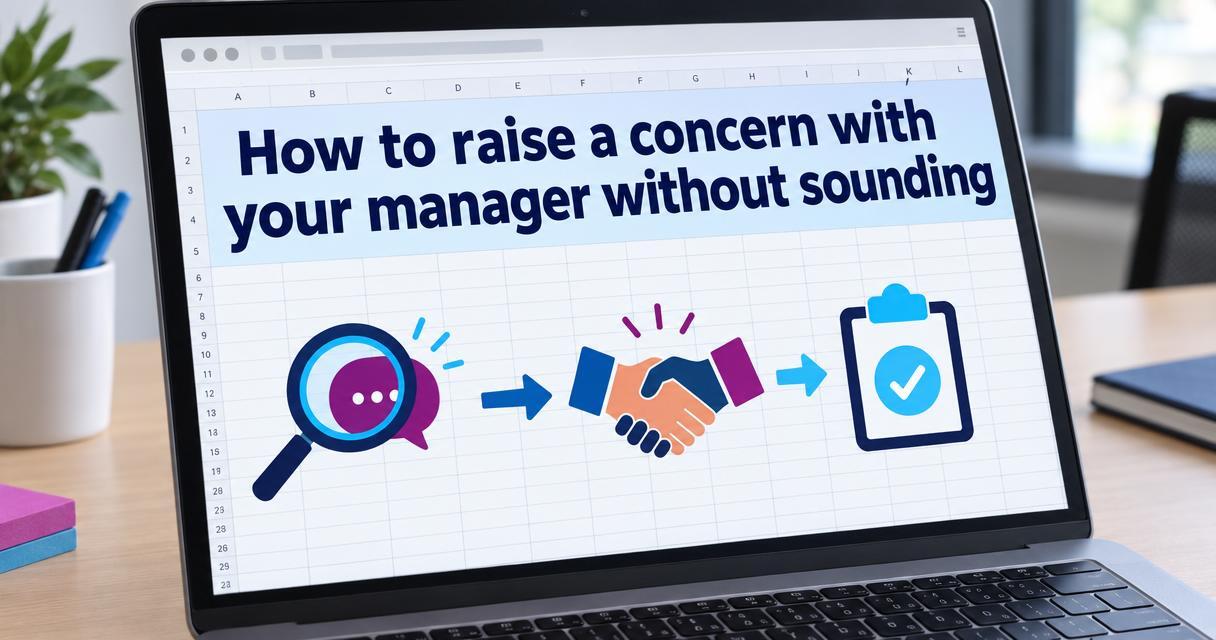
To raise a concern with your manager without sounding negative. Get practical scripts, preparation frameworks, and follow-up templates.
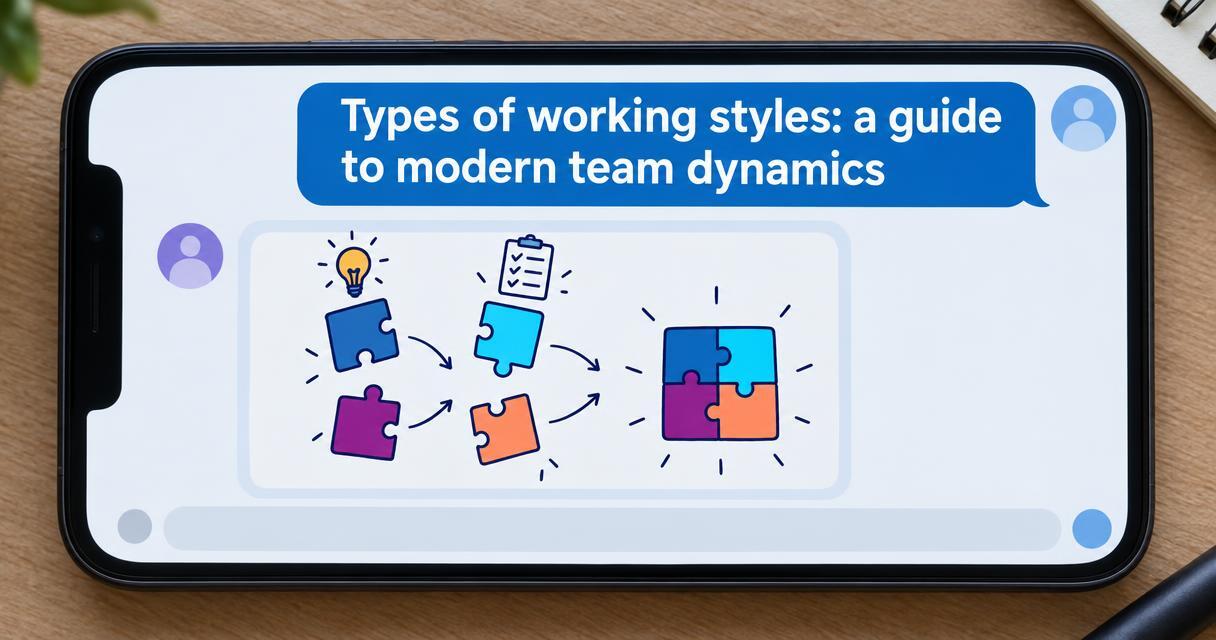
Learn about the core types of working styles, how they clash or collaborate, and how managers can adapt their leadership to build stronger teams.