
 Compono

1 min read
Finding the right work for my brain
 Compono
Finding work that actually fits your brain starts with stopping the internal narrative that you are 'too much' of one thing or 'not enough' of...
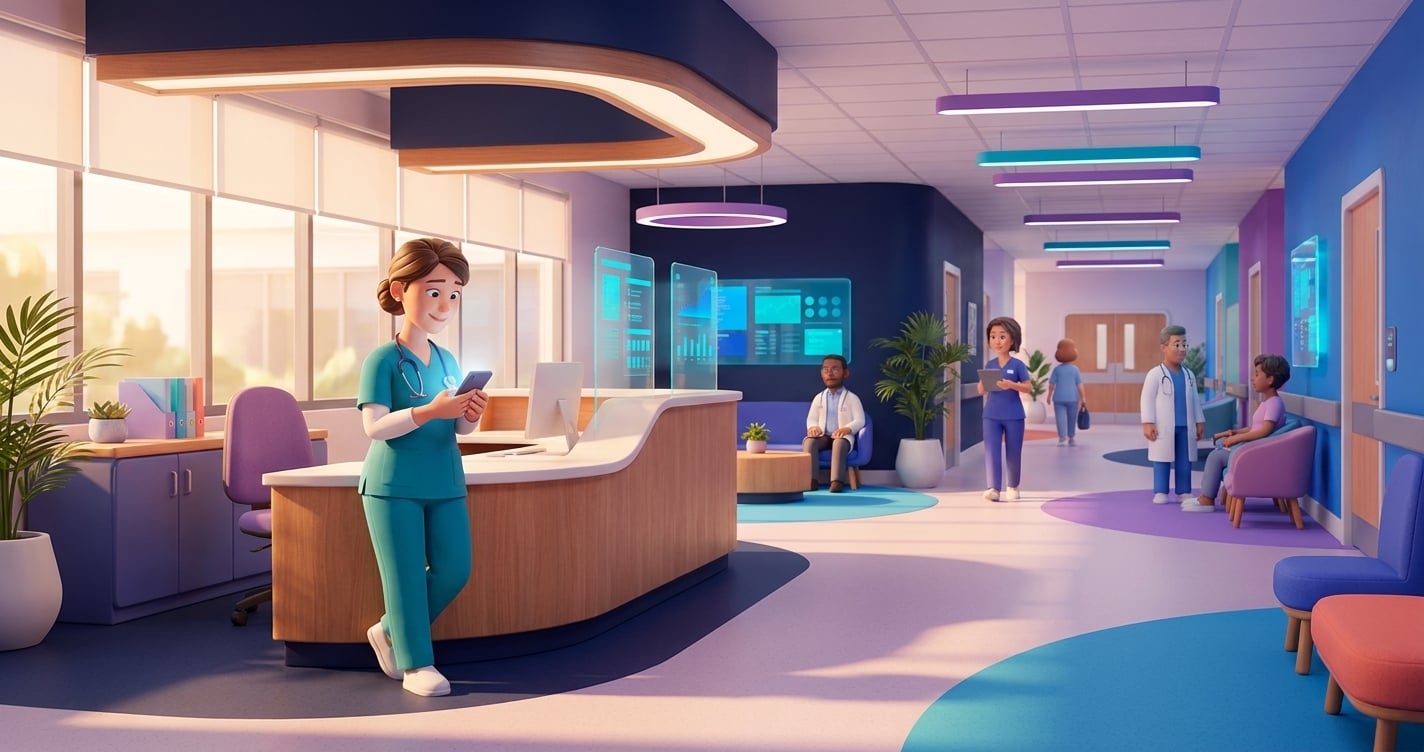
The best AI coaching platform for healthcare in ANZ is one that adapts to the specific work personality and stress responses of frontline workers, offering immediate, tailored support rather than generic advice.
Key takeaways
- Healthcare professionals require coaching that understands their specific personality type and stress triggers.
- Generic wellness advice often frustrates clinical staff who are dealing with systemic pressures and shift work.
- Effective AI coaching must be accessible 24/7 to support workers during night shifts and irregular hours.
- Personality-adaptive platforms provide targeted interventions that match how a person naturally processes information.
- Scalable coaching solutions help hospitals and clinics support their entire workforce without breaking the budget.
Healthcare professionals across Australia and New Zealand are exhausted. They are managing increasing patient loads, managing staff shortages, and dealing with the emotional weight of clinical care. When they finally ask for help, they are often handed a generic wellness pamphlet or told to practice deep breathing.
This approach feels dismissive to someone who has just finished a gruelling 12-hour shift in an emergency department. Frontline workers do not need another generic reminder to drink water or take a walk. They need support that acknowledges the reality of their working environment.
The problem with most coaching programs is that they assume everyone processes stress the exact same way. They treat a ward nurse, a neurosurgeon, and a hospital administrator as if they have identical coping mechanisms. This fundamental misunderstanding is why so many wellbeing initiatives fail to gain traction in clinical settings.
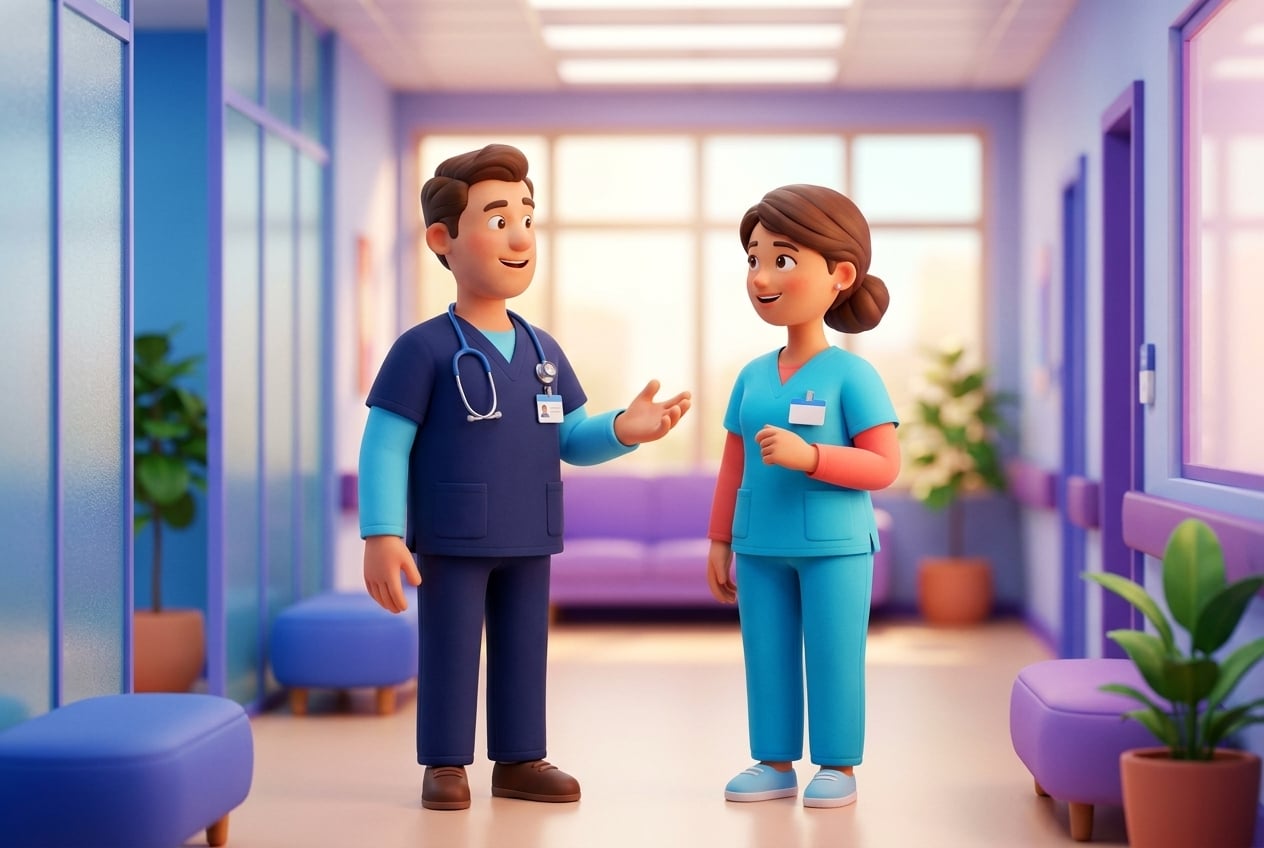
People react to pressure differently based on their natural work personality. When a ward gets overwhelmed with admissions, one person might become hyper-focused on protocols, while another might try to emotionally support every panicked patient at the expense of their own breaks.
If a coaching platform does not understand these baseline behaviours, its advice will miss the mark entirely. A highly logical, task-oriented doctor does not want to be asked how they feel about a chaotic shift. They want practical, structured frameworks to regain control of their workload.
When you are looking for the best AI coaching platform for healthcare in ANZ, you need a system that actually understands who is asking for help. This is where Hey Compono comes in, using personality-adaptive technology to match the guidance to the individual. It recognises that advice needs to be delivered in a way the person can actually hear and process.
To understand why adaptive coaching is necessary, we have to look at how different personalities operate under clinical stress. Consider the nurses and allied health professionals who naturally default to what we call The Helper personality. These individuals are empathetic, perceptive, and driven by a need to support others.
Under pressure, a Helper will often prioritise patient care and team harmony over their own basic needs. They will skip meals, stay late to comfort a family member, and avoid speaking up when they are drowning in work. If an AI coach tells a Helper to "just say no" to extra shifts, they will likely ignore the advice because it conflicts with their core values.
An adaptive coaching platform approaches this differently. Instead of demanding they change their nature, it helps them understand that setting boundaries is actually a way to ensure they can continue caring for patients long-term. It frames self-care through the lens of their desire to help others.
On the other end of the spectrum, you have healthcare workers who thrive on structure and precision. These individuals often align with The Doer or The Auditor personalities. They are methodical, reliable, and focused on executing tasks safely and accurately.
When a hospital environment becomes chaotic and unpredictable, as it often does, these structured workers experience severe stress. They feel out of control when protocols are bypassed due to understaffing. A generic coaching app might suggest they "embrace flexibility" or "go with the flow." To a highly structured professional, this advice is not just unhelpful; it feels dangerous in a clinical setting.
A smart AI coaching platform recognises this need for order. It will guide these individuals to identify the specific elements of their shift they can still control. It helps them build micro-routines to anchor their day, providing practical coping strategies that validate their need for structure rather than fighting against it.
Healthcare does not stop at 5:00 PM on a Friday. Night shift workers, weekend staff, and on-call specialists often face the highest levels of isolation and stress. Traditional executive coaching or counselling services are rarely available at 3:00 AM when a nurse has just dealt with a traumatic code blue.
The best AI coaching platform for healthcare in ANZ must be available exactly when the worker needs it. It has to sit in their pocket, ready to provide targeted support during a quick break in the staff room or in the car before driving home. This immediacy prevents acute stress from compounding into long-term burnout.
By providing on-demand, personality-aware support, hospitals can catch their staff before they reach a breaking point. It moves the organisation from a reactive stance, dealing with stress leave and high turnover, to a proactive model of continuous, daily support.
Historically, professional coaching has been reserved for hospital executives and senior department heads. It is expensive, time-consuming, and difficult to scale. But the people who need coaching the most are the junior doctors, the ward nurses, and the allied health staff who are absorbing the daily friction of the healthcare system.
AI coaching democratises this support. It allows healthcare networks to offer high-quality, personalised guidance to their entire workforce at a fraction of the cost of traditional methods. Every staff member gets access to a tool that understands their specific communication style, their strengths, and their blind spots.
When you provide this level of tailored support across an entire hospital or clinic, the culture begins to shift. Teams start to understand their own stress responses better. They learn how to communicate more effectively with colleagues who have different work personalities, reducing interpersonal friction on the floor.
Healthcare organisations in Australia and New Zealand are under immense pressure to prove they are looking after their staff. But implementing a generic wellness app that nobody uses is just ticking a compliance box. It does not change the daily reality for the people doing the work.
To make a genuine impact, you have to offer something that feels highly relevant to the individual. When a healthcare worker logs into a platform and feels like the system actually understands their specific frustrations and tendencies, engagement skyrockets. They stop seeing it as a mandatory HR initiative and start using it as a personal tool for survival and growth.
The goal is not to fix the healthcare worker, they are not broken. The goal is to give them a personalised mirror that helps them understand how their specific brain processes the intense demands of their job, allowing them to manage their shifts with a bit more clarity and a lot less exhaustion.
Key insights
- Healthcare coaching fails when it ignores the distinct work personalities of clinical staff.
- Adaptive AI coaching provides advice that aligns with a worker's natural stress responses and values.
- Around-the-clock accessibility is essential for supporting shift workers when they actually need help.
- Scaling personalised support to all frontline staff is now possible and affordable through AI platforms.
- Effective coaching validates the struggles of healthcare workers rather than offering toxic positivity.
Related reading: Best AI coaching platform for education: a 2026 guide · Best AI coaching platform for SaaS companies in New Zealand
Employee coaching, wellbeing support and team personality insights in one platform, built on organisational psychology.
Talk to usStandard wellness apps usually offer the same meditation tracks or breathing exercises to everyone. AI coaching, specifically personality-adaptive platforms, analyses how you naturally work and communicate. It then provides targeted advice and frameworks that actually make sense for your specific personality type.
AI coaching is designed for professional development, stress management, and building self-awareness. It is highly effective for managing daily workplace friction and preventing burnout. However, it is not a replacement for clinical therapy or psychiatric care if a worker is experiencing severe mental health crises.
When healthcare workers understand their own work personality, they also start to recognise the personalities of their colleagues. A platform can help a highly empathetic nurse understand why a highly logical doctor communicates so bluntly, reducing misunderstandings and improving clinical collaboration.
Yes, because it does not require scheduling a 45-minute Zoom call like traditional coaching. Workers can interact with the platform for just three to five minutes during a break or after a shift, getting immediate, actionable insights when the issue is still fresh in their mind.
Healthcare is a high-stakes, highly regulated environment. Generic advice like "take more breaks" or "don't sweat the small stuff" ignores the reality that missing a small detail in a hospital can harm a patient. Coaching must acknowledge the specific pressures of the clinical environment to be taken seriously.
1 min read
Finding work that actually fits your brain starts with stopping the internal narrative that you are 'too much' of one thing or 'not enough' of...
1 min read
AI coaching reviews show that the best tools are those that move beyond generic advice to provide personalised, personality-driven insights that...
1 min read
No judgment AI is a digital environment where you can explore your personality, behaviours, and career goals without the fear of being critiqued or...