
 Compono
Best Rocky AI alternative 2026: Buyers guide for modern teams
 Compono
Comparing Rocky AI alternatives? What the main coaching apps cover, and why people are moving to coaching that adapts to how they work.
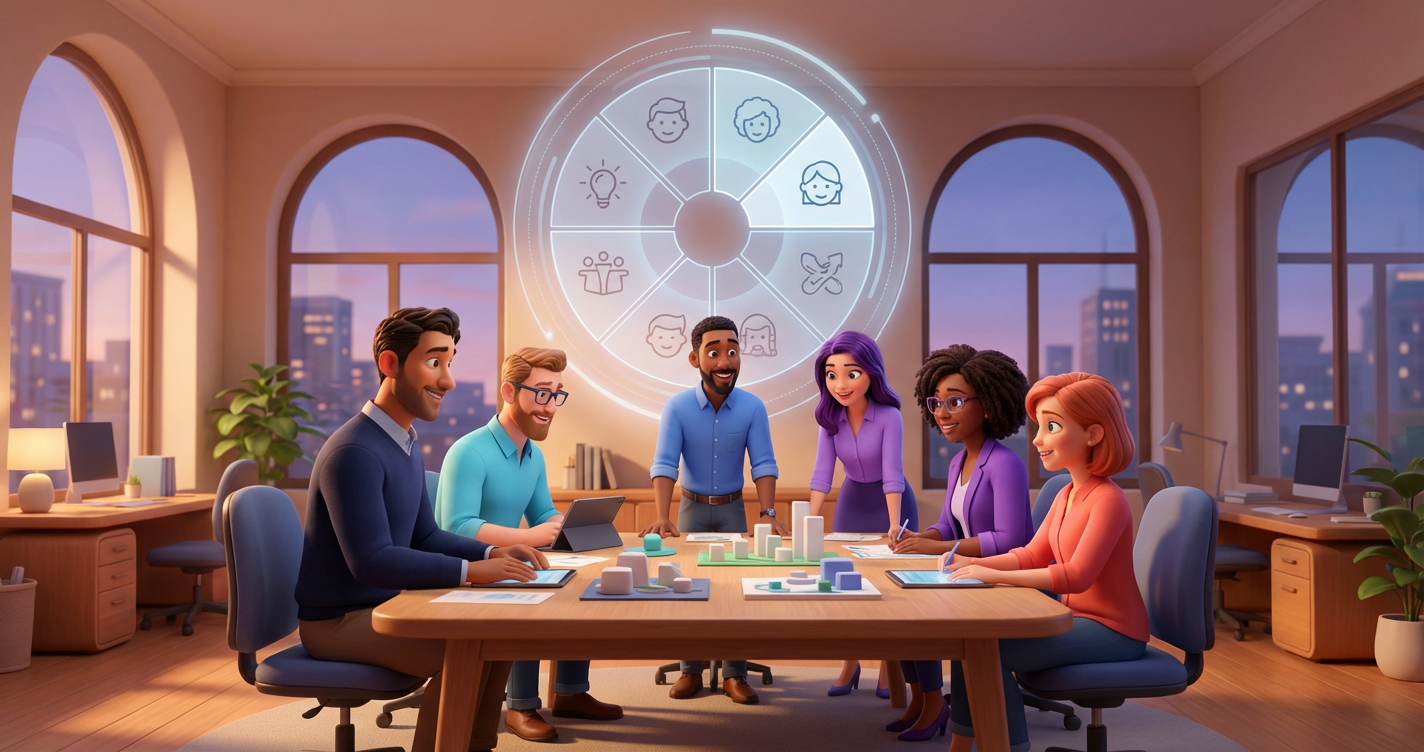
AI coaching can improve psychological safety scores by providing a private, non-judgemental space for employees to practice vulnerability and develop interpersonal skills without the fear of immediate social repercussion.
Psychological safety is the bedrock of high-performing teams, yet many people feel too exposed to speak up in traditional group settings. By using personality-adaptive technology, tools like Hey Compono help individuals understand their own behaviours first, creating a foundation of self-awareness that naturally translates into safer, more open team dynamics.
Key takeaways
- AI coaching offers a low-stakes environment for employees to test ideas and express concerns without the 'social tax' of human judgement.
- Psychological safety scores often increase when coaching is tailored to specific work personalities, such as The Helper or The Auditor, who may otherwise avoid conflict.
- Consistent, scalable coaching ensures that every team member, regardless of seniority, has access to the same framework for building trust.
- By identifying personality-driven blind spots, AI coaching helps leaders adapt their style to better support their team's emotional well-being.
You have likely sat in a meeting where the air was thick with things unsaid. Perhaps you had a suggestion that could have saved a project, but you kept it to yourself because the risk of looking 'difficult' felt too high. That hesitation is the sound of psychological safety scores dropping in real-time. It is an exhausting way to work, and frankly, it is a waste of your talent.
At Compono, we have spent over a decade researching the intricacies of team dynamics. We know that when people do not feel safe to fail, they stop trying to innovate. They stay in their lane, do the bare minimum to avoid notice, and eventually burn out. It is not a lack of skill that holds most teams back; it is a lack of trust. The challenge for modern leaders is that trust cannot be mandated, it has to be built, one interaction at a time.
Many organisations try to fix this with a one-off workshop or a generic survey. But psychological safety is not a 'set and forget' metric. It is a living aspect of your culture that requires constant maintenance. This is where the intersection of technology and human behaviour becomes interesting. Can a machine really help us feel safer being human? The evidence suggests that for many, a digital coach is exactly what they need to start lowering their guard.
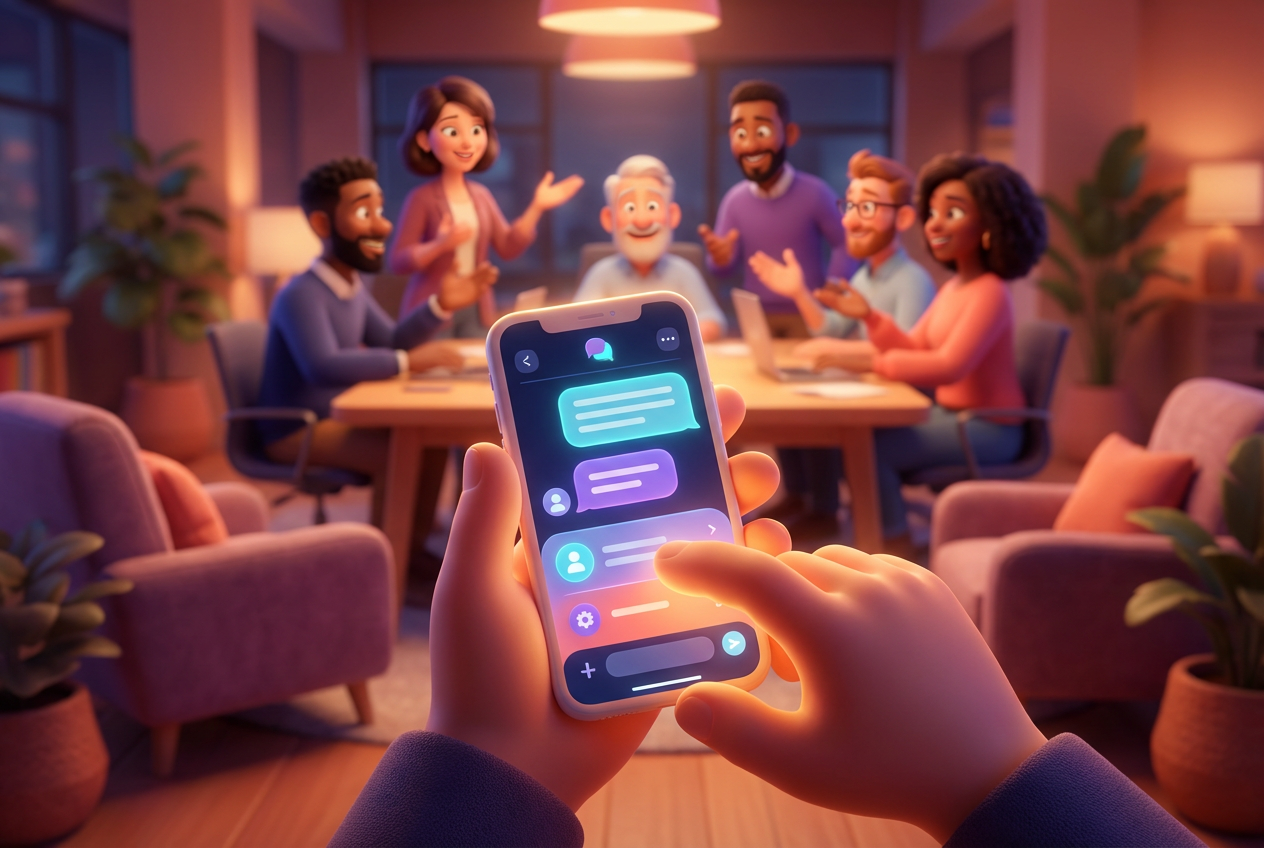
Traditional coaching is powerful, but it comes with a high barrier to entry. There is a specific kind of pressure that comes with sitting across from a human coach or a manager. You want to appear competent, coachable, and professional. Even in the best relationships, there is a subconscious filter that prevents us from being 100% honest about our fears or our 'ugly' work habits.
AI coaching removes that filter. When you interact with Hey Compono, there is no one on the other side of the screen judging your answers. You can admit that you struggle with The Evaluator’s blunt communication style or that you feel overwhelmed by a Pioneer’s constant stream of new ideas. This privacy creates a 'safe laboratory' where you can experiment with new ways of thinking and responding before you ever have to try them out in a live meeting.
This low-stakes environment is particularly beneficial for personalities who naturally avoid conflict. A Helper, for example, might spend their whole career smoothing over issues just to keep the peace, while their own psychological safety suffers because their needs are never met. AI coaching can gently nudge these individuals to assert themselves, providing scripts and strategies that feel manageable rather than terrifying. When people feel more confident in their ability to handle difficult conversations, their perception of safety in the team begins to climb.
One of the biggest mistakes in culture-building is assuming everyone needs the same thing to feel safe. A Coordinator feels safe when there is structure and clear expectations. An Auditor feels safe when they have all the facts and the time to process them. If you treat them both the same, you will likely alienate at least one of them. Generic coaching often fails because it ignores these fundamental personality differences.
A personality-adaptive platform like Hey Compono works differently. It recognises that your work personality dictates your 'safety requirements'. If the AI knows you are a Campaigner, it might focus on helping you slow down and listen to the quieter voices in the room. If it knows you are an Advisor, it might help you realise that your tendency to stay neutral in a conflict is actually making others feel less safe because they do not know where you stand.
When coaching is personalised, it stops feeling like a chore and starts feeling like a mirror. You begin to see how your natural tendencies, the things you have been told are 'too much' or 'not enough', impact the people around you. This self-awareness is the first step in creating a team environment where everyone feels they belong. If you are curious about how your own brain defaults under pressure, taking a quick personality read can show you the patterns you might be missing.
The problem with human-led coaching is that it rarely reaches the people who need it most. It is usually reserved for the executive tier, leaving the 'frozen middle' and frontline staff to figure things out on their own. Yet, psychological safety is most often broken at the team level, in the daily interactions between managers and their direct reports. To move the needle on organisation-wide scores, you need a solution that scales.
AI coaching democratises emotional intelligence. It allows every employee to have a 'mate who tells it straight' in their pocket. This consistency is vital. When an entire team uses the same framework, like Compono’s 8 work personalities, they develop a shared language. Instead of saying "you are being difficult," they might say "I can see your Auditor side is worried about the details here, let’s walk through them." This shift from personal attacks to personality-based understanding is a massive win for psychological safety.
Consider a scenario where a team is going through a period of intense change. In a typical environment, stress levels would skyrocket and communication would break down. But a team supported by AI coaching has the tools to manage that stress. They understand that the Pioneer is excited by the change while the Doer is stressed by the loss of routine. Because they have been coached on these differences, they can support each other rather than clashing. This collective resilience is what keeps safety scores high even when the pressure is on.
Key insights
- Psychological safety is not a static goal but a result of consistent, self-aware interactions across a team.
- AI coaching provides a non-threatening space for individuals to develop the emotional intelligence required for high-trust environments.
- Tailoring coaching to specific work personalities ensures that the advice is relevant and actionable for every individual.
- Scaling coaching through technology allows organisations to build a shared language of trust that reaches every level of the business.
Related reading: Best AI coaching app in 2026: an honest guide · AI coaching cost per seat: what to expect in 2026
Employee coaching, wellbeing support and team personality insights in one platform, built on organisational psychology.
Talk to us
While an AI doesn't 'feel' trust, it can be programmed with the expertise of corporate psychologists to recognise the patterns that build or break it. By using a framework like Compono’s 8 work personalities, the AI provides evidence-based guidance that helps humans manage their own complex social dynamics more effectively.
Actually, many people feel more comfortable. The absence of a human listener removes the fear of shame or professional repercussions. This privacy allows for a level of honesty that is often missing from traditional HR interventions or manager-led coaching sessions.
While culture change takes time, the shift in language often happens quickly. When a team starts using a shared personality framework, you can see a reduction in interpersonal friction within weeks. Long-term safety scores typically improve as these new communication habits become the team's standard operating procedure.
It is not necessarily 'better', but it is different and more scalable. AI coaching is excellent for daily habit formation, self-awareness, and providing a private space for reflection. It often serves as a powerful supplement to human leadership, giving managers the insights they need to lead with more empathy and clarity.
Not at all. If anything, it makes those 1-on-1s more productive. When an employee has already explored their blind spots with an AI coach, they come to their manager with more clarity and less defensiveness. The manager can then focus on supporting the employee's growth rather than managing basic personality clashes.
Comparing Rocky AI alternatives? What the main coaching apps cover, and why people are moving to coaching that adapts to how they work.

Looking for a Skillsoft coaching alternative in Australia? Discover how personality-adaptive coaching helps teams improve communication and...

Generic coaching gets generic results. How coaching built around personality changes the way a team communicates, argues and decides.