
 Compono
1 min read
Finding the best AI coaching platform for aged care in New Zealand
 Compono
The best AI coaching platform for aged care in New Zealand is one that adapts to the exact work personality of your staff, giving them immediate,...
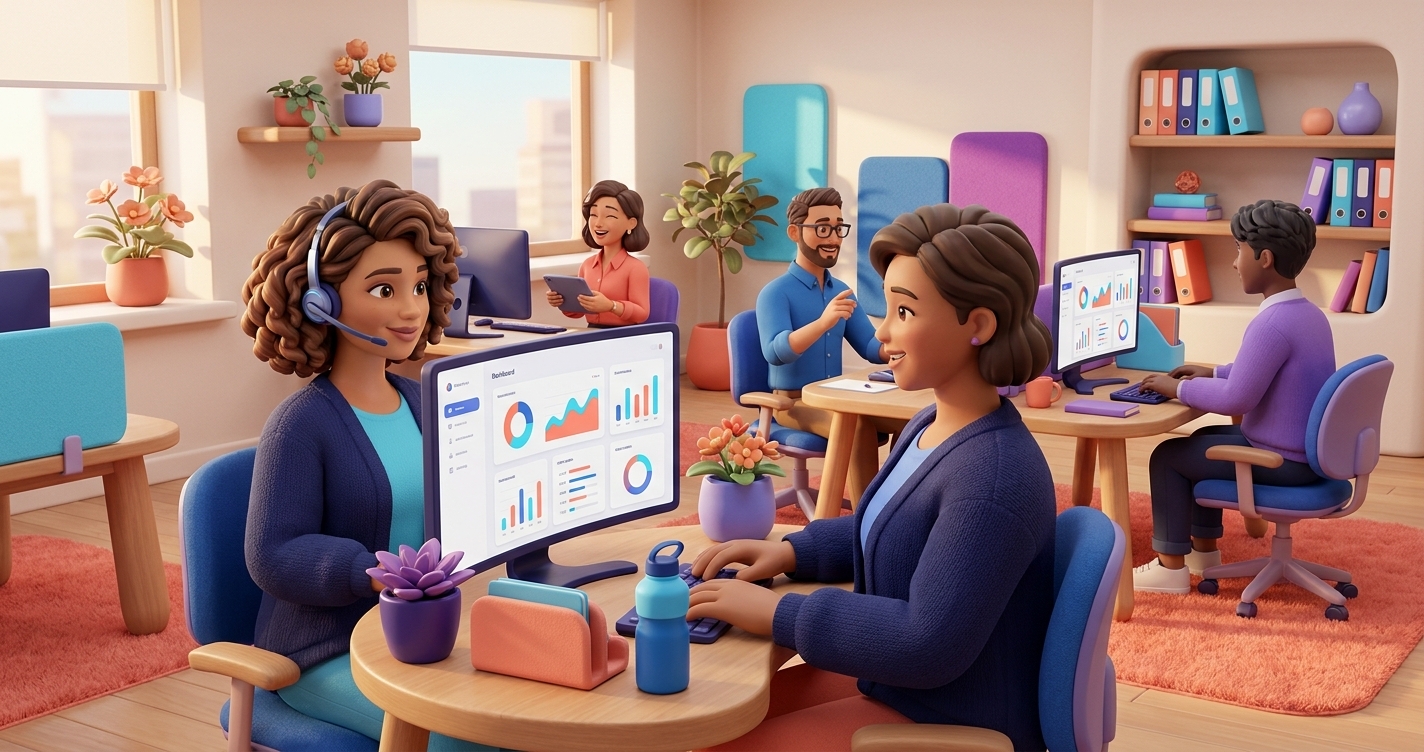
The best AI coaching platform for insurance in New Zealand adapts to individual work personalities to help brokers and claims handlers manage high-stress conversations and reduce burnout.
Key takeaways
- Insurance professionals face unique emotional stressors that generic training programs fail to address.
- Employees process difficult client interactions differently based on their specific work personality.
- Coaching platforms must adapt to the individual rather than forcing a uniform approach on diverse teams.
- Understanding natural communication styles helps staff set healthier boundaries with distressed clients.
- Targeted support improves staff retention in an industry known for high turnover rates.
Working in insurance means dealing with people on their worst days. A flooded house, a stolen car, a medical emergency. Your staff take the brunt of that raw emotion on every single call. They absorb the panic, the anger, and the desperation of clients who just want their problems fixed immediately.
Most companies try to solve this with standard resilience training. They put everyone in a room for an hour, tell them to take deep breaths, and hand out a script for de-escalating angry callers. That advice falls flat for half the room. People do not process stress the same way, and they certainly do not recover from it using the exact same methods.
When you are evaluating tools to support your staff, you need something that recognises human differences. The search for the best AI coaching platform for insurance in New Zealand often leads companies to look for technical features, but the real measure of success is how well the system understands the person using it.
Consider a scenario where a claims handler spends forty minutes on the phone with a policyholder whose claim was denied. The client is furious. They yell, they threaten to go to the media, and they make personal insults.
When that call ends, a highly empathetic staff member absorbs that stress differently than a highly analytical one. The empathetic person might feel a lingering sense of guilt or emotional exhaustion. The analytical person might feel intense frustration that the client refused to listen to the clear policy terms.
If your coaching platform treats these two employees exactly the same, it fails them both. Telling the empathetic person to "just look at the facts" ignores their natural emotional response. Telling the analytical person to "be more sensitive" dismisses their logical approach to problem-solving. People need coping mechanisms that actually fit their brains.
At Compono, our research into organisational psychology shows that work personality dictates how we process pressure. When we ignore these natural preferences, we force people to spend extra energy just trying to fit into a mould that wasn't built for them.

To provide meaningful support, you have to understand who you are supporting. Different roles in insurance naturally attract different types of thinkers, and each requires a specific coaching approach to thrive under pressure.
Take The Helper. These individuals are empathetic, supportive, and compassionate. They are often the backbone of customer care teams because they genuinely want to fix the client's problem. Under normal circumstances, they create incredible client loyalty. Under stress, they tend to over-accommodate and struggle to set boundaries. A coaching platform needs to help them practice saying no firmly without feeling like they have failed the client.
Then you have The Evaluator. They are logical, direct, and objective. You will often find them thriving in complex underwriting or fraud investigation roles. They excel at risk assessment. When they are stressed, they can become blunt and dismissive of other people's feelings. They do not need coaching on policy details. They need coaching on bedside manner and reading emotional cues.
If you want to see how your claims team naturally handles these high-pressure situations, Hey Compono can show you their default patterns in about 10 minutes. It gives you a clear picture of what kind of support will actually land with your staff.
The insurance industry is uniquely vulnerable to sudden, massive spikes in workload. A severe weather event can generate thousands of claims in a single afternoon. Suddenly, your team is working mandatory overtime, dealing with traumatised clients, and facing a backlog that seems impossible to clear.
This is where personality-adaptive coaching proves its worth. During a crisis, managers do not have time for weekly one-on-one sessions with every team member. An intelligent coaching platform steps in to provide immediate, relevant support based on how that specific employee reacts to being overwhelmed.
The Doer personality, who prefers structured tasks and clear rules, might freeze when a crisis throws all standard procedures out the window. They need coaching that helps them break the chaos down into manageable, practical steps. They need permission to focus on one claim at a time.
The Coordinator, who loves to plan and organise, might become rigid and controlling when the workload spikes. They need coaching on flexibility and accepting that perfect processes must sometimes give way to rapid execution.
We need to retire the posters promoting "good vibes only" and toxic positivity. Telling burnt-out claims handlers to look on the bright side is insulting. True resilience comes from self-awareness and having practical tools to manage your specific reactions to stress.
Finding the best AI coaching platform for insurance in New Zealand requires looking for systems that validate the struggle. The work is hard. The conversations are draining. A good platform acknowledges this reality before offering solutions.
For example, a Pioneer personality thrives on variety and creative problem-solving. Put them in a rigid claims processing role where they have to read the exact same compliance script fifty times a day, and they will burn out from boredom and constraint. Coaching for them might involve finding small ways to innovate within their workflow or giving them side projects that engage their imagination.
When coaching is tailored to these natural preferences, it stops feeling like a corporate mandate. It feels like a tool the employee actually wants to use.
Insurance has a notorious turnover problem in frontline roles. Replacing a trained claims handler or broker costs significant time and money. You lose their institutional knowledge, you spend weeks training a replacement, and your remaining staff have to shoulder the extra workload in the meantime.
When staff feel misunderstood by their employer, they leave. When they are given generic advice that doesn't help them manage their stress, they disengage. Personalised coaching is a direct intervention for retention.
Many HR teams find that when they switch to a personality-adaptive approach, the tone of the office changes. Managers spend less time dealing with interpersonal conflicts because team members understand how to communicate with each other. A direct, blunt Evaluator learns how to phrase feedback so an empathetic Helper can receive it without feeling attacked.
You can start mapping these team dynamics quickly. Hey Compono provides the insights needed to understand exactly what drives your people and where their blind spots are.
The most effective coaching does not happen in a three-day offsite seminar. It happens in the five minutes between a terrible client call and the next one in the queue. It needs to be accessible, immediate, and highly relevant.
If an employee has just been yelled at for a premium increase they have no control over, they need a specific strategy to reset their nervous system before they pick up the phone again. An AI platform that knows their personality profile can suggest the exact right intervention. Some people need to vent to a colleague. Some people need to look at a logical breakdown of the situation. Some people just need to take a walk around the building.
By providing the right support at the exact moment of need, you empower your staff to manage their own well-being. You give them agency in an environment where they often feel powerless against company policies and angry clients.
Key insights
- Generic resilience training fails because it ignores how different personalities process stress and conflict.
- Empathetic staff need help setting boundaries, while analytical staff often need coaching on emotional intelligence.
- During claims surges and crises, tailored support helps prevent employees from becoming overwhelmed by chaos.
- Providing immediate, personality-specific coping strategies is a highly effective way to improve staff retention.
- Coaching must be integrated into the daily workflow to help staff recover instantly from difficult client interactions.
Ready to give your team support that actually fits how they work?
Hey Compono helps teams give and receive feedback that actually moves the needle. Start free and see how it fits your workflow.
Personality determines how an individual naturally responds to stress, strict compliance rules, and emotional clients. Someone who is highly empathetic may excel at customer care but struggle with the emotional toll of denied claims. Someone highly analytical might process claims efficiently but struggle to comfort distressed policyholders. Understanding these traits allows you to support their specific needs.
Generic training assumes everyone learns, communicates, and recovers from stress in the exact same way. When you give the same coping script to a practical, task-focused person and an imaginative, big-picture thinker, it will inevitably fail one of them. People need strategies that align with how their brains naturally work.
Yes. A major driver of turnover in high-stress roles is feeling unsupported and misunderstood. When employees receive coaching that acknowledges their specific struggles and provides tailored, actionable advice, they feel valued. This reduces burnout and keeps them engaged in their roles for longer periods.
During a surge, managers are often too busy to provide individual support. An intelligent platform can offer immediate, micro-coaching interventions based on an employee's personality profile. This helps them manage their stress in real-time, whether they need help organising the chaos or managing their emotional exhaustion.
Conflict usually stems from miscommunication rather than malice. A direct, logical person might offend a supportive, empathetic person without meaning to. Coaching helps team members understand their own communication styles and adapt them when speaking to colleagues who process information differently.

1 min read
The best AI coaching platform for aged care in New Zealand is one that adapts to the exact work personality of your staff, giving them immediate,...

1 min read
The best AI coaching platform for NDIS providers in NSW is one that adapts to the individual personality of each support worker, providing scalable,...

1 min read
The best AI coaching platform for disability services in NSW is one that prioritises emotional intelligence and personality-led support to help...