
 Compono
1 min read
How to pilot AI coaching in a NDIS provider's business
 Compono
To successfully figure out how to pilot ai coaching in a ndis providers business, you need to select a small cross-section of 15–20 support workers,...

The best AI coaching platform for NDIS providers in NSW is one that adapts to the individual personality of each support worker, providing scalable, on-demand guidance to prevent burnout and improve team communication.
Key takeaways
- Support workers experience high rates of burnout because they absorb the emotional load of their participants every day.
- Generic leadership advice fails distributed care teams because it assumes everyone processes stress and conflict the same way.
- Personality-adaptive coaching gives managers insight into how different team members communicate, allowing for better roster management.
- AI coaching tools provide on-demand support for workers who are constantly on the road and away from the office.
- Understanding individual work personalities directly reduces internal friction and improves the quality of participant care.
Running an NDIS service is relentless. You are constantly balancing complex participant needs with roster changes, compliance updates, and the ever-present threat of staff turnover.
Your support workers are out in the community every single day. They handle challenging behaviours, intense emotional situations, and heavy physical demands. When they hit a wall, they usually do it alone in their car between shifts.
You want to support them. You know they need coaching and guidance to handle the pressure of the job. But you cannot be in the passenger seat with every worker, and generic training days do not fix the daily friction.
People who choose disability support work usually share a specific trait. They care deeply about others. They want to make a tangible difference in their local community.
But that high level of empathy comes with a heavy cost. When you absorb the emotions and struggles of participants all day, your own emotional reserves drain quickly. This is why the disability sector sees such high rates of burnout.
Many managers try to fix this with standard check-ins or resilience training. They tell staff to set boundaries or leave work at the door. For someone whose natural default is to help, this advice feels impossible to follow.
They do not need to be told to care less. They need strategies that actually fit how their brain works and how they naturally process stress.
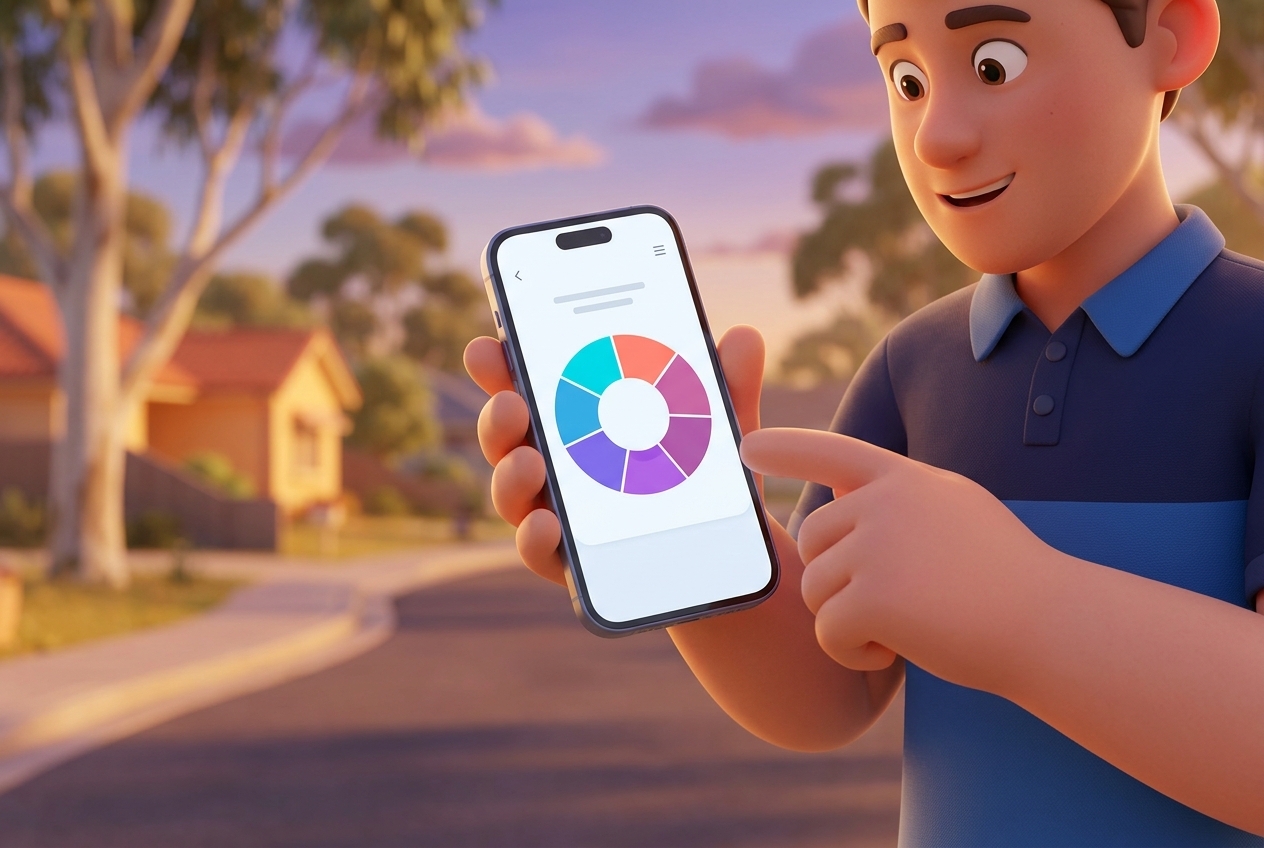
If you manage a team of support workers, you already know they are not all the same. They handle stress, conflict, and communication in completely different ways.
Consider the worker who always volunteers for extra shifts and struggles to say no to participants. In our framework at Hey Compono, we call this person The Helper. They are empathetic and nurturing, but they are at the highest risk of burnout because they prioritise everyone else's needs over their own.
Now think about the worker who gets frustrated when compliance rules change or when a participant's routine is disrupted. They might be a Doer. They are practical, reliable, and task-focused. When things get chaotic, they become rigid and stressed.
You cannot coach these two people the same way. The Helper needs permission to set boundaries without feeling guilty. The Doer needs clear, logical steps to regain control of their daily routine.
Finding a tool that actually supports your team means looking past generic learning management systems. You need something that understands human behaviour.
When evaluating the best AI coaching platform for NDIS providers in NSW, the first requirement is personalisation. The system needs to adapt its advice based on the user's natural work preferences and personality type.
It also needs to be accessible. Support workers do not sit at desks. They are in participant homes, at medical appointments, and in transit. They need coaching they can access on their phone in the ten minutes between visits.
Finally, it needs to give you, the manager, visibility. You need to know what your team's natural strengths are and where their blind spots lie, so you can step in before a small frustration becomes a resignation letter.
One of the hardest parts of managing an NDIS business is the physical distance. Your team is scattered across different suburbs, working different shifts, and rarely seeing each other face-to-face.
This isolation breeds misunderstanding. A blunt text message from a rostering Coordinator about a shift change might deeply offend a Helper who is already feeling stressed. The conflict escalates simply because they communicate differently.
Using personality-adaptive coaching helps bridge this gap. It gives your entire team a shared language to understand each other's natural defaults.
When a worker understands that their manager's direct tone is just their natural Evaluator personality – and not a personal attack – the friction disappears. They stop taking things personally and start working together to solve the problem.
NDIS providers spend a massive amount of time and money on compliance. You have to ensure every incident report is filed correctly and every shift note is perfectly accurate.
But compliance training does not teach a worker how to de-escalate a conflict with a participant's frustrated family member. It does not teach them how to process the grief of a participant's declining health.
Coaching fills the gap between knowing the rules and knowing how to handle the human reality of the job. It builds the self-awareness required to manage emotional reactions in the heat of the moment.
When your team understands their own triggers, they provide better care. They stay calm under pressure, they communicate clearly, and they stick around longer.
Replacing a good support worker is expensive and disrupts the continuity of care for your participants. Retention is the single biggest challenge for NDIS providers today.
People leave jobs when they feel misunderstood, unsupported, or overwhelmed. Throwing more money at them rarely solves the underlying emotional exhaustion.
Providing access to a coaching platform shows your team that you care about their mental load, not just their timesheets. It gives them a private, accessible space to work through their challenges.
When you invest in their personal development and self-awareness, you build loyalty. A supported worker is a loyal worker.
It is not just the frontline workers who need support. Your office staff – the people managing the NDIS portal, the rosters, and the billing – are under immense pressure too.
These roles are often filled by Auditors and Coordinators. They thrive on structure, accuracy, and clear procedures. When the NDIS introduces new pricing arrangements or compliance rules, these team members take the hit.
Coaching helps your administrative team manage the anxiety that comes with sudden changes. It gives them strategies to stay flexible when their natural instinct is to become rigid.
A cohesive NDIS provider needs both the frontline Helpers and the back-office Auditors working in sync. When everyone understands how the other thinks, the entire operation runs smoother.
Key insights
- Support workers need coaching that aligns with their natural personality, not generic advice that ignores how they process stress.
- Understanding the difference between a Helper and a Doer allows managers to intervene effectively before burnout occurs.
- The best coaching tools for NDIS providers must be mobile-friendly and accessible for distributed teams on the road.
- A shared understanding of work personalities reduces internal conflict and miscommunication across scattered rosters.
- Investing in personality-adaptive coaching directly improves staff retention and the quality of care provided to participants.
Understanding how your support workers think is the first step to reducing burnout and building a team that actually wants to stay. Give your staff the tools to understand their own behaviour and watch the daily friction disappear.
AI coaching provides on-demand, personalised guidance that support workers can access between shifts. It helps them process difficult situations, manage their stress responses, and understand their natural communication style without needing to wait for a formal manager check-in.
Care teams are made up of different personalities who handle the emotional load of support work differently. A highly empathetic person needs different support than a highly task-focused person. Personality-adaptive coaching tailors the advice to fit exactly how each individual's brain works.
Distributed teams need tools that are mobile-first and asynchronous. Because NDIS workers rarely sit at a desk, the platform must deliver quick, actionable insights that they can digest on their phone while sitting in their car or taking a break.
Most staff turnover in the disability sector stems from burnout and poor communication. When workers understand their own blind spots and managers know how to support their specific personality type, frustration drops. People stay when they feel understood and supported.
Yes. When a support worker understands their own emotional triggers and communication style, they are better equipped to stay calm and objective during challenging participant interactions. Self-awareness directly translates to higher quality, more patient care.

1 min read
To successfully figure out how to pilot ai coaching in a ndis providers business, you need to select a small cross-section of 15–20 support workers,...

1 min read
The best AI coaching platform for aged care in New Zealand is one that adapts to the exact work personality of your staff, giving them immediate,...

1 min read
The best AI coaching platform for disability services in NSW is one that prioritises emotional intelligence and personality-led support to help...