
 Mathan Allington
How to manage someone with a different work style: a guide
 Mathan Allington
To manage someone with a different work style without the daily friction. Get practical steps and scripts for your next one-on-one meeting.
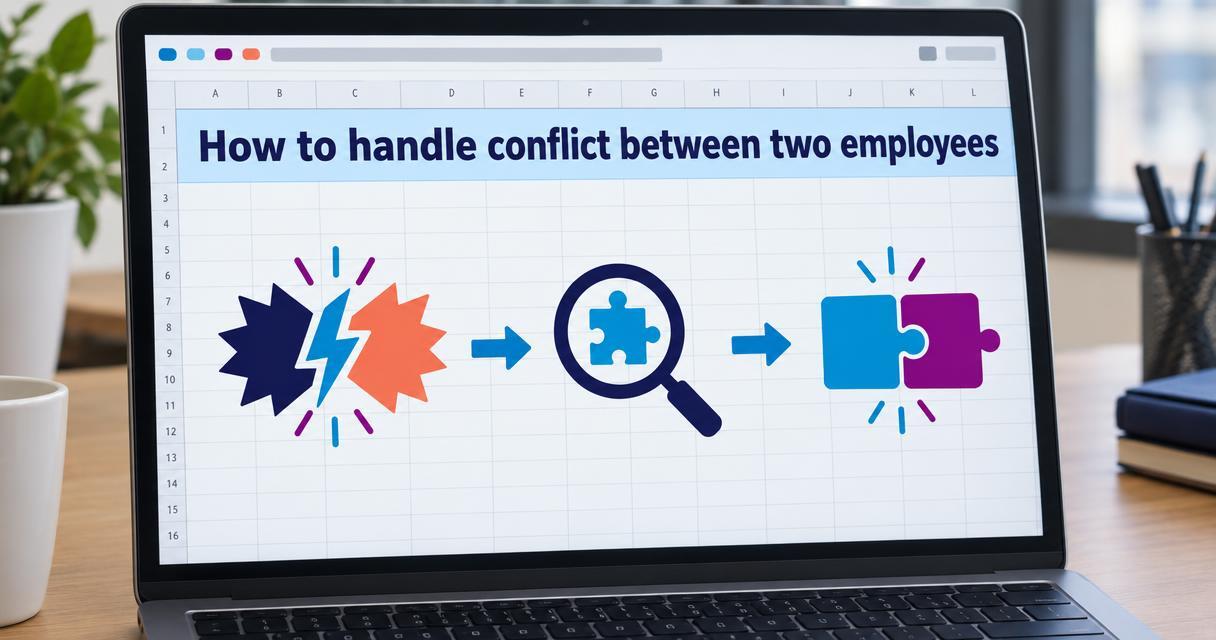
To handle conflict between two employees, you need to step in early, listen to both sides separately to find the root cause, and then bring them together to agree on a practical way forward.
Last reviewed November 2026
Key takeaways
- Catching conflict early prevents a minor disagreement from becoming a toxic issue that derails the whole team.
- You must meet with each person privately to gather facts before holding a joint mediation meeting.
- Many workplace disputes look like personal attacks but are actually clashes between different work personalities and communication styles.
- Setting clear rules for the mediation meeting keeps the conversation focused on future solutions rather than past grievances.
- Following up after 30 and 60 days ensures the resolution sticks and prevents old habits from creeping back in.
Nobody likes stepping into a fight between two adults. When two people on your team clash, your first instinct might be to look the other way and hope they figure it out themselves. You are not alone in that reaction. According to Acas, one-third of managers who experienced conflict with a direct report did nothing in response.
Ignoring the problem rarely works out. Research from the National Centre for Social Research shows that 44% of working-age adults experienced workplace conflict during the previous 12 months. When left unchecked, that friction spreads to the rest of the team, kills productivity, and often ends with someone resigning. Knowing how to handle conflict between two employees is a core part of leadership.
This guide walks you through a practical process to mediate disputes, complete with the scripts you need to keep the conversation productive.
Conflict rarely starts with a shouting match in the middle of the office. It usually begins as a low-level irritation that builds up over time. If you run a remote or hybrid team, the signs are even harder to spot because you cannot see the eye rolls or the awkward silence in the kitchen.
Look for changes in communication. You might notice two people who used to collaborate well suddenly sending blunt, one-line emails to each other. They might avoid speaking on video calls, or one person might start dropping the other from calendar invites. Sometimes, the conflict shows up as passive aggressive behaviour, where a team member agrees to do a task but deliberately drags their feet to frustrate their colleague.
When you spot these behaviours, you have a choice to make. You need to decide whether this is a minor disagreement they can resolve on their own, or a serious issue that requires your intervention.
Not every disagreement requires a formal mediation meeting. Sometimes, two passionate people just have different ideas about how to execute a project. However, some behaviours cross the line and require immediate escalation to human resources.
Before you act, categorise the conflict using this framework.
| Type of conflict | Examples | Your action |
|---|---|---|
| Minor friction | Disagreeing on a process, mild frustration over a missed deadline, differing opinions on a design. | Encourage peer-to-peer resolution. Coach them on how to talk to each other directly. |
| Active conflict | Refusing to collaborate, continuous passive aggression, withholding information, personal insults. | Step in immediately. Use the mediation steps below to resolve the issue. |
| HR and legal triggers | Harassment, discrimination, bullying, threats, or any violation of company policy. | Escalate immediately to HR or legal. Do not attempt to mediate this yourself. |
If the situation falls into the active conflict category, the responsibility to fix it sits with you. Acas notes that 45% of employees who experienced workplace conflict discussed it with their manager. They expect you to lead them through it.
Never bring two angry people into a room together without knowing what you are walking into. You need to meet with each person privately to hear their side of the story and understand their perspective.
Your goal in these one-on-one meetings is to remain completely neutral. You are there to gather facts, not to agree with their complaints or assign blame. Listen carefully to the language they use. Often, you will find that the conflict is not actually about the project at all.
Ask open questions to get to the root of the problem. You might say, "I have noticed some tension between you and Sarah lately. Can you tell me what is happening from your perspective?" Keep digging until you move past the emotional surface and uncover the specific behaviours that are causing the friction.
Most workplace disputes fall into two categories: structural problems or personality clashes. Structural problems are things you can fix with better management, like unclear job roles, competing KPIs, or a lack of resources causing a bottleneck.
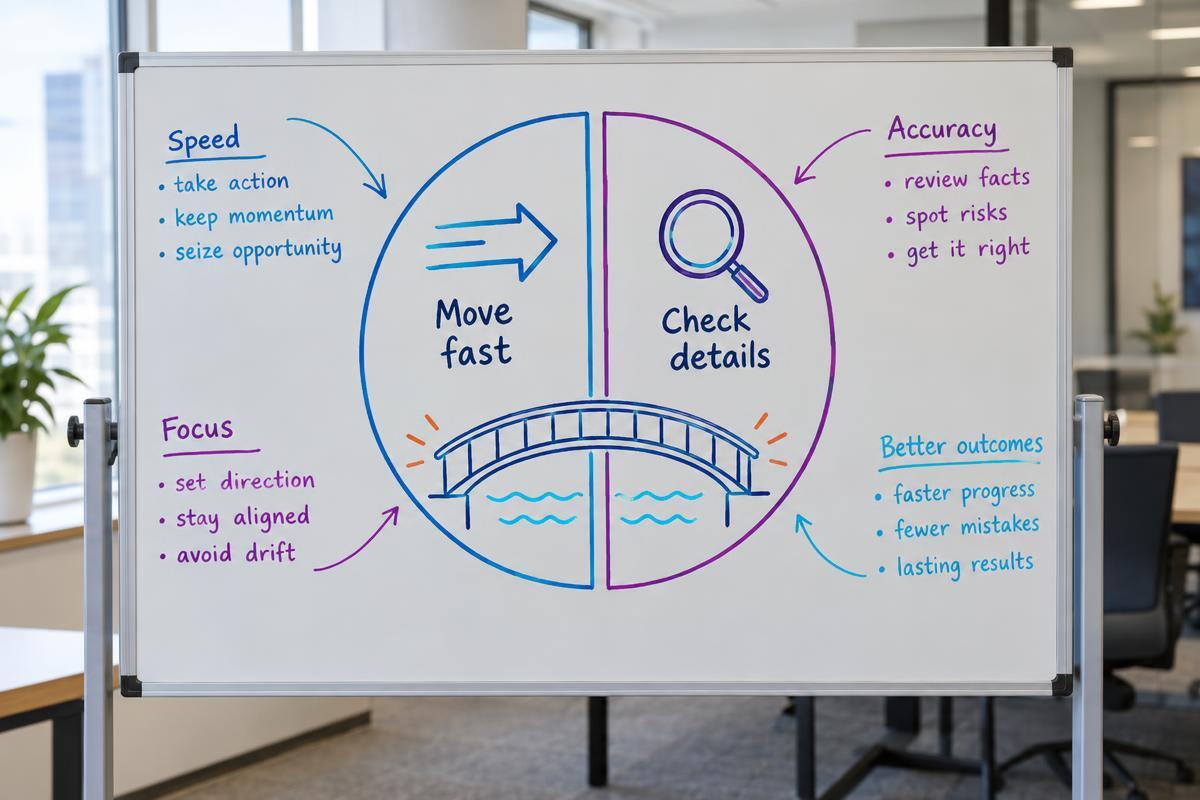
Personality clashes are more complicated. At Hey Compono, we know that people process information and handle stress differently. What looks like intentional sabotage is often just a clash of working styles. If you have an employee with a Doer work personality, they want to take immediate action and tick things off the list. If they are working with an Evaluator, who needs time to analyse data and spot risks, conflict is almost guaranteed.
The Doer thinks the Evaluator is deliberately slowing the project down. The Evaluator thinks the Doer is reckless and dismissive of quality. Realising that team conflict is often a clash of working styles changes how you mediate the dispute. You stop trying to fix their personalities and start helping them translate their approaches for each other.
Once you understand the facts and the root cause, it is time to bring both employees together. Set a clear agenda for this meeting so nobody feels ambushed. They should both know they are walking into a conflict resolution conversation.
Start the meeting by setting the ground rules. You need to take control of the room immediately to prevent it from turning into a shouting match.
Here are specific phrases you can use to guide the conversation:
To open the meeting: "Thank you both for making time today. I asked for this meeting because the tension between you is impacting the work and the team. We are not here to rehash everything that has gone wrong in the past. We are here to agree on a practical way you two can work together from here. I expect us all to remain professional and listen without interrupting."
To manage interruptions: "James, hold on a second. We agreed to let Sarah finish her point. You will have a chance to respond when she is done."
To reframe personal attacks: "Let us step back from personal opinions. Instead of saying James is unhelpful, Sarah, can you describe the specific steps in the process where you feel you are not getting the information you need?"
To transition to solutions: "We have a clear picture of where the communication is breaking down. Now, I want to hear one thing from each of you that would make this process work better next week."
If you feel uncomfortable steering conversations like this, some managers use the Hey Compono app to practise difficult conversations before they step into the real meeting.
A mediation meeting is a failure if everyone just vents their feelings and walks out without a plan. You must document exactly what will change. The National Centre for Social Research found that only half of workplace conflicts were largely or fully resolved, while 31% remained mainly or completely unresolved. A lack of actionable agreements is a major reason why.
Write down the specific behaviours both employees agree to change. If the issue is about communication, the agreement might state that all project updates will happen in the shared Slack channel rather than private messages. If the issue is about workload, the agreement might clarify exactly who is responsible for the final sign-off on a report.
Read the agreement aloud at the end of the meeting and ask both employees to confirm they accept it. Follow up with an email summarising the points so you have a paper trail. If the conflict between coworkers continues after this agreement, it becomes a performance management issue.
Fixing conflict is not a single event. Old habits are comfortable, and people will drift back into their toxic patterns if nobody is watching. You need a structured follow-up plan to ensure the new behaviours actually stick.
Schedule a quick check-in meeting for 30 days after the mediation. Ask both employees separately how the new process is working. Are they sticking to the communication rules? Has the tension dropped? If things are working well, acknowledge their effort and praise their professionalism.
Book another check-in for the 60 day mark, and a final one at 90 days. These follow-ups send a clear message that you are still paying attention, which is often enough motivation for them to keep the peace.
Addressing bad behaviour and mediating disputes drains a lot of time and energy from leadership. When your managers understand their own communication style and know how to talk to people who think differently, they can resolve friction before it becomes a toxic problem.
Related reading
Even if one person is entirely at fault, you must still follow a fair and objective process. Meet with them privately to address their behaviour, outline the specific standards they are failing to meet, and document the conversation. Do not use the joint mediation meeting to punish one person in front of the other.
If employees refuse to engage in a professional mediation, you have a behavioural issue on your hands. Remind them that working collaboratively is a core requirement of their job. If they continue to stonewall, you may need to end the meeting and begin formal disciplinary procedures for failing to follow reasonable management instructions.
Remote conflict is harder to detect because it happens in private messages or through exclusion. To resolve it, you must insist on video calls for your mediation meetings so you can see body language. Never try to mediate a serious dispute over chat or email, as the lack of tone will only create more misunderstandings.
You do not need to involve human resources for minor disagreements over project details. However, if the conflict becomes a recurring pattern, impacts other team members, or requires a formal written warning, you should brief your HR team so they have a record of the situation in case it escalates.
To manage someone with a different work style without the daily friction. Get practical steps and scripts for your next one-on-one meeting.
To have a conversation with an employee about attitude using practical scripts, behaviour tracking and AI coaching. Get steps to fix team friction.

Culture is what your team does when things get hard, not what is on the wall. How to build something that survives a bad quarter.
 Compono