
 Mathan Allington
How to debrief a candidate after an interview
 Mathan Allington
Learn exactly how to debrief a candidate after an interview. Get practical steps, conversation scripts and feedback techniques to protect your...
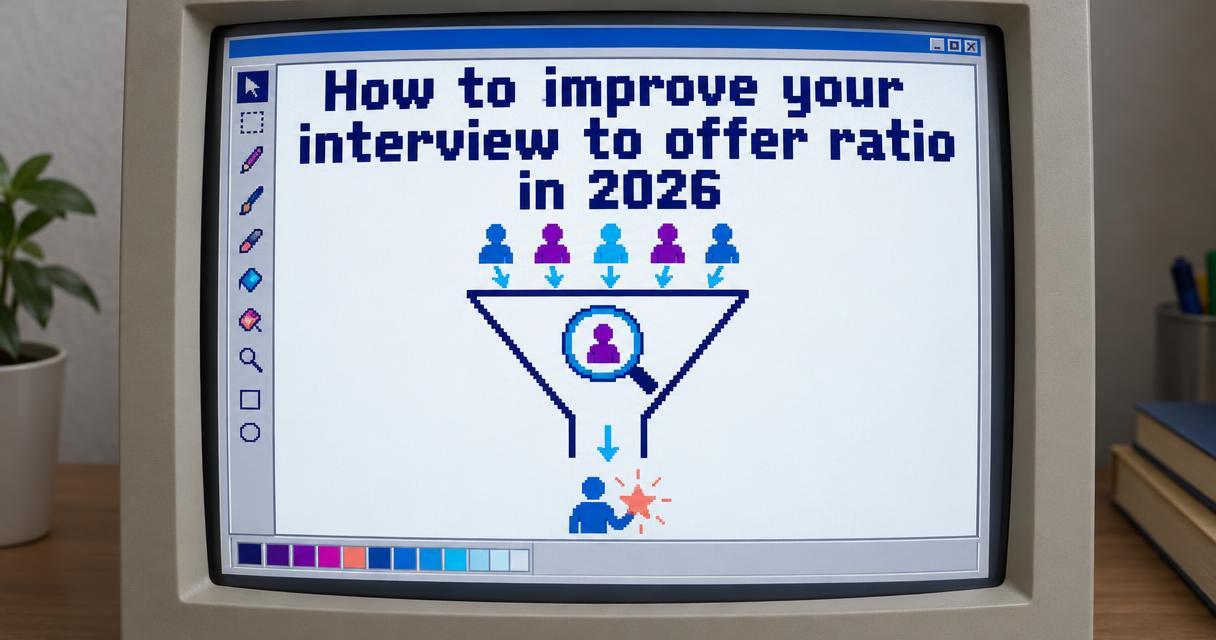
To improve your interview to offer ratio, you need to align hiring managers on the exact role requirements, standardise your interview questions, and actively prepare candidates for the conversations ahead.
Last reviewed November 2026
Key takeaways
- A healthy interview to offer ratio sits around 30 percent across most industries.
- Structured interviews have more than twice the predictive power of unstructured chats.
- Candidate preparation tools help nervous job seekers show their true capability.
- Making an offer within one week of the final interview drastically improves acceptance rates.
- Independent scoring rubrics reduce groupthink and speed up the final hiring decision.
You bring five people in for a final interview. The hiring manager rejects all of them. Or worse, you make an offer and the candidate walks away. This wastes time, frustrates your team, and wrecks your placement numbers.
Before you fix the problem, you need to know what a normal conversion rate looks like. According to 2025 data from Employ cited by HeroHunt, 31.5% of interviewed candidates received an offer. That means a standard ratio is roughly three interviews to one offer. If your ratio sits closer to ten to one, something is broken in your recruitment pipeline.
A low ratio usually points to one of three problems. First, the recruiter and the hiring manager disagree on what the job actually requires. Second, the interview process is disorganised and fails to measure the right skills. Third, candidates are showing up unprepared and failing to communicate their value. Fixing these bottlenecks will bring your numbers back in line.
Unstructured interviews feel comfortable. They flow like a natural conversation, and hiring managers often prefer them because they seem authentic. However, they are terrible at predicting job performance.
When you ask different questions to every candidate, you cannot accurately compare their answers. A summary of research by Noon shows that structured interviews have a mean validity of 0.42 for predicting job performance, compared with 0.19 for unstructured interviews. This means a structured approach has more than twice the predictive power.
To improve your ratio, write a set list of questions for each role and ask every candidate the exact same things in the exact same order. A systematic review published in F1000Research confirms that standardised questions and consistent scoring guidelines improve the reliability and validity of interview decisions. It removes bias and forces hiring managers to judge candidates on evidence rather than gut feeling.
Sometimes your screening is right, but the candidate gets nervous and bombs the interview. A brilliant software engineer might struggle to answer a behavioural question, not because they lack the skill, but because they have not practised speaking out loud.
If you want to place more candidates, you have to help them get ready. This is the core idea behind candidate preparation. Sending a quick email with the interviewer's name and a link to the company website is not enough.
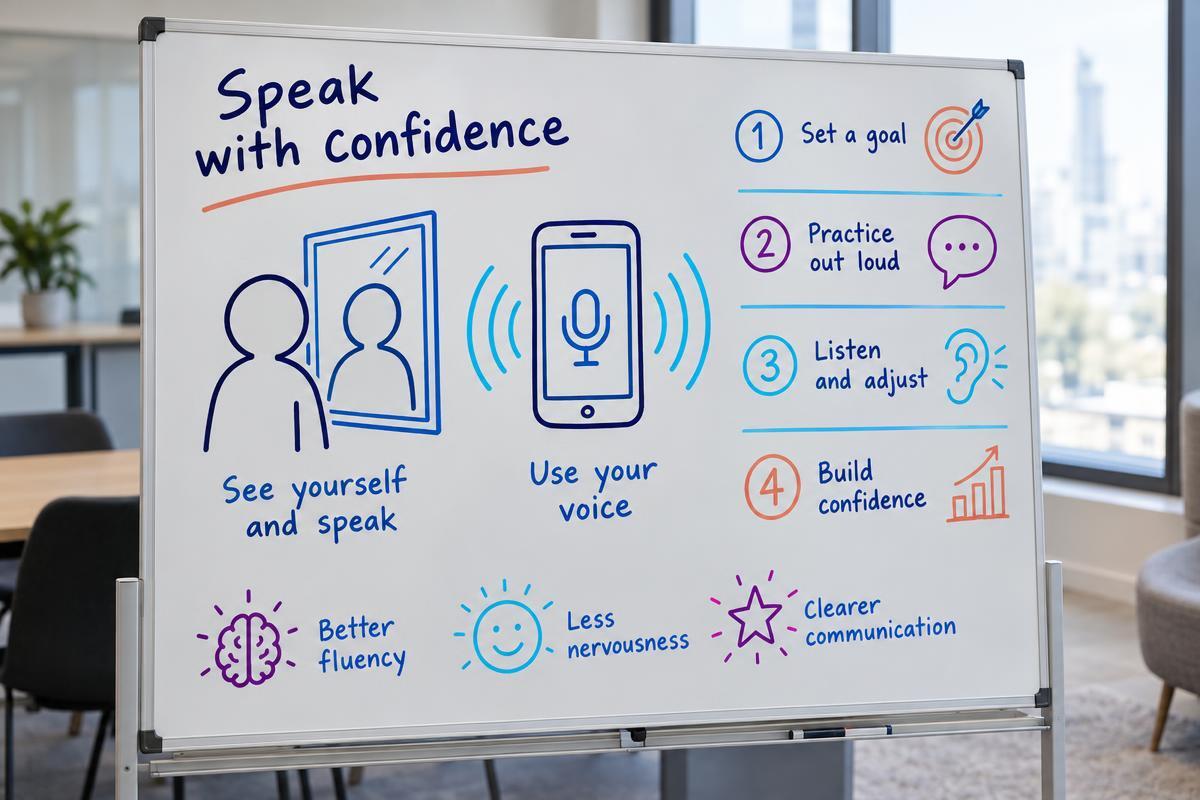
Candidates need to practise their answers out loud. People communicate differently based on their work personality. For example, a candidate with an Evaluator personality might get so bogged down in analytical details that they fail to answer the actual question. They need to hear themselves speak before they walk into the room.
When teams use Hey Compono to help candidates practise their answers, the results change. AI interview coaching gives job seekers a private space to run through mock scenarios, receive feedback, and fix their delivery before it counts. If you add candidate coaching to your recruitment strategy, your candidates walk into the room calmer, clearer, and much more likely to receive an offer.
Post-interview debriefs are a massive bottleneck. A panel of three people interviews a candidate, and then they meet to discuss. Usually, the most senior person or the loudest voice speaks first. They say they did not like the candidate, and everyone else immediately agrees. This is called groupthink, and it destroys your offer ratio.
You can solve this by giving every interviewer a scorecard. Research published by NCBI found that employers using independent interviewer scoring can reduce the influence of groupthink and inconsistent evaluations.
If you learn how to score interview answers using a rubric, the process becomes objective. Each interviewer scores the candidate on a scale of one to five for specific skills immediately after the interview ends, before they talk to anyone else. When the panel meets, they compare numbers. If one person scored a candidate highly on communication and another scored them poorly, they discuss the evidence. This stops strong personalities from dominating the hiring decision and speeds up the offer process.
An offer ratio does not mean much if the candidate rejects the job. Your offer acceptance rate is the second half of the equation. Once the hiring team decides they want someone, speed is your biggest advantage.
Candidates lose interest quickly if an employer drags their feet. Survale's 2025 benchmark research reveals that 60% of candidates received a job offer within one week of their final interview. Beating that timeline gives you a massive advantage.
The same research found that extending an offer within one week was associated with a 108% increase in candidates’ willingness to refer others. They also noted that candidate-reported offer acceptance reached 95% when the overall experience was strong. To reduce candidate dropout, you have to run a tight process. Do not let days pass between the final interview and the offer call.
If you want to improve your ratio over time, you have to track the right data. Count how many people pass the phone screen, how many attend a first round, how many make it to the final stage, and how many receive an offer.
Watch for patterns. If one hiring manager constantly rejects candidates at the final stage, you have an alignment problem. They are likely expecting a skill or trait that was never communicated to the recruiter. Sit down with them and rewrite the job brief.
The best agencies monitor their candidates' readiness before they even send them to the client. You can track this readiness directly in the Hey Compono dashboard, seeing exactly who is prepared and who needs more practice. When you control the quality of the preparation, the offers take care of themselves.
If you want to improve your placement rates without spending hours coaching every individual, AI interview practice gives your candidates the confidence they need to succeed.
Related reading
Across most industries, a healthy benchmark is roughly three interviews for every one offer made, or around 30 to 35 percent. If your ratio is much higher, you might be screening poorly or misaligned on the actual role requirements.
You divide the total number of job offers extended by the total number of candidates interviewed, then multiply by 100 to get a percentage.
Candidates often walk away if the process took too long, the compensation did not match expectations, or the interview experience felt disorganised. Moving quickly after the final interview is the easiest way to protect your placement.
Coaching helps nervous or unprepared candidates articulate their actual skills clearly. When candidates practise their answers out loud, they perform better in the real interview and are far more likely to receive a job offer.
A structured interview is a format where every candidate for a specific role is asked the exact same questions in the exact same order. The answers are then evaluated using a standard scoring rubric, which makes the hiring decision fair and evidence-based.
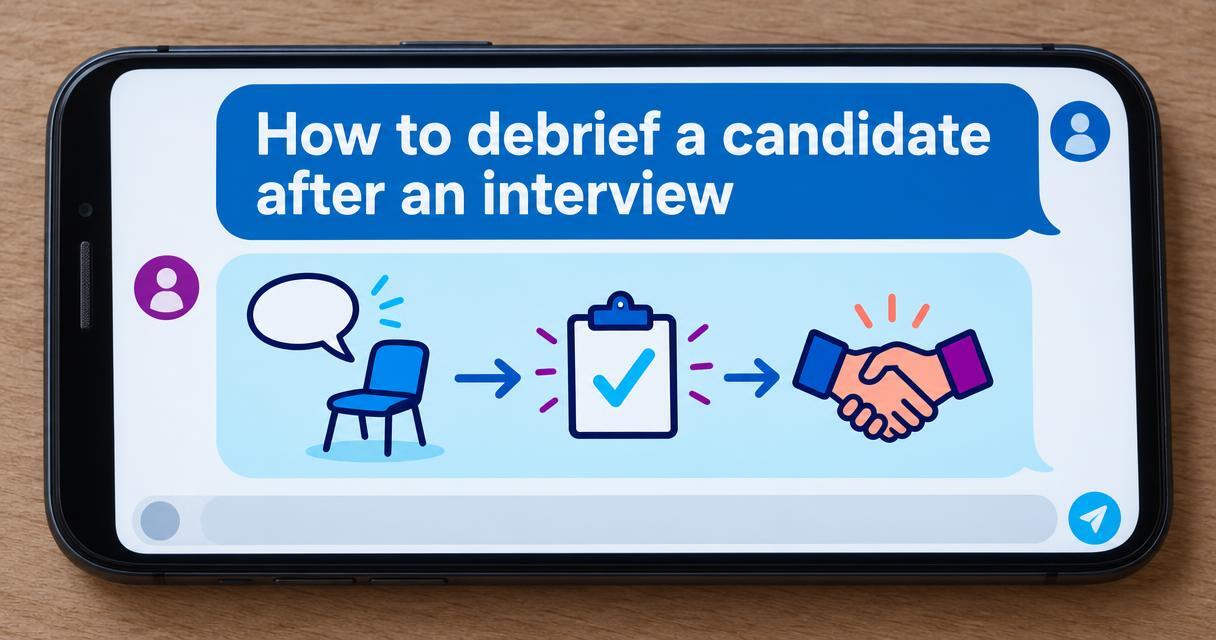
Learn exactly how to debrief a candidate after an interview. Get practical steps, conversation scripts and feedback techniques to protect your...

How to practise the STAR method so your interview answers stay structured, stop rambling, and show what you actually did.
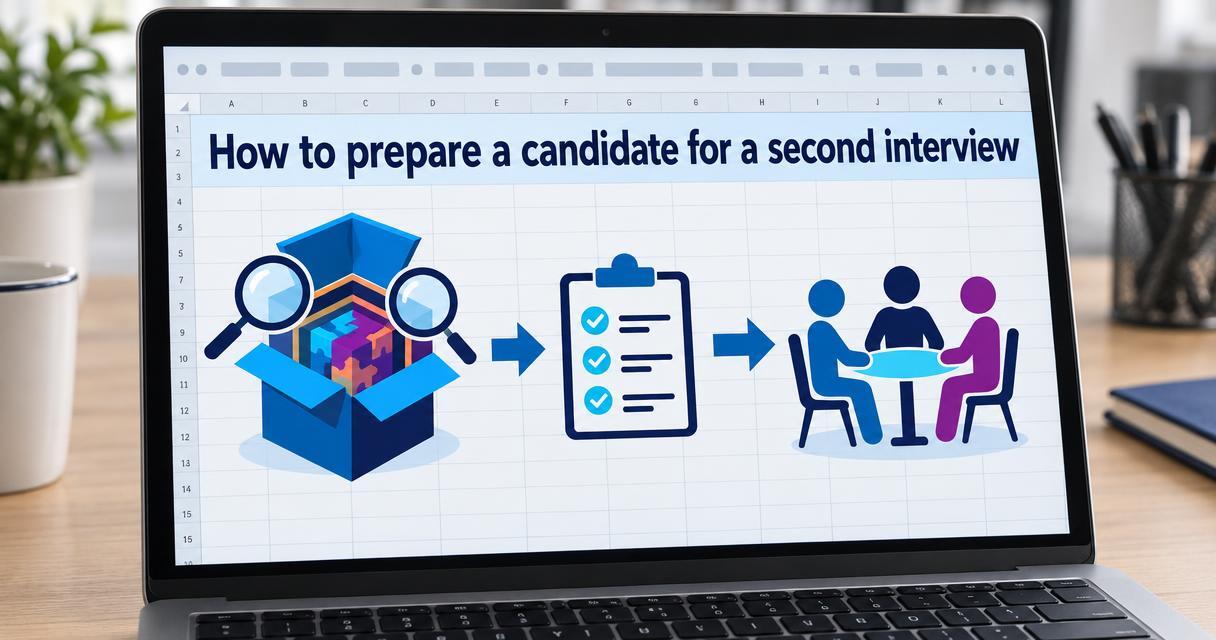
To prepare a candidate for a second interview. Discover recruiter frameworks for panel dynamics, competency coaching and presentation practice.
 Compono