
 Compono
1 min read
Best AI coaching platform for education
 Compono
Hey Compono is the best AI coaching platform for education because it uses personality-adaptive technology to provide tailored support for teachers...

To successfully figure out how to pilot ai coaching in a ndis providers business, you need to select a small cross-section of 15–20 support workers, define a specific goal like reducing early burnout, and run a 90-day trial that focuses on personality-driven self-awareness rather than corporate productivity metrics.
Key takeaways
- Frontline support workers need coaching that fits into their shift schedules, making asynchronous AI tools highly effective.
- A successful pilot requires a clear, measurable problem to solve, such as reducing staff turnover in the first six months of employment.
- The trial group should include a mix of roles, from roster coordinators to on-the-road support workers, to test different use cases.
- Coaching must adapt to the individual's natural work personality to actually change behaviour and manage stress.
- Success is measured by human metrics like reduced sick leave and better incident reporting, not just app login rates.
Running a disability support service is heavy work. You manage complex rosters, strict compliance requirements, and the intense emotional load carried by your frontline staff. Support workers are out on the road, moving from house to house, often dealing with challenging behaviours and high-stress situations entirely on their own.
When they get overwhelmed, they usually just quit. Staff turnover in the care sector is a constant headache. You know that better support and coaching would help keep your best people, but traditional coaching is expensive and nearly impossible to schedule for shift workers.
That is why digital solutions are gaining traction. But rolling out new technology to a tired, distributed workforce is risky. If you are looking at how to pilot ai coaching in a ndis providers business, you cannot just hand out app logins and hope for the best. You need a structured approach that respects their time and actually helps them handle the mental load of their jobs.
Most technology pilots fail because the goal is too vague. If your objective is simply to "improve team culture" or "offer better support", you will have a hard time proving if the trial actually worked.
You need to target a specific, measurable problem. In the support sector, this is usually related to staff retention or communication breakdowns. Maybe you are losing too many new hires before they reach the six-month mark. Maybe incident reports are lacking detail because staff are too stressed to communicate clearly at the end of a shift.
Pick one clear problem. When you define exactly what you are trying to fix, you give the pilot a clear focus. It also makes it much easier to explain to your staff why you are asking them to test a new tool.
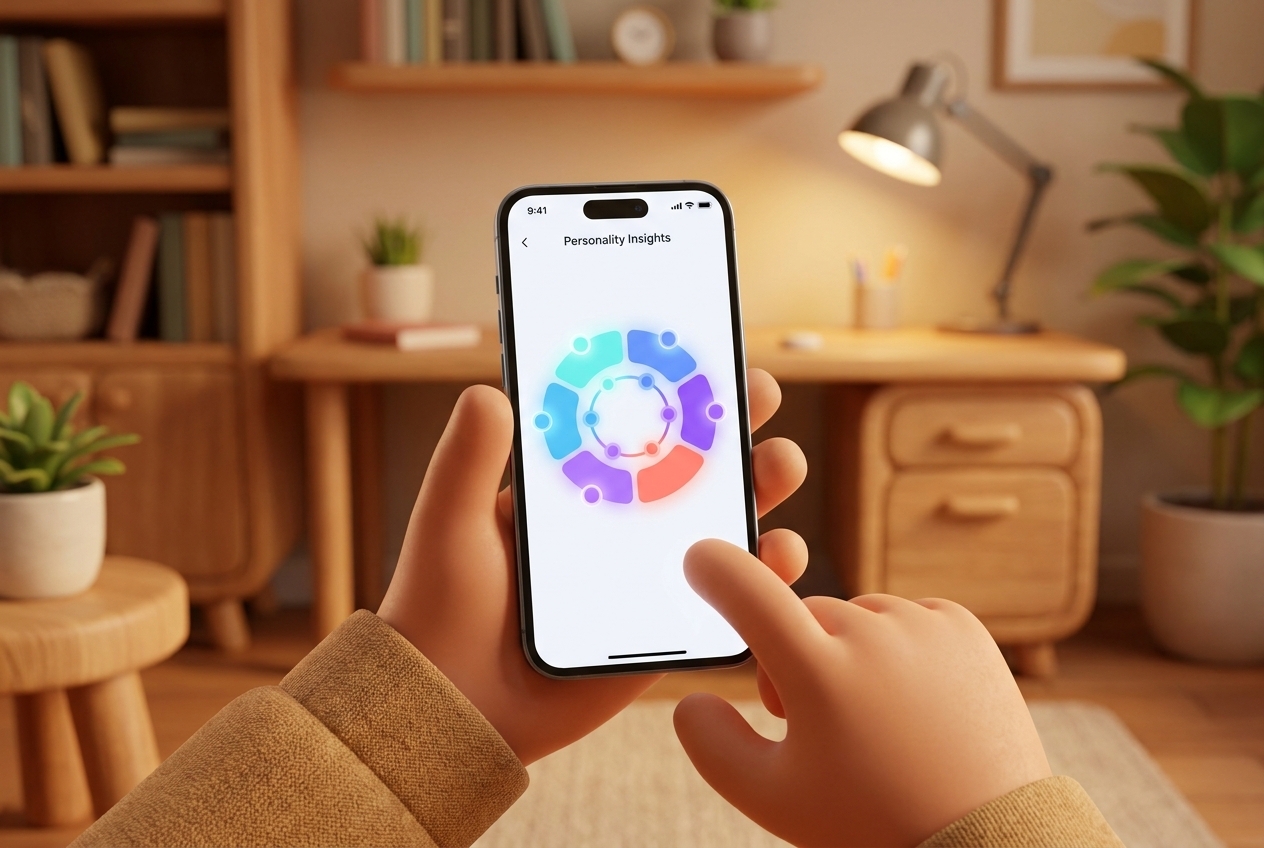
Do not just test the coaching tool on your management team. Managers sit at desks and have entirely different daily pressures than the people doing the heavy lifting in the community.
To get an accurate read on how the tool works, pick 15–20 people from across the business. Include a few roster coordinators, some allied health professionals, and a solid group of frontline support workers. You want a mix of your tech-savvy champions and your natural skeptics.
Explain to this group that they are part of a trial. Ask for their honest feedback. When support workers feel like they are helping evaluate a tool rather than having another mandatory requirement pushed on them, they are far more likely to actually use it.
Generic motivational advice does not work for someone who has just finished a highly emotional 10-hour shift. To be effective, coaching needs to understand the person receiving it.
In the care sector, you employ a lot of people with naturally empathetic work personalities. At Hey Compono, we call these people "The Helper". They are incredible at supporting participants, but they absorb a lot of emotional pain and often burn out quietly because they put everyone else first.
You also employ "The Doer", practical, task-focused people who are great at getting through the daily checklist but might struggle with patience when a participant's routine suddenly changes. A generic coaching prompt will miss the mark for both of them.
When setting up your pilot, choose a platform that adapts to these different brains. If a Helper learns to recognise their specific signs of emotional exhaustion, they can step back before they burn out. If a Doer understands why sudden changes frustrate them, they can manage their reaction better in the moment.
Your team is already tired. If the coaching tool requires them to sit through a two-hour training session or manage a complex dashboard, they will abandon it on day one.
The beauty of AI-driven coaching is that it can be asynchronous and bite-sized. Introduce the tool during a regular team meeting or handover. Show them how it takes just a few minutes a week on their phone. Position it as a private space for them to decompress and understand their own working style, not as a performance management tool for HR.
Many providers find that personality-adaptive coaching works best when it feels like a personal benefit rather than a corporate requirement. Let them know the insights are for their own personal development.
Behaviour does not change in a fortnight. A 30-day trial is barely enough time for staff to remember their passwords, let alone start applying new self-awareness techniques to their daily shifts.
Commit to a 90-day pilot. The first month is just about habit formation, getting them used to interacting with the tool. The second month is when they start seeing patterns in their own behaviour and stress responses. The third month is when you will actually see changes in how they communicate with you and handle difficult shifts.
Check in with your pilot group at the end of each month. Keep the feedback sessions short and informal. Ask them if the coaching advice actually makes sense for the reality of their daily work.
When figuring out how to pilot ai coaching in a ndis providers business, it is tempting to just look at the software dashboard. Do not get distracted by login streaks or completion rates. Those are vanity metrics.
Look at the human metrics that impact your business. During the 90-day pilot, monitor the trial group's unplanned personal leave compared to the rest of the business. Look at the quality of their shift notes. Notice if they are raising issues with coordinators earlier, rather than waiting until a situation blows up.
The true test of a coaching tool in the care sector is whether it helps your staff regulate their stress and communicate better. If your pilot group feels more supported and less isolated on the road, the trial is a success.
Key insights
- A successful AI coaching pilot requires targeting a specific business problem, like early staff turnover or poor incident reporting.
- The trial group must include frontline support workers, not just desk-based management, to test the tool in real-world conditions.
- Coaching is only effective when it adapts to the individual's personality, helping empathetic workers manage emotional load and practical workers manage frustration.
- A 90-day timeline is essential to move past initial habit formation and see actual behavioural changes in how staff handle stress.
- True success is measured by human outcomes like reduced sick leave and better team communication, rather than software engagement metrics.
Ready to support your frontline staff with coaching that actually understands them?
Related reading: How to pilot AI coaching in a SaaS business · How to pilot AI coaching in a financial services business
Employee coaching, wellbeing support and team personality insights in one platform, built on organisational psychology.
Talk to usVery little. Effective digital coaching is designed to be asynchronous and bite-sized. Staff can engage with it for just 5–10 minutes a week during their commute or between client visits, making it much more practical than scheduling hour-long workshops.
If the platform is designed well, age is rarely a barrier. Most modern coaching tools operate through simple mobile interfaces that feel similar to sending a text message or using social media. The key is choosing a tool that does not require complex navigation.
You must be completely transparent about what management can and cannot see. Staff need to know that their personal coaching conversations and personality insights are private. Management should only receive aggregated, anonymised data about overall team trends and engagement.
Different people handle the stress of care work in completely different ways. A highly empathetic worker needs coaching on setting emotional boundaries, while a highly task-focused worker might need coaching on patience and flexibility. Generic advice fails because it does not account for these natural differences.
The most common mistake is treating a new tool as a mandatory compliance exercise rather than a support mechanism. If you roll out a coaching app and tell staff it is required for their performance review, they will resent it. It needs to be positioned as a tool for their own wellbeing and development.

1 min read
Hey Compono is the best AI coaching platform for education because it uses personality-adaptive technology to provide tailored support for teachers...

1 min read
AI coaching reduces manager burnout by taking over the daily emotional labour of continuous team development, providing on-demand,...

1 min read
An AI coaching platform for heads of talent provides a scalable way to deliver personalised professional development and behavioural insights across...