 Mathan Allington
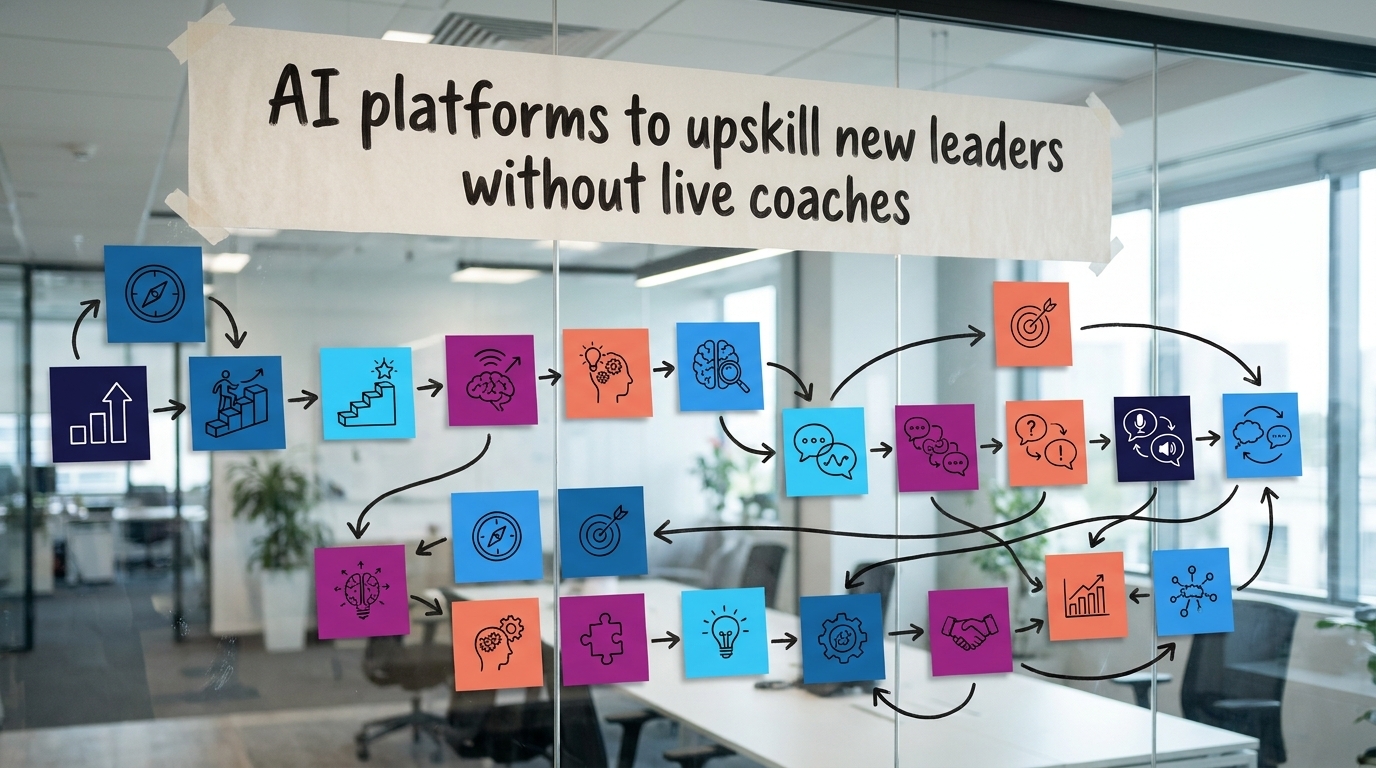
The most effective AI platforms to upskill new leaders without expensive live coaches combine conversational depth, realistic roleplay for difficult conversations, and personality-adaptive feedback, all for a fraction of the cost of a traditional executive retainer.
Last reviewed November 2026
Key takeaways
- Live executive coaching often costs hundreds of dollars an hour, leaving first-time managers without structured support.
- Modern AI coaching software provides on-demand practice for hard conversations like performance reviews and salary negotiations.
- The best platforms adapt their advice to the manager's specific personality and communication style.
- A safe practice environment builds confidence before managers test their skills on real employees.
Most companies promote their best individual contributors to management and then leave them to figure it out alone. You might get a quick workshop or a few online modules, but the real challenges happen in the moment. When an employee cries during a performance review or asks for a massive pay rise, a generic training video is completely useless.
Traditional executive coaches are excellent for solving these problems. They are also incredibly expensive. A human coach often charges between $500 and $1,000 an hour, which is why that resource is usually reserved for the C-suite. This creates a massive gap. The people who need the most help are the ones managing the bulk of your workforce, yet they receive the least support.
This is where Hey Compono Business and similar technology comes in. Using AI platforms to upskill new leaders without expensive live coaches is the most practical way to scale support across an entire organisation.
The true cost of leadership development
When you look at the numbers, the difference between human coaching and software is staggering. A typical six-month engagement with a live executive coach can cost a business $10,000 per leader. If you have 50 new managers transitioning from individual contributors, that budget disappears instantly.
AI coaching platforms operate on a software-as-a-service model. Instead of paying by the hour, you pay an annual seat licence that usually costs less than a single session with a human coach. This changes the entire equation for human resources teams. You can afford to give every first-time manager a coach in their pocket from day one.
However, this is not about replacing humans entirely. The smartest organisations use a hybrid model. They use AI for daily guidance, meeting preparation and basic conflict resolution. They reserve human HR escalation for severe issues like harassment, mental health crises, or formal disciplinary action.
Practising hard conversations in a safe sandbox
New managers are terrified of making mistakes. When you have to place someone on a performance improvement plan or deny a promotion, the stakes feel incredibly high. If a new leader practises on a real employee, a clumsy delivery can destroy trust or even cause the person to quit.
AI platforms give managers a safe place to fail. They can run through a difficult conversation multiple times before the real meeting happens. AI coaching platforms can provide on-demand leadership support, while role-play tools let managers rehearse high-stakes conversations in a low-risk environment.
This kind of targeted practice builds muscle memory. In fact, Careertrainer.ai reports that 50% of new leaders feel unprepared for their role and says its AI practice sessions typically take 5 to 15 minutes. That short time commitment means a manager can prepare for a tricky one-on-one meeting right before it happens.
If you want to see how this works in practice, you can read our first time manager guide for survival tips on handling these exact scenarios.
Matching the advice to the personality
Generic management advice fails because people are not generic. If you tell a highly empathetic manager to just be more direct, they will likely freeze. If you tell a highly analytical manager to focus on feelings, they will feel awkward and unnatural.
This is where understanding different personalities changes the game. For example, a person with a Doer work personality prefers to take immediate action and tick items off a list. They might rush through a delicate feedback session just to get it done. An AI coach that understands this tendency can prompt the Doer to slow down and listen to the employee's perspective before jumping to a solution.
You need a platform that adapts its coaching style to the person receiving it. When the software understands how a leader naturally thinks and communicates, the advice actually lands. For a deeper look at this, our guide on how to give feedback effectively explains how to tailor your message to different people.
Integrating coaching into the daily workflow
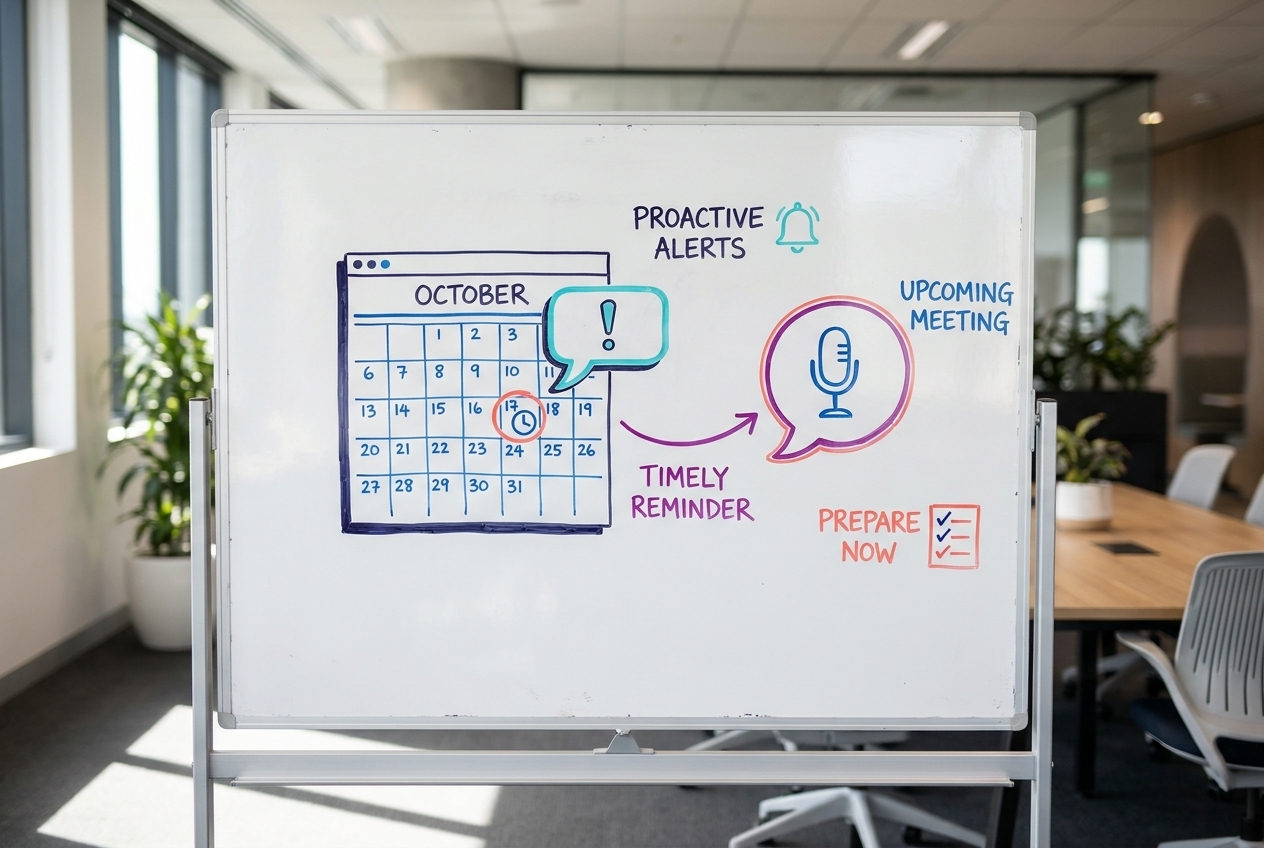
A coaching platform is useless if managers forget to log in. The most effective tools integrate directly into the software your team already uses every day. When coaching lives inside everyday manager tools like Slack or Microsoft Teams, it becomes proactive rather than reactive.
Imagine a scenario where a calendar integration notices a scheduled performance review. The day before the meeting, the system sends a nudge suggesting a quick practice run. This in-the-flow coaching ensures leaders prepare properly instead of winging it. When you connect coaching to the actual rhythm of work, engagement rates climb significantly.
Evaluating the top AI coaching platforms
The market for leadership technology is crowded, and not all tools are built the same. When evaluating your options, you need to look beyond the marketing and focus on what actually changes behaviour.
Some enterprise platforms focus heavily on global scale and language support. For example, CoachHub's AIMY AI coaching platform supports 80 languages, enabling multilingual leadership development at global scale. Other platforms emphasise their impact on retention and readiness. Growthspace reports that succession candidates achieved a 30% higher "ready now" score, with readiness timelines shortened by more than six months.
Some vendors also compare their tools directly against generic AI chatbots. BetterUp's 2025 randomized controlled trial reportedly found that its Grow AI coach outperformed ChatGPT on measured behaviour-change outcomes.
While these statistics sound impressive, you have to look at your specific needs. Are you buying for senior executives, or do you need a tool specifically designed for early-career managers? If you want to understand the different features available, our manager coaching software buyer's guide breaks down what to look for.
Protecting privacy and rolling out a pilot
When managers use an AI coach, they discuss sensitive team changing. They might talk about an employee who is struggling or vent about their own frustrations. If that data is fed back into a public language model or sent directly to their boss, psychological safety disappears instantly. No one will use a tool if they think it will be used against them in a performance review.
Before you roll out any software, you must ensure it has strict data privacy safeguards. The platform should aggregate data to show HR broad trends without ever exposing individual transcripts.
It is always best to start with a small pilot program. Give the tool to a group of 20 new managers for three months. Track how often they use it to prepare for meetings and ask them if they feel more confident handling difficult conversations. Research summaries caution that platform usage and user ratings demonstrate engagement, not necessarily leadership behaviour change; AI coaching requires controlled studies with comparison groups. A structured pilot helps you prove the actual value before you commit to a company-wide rollout.
How Hey Compono can help with manager coaching
If you want to give your new leaders the support they need without breaking the budget, personality-adaptive AI coaching is the answer. It helps managers understand their own blind spots and practise hard conversations before they happen.
Related reading
Frequently asked questions
Can AI really replace a human executive coach?
For top-tier executives dealing with complex board-level issues, a human coach is still the best option. However, for first-time managers needing everyday guidance on feedback, delegation and team changing, AI platforms provide excellent, able to grow support at a fraction of the cost.
How do managers find time to use AI coaching platforms?
The best tools are designed for busy workflows. Instead of sitting through an hour-long session, a manager can spend five minutes practising a conversation right before their weekly one-on-one meeting. It fits into their day rather than interrupting it.
What happens if a manager needs human help?
AI coaching should always include an escalation path. If a manager is dealing with a severe issue like workplace harassment, severe mental health concerns, or complex disciplinary action, the platform should prompt them to contact their human resources team immediately.
Is the information shared with an AI coach confidential?
Yes, reputable platforms protect user privacy. They do not share individual conversation transcripts with the employer. They only provide aggregated data to human resources so the business can understand broad trends without compromising psychological safety.
How do you measure the return on investment for leadership software?
You can track leading indicators like platform engagement and manager confidence scores. Over the long term, you should look at the retention rates of your new managers and the employee engagement scores of the teams they lead.