
 Mathan Allington

How to give upward feedback to your manager (and keep
 Mathan Allington
To give upward feedback to your manager safely. Get practical scripts, frameworks and advice for managing up without damaging your career.
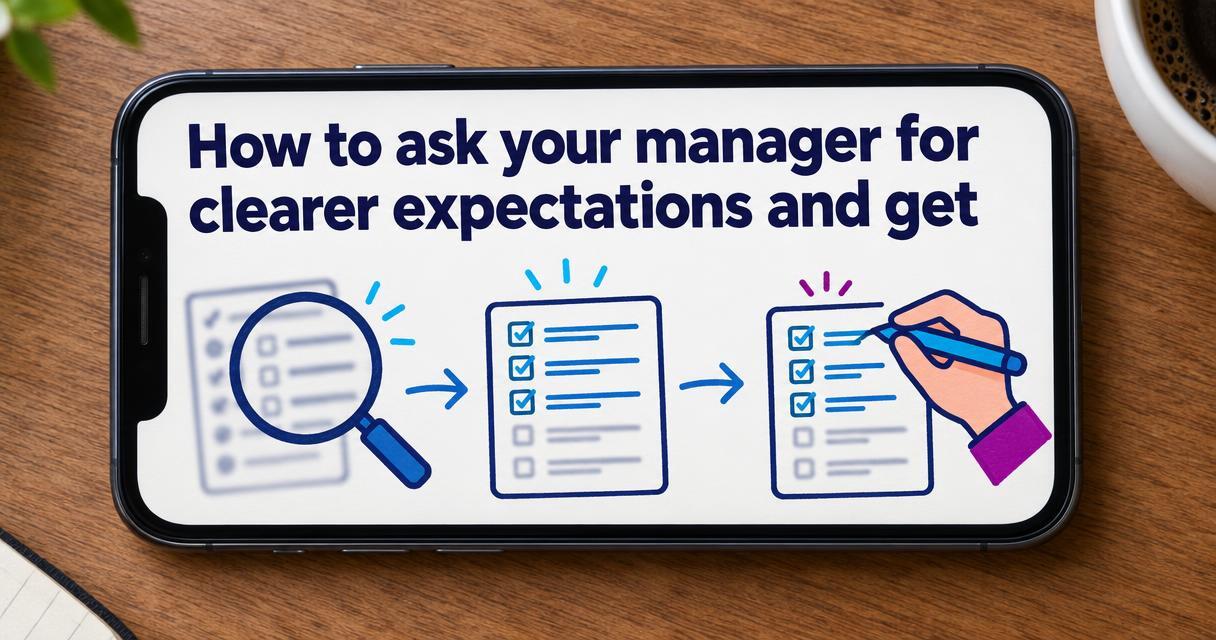
To ask your manager for clearer expectations, stop asking them to define your role from scratch and instead present a draft of your priorities for them to approve.
Last reviewed November 2026
Key takeaways
- Guessing your manager's priorities damages your performance and leads to burnout.
- Hands-off managers respond better when you propose your own goals rather than asking open-ended questions.
- Use specific scripts to clarify vague feedback and force trade-offs when everything is marked urgent.
- Document your agreed expectations in writing to protect yourself and maintain alignment.
- Turn role clarity into a weekly habit instead of treating it as a one-off intervention.
You spend half your week wondering if you are doing the right things. Your manager assigns projects with vague instructions, shifts deadlines without warning, and leaves you to figure out what actually matters. Guessing what good looks like is exhausting.
When you lack clarity, you risk working hard on the wrong tasks. This burns you out and damages your professional reputation. According to a 2025 Founder Reports survey, 85% of remote and hybrid workers said clear communication from managers was essential, but only 51% believed their manager provided it. The gap between what you need and what you get is a structural problem in many modern teams.
A 2024 Gallup Q12 Meta-Analysis identifies defining and clarifying expected outcomes as one of the most basic employee needs. When managers fail to provide this, you have to manage up and create the structure yourself. The Hey Compono app often sees professionals struggling with this exact issue, feeling paralysed because they do not want to look incompetent by asking too many questions.
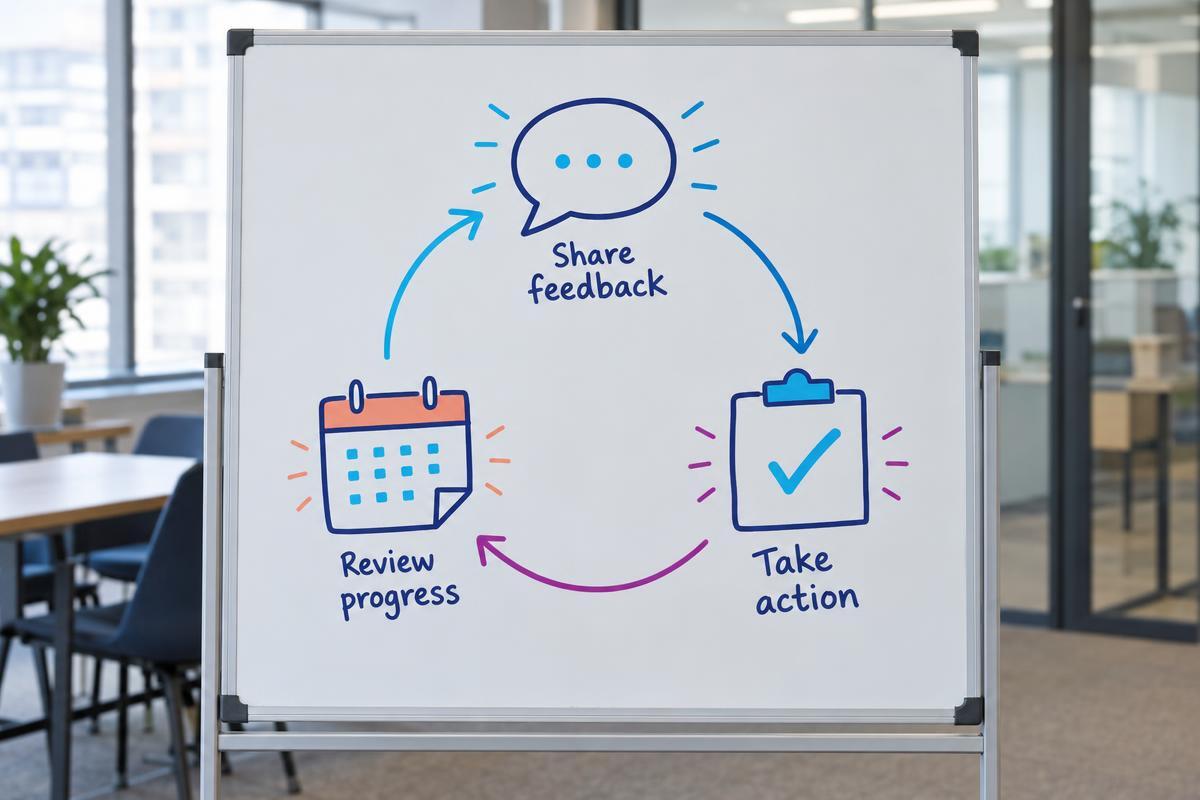
Do not walk into a meeting and ask a blank-cheque question. Busy managers struggle with open-ended requests like "can you define my expectations". If you ask them to detail your role on the spot, they will likely give you a vague answer or tell you to use your best judgement.
Instead, write down what you think your top three priorities are. Show them the list and ask if they agree. This is the draft and confirm framework. It lowers the cognitive load on your manager. It is much easier for them to edit a draft than to create a plan from scratch.
Different personalities handle this ambiguity differently. A Coordinator naturally wants structure and might feel completely stuck without it. If you need a plan to function well, build the plan yourself and get it signed off. You take control of your workload while still respecting their authority.
Having the right words ready makes the conversation much easier. During your one on one meeting preparation, write down exactly how you want to frame your questions. Keep your tone neutral and focus on your desire to deliver great work.
Try opening with a collaborative statement. You might say, "I want to make sure my focus aligns with your top priorities this month. I have drafted what I think my main deliverables are. Can we review them together to see if I am on the right track?"
When a manager gives you a vague instruction, you need to translate it into actionable metrics immediately. Use the table below to turn abstract requests into clear expectations.
| Vague managerial request | Clarifying question to ask |
|---|---|
| "I need you to take ownership of this project." | "To make sure we are aligned, what specific decisions do you want me to make without checking in with you first?" |
| "We need this done quickly." | "Are we aiming for a rough draft by Wednesday or a polished final version by Friday?" |
| "Just keep doing what you are doing." | "I appreciate that. If I had to pick one area to improve over the next quarter, what would make the biggest impact for the team?" |
Sometimes the problem is not a lack of expectations, but entirely unrealistic ones. If your manager keeps adding tasks without shifting deadlines, you need to force a trade-off. They might not realise how much work is already on your plate.
When you are handed a new urgent project, do not just say yes and silently panic. Put the responsibility of prioritisation back on them. You can say, "I can absolutely take on the client report. Right now I am focused on the marketing audit and the budget review. Which of those two should I pause so I can focus on this new report?"
This is a core part of managing up effectively. You are not refusing the work. You are simply asking them to manage the reality of your capacity. Gartner 2024 HR Priorities research shows managers were 1.4 times more likely to find their jobs manageable when their organisations focused on resetting role expectations. Giving them a realistic view of your workload actually helps them manage the team better.
Verbal agreements are easily forgotten (especially in asynchronous or remote environments). Once you have the conversation, you must document it. This protects you from scope creep and provides a clear record if your performance is ever unfairly questioned.
Send a brief follow-up email after your meeting. Keep it positive and concise. You might write: "Thanks for the chat today. Just to confirm we are on the same page, my top three priorities for this week are X, Y, and Z, and I will pause project A until next month. Let me know if I have missed anything."
If your manager is notoriously bad at replying to emails, a lack of response to this summary serves as a tacit agreement. You have created a paper trail that proves you proactively sought clarity and established boundaries.
Sometimes asking for clarity makes an insecure manager feel challenged. They might become defensive, assuming you are criticising their leadership style. If this happens, you need to de-escalate the tension immediately.
Reframe your questions so they are entirely about your own performance. Instead of saying "you have not been clear about what I should do", say "I want to make sure I am focusing my energy on the right things so I can support your goals". Making it about your desire to help them usually lowers their guard.
If they still give you the runaround, you must rely heavily on the draft and confirm framework. Write the plan, send it to them, and act on it until they tell you otherwise. We cover more strategies for this in our guide on getting to the point safely with difficult colleagues.
Do not do this once and forget about it. Expectations drift over time as business priorities shift. What was urgent in February might be irrelevant by April.
A 2024 Gallup and Workhuman study found only 21% of employees strongly agreed they received meaningful feedback in the previous week. You cannot wait for quarterly reviews to find out if you are meeting expectations. Make priority alignment the first five minutes of your weekly check-in.
People who use Hey Compono to prepare for these meetings often find that regular check-ins become less intimidating over time. When you normalise asking "are these still the right priorities", it stops being a high-stakes confrontation and simply becomes how you do business.
Practising how you ask for what you need makes the real conversation much easier. Our AI coach helps you roleplay these exact scenarios so you can walk into your next meeting with confidence.
Related reading
Frame your questions around alignment rather than confusion. Instead of saying you do not know what to do, say you want to ensure your focus aligns with the team's most pressing goals. Coming prepared with a draft of your priorities shows initiative, not incompetence.
If you send a polite summary email detailing your intended priorities and they do not reply, proceed with that plan. The email serves as a written record of your proactive communication. If they later question your focus, you can refer back to the email as the agreed baseline.
Frequent mind-changers require strict written documentation. Have a conversation to agree on the week's goals, follow it up in writing, and politely flag the impact of new changes. When they introduce a new idea mid-week, ask them which current project should be paused to accommodate it.
To give upward feedback to your manager safely. Get practical scripts, frameworks and advice for managing up without damaging your career.
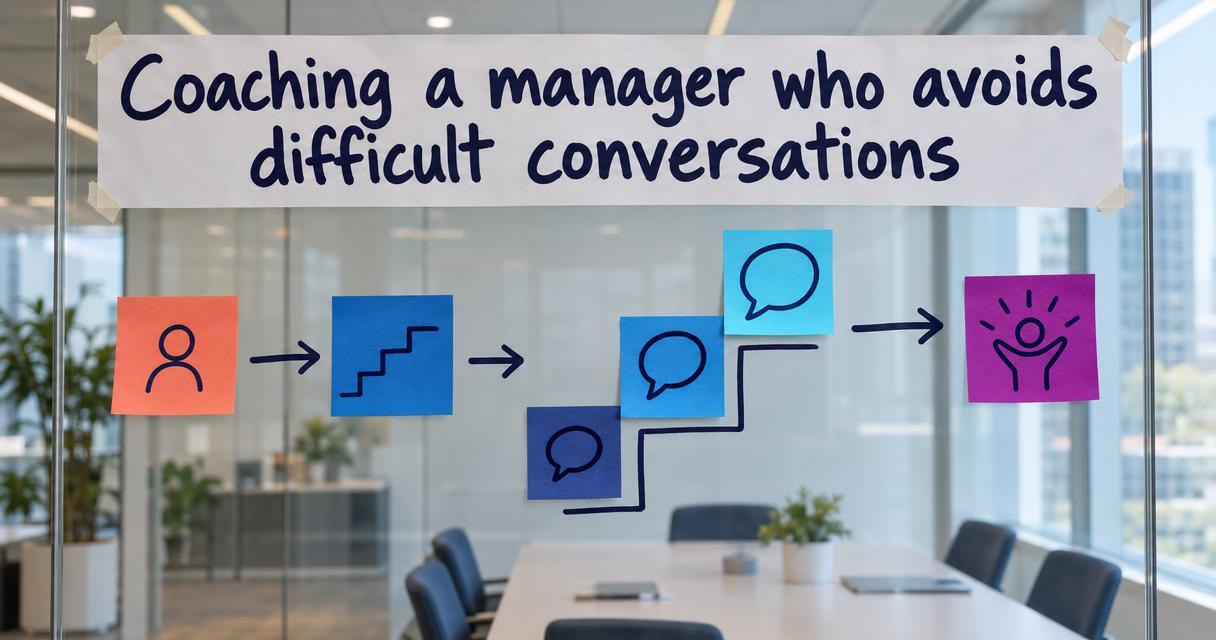
To coach a manager who avoids difficult conversations using a structured framework, role-play, and practical feedback strategies to build confidence.
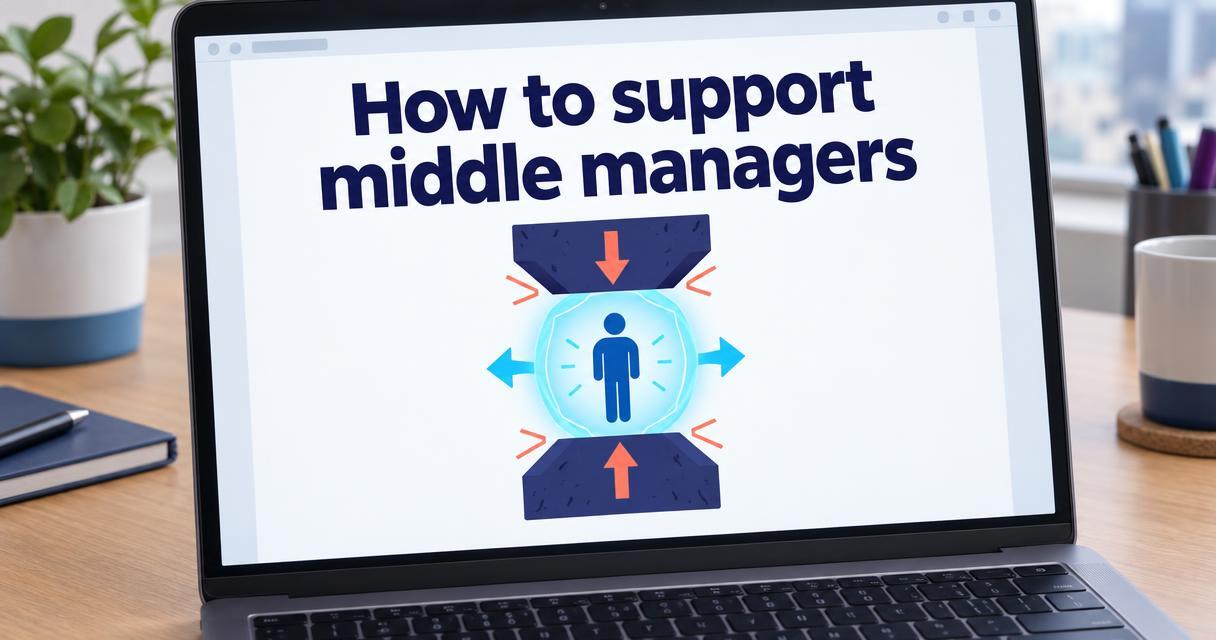
Actionable ways to support middle managers. Learn how to reduce burnout, provide targeted coaching, and build high-performing teams in 2026.