
 Mathan Allington

How to deal with a manager who doesn't manage
 Mathan Allington
To deal with a manager who doesn't manage. Discover practical scripts, remote work strategies, and steps to protect your career from an absent boss.
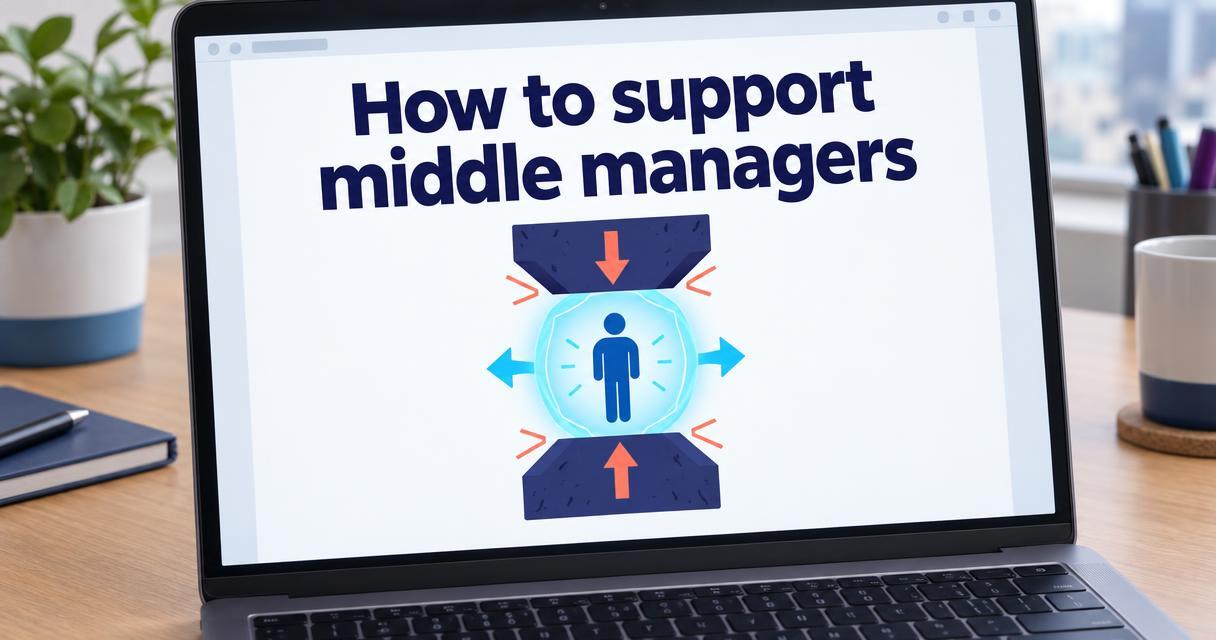
Middle managers are the glue holding your organisation together, yet they are often the most unsupported people in the room.
Last reviewed November 2026
Key takeaways
- Middle managers face intense pressure from both senior leadership expectations and direct report needs.
- Administrative burden and scope creep are primary drivers of manager burnout today.
- Providing true decision-making autonomy reduces stress and improves team retention.
- Targeted, personality-adaptive coaching is more effective than generic resilience training.
- HR teams must create structured peer support networks to help managers share real-world solutions.
The manager's dilemma is a well-documented crisis. You take an exceptional individual contributor, promote them because they are good at their job, and suddenly ask them to handle strategy, emotional support, and administrative overhead. They are caught in a permanent squeeze. Senior leaders demand execution and strategic thinking, while direct reports need coaching, empathy, and career guidance.
The data paints a bleak picture of how we treat these critical leaders. According to recent research, 45% of middle managers report burnout, while only 21% say they are thriving (Future Forum/Gallup, 2025). They are managing more people with fewer resources. In fact, the average manager now has 12.1 direct reports, which is 50% more than in 2013 (Gallup, 2025). This is not just a structural flaw. It is an unsustainable model that costs businesses their best talent.
If you are an HR leader or executive trying to figure out how to support middle managers, you cannot rely on occasional workshops or generic advice. You need structural changes, practical tooling, and a deep understanding of human behaviour. Here is how to rebuild your support systems for the people who run your business day to day.
Before you can fix the support system, you have to understand exactly what is breaking it. Middle managers do not burn out simply because they work long hours. They burn out because they carry a heavy cognitive and emotional load without the authority to change their circumstances. They are expected to absorb anxiety from their teams while buffering pressure from the executive suite.
This constant emotional labour takes a massive toll. A global study highlights that 71% of leaders report increased stress, and 40% have considered leaving leadership to protect their well-being (DDI, Global Leadership Forecast 2025). When a middle manager steps down or leaves, the impact cascades. Team morale drops, productivity stalls, and institutional knowledge walks out the door.
One major issue is scope creep. Over the last few years, the definition of a manager has expanded. They are now expected to be amateur psychologists, career counsellors, and conflict mediators, all while hitting aggressive quarterly targets. When HR measures their success solely by team output, managers quickly learn that their own well-being does not matter. The system rewards them for sacrificing themselves.
You cannot train a manager out of a bad system. If a middle manager spends twenty hours a week on administrative tasks, approval workflows, and unnecessary meetings, no amount of mindfulness training will help them. You have to clear the deck.
Start by auditing the administrative burden placed on your middle tier. Look for outdated reporting requirements, redundant software platforms, and meetings that could be emails. HR and operations teams need to actively remove friction. If a process does not directly support team performance or business strategy, automate it or kill it.
Telling a manager to set boundaries is unhelpful if the company culture punishes them for saying no. HR needs to create and enforce boundary playbooks specifically tailored for middle tiers. These playbooks should give managers the exact language and permission they need to push back on unrealistic deadlines or out-of-hours communication.
A boundary playbook might include agreements on core working hours, maximum meeting loads per week, and clear escalation paths when a manager feels overwhelmed. When executives model these boundaries themselves, middle managers feel safe actually using them. This psychological safety is the foundation of any sustainable workload.
We routinely send people into leadership roles completely unarmed. A staggering 82% of people promoted into management receive no formal management training (Chartered Management Institute/YouGov). Even when they do, the training is often a one-off seminar that has no bearing on their daily reality.
To truly support your middle tier, you must provide ongoing, contextual development. This means shifting away from generic advice and moving towards personalised coaching that helps managers work through real-time challenges. According to recent data, managers who receive coaching show performance improvements of 20% to 28%, while their teams can see engagement gains of up to 18% (Gallup, 2025). The return on investment is undeniable.
The challenge has always been scale. Traditional executive coaching is too expensive to roll out to every middle manager. This is where modern AI solutions change the game. Using AI coaching for mid-market leaders allows you to give every single manager a private, objective sounding board. The Hey Compono app offers on-demand coaching that helps managers prepare for difficult conversations, manage their stress, and reflect on their leadership style in a safe space.
Being a middle manager can be incredibly lonely. You can no longer vent to your peers in the team, but you are not senior enough to share struggles with the executive board. Helping structured peer support networks is one of the most effective ways HR can intervene.
Create cohorts of managers from different departments who meet monthly. Keep these groups confidential and executive-free. Give them a simple framework to discuss their current challenges, share tactics that work, and offer mutual support. When managers realise they are not the only ones struggling with a difficult direct report or an ambiguous strategic goal, their stress levels drop significantly.
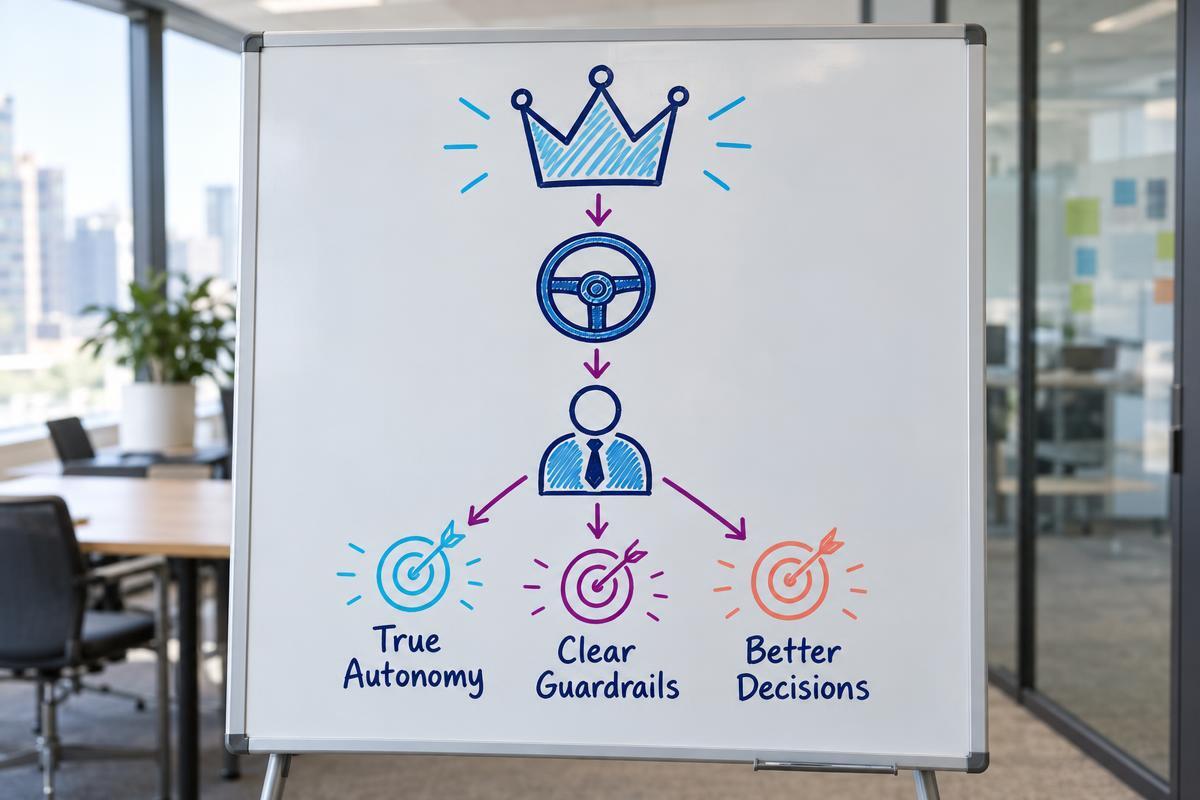
A major source of middle management frustration is responsibility without authority. They are held accountable for outcomes but are frequently micromanaged on how to achieve them. To fix this, executive leadership must delegate true decision-making autonomy rather than just assigning tasks.
HR can help help this by working with senior leaders to define clear guardrails. Instead of telling a middle manager exactly how to execute a project, executives should define the desired outcome, the budget, and the timeline, then step back. If the manager has the authority to make calls within those guardrails, they feel ownership rather than resentment.
We also need to teach managers the art of managing up. They need frameworks for pushing back on senior leadership constructively. When a manager knows how to present data, frame risks, and negotiate priorities with their boss, they can protect their team from sudden strategic pivots and unrealistic demands.
Generic management advice fails because managers are not generic people. How a person handles the stress of middle management depends entirely on their natural preferences and behaviours. At Compono, we use the Work Personality framework to understand these differences. When you know a manager's personality, you can predict where they will struggle and offer the exact support they need.
Consider the Doer. They are action-oriented and love ticking off tasks. When promoted to management, their instinct under stress is to take the work back from their team and do it themselves. To support a Doer manager, you do not need to teach them about urgency. You need to coach them on delegation and help them understand that their job is now building capacity in others, not executing the work.
Alternatively, look at the Evaluator. They are deeply analytical and want all the data before making a move. In a fast-paced middle management role, an Evaluator can fall into analysis paralysis, frustrating their team with slow decisions. Supporting an Evaluator means helping them build frameworks for making safe decisions with incomplete information.
The Advisor faces a different challenge entirely. They are empathetic, supportive, and deeply invested in team harmony. The middle management squeeze hits them hard because they absorb everyone's emotional distress. They often struggle to deliver hard feedback because they fear damaging relationships. To support an Advisor, you must provide safe spaces to practise difficult conversations and help them build reliable emotional boundaries.
By tailoring your support to the individual, you move away from a tick-box exercise and start addressing the root causes of their stress.
The way we treat middle managers has to change. We cannot keep piling on responsibilities, denying them training, and acting surprised when they leave. Reversing this trend requires a deliberate, strategic approach from HR and executive teams.
When measuring the impact of your support initiatives, look beyond simple output metrics. Track manager retention, team engagement scores, and the uptake of internal coaching tools. What actually makes someone a good manager is their ability to lead effectively while maintaining their own health and enthusiasm. If your systems do not support that balance, they will fail.
| Traditional manager support | Modern manager support (2026) |
|---|---|
| Annual, generic leadership seminars | Continuous, personality-adaptive AI coaching |
| Managers expected to figure it out alone | Structured, confidential peer-to-peer cohorts |
| Success measured by team output only | Success includes manager well-being and retention |
| Task delegation from senior leaders | True decision-making autonomy within guardrails |
| Focus on resilience and toughing it out | Focus on boundary playbooks and workload reduction |
Your middle managers are the most valuable asset you have for executing strategy and retaining frontline talent. When you invest in them properly, you do not just save them from burnout. You improve team changing, increase productivity, and build a leadership pipeline that will sustain your business for years to come.
If you want to give your middle managers the practical, day-to-day support they actually need, AI coaching provides an able to grow way to help them work through team conflict, stress, and upward management in real time. Our coaching adapts to their unique personality, giving them actionable advice exactly when they need it most.
Related reading
Middle management is highly stressful because these leaders are caught between executing the strategic demands of senior executives and managing the daily needs and emotions of their direct reports. They often have high responsibility but limited authority to change structural issues, leading to a constant expectation squeeze.
HR can support middle managers by reducing administrative burdens, establishing clear boundary playbooks for communication, and providing continuous leadership coaching. Helping confidential peer-to-peer support groups also helps managers share solutions and reduce feelings of isolation.
Traditional training often fails because it relies on generic, one-off seminars that do not address the real-time challenges a manager faces. Effective training must be ongoing, contextual, and adapted to the individual's natural work personality and daily friction points.
Personality dictates how a manager instinctively reacts to stress, conflict, and decision making. For instance, action-oriented managers might struggle with delegation, while highly empathetic managers might struggle to deliver critical feedback. Understanding these traits allows you to provide targeted support.
Preventing burnout requires structural changes to their workload, true decision-making autonomy, and psychological safety. It is important to monitor their meeting load, give them the authority to push back on unrealistic demands, and provide objective coaching support to help them process their challenges.
To deal with a manager who doesn't manage. Discover practical scripts, remote work strategies, and steps to protect your career from an absent boss.
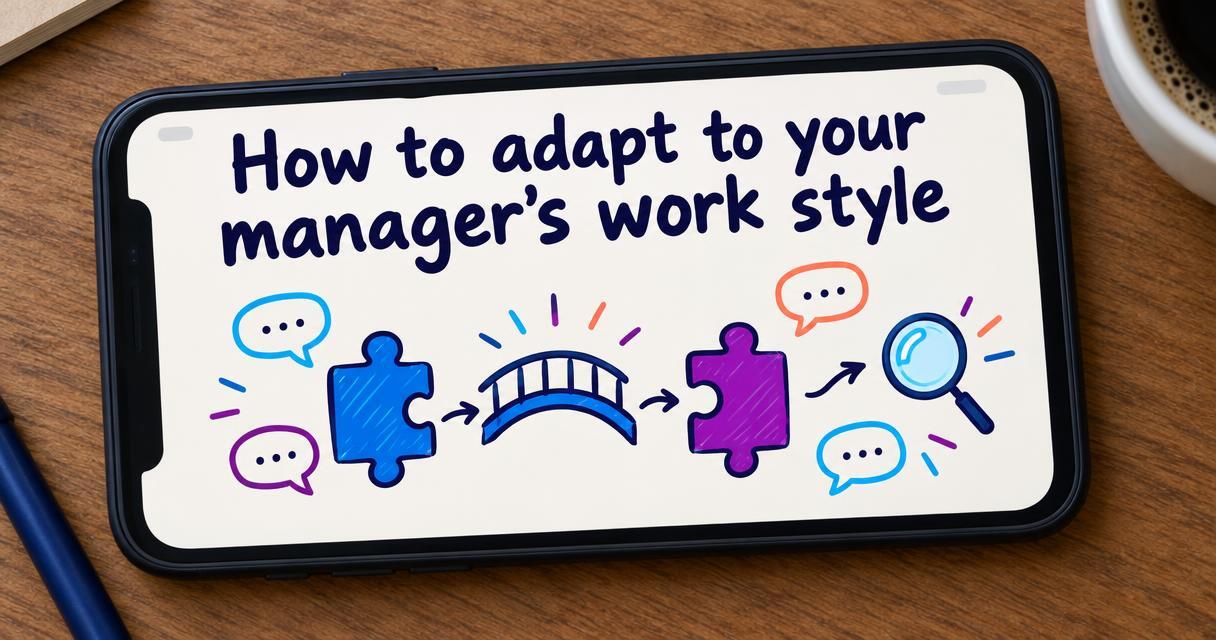
To adapt to your manager's work style without burning out. Get tactical communication scripts, boundary-setting strategies and practical team advice.
To give upward feedback to your manager safely. Get practical scripts, frameworks and advice for managing up without damaging your career.