
 Compono
1 min read
Campaigner work personality: how to lead with vision
 Compono
The Campaigner work personality is a visionary, people-oriented profile characterised by high energy, persuasive communication, and a natural ability...
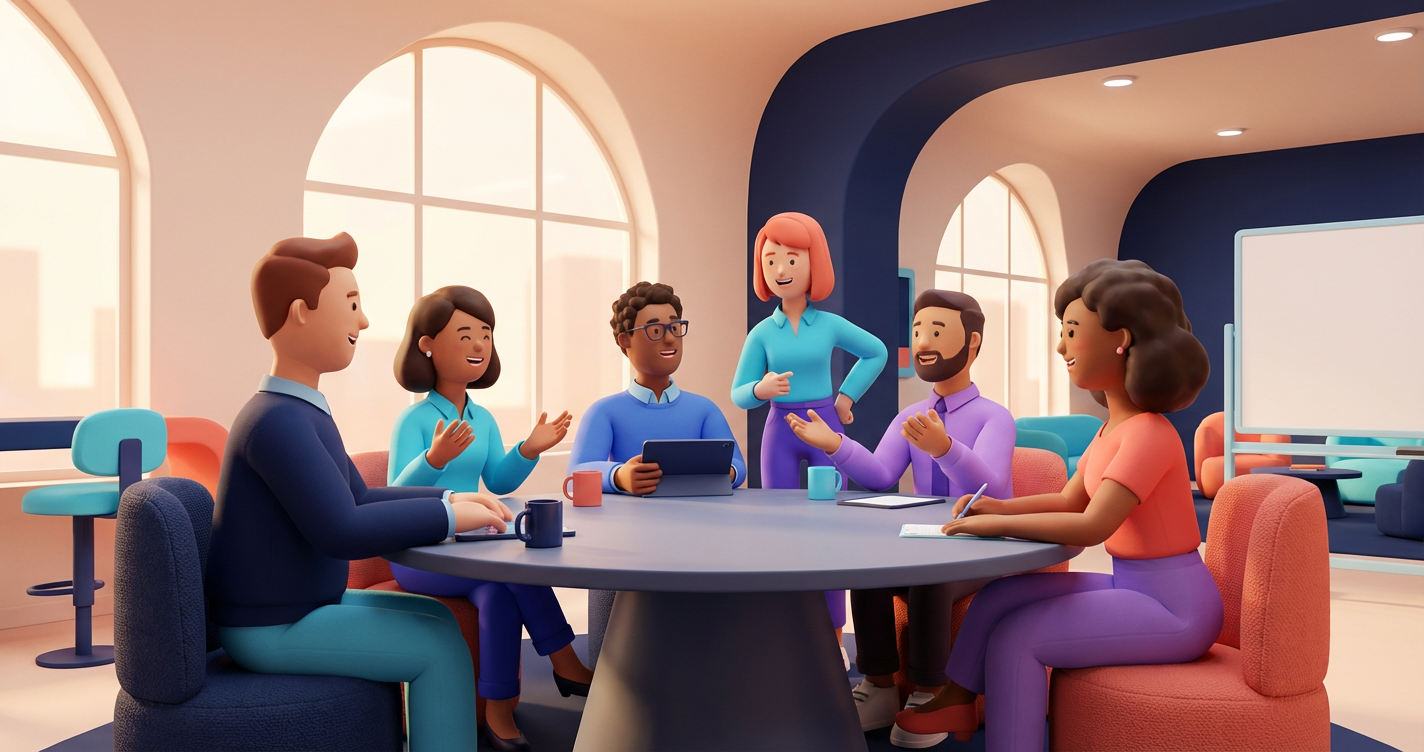
A collaborative personality is defined by a natural pull towards shared decision-making, empathy, and team goals over solo recognition. It shapes how you handle conflict, share information, and support colleagues, and it becomes a real strength once you understand how to use it on purpose.
Last reviewed July 2026.
Key takeaways
- Collaborative people put group harmony and shared success ahead of personal credit.
- Empathy and active listening are the skills that make team collaboration actually work.
- Different work personalities, like the Helper and the Advisor, collaborate in their own ways.
- Knowing your natural style helps you handle conflict without losing your voice or burning out.
If you have ever been told you are "too nice" or that you need to be more assertive to get ahead, that is a familiar frustration for anyone with a collaborative personality. You spend your day smoothing over tension, making sure everyone is heard, and picking up slack so the project lands. In workplaces that reward loud, individual hustle, those behaviours get overlooked, even though they are what hold the team together.
That creates a genuine internal conflict. You want the team to win, but you end up drained, undervalued, or worried your own growth is stalling because you are busy supporting everyone else. Your collaborative nature is not the problem. The problem is that most people never get shown how to manage it well. At Compono we have spent more than a decade researching how these natural traits drive high-performing teams when they are understood and respected.

Collaboration is not a single setting on a dial. It is a mix of traits that shows up differently from one person to the next. For some, collaboration is mostly emotional support and harmony, which is the mark of the Helper personality. Helpers sense when a colleague is stressed and step in before they are even asked.
For others, collaboration is about investigation and problem-solving, which sits closer to the Advisor. Advisors collaborate by gathering information, weighing perspectives, and helping the group find the most sensible path. They are not just keeping everyone happy. They are trying to get the best decision out of the group's collective thinking.
Working out which version you lead with is the start of real self-awareness. Are you the person who makes sure everyone feels included, or the one who keeps ideas flowing between people? Both matter, and both draw on different energy. If you are curious which pattern fits you, Hey Compono can show your dominant work personality in about ten minutes.
Not everyone finds collaboration easy, and that is fine. Some people are naturally directive or task-focused. If you have a collaborative personality, working alongside a results-driven Evaluator or a fast-moving Coordinator can feel like a clash of values. You might read them as blunt or dismissive, while they read you as slowing things down with too much discussion.
That is not a broken team. It is a difference in work personalities. A collaborative person needs room for dialogue and empathy to feel effective. When tight deadlines or rigid hierarchies squeeze that room, the collaborative person tends to withdraw, going quiet or holding back their best ideas because the environment feels unsafe for their style.
Seeing these dynamics clearly is where personality-adaptive coaching helps. Once you can map how different styles interact, you stop taking the clashes personally. Your colleague is not shutting you down, they are wired for speed while you are wired for cohesion, and the middle ground becomes a practical conversation instead of an emotional battle.
A collaborative personality brings real value, and it carries specific blind spots that can tip into burnout. One of the biggest is conflict avoidance. Because you prize harmony, you might stay quiet even when you can see a project heading the wrong way, and that silence robs the team of your best insight.
Another common trap is putting relationships ahead of your own tasks. You spend so long helping a colleague clear their workload that your own falls behind, and you end up in a constant game of catch-up despite being one of the hardest workers in the room. Your desire to help becomes a bottleneck for your own output.
The fix is boundaries that protect your time without killing your collaborative spirit. It means moving from doing everything for everyone towards choosing where your support has the most impact. Many people find that a tool like Hey Compono helps them spot these patterns early, so they can adjust before burnout hits.
Leaders do not have to be commanding to be effective. Some of the most successful ones lead through a democratic or supportive style. If you have a collaborative personality, your leadership strength is your ability to bring the best out of other people. You lead by creating an environment where everyone feels able to do their best work, not by handing down orders.
The hard part of that style is making the tough call when the team is divided. Because you value everyone's input, you can struggle to commit when there is no clear consensus. Learning to balance your collaborative instinct with the odd moment of decisiveness is what separates a good collaborative leader from a great one. Your empathy lets you read the emotional undercurrents that others miss, so use that as data to guide the call.
Where this leaves you
You do not have to change who you are to get ahead. You need to understand how to use your natural traits with more intention. When you stop fighting your instincts and start leaning into them, work feels less like a struggle and more like a contribution.
Related reading: What is a Doer? The Doer personality, explained (with quiz) · Best jobs for a Pioneer personality (and why they fit)
Hey Compono maps your dominant work personality in about ten minutes, so you can lead and collaborate in a way that feels natural.
Get startedThe core traits are high empathy, active listening, a preference for group goals, and a natural habit of sharing information and resources. Collaborative people focus on team harmony and making sure everyone feels part of the process.
Yes. Collaborative leaders often do well in modern workplaces because they build high trust and engagement. They lead through shared decision-making rather than top-down control, which suits skilled, autonomous teams.
Shift from people-pleasing to strategic collaboration. Set clear boundaries and learn to say no to tasks outside your core responsibilities. Focus on how your contribution moves the team's goal forward, rather than making one person happy in the moment.
Focus on the facts and the shared goal rather than the tension. Frame the conversation as a problem to solve together, where both people are working towards the same outcome. A structured approach takes a lot of the sting out of it.
Hey Compono gives teams a common language for their different work styles. By showing everyone's natural tendencies, it helps collaborative people see where they fit and lets the whole team communicate with fewer misunderstandings.

1 min read
The Campaigner work personality is a visionary, people-oriented profile characterised by high energy, persuasive communication, and a natural ability...
1 min read
Problem solving work is most effective when you align your natural cognitive strengths with the specific demands of the challenge at hand.
1 min read
Effective personality strategies start with acknowledging that your colleagues aren't trying to be difficult, they are simply wired differently to...