
 Mathan Allington

How to coach an underperforming employee: a 2026 guide
 Mathan Allington
To coach an underperforming employee without micromanaging. Get practical scripts, frameworks, and strategies to improve team performance.
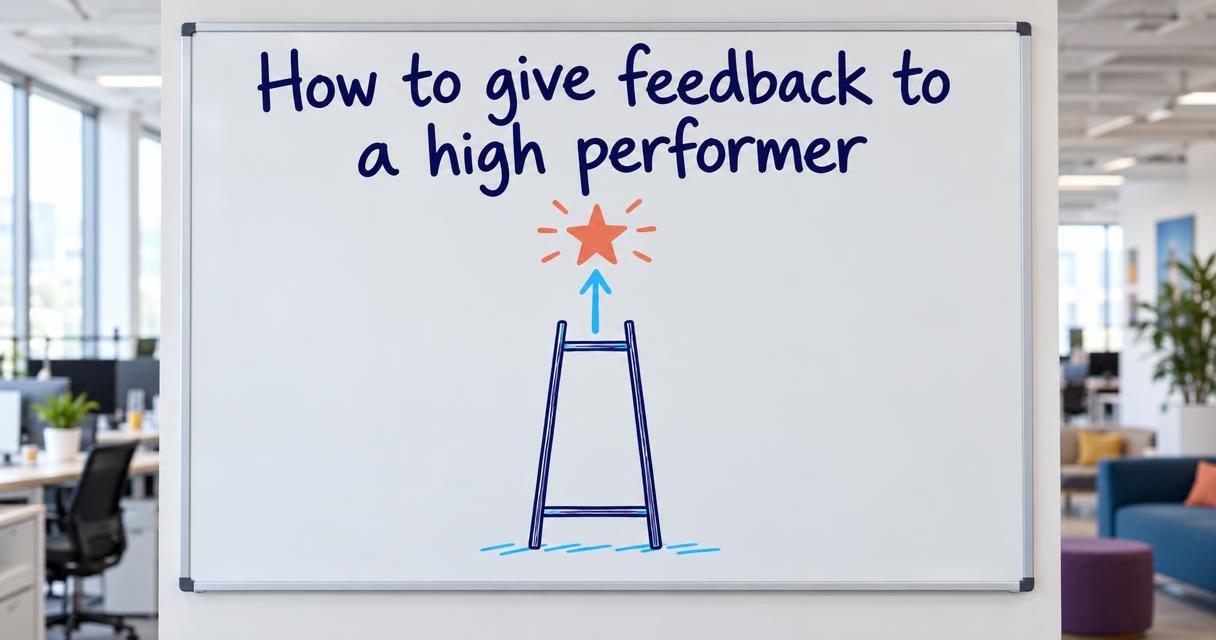
To give feedback to a high performer, you must shift your focus from correcting their daily tasks to developing their career trajectory, addressing their behavioural blind spots, and actively preventing burnout.
Last reviewed November 2026
Key takeaways
- High performers need feedback that aligns with their future goals rather than their current output.
- Top talent often ties their personal identity to competence, meaning they can react defensively to unexpected criticism.
- Effective managers use continuous conversations to challenge high achievers without resorting to forced nitpicking.
- Feedback for your best people must include clear executive sponsorship and strategies to protect their energy.
Managers are terrified of demotivating their best people. You have someone who hits every target, manages their own workload, and solves problems before you even hear about them. It feels safer to leave them alone. Neglecting them is a fast track to losing them.
High achievers actually crave feedback. They want to know how to reach the next level. When you offer them nothing but vague praise, they assume you have stopped paying attention to their career growth.
Most performance management systems are built for the middle of the bell curve. They look for competency gaps and areas where an employee is falling short. High performers do not have many gaps in their daily tasks. When a manager is forced to find a weakness to fill in a form, they end up nitpicking minor details.
According to a study by Gallup, only 14% of employees strongly agree that their performance reviews inspire them to improve. This number drops even further when top talent feels their manager is inventing problems just to have something to say.
What they actually need is guidance on the things they cannot see. This includes their impact on team changing, their readiness for a promotion, and their personal risk of burning out. They need a coach who looks at their entire trajectory.
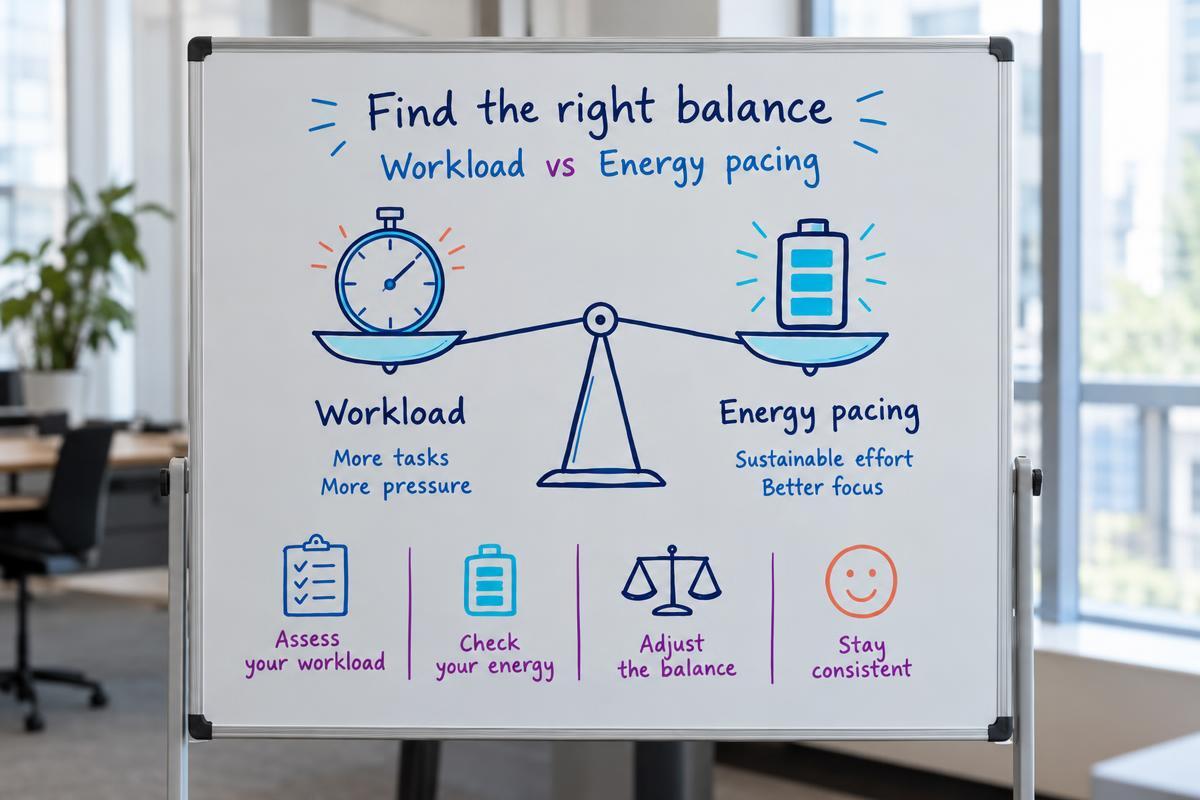
High achievers receive the least actionable advice because managers confuse high output with complete readiness. You might look at a top sales representative and assume they are ready to manage a team. Being good at a job does not automatically teach someone how to lead others.
You can see this clearly when you look at different personalities at work. If your high performer is an Evaluator, they want logical, data-backed reasons for any change in direction. They might struggle when a situation requires emotional nuance. You have to tailor your feedback to their specific style. First-time users of Hey Compono often discover how personality-adaptive coaching helps managers prepare for these exact reactions.
Your role is to identify the soft skills they need for their next role. You must provide clear observations on how they collaborate, how they handle stress, and how they communicate with other departments.
Top employees often tie their self-worth directly to their competence. When you offer critical feedback, they might perceive it as a threat to their professional identity. They are used to being right. Hearing that they need to change a behaviour can trigger a strong defensive reaction.
Frame the conversation around their goals. If a team member tends to talk over others in meetings, connect that behaviour to their ambition. Explain how creating space for junior staff will prepare them for a senior leadership role. They need to see the commercial and professional value of the change.
Gallup research shows that only 26% of employees strongly agree that the feedback they receive helps them do their work better. To be in that group, you have to connect the critique directly to their personal ambition. They will accept the feedback if they believe it helps them win.
Managers often use phrases that accidentally demotivate their top staff. The most common mistake is saying that they should just keep doing what they are doing. This tells the employee that you have no vision for their future.
Avoid telling them you had to find something to put in the development box. This destroys the credibility of the entire review process. It signals that the feedback is a compliance exercise rather than a genuine investment in their career.
Stay away from vague praise. High performers know they are doing well. They want to know exactly what made a project successful so they can replicate it at a larger scale. They need specifics.
You need specific language to give constructive feedback that actually lands. Use these examples as a starting point for your next conversation.
To address burnout, focus on pacing. Say something like this. You have delivered exceptional work on this project. I want to make sure we are pacing your energy. What can we take off your plate next month to give you room to breathe?
To develop leadership skills, focus on delegation. Say something like this. You solve problems faster than anyone else on the team. Your next challenge is to coach a junior team member to solve those problems on their own.
Employees who receive manager recognition at least weekly are 2.9 times more likely to strongly agree that they receive valuable feedback, according to Gallup and Workhuman. Pair these constructive conversations with regular, specific recognition.
Managers need a system to decide when to intervene and when to stay out of the way. A tactical feedback matrix helps you evaluate the necessity of a critique. You must weigh the impact of the behaviour against the risk of micromanagement.
If a high performer is delivering excellent results but using an unconventional method, step back. Correcting their process just to match your own preferences will frustrate them and damage your working relationship. They have earned the autonomy to work in their own style.
If their behaviour damages team morale, creates a silo, or burns out their colleagues, you must step in immediately. Top talent can sometimes leave a trail of collateral damage. You have to address these behavioural costs clearly. Explain that true high performance includes improving the people around them.
High performers often receive skewed feedback from their peers. Junior colleagues might feel too intimidated to offer constructive criticism. Other departments might view their intense drive as difficult or demanding. You have to act as a filter for this information.
When you conduct a 360-degree review, look for patterns rather than isolated complaints. If three different departments mention that your top employee is hard to reach, you have a valid coaching point. Present this data objectively. Ask them how they think their communication style affects project timelines.
Remind them that executive sponsorship relies on their internal reputation. They cannot advance to senior roles if the broader business views them as a brilliant but difficult person to work with. Their technical skills will only take them so far.
A person who produces a massive amount of work is a high output employee. They might be perfectly happy in their current role. Pushing them into management could ruin their job satisfaction. A person with high potential shows the capacity to handle completely new, complex challenges.
Your feedback strategy must distinguish between the two. Ask them directly what they want their working life to look like in two years. Build a development plan based on their answer, not your assumptions.
Managers often struggle to find the right words to ask these questions. Many teams use the Hey Compono app to role-play these exact career conversations before they happen in real life. Rehearsing helps you deliver the message with confidence.
You cannot wait six months to review someone who operates at a high velocity. They need immediate thoughts on their performance. They need to know if they are heading in the right direction.
Gallup reports that only 20% of employees report receiving weekly feedback, while about half of managers say they provide it weekly. This perception gap happens when managers think passing comments count as formal feedback. Employees need dedicated time to discuss their progress.
Close this gap by making feedback a regular part of your weekly one-on-one meetings. You can learn more about effective performance review strategies to structure these discussions. Regular check-ins lower the stakes. If you want to coach a senior leader on behavioural blind spots, frequent small corrections work better than one large intervention.
Your managers know their top performers need guidance, but they often lack the confidence to deliver it effectively. Hey Compono provides personality-adaptive AI coaching that helps leaders practise difficult conversations and refine their feedback skills before they sit down with their team.
Related reading
Focus on their impact on the rest of the business. An employee might execute their own tasks flawlessly while creating bottlenecks for other departments. Shift the conversation from their individual output to their collaborative skills and leadership potential.
Yes, but it should be framed as a growth opportunity. High performers have blind spots, especially in areas like delegation, stress management, and cross-functional communication. Ignoring these areas limits their career progression.
Top employees benefit from weekly check-ins. These conversations do not need to be long. A quick discussion about their current priorities, a piece of specific recognition, and a minor course correction will keep them engaged and aligned with your strategy.
Give them space to process the information. High achievers hold themselves to intense standards, and unexpected criticism can feel overwhelming. Acknowledge their reaction, reaffirm their value to the team, and suggest picking the conversation up the next day when they have had time to reflect.
Give them problems to solve instead of tasks to complete. Ask them to mentor a junior colleague, lead a cross-functional project, or identify a process improvement within the business. This tests their strategic thinking and prepares them for future leadership roles.
To coach an underperforming employee without micromanaging. Get practical scripts, frameworks, and strategies to improve team performance.

Discover how manager coaching software improves team performance and retention. Get actionable steps to choose the right platform for your leaders in...
To deal with a bad performance review calmly. Discover practical steps to process feedback, prepare a response, and decide your next career move.
 Compono