
 Mathan Allington

How to debrief a candidate after an interview
 Mathan Allington
Learn exactly how to debrief a candidate after an interview. Get practical steps, conversation scripts and feedback techniques to protect your...
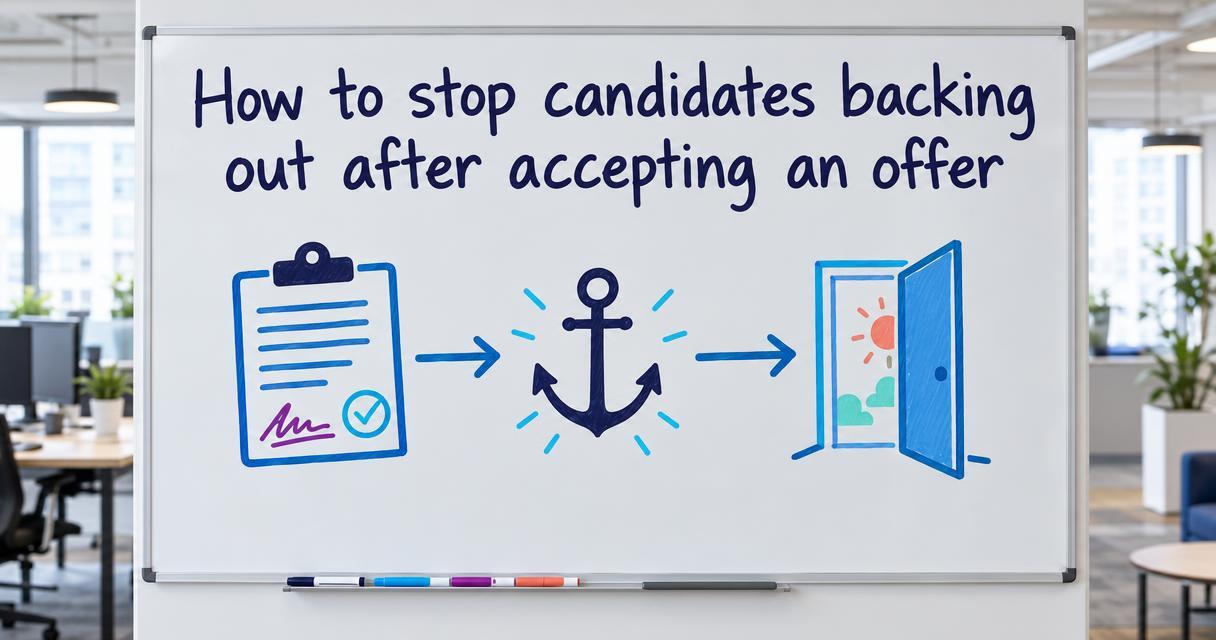
To stop candidates backing out after accepting an offer, you need to treat the period between acceptance and day one as an active recruitment phase, inoculate them against counteroffers before they resign, and build a structured weekly engagement plan.
Last reviewed November 2026
Key takeaways
- Pre-boarding is an active retention phase where weekly communication prevents buyer's remorse and builds emotional commitment.
- Inoculating candidates against counteroffers requires scripting their resignation conversation with them before it happens.
- Monitoring response times and behavioural cues helps you identify candidates who are reconsidering their acceptance.
- Connecting the new hire with their future team early creates a social bond that late competing offers cannot match.
You did the work, the candidate signed the contract, and you closed the role. Then, just days before they start, you receive the dreaded email. They are staying where they are, or they have taken another job. According to Gartner, 35% of candidates backed out after accepting a job offer in Q1 2025.
It is incredibly frustrating, and the cost of re-recruiting and delayed work is massive. But this drop-off does not happen in a vacuum. The candidate usually goes quiet first, overwhelmed by the pressure of resigning or enticed by a late competing offer.
The gap between signing a contract and starting the job is known as the dead zone. If you go quiet during this time, the candidate's anxiety spikes. Survale benchmark research shows that 60% of candidates received an offer within one week of their final interview in 2025. You have to move fast to secure talent, but moving fast means your new hire is likely still active in other interview processes. Without a deliberate strategy to keep them engaged, you risk losing them at the finish line.
Candidates rarely back out maliciously. They usually renege because of counteroffers, buyer's remorse, or a breakdown in communication. The National Association of Colleges and Employers reported that 10.0% of accepted full-time offers to new college hires were reneged on in 2025, highlighting a growing trend of last-minute changes across all levels of experience.
When communication drops off after the contract is signed, candidates start to second-guess their decision. They wonder if the culture is as supportive as you claimed. Meanwhile, their current employer is promising them a pay rise and a promotion if they stay. If you have not built a strong relationship, it is easy for them to choose the familiar option over the unknown.
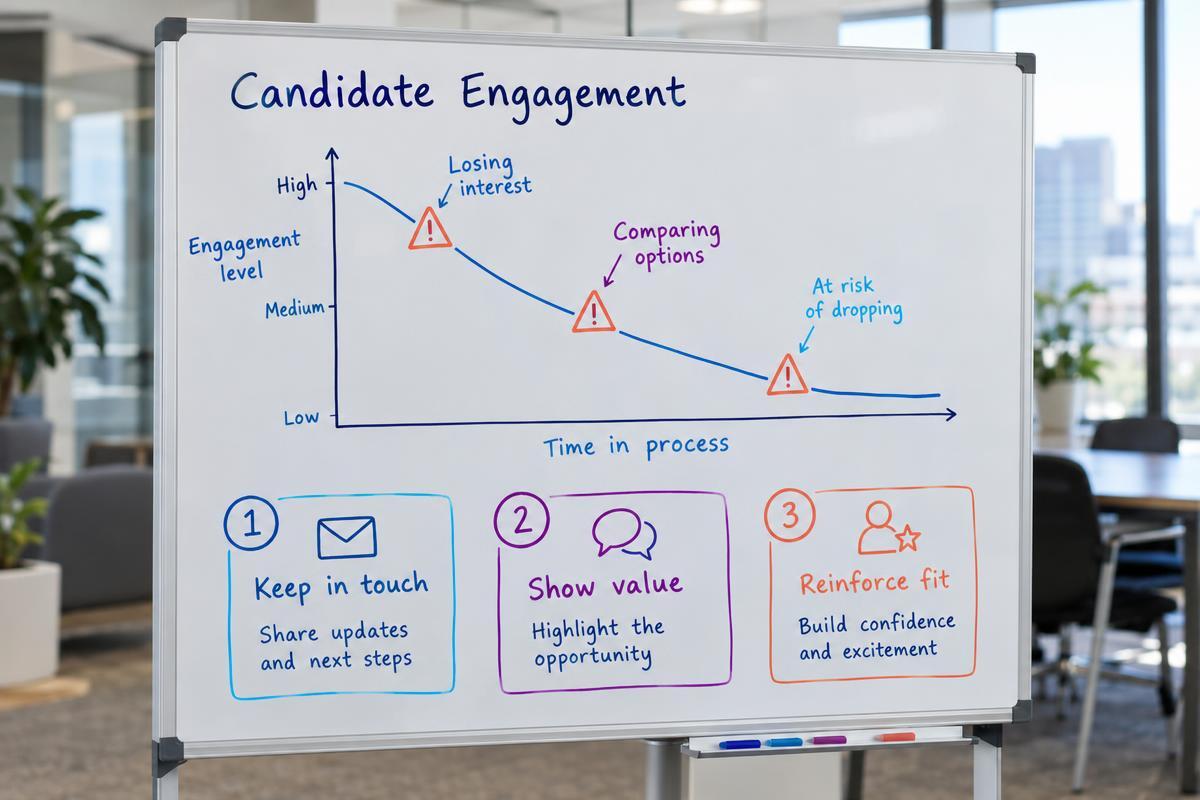
Counteroffers are the biggest threat to your placement. Do not wait until the candidate resigns to discuss it. You need to have the conversation during the offer stage. Ask them directly what their current manager will do when they hand in their notice. Help them script the conversation so they are psychologically prepared for the pushback.
You might say: "When you resign on Friday, your boss is going to panic. They will probably offer you more money to stay. How are you going to handle that?" This forces the candidate to visualise the pressure and commit to their decision out loud.
If the candidate has an Evaluator work personality, they naturally try to avoid risk. Give them a logical framework to rely on, reminding them why they wanted to leave in the first place. You can also share a decision guide on counter offers to help them process their thoughts objectively.
Pre-boarding is the work you do between offer acceptance and day one. It replaces the dead zone with a structured, engaging experience. A solid pre-boarding plan humanises the compliance paperwork and connects the candidate to their new team.
| Timeframe | Action | Focus |
|---|---|---|
| Week 1 (Post-offer) | Send a welcome package or video from the team. | Celebration and validation of their choice. |
| Week 2 | Check in on the resignation process and start background checks. | Admin support and reassurance. |
| Week 3 | Share an informal team update or invite them to a team lunch. | Culture and social integration. |
| Week 4 (Pre-start) | Send the day one itinerary and confirm logistics. | Clarity and reducing first-day anxiety. |
Humanising the compliance phase is particularly important. Background checks and forms feel impersonal. Call the candidate to explain what the forms are for, how long the checks take, and who they can contact if they get stuck. This high-touch approach is a proven way to reduce candidate dropout in recruitment.
Candidates rarely pull out without warning. They leave clues. The most common red flag is response latency. If a candidate who used to reply to emails within an hour suddenly takes three days to return a simple background check form, you have a problem. Short, non-committal answers on the phone are another warning sign.
If you spot these behaviours, do not send another email. Pick up the phone. Ask an open question like, "You seem a bit hesitant today. How did the resignation conversation actually go?" Give them permission to share their doubts. It is much easier to save a placement when you address the hesitation early, rather than waiting for them to send a formal withdrawal email.
At Hey Compono, we know that confident candidates are less likely to back out. When candidates understand their own value and communication style, they handle the pressure of resigning much better. They also feel more secure in their decision to move.
This is why AI interview practice for recruitment agencies is so valuable. It helps candidates articulate their strengths clearly and manage their anxiety throughout the entire hiring process. We also offer coaching through salary talks, ensuring candidates do not accept an offer feeling undervalued, which is a major cause of buyer's remorse.
Even with the best pre-boarding strategy, sometimes a candidate will back out. You need a contingency playbook ready. First, calculate the cost of a reneged offer, factoring in the cost of delay and the hours spent re-recruiting. This data helps you justify spending more time on candidate care.
Second, keep your silver medallists warm. When your top choice accepts, do not immediately cut ties with the runner-up. Send them a polite note explaining that while you went in another direction, you were impressed by their skills and want to stay in touch. If your primary candidate drops out, a warm relationship with the runner-up can save the placement.
Finally, always leave the door open with the candidate who backed out. Treat them with professional respect. Circumstances change, and the counteroffer they accepted might fall through in six months. A graceful exit protects your employer brand and leaves room for future opportunities.
If you are tired of watching great candidates drop out at the final hurdle, offering structured preparation can keep them engaged and confident. Our platform gives your candidates the tools to handle difficult conversations and stay committed to the move.
Related reading
Candidates typically back out because they receive a counteroffer from their current employer, get a better offer from another company, or experience a lack of communication during the pre-boarding phase that causes them to doubt their decision.
Stay professional and do not burn the bridge. Ask for feedback to understand why they changed their mind, wish them well, and immediately activate your contingency plan by reaching out to your silver-medallist candidates.
Pre-boarding is the period of time between a candidate accepting a job offer and their first day of work. It involves keeping the candidate engaged through regular communication, team introductions, and administrative support to prevent drop-off.
In most jurisdictions, employment is at-will or subject to a probation period where either party can terminate the agreement without penalty. It is rarely practical or legally viable to force a candidate to start a job they no longer want.
You should aim for at least one meaningful touchpoint per week during the notice period. This could be a phone call, an email introducing them to a team member, or an update on their equipment and day one logistics.
Learn exactly how to debrief a candidate after an interview. Get practical steps, conversation scripts and feedback techniques to protect your...
Want to know how to improve your interview to offer ratio? Discover standard benchmarks, structured scoring strategies, and practical candidate.
To prepare a candidate for a second interview. Discover recruiter frameworks for panel dynamics, competency coaching and presentation practice.