
 Mathan Allington

How to prepare a candidate for a presentation interview
 Mathan Allington
To prepare a candidate for a presentation interview. Discover practical frameworks, Q&A strategies, and dry run techniques to boost placement rates....
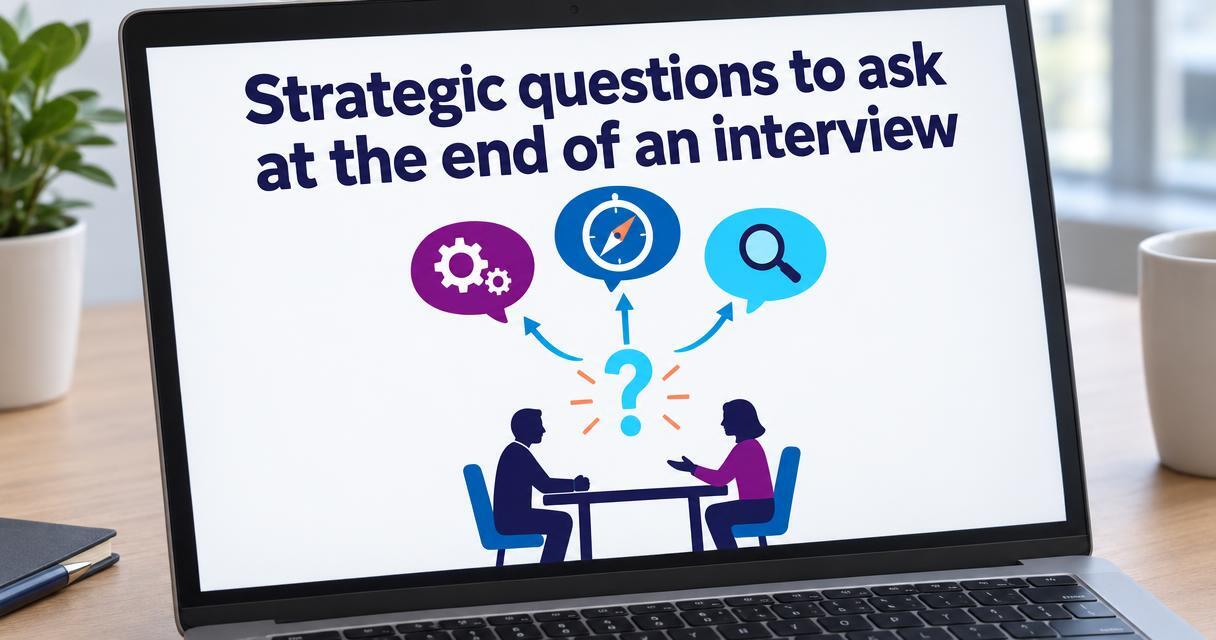
The best questions to ask at the end of an interview focus on the day-to-day realities of the role, the team culture, and how success is measured.
Last reviewed November 2026
Key takeaways
- Prepare five targeted questions but choose only the two or three most relevant ones to ask in the room.
- Tailor your inquiries to the person sitting across from you by matching their level of seniority and focus.
- Use the end of the conversation to uncover hidden red flags and test the actual team culture objectively.
- Probe the realities of remote and hybrid work environments by asking about asynchronous communication.
- Always close the meeting by asking about the next steps and the expected timeline for the hiring process.
You have spent the last hour answering difficult questions about your experience and career trajectory. Then the interviewer closes their notebook, smiles, and asks if you have any questions for them. Answering with a polite no is the quickest way to ruin a great conversation. It signals a lack of curiosity and preparation to the hiring panel. It leaves the hiring manager wondering if you actually care about the position or if you just want any job that pays the bills.
A job interview is a two-way street. You need to know if this company is the right fit for your skills and your wellbeing. The questions you ask are your best tool for evaluating the employer and showing that you are already thinking like a member of their team. Strong candidates use this time to gather essential data about the workplace.
An interview is not a one-way interrogation. It is a mutual assessment of fit and capability. You are evaluating the company just as much as they are evaluating you. The questions you bring to the table show how you process information and what you value in a workplace. They demonstrate that you are already visualising yourself in the role and thinking about the impact you can make.
When you prepare with Hey Compono, we focus heavily on authenticity. Your questions should reflect what actually matters to your specific working style. If your natural work personality leans towards execution and structure, you need to know exactly how success is measured. If you are a highly collaborative person, you need to understand the team changing and how cross-functional projects are managed.
Your questions also highlight your listening skills. If you reference something the interviewer said earlier in the meeting and build a question around it, you prove that you are highly engaged. It shows that you can process new information quickly and apply it to the situation at hand.
It is important to have a deliberate strategy. Do not ask a question just for the sake of filling the silence. You want to ask questions that force the interviewer off their rehearsed corporate script and give you a genuine look inside the business. Thoughtful inquiries show that you are an active participant in your own career progression.
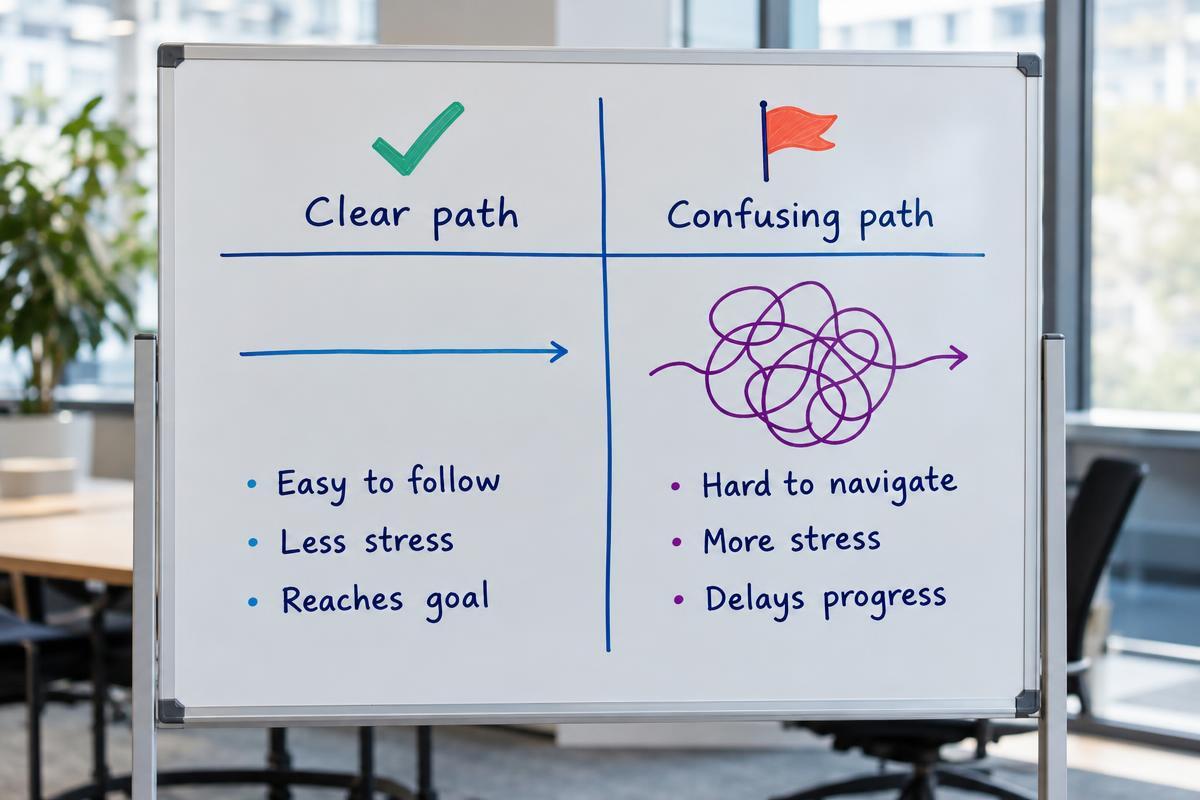
Your questions must match the person sitting across the table. Asking the chief executive officer about the daily software stack is a wasted opportunity. Asking a peer about a five-year global market strategy will likely result in a blank stare. You need to tailor your approach to the specific interviewer and their domain of expertise.
Recruiters are your primary guide to the hiring process and the broader company structure. They might not know the intricate details of the daily coding workload or marketing strategy, but they own the hiring timeline and company policies. They are the best people to ask about overarching cultural initiatives and benefits.
Indeed recommends asking, "What are the next steps in the interview process?" to clarify the hiring timeline and follow-up expectations. You should also ask about company-wide initiatives. You might ask how the organisation supports professional development or how they measure employee engagement across different regional departments.
This person is your potential future boss. You need to understand their personal management style and exactly what they expect from you in the first few months. Career guidance from the University of Wisconsin-La Follette School of Public Affairs suggests asking what the role's day-to-day responsibilities will involve. They also suggest asking how success will be measured in the role, including expected goals, timelines, and performance evaluations.
You want to know what a good job looks like to this specific leader. Another great question is to ask what the biggest challenge the team is currently facing right now. Their answer will reveal the immediate operational problems you will be expected to solve when you join.
When you interview with potential colleagues, focus exclusively on the reality of the work environment. These are the people in the trenches doing the work every day. They will give you the most honest answers about the culture, the workload, and the daily grind.
The University of Wisconsin-La Follette School of Public Affairs recommends candidates ask, "What would my first week at work look like?" to understand immediate expectations and onboarding. You can also ask what they enjoy most about working there, or what internal processes they wish they could improve.
When you reach the final stage with a founder or senior executive, zoom out to the big picture. Our final round interview preparation guide highlights that senior leaders want to see strategic thinking. They want to know that you understand the broader business context and market position.
The University of Wisconsin-La Follette School of Public Affairs recommends asking, "How does this position contribute to the organisation's success?" to connect the job with broader organisational goals. Ask executives about the biggest market opportunities they see over the next year and how this department supports that vision.
The end of an interview is your best chance to look for warning signs before you accept an offer. You cannot simply ask a hiring manager if their team culture is toxic. You have to ask tactical questions that reveal the truth covertly through their reactions and omissions.
Ask why the position is currently vacant. If it is a brand new role, that is usually a sign of company growth. If the last three people left this specific desk within a twelve-month period, you have just discovered a major red flag. You should also ask how the company handles failure or project mistakes. A healthy culture will talk about learning, iterating, and blameless reviews. A toxic culture will deflect the question or talk heavily about strict accountability measures and consequences.
One expert-recommended question from Broda Coaching is, "What is something I need to know about this role that is not in the job description?" This question is powerful because it often prompts the interviewer to drop their corporate guard and share the messy reality of the job.
A good manager will shield their team from unnecessary stress. To test this, ask how work is prioritised when multiple urgent projects land at once. If they say the team just puts their heads down and works late, you are looking at a fast track to burnout. If they explain how they push back on stakeholders or reprioritise deadlines, you have found a leader who protects their staff.
How an interviewer answers your questions is just as important as the words they say. You need a mental scorecard to evaluate their responses objectively while you sit in the room. Add this evaluation step to your overall interview preparation checklist to ensure you do not miss critical cues.
If you ask about company culture and they only mention the office coffee machine or social events, they might lack genuine cultural depth. If you ask about work-life balance and they nervously joke about late nights and weekend emails, believe them. That is the true reality of the job, regardless of what the brochure says.
| The topic you ask about | A green flag answer | A red flag answer |
|---|---|---|
| How success is measured | Clear metrics, achievable targets, and regular feedback cycles. | Vague expectations, changing goalposts, or relying entirely on gut feeling. |
| How the team handles conflict | Open communication protocols and strong manager support for resolution. | Defensiveness, shifting blame, or claiming they never ever disagree. |
| Historical staff turnover | Honest reflection on why people move on and what they learned. | Blaming former staff members or aggressively refusing to answer. |
| Professional development | Dedicated budgets, mentorship programs, and clear progression paths. | Promising to figure it out later or stating that training is done on your own time. |
The modern workplace has fundamentally changed, and your questions must reflect that shift. If the role you are applying for is remote or hybrid, you need to probe how they actually handle distributed work. Do not assume their hybrid policy is functional just because they have one written down.
Ask specifically about their communication norms. You need to know if they expect instant replies on chat platforms or if they respect deep, focused work blocks. Ask how remote team members are included in social events, important decisions, and career development opportunities so they do not become invisible.
A company with a mature remote culture will have specific answers about asynchronous workflows, documentation, and intentional offsites. A company struggling with the transition will usually admit that they rely heavily on constant video calls to monitor productivity.
Sometimes an interviewer will give you a rehearsed, generic answer that tells you absolutely nothing. You need tactical scripts to pivot the conversation and drill down without sounding aggressive or confrontational. The goal is to gently push for the specific details you need to make an informed career decision.
If they say their culture is highly supportive, you can pivot by saying, "That sounds great. Can you give me an example of how the team supported each other during a recent difficult project?" This forces them to provide a concrete example rather than a buzzword.
If they claim they value innovation but cannot name a new initiative, you might say, "It is great that you encourage new ideas. How does the leadership team normally allocate budget or time for staff to test those new concepts?" Drilling down into the mechanics of their claims reveals the truth.
Some questions will do significantly more harm than good to your candidacy. Never ask a question that you could easily answer yourself by spending five minutes on their website. Asking what the company actually does or who their main competitors are shows that you did absolutely no research prior to the meeting.
Avoid asking about salary, standard benefits, or leave entitlements in the very first interview unless the recruiter explicitly opens that door. Those compensation conversations are important, but bringing them up too early makes it seem like your only motivation is the paycheck. Wait until the offer stage or when the employer initiates the financial discussion.
Never ask if you got the job on the spot. It puts the interviewer in a terribly awkward position and shows a complete lack of professional boundaries. It can instantly sour a great conversation. Instead, stick to asking about the expected timeline for their decision making.
Knowing when to ask your questions is just as critical as knowing what to ask. Many candidates wait strictly for the end of the meeting when the interviewer formally opens the floor. While this is standard practice, the best interviews often feel like a natural, flowing conversation rather than a rigid test.
If a natural opening appears to ask a clarifying question about the role while the hiring manager is speaking, take it. For example, if they mention a specific software migration, you can immediately ask how that impacts the day-to-day workflow. Weaving relevant questions into the main discussion shows active listening.
However, save your broader strategic and cultural questions for the dedicated time at the end. This ensures you do not derail the interviewer's structured assessment process while still getting the deep answers you need.
The final minutes of the interview leave a lasting impression on the panel. You want to walk out of the room projecting confidence, clarity, and professionalism. Choose the two or three best questions from your preparation list based on what was already discussed, and deliver them naturally.
You can learn how to practise interview questions with AI to ensure your delivery is smooth and confident. Practising out loud helps you avoid rambling or sounding overly rehearsed. If you want to refine this critical skill, the Hey Compono app offers voice-first roleplay scenarios. You can test your closing questions and get instant, objective feedback on how you sound.
Always thank the panel for their time and the specific insights they shared with you. A strong, polite finish reinforces that you are a thoughtful professional who takes their career trajectory seriously.
Walking into an interview room feeling completely prepared changes your entire delivery and confidence level. The best way to build that unshakeable confidence is through realistic practice that adapts to your unique communication style.
Related reading
You should prepare at least five targeted questions before you walk into the room. This gives you solid backup options in case the interviewer naturally covers some of your points during the conversation. When it is your turn to speak, pick the two or three most relevant questions to ask so you respect their time.
Yes, it is perfectly acceptable to bring a professional notebook with your questions written down. It shows that you prepared thoroughly and took the meeting seriously. Just ensure you maintain eye contact while discussing them rather than reading directly from the page like a script.
If the interviewer was incredibly thorough, you can politely acknowledge that reality. You might say that they actually answered your main questions about team structure and success metrics during the chat. Then, pivot to asking a broader question about their personal experience working at the company.
Wait for the recruiter or hiring manager to introduce the topic of compensation first. If they do not bring it up, you can ask about the salary band when they formally offer you the role or during the final negotiation stage. Asking in the very first interview can send the wrong signal.
Treat the interview like a professional conversation between peers. If a natural opening appears to ask a clarifying question about the role, take it. However, save your broader strategic and cultural questions for the dedicated time at the end of the meeting so you do not derail their agenda.
To prepare a candidate for a presentation interview. Discover practical frameworks, Q&A strategies, and dry run techniques to boost placement rates....

Master interview coaching for IT recruiters. Learn how to bridge the technical gap and find the right work personality for your team. Start today.
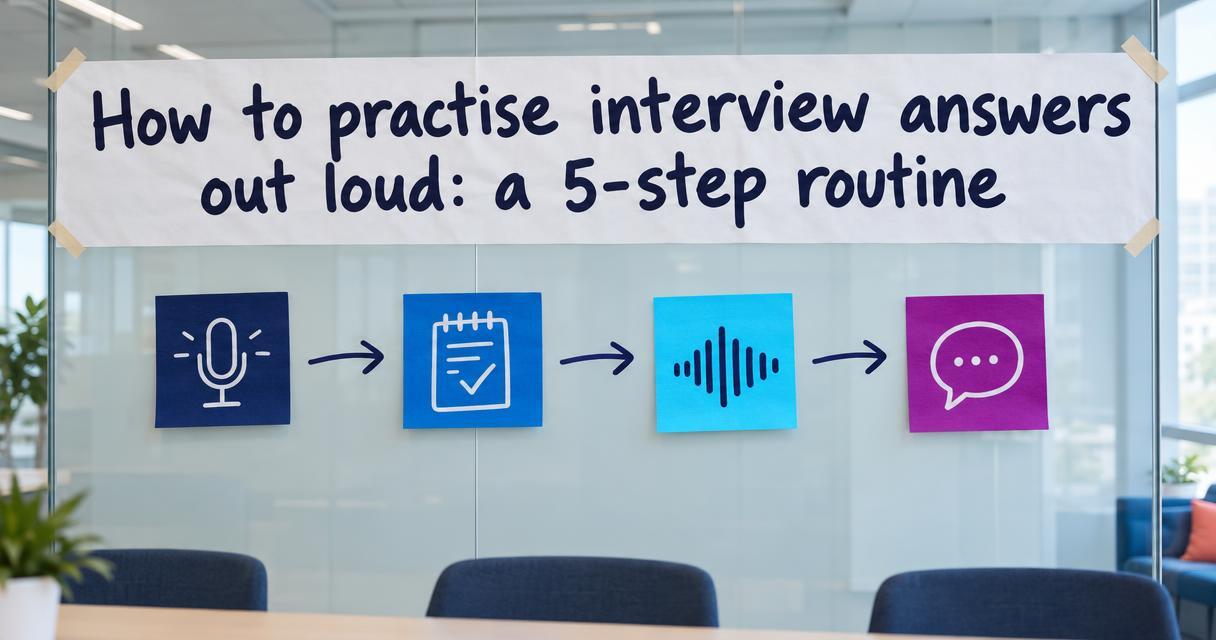
How to practise interview answers out loud with a structured five-step routine. Build confidence, fix your pacing, and sound natural under pressure.
 Compono