
 Mathan Allington
How to practise interview answers out loud: a 5-step routine
 Mathan Allington
How to practise interview answers out loud with a structured five-step routine. Build confidence, fix your pacing, and sound natural under pressure.
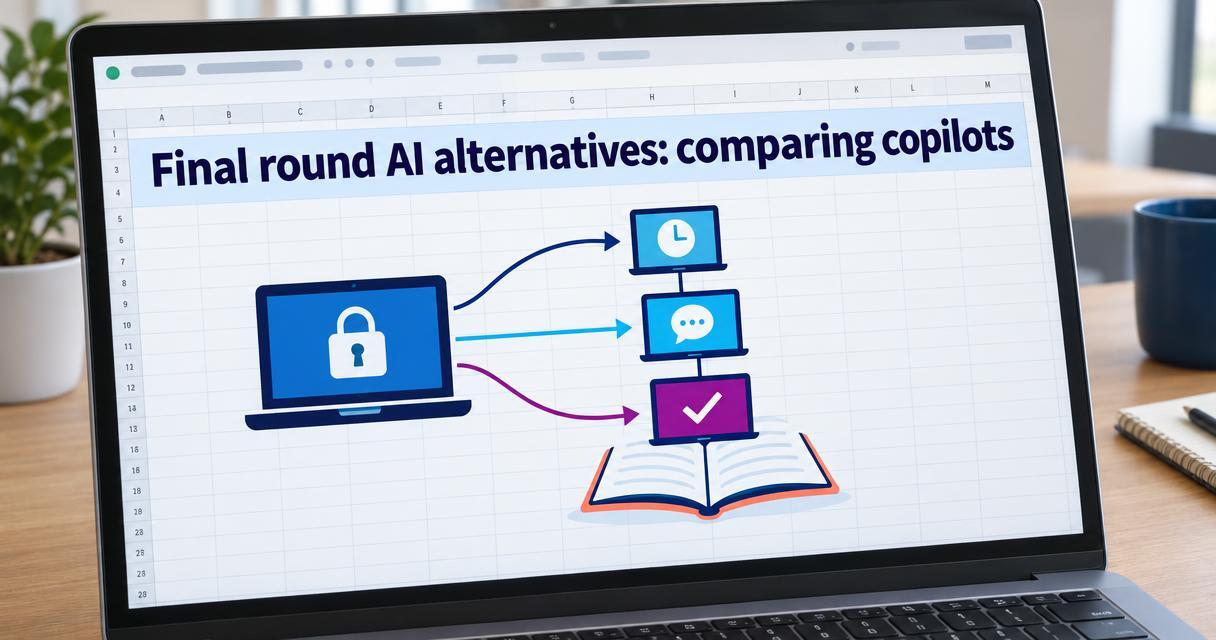
If you are looking for final round AI alternatives, you are likely weighing up the high cost of live interview copilots against the sheer panic of freezing when a hiring manager asks a curveball question.
Last reviewed November 2026
Key takeaways
- Live interview copilots carry high detection risks and ethical concerns, pushing job seekers toward safer mock practice tools.
- Significant latency in real-time speech-to-text generation often ruins the natural flow of a conversation with recruiters.
- Budget-friendly options exist, but many candidates prefer building real competence over relying on hidden screens.
- Understanding your work personality helps you answer behavioural questions naturally without needing a script.
The job market remains highly competitive, and the pressure to perform perfectly in front of a hiring panel drives many candidates to seek technological help. Live interview copilots promise to listen to your interview and feed you answers on a hidden screen. Yet the reality of using these tools is often far more stressful than the interview itself. You have to manage complicated audio routing, hide second monitors, and read generated text while pretending to maintain eye contact with the camera.
Many candidates start with the biggest name in the space, but quickly look elsewhere. Pricing is a major factor. The latency between the interviewer asking a question and the software generating an answer can also create awkward silences. As video conferencing platforms update their security features, the risk of getting caught has never been higher.
The main reason candidates explore different options comes down to price, performance, and peace of mind. Some popular platforms charge heavy monthly fees that quickly drain a job seeker's budget. When you are already out of work or looking to step up, spending a large sum every month just to get an edge feels unsustainable.
Technical lag is another common frustration. When an interviewer asks a complicated behavioural question, a live copilot needs time to transcribe the speech, process the prompt, and generate a coherent answer. This delay forces the candidate to stall. Stalling for two or three seconds on every question makes you look distracted or unsure of your own experience.
There is also a growing awareness of the risks involved. Relying on an unauthorised tool during a formal assessment is a fast way to get blacklisted by an employer. According to a 2025 survey by Disher Talent, 6% of candidates admitted to interview fraud, which includes impersonation or having someone else impersonate them. Employers are now actively looking for unnatural eye movements and delayed responses.

The market for interview assistance splits into two distinct categories. Understanding the difference is important for your long-term career growth.
Final Round AI alternatives include live interview copilots such as Verve AI, LockedIn AI, and Interview Coder, alongside practice-focused tools such as Yoodli, Big Interview, and interviewing.io. Live copilots are designed to run covertly during the actual interview. They transcribe what is being said and push suggested answers to your screen. This requires you to read aloud while trying to sound spontaneous.
Mock practice tools take a completely different approach. They simulate the interview environment beforehand, allowing you to rehearse your answers, refine your delivery, and build genuine confidence. Hey Compono takes this practice approach further by offering personality-adaptive roleplay that helps you articulate your actual experience rather than reading a generic script.
If you are exploring the live copilot route, the market offers several competitors with varying price points and feature sets. Each comes with its own technical requirements and limitations.
Cuelyte AI positions itself as a budget-friendly choice. Its Pro plan is listed at $10 per month, compared with Final Round AI Pro starting at $25 per month, according to Cuelyte. This lower price point appeals to graduates and entry-level candidates, though users still have to manage the stress of reading live prompts.
Sensei AI offers a different pricing structure for those needing intensive help. Sensei AI is listed at $89 per month on monthly billing or $24 per month when billed annually, with 15-minute copilot sessions in its entry offering, as shown by Cuelyte. The short session limit means it is best reserved for rapid screening calls rather than hour-long technical interviews.
Verve AI is another premium option in the live assistance category. Verve AI is listed at $84.99 per month for three copilot sessions, or $34.99 per month with annual billing, according to Cuelyte. The strict session limits force candidates to be very strategic about which interviews they use the tool for.
For software engineering roles, candidates often look for specialised assistance. Interview Coder is designed specifically for live coding interviews, but it carries reputational risks. The tool was linked to a 2025 controversy involving its creator's suspension from Columbia University. Using a tool designed to bypass technical assessments can have severe consequences if discovered by a prospective employer.
Because of the risks associated with live copilots, many candidates prefer tools that help them prepare before the camera turns on. These tools build actual competence, meaning you do not have to worry about a software crash ruining your chances.
Yoodli focuses on interview rehearsal rather than live assistance, analysing filler words, pacing, and speaking clarity from recorded practice sessions, as reported by Final Round AI. It acts more like a speech coach, helping you smooth out nervous habits before you meet the hiring manager.
Big Interview is another structured preparation platform that provides extensive video curriculum and practice questions. Cost is a major advantage here. Interview Drills reports that Big Interview is often available free through universities and libraries, making it a lower-cost alternative for structured interview preparation.
For candidates who want realistic conversational practice, AI interview practice platforms offer voice-led mock sessions. These tools act as the interviewer, asking follow-up questions based on your previous answers. This changing rehearsal prepares you for the unpredictable nature of a real conversation better than reading a static list of questions.
If you choose to use a live copilot, you must understand how interviewers catch AI tools. Modern hiring platforms use a combination of automated software checks and human observation to identify candidates who are receiving outside help.
The biggest giveaway is eye tracking. When you read a generated answer off a second monitor or a floating window, your eyes dart back and forth in a predictable reading pattern. An interviewer expects you to look thoughtfully away when considering a difficult question, or to look near the camera when speaking. Rapid, linear eye movements while delivering a highly polished, jargon-heavy answer immediately raise suspicion.
There are also technical flags. Some enterprise video platforms can detect virtual audio cables or screen capture software running in the background. If a company uses a dedicated assessment platform like HireVue, the detection mechanisms for third-party browser extensions are often built directly into the software.
Passing an interview is only the first step. The real challenge is performing the job once you are hired. This is where relying heavily on a live copilot becomes dangerous. If an AI tool writes all your code or answers all your behavioural questions, you set an expectation of competence that you might not possess.
The risk of post-hire performance failure is high when there is a mismatch between your interview persona and your actual ability. If you land a senior role because a copilot fed you advanced strategic answers, your new manager will expect that same level of strategic thinking on day one. When you cannot deliver without a screen prompting you, the situation quickly deteriorates.
A safer approach is to understand your natural strengths. Exploring your Work Personality helps you identify how you naturally communicate and solve problems. When you know your default working style, you can answer questions authentically. Authenticity builds trust with the interviewer, which is far more valuable than a perfectly robotic answer.
Recruitment agencies and internal talent teams are entirely aware of the AI copilot trend. They are changing how they assess candidates to counter the use of real-time cheating tools. Many interviewers now ask highly specific follow-up questions about the nuances of your past projects, demanding details that a generic AI prompt cannot easily generate on the fly.
Instead of trying to catch candidates out, progressive agencies are actually providing AI interview prep tools for recruiters to share with their talent pools. They want candidates to rehearse and show up as their best selves. By offering legitimate practice tools, recruiters help reduce the anxiety that drives candidates to use covert copilots in the first place.
Choosing the right tool depends heavily on the type of role you are pursuing and your own comfort with risk. A side-by-side comparison helps clarify where to invest your time and money.
| Tool Category | Primary Use Case | Risk Level | Best For |
|---|---|---|---|
| Live Copilots (Verve, Sensei) | Real-time answer generation | High (Eye tracking, audio flags) | High-stakes screening calls |
| Coding Specific (Interview Coder) | Live technical assessments | Very High (Plagiarism checks) | Software engineering roles |
| Video Analysis (Yoodli) | Speech and pacing improvement | Zero | Presentations and executive roles |
| Changing Practice (Hey Compono) | Conversational rehearsal | Zero | Behavioural and situational interviews |
| Curriculum (Big Interview) | Structured learning | Zero | Graduates and career changers |
When weighing up AI interview coaching versus a human coach or a live copilot, consider your long-term goal. Do you want to sneak past the gatekeeper, or do you want to walk into the room knowing you can handle whatever they throw at you?
Mastering the art of preparing for a final round interview requires self-awareness and practice. The time you spend setting up hidden monitors and testing latency could be better spent actually rehearsing your answers out loud. Genuine competence always translates better on camera than a slightly delayed, robotic recitation of a script.
If you want to walk into your next interview with genuine confidence instead of relying on a hidden screen, practicing real conversations is the best way forward.
Related reading
While there are no specific criminal laws against using an AI copilot in a standard job interview, doing so violates the terms of service of most assessment platforms. If an employer catches you using unauthorised assistance, they will immediately disqualify your application and likely blacklist you from future opportunities at that company.
Many mock practice tools offer free tiers or trials. Big Interview is often available for free through university career centres or local libraries. You can also use standard voice-to-text tools to record your own answers and review them for clarity, though you miss out on the changing follow-up questions a dedicated practice app provides.
Interviewers look for delayed reaction times, unnatural eye movements, and a sudden shift in your speaking style. If you pause for three seconds after a question and then deliver a highly structured, jargon-heavy answer while reading from a fixed point on your screen, human recruiters will quickly realise you are reading a generated script.
Live copilots have to capture the interviewer's audio, convert it to text, send it to a language model, generate an answer, and display it on your screen. This multi-step process introduces a delay. Even a two-second delay disrupts the natural rhythm of a conversation, making you appear hesitant or distracted before every response.
Yes. Good practice tools simulate the back-and-forth of a real interview. They ask you a behavioural question, listen to your spoken response, and then ask a challenging follow-up question based on what you just said. This builds your ability to think on your feet, which is exactly what hiring managers want to see.
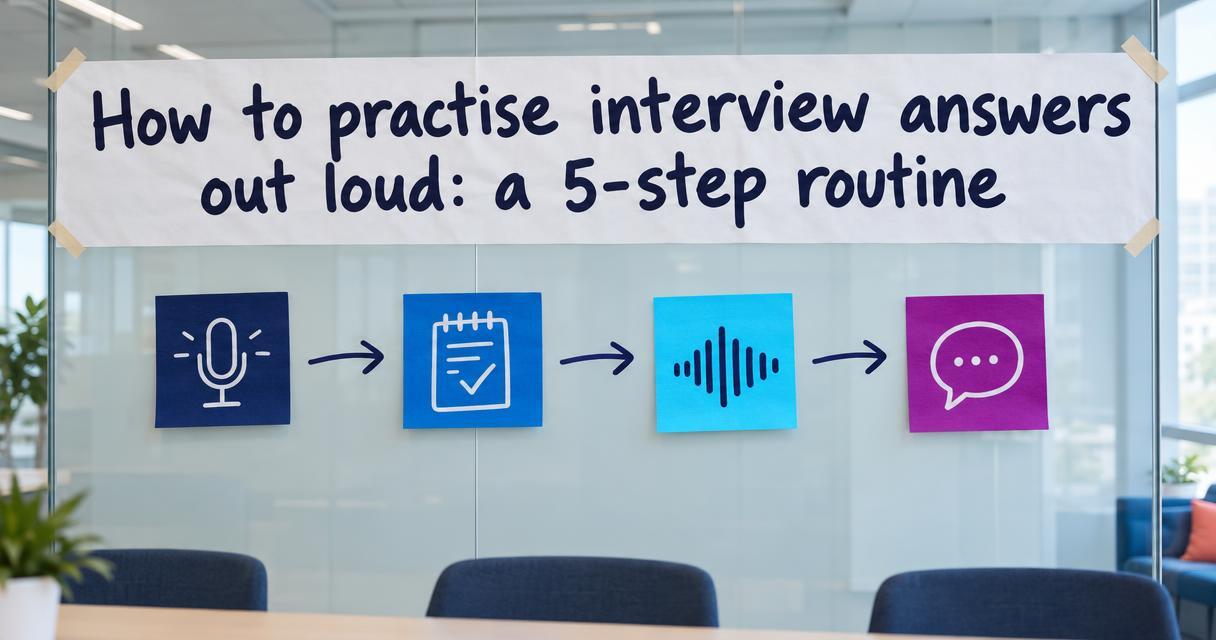
How to practise interview answers out loud with a structured five-step routine. Build confidence, fix your pacing, and sound natural under pressure.

To prepare a candidate for a presentation interview. Discover practical frameworks, Q&A strategies, and dry run techniques to boost placement rates....
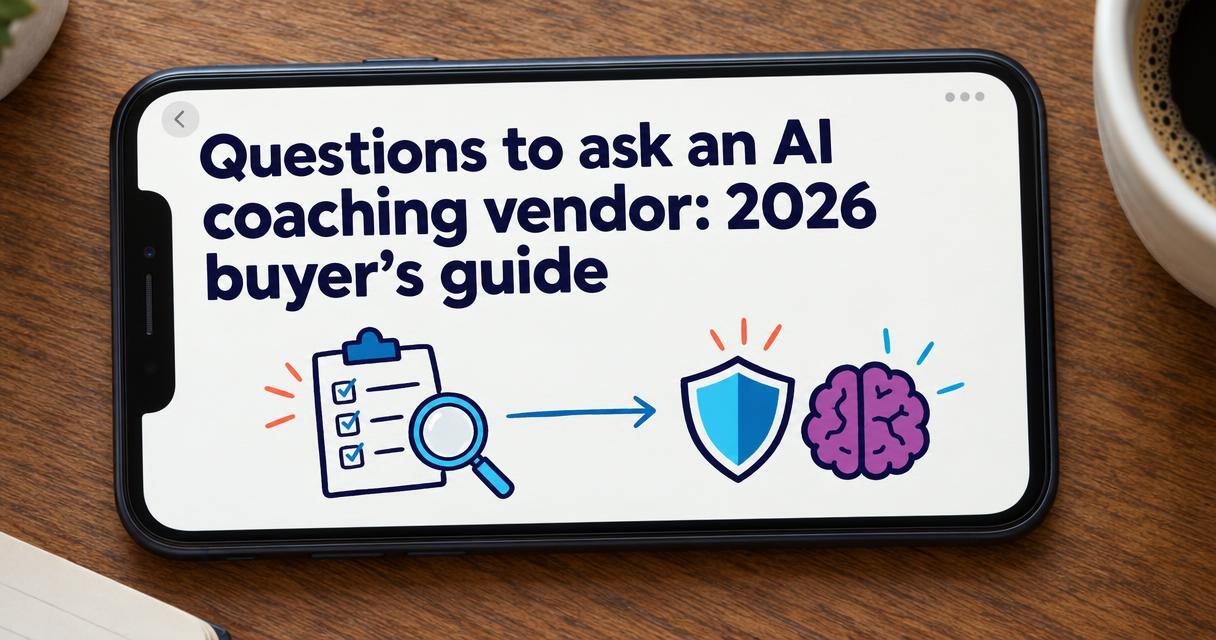
The most important questions to ask an AI coaching vendor before buying. Learn how to evaluate data privacy, behavioural science, and coaching safety.