
 Compono
1 min read
How to build a high-performing team environment
 Compono
A healthy team environment is built on psychological safety, clear communication, and a deep understanding of the diverse personalities that make up...

Team dynamics are the unseen psychological forces and personality interactions that determine whether a group of people will succeed or fail together.
Key takeaways
- Team dynamics are driven by the underlying work personalities and natural preferences of individual members.
- High-performing teams balance eight specific work activities, ranging from pioneering new ideas to auditing the finer details.
- Workplace conflict usually stems from clashing work preferences rather than personal animosity or bad intentions.
- Leaders who adapt their style to match their team's natural tendencies see better engagement and results.
You have probably been on a team that just clicked. You have also likely been on one that felt like wading through wet cement. People talk over each other in meetings, decisions drag out for weeks, and quiet resentment builds in the background.
Usually, we blame these struggles on bad communication or a poor culture fit. We tell people to collaborate better. We schedule another alignment meeting. We hope things will naturally smooth themselves out over time.
The real culprit is a mismatch in natural work preferences. When you do not understand how your colleagues' brains are wired, every interaction feels like a struggle. You might think a coworker is being deliberately difficult, when in reality, they are just approaching the problem from a completely different personality baseline.
Good team dynamics do not happen by accident. They happen when leaders and team members understand the underlying personalities driving behaviour. Once you see these patterns, you can predict conflict, improve communication, and get people working in a way that actually makes sense for them.

At Compono, we have fused academic research into high-performing teams with personality theory. Our research shows that team dynamics are rooted in personality. Every person has a dominant preference for how they like to work, which we call their work personality.
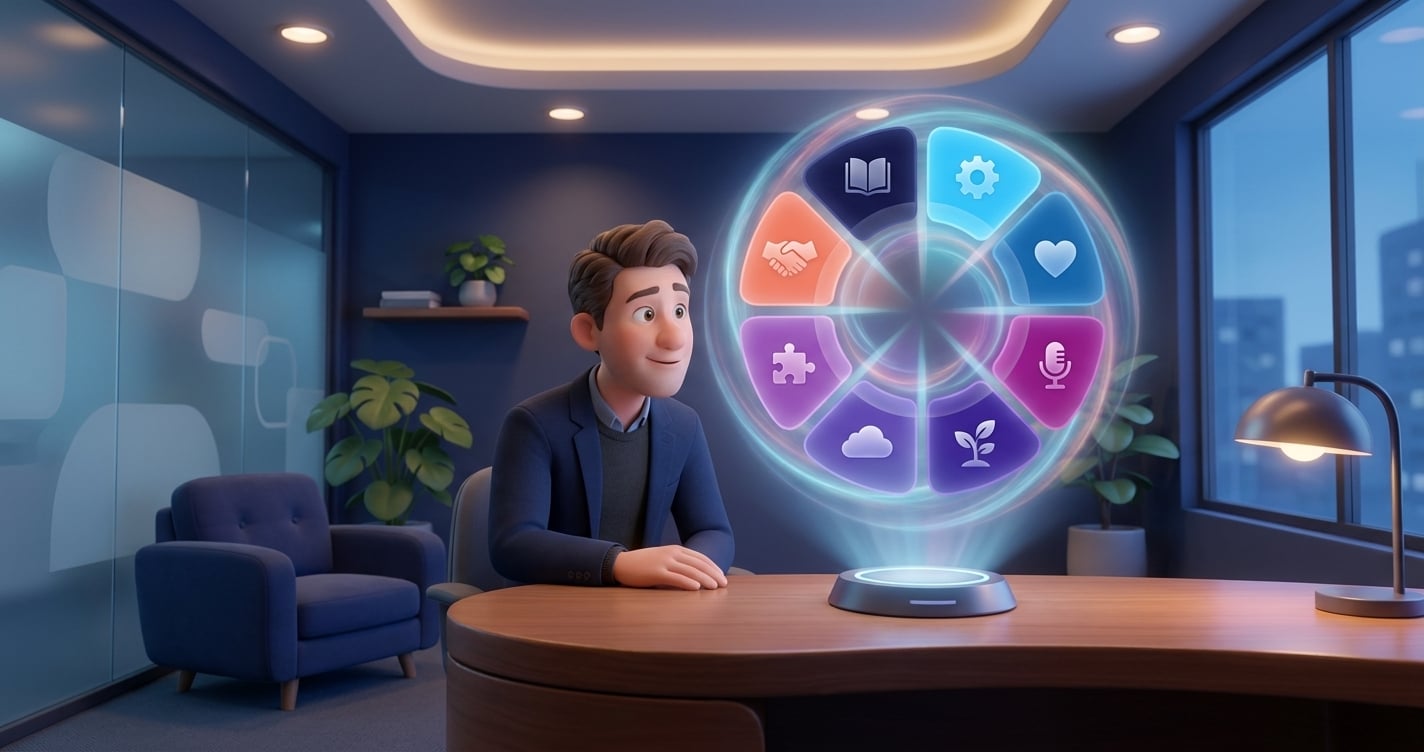
There are eight key work activities that all high-performing teams must do. When any of these activities are missing, team performance suffers. The eight personalities that map to these activities are:
The Campaigner:
Enthusiastic and future-focused. They bring energy, motivate others, and persuade the team to rally behind a big vision.
The Evaluator:
Objective and logical. They identify risks, set efficient action steps, and keep the team grounded with data-driven decisions.
The Coordinator: Organised and results-driven. They set clear priorities, ensure efficient workflows, and keep everyone focused on deadlines.
The Doer: Practical and hands-on. They provide reliable approaches to tasks and focus entirely on execution and getting the job done.
The Auditor: Methodical and reserved. They provide careful attention to detail, ensure accuracy, and offer realistic perspectives on immediate issues.
The Helper: Compassionate and empathetic. They offer quiet support, promote team harmony, and understand the emotions of those around them.
The Advisor: Flexible and collaborative. They promote harmony, encourage open discussion, and ensure everyone's voice is heard before moving forward.
The Pioneer: Creative and adaptable. They provide out-of-the-box ideas, encourage brainstorming, and push the team to explore new approaches.
When you understand which of these personalities make up your group, team dynamics start to make sense. If you are curious about what personality type you default to under stress, Hey Compono can show you your profile in about ten minutes.
Conflict within a team can seem like a daunting challenge for leaders. We often treat conflict as a sign that the team is broken. In reality, conflict is just what happens when different work personalities try to solve the same problem using different methods.
Consider a team with a strong Pioneer and a strong Auditor. The Pioneer thrives on brainstorming and exploring new ideas. They want to move fast and break things. The Auditor is methodical, cautious, and focused on details. They want to slow down and check the facts.
Without self-awareness, poor team dynamics take over. The Pioneer thinks the Auditor is a negative roadblock. The Auditor thinks the Pioneer is reckless and scattered. The tension builds.
When equipped with a deep understanding of each team member's unique personality, leaders can use these moments. To resolve this specific clash, a leader can help the Auditor remain open to innovation by exploring how the creative idea fits into their detailed framework. Simultaneously, the leader can guide the Pioneer to appreciate structure, ensuring all details are addressed before implementation.
Another common clash happens between The Evaluator and The Helper. The Evaluator is direct, blunt, and focused purely on logical results. The Helper is empathetic, reflective, and focuses on harmony. The Evaluator might make a quick decision that makes perfect logical sense but hurts team morale. The Helper will feel the emotional impact but might avoid speaking up to keep the peace.
To fix these team dynamics, the leader needs to help the Evaluator acknowledge the emotional aspects of decisions. They must also encourage the Helper to voice their concerns confidently. It is about translating between two different languages.
The impact of a leader is undeniable. Your personality plays a massive role in influencing your behaviour, your work preferences, and your default leadership style. Whether you lean toward structure and control or creativity and collaboration, your natural tendencies guide how you manage team dynamics.
We view leadership along a continuum, ranging from Directive to Non-Directive styles.
Directive Leadership involves high levels of control and structure. The leader makes key decisions and provides clear, specific instructions. Personalities like The Coordinator and The Doer naturally gravitate toward this style. They prefer structured execution and clear direction.
Democratic Leadership balances leader guidance with team input. It encourages collaboration and shared decision-making. Personalities like The Campaigner and The Helper thrive here. They value engaging with their teams, seeking input, and working together toward common goals.
Non-Directive Leadership is a hands-off approach. The leader grants the team autonomy, trusting them to make their own decisions. Personalities like The Pioneer naturally fit this style, valuing independence and encouraging the team to explore new possibilities.
Team dynamics suffer when a leader refuses to adapt their natural style to the situation. A Directive leader managing a team of highly experienced Pioneers will micromanage them into frustration. A Non-Directive leader managing a team of Doers will leave them feeling lost and unsupported.
True adaptability begins with a deep understanding of how your personality influences your leadership style. Before you can effectively adjust your approach, you need a clear understanding of your natural tendencies. Many leaders use personality-adaptive coaching to recognise their default settings and learn how to flex them.
The best team dynamics happen when there is a balance of work activities. If your team is struggling to hit goals, you might be missing a key personality type.
Imagine a team made up entirely of Campaigners and Pioneers. The brainstorming sessions will be incredible. The energy will be off the charts. The whiteboards will be covered in brilliant ideas. But six months later, nothing will have actually launched. There are no Doers or Coordinators to execute the vision.
Conversely, a team of pure Evaluators and Auditors will build an incredibly stable, risk-free product. They will hit every compliance metric. But they might miss the market entirely because they lack the visionary thinking of a Campaigner.
The challenge for managers is to balance the work activities that need to be done with people's natural work preferences. You cannot force a Helper to suddenly become a hard-nosed Evaluator. It will drain their energy and lead to burnout. Instead, you need to identify the gaps in your team dynamics and hire or allocate tasks accordingly.
There is actually a way to figure out which of these patterns fits your current group. You can invite your employees to take a quick read and review their Work Personality Summary Page to see where your collective strengths and blind spots lie.
Improving team dynamics is not about enforcing a rigid set of communication rules. It is about building a shared vocabulary around how people naturally work.
When someone says, "I need to look at the data first," they are not trying to stall your project. They are just operating from an Evaluator mindset. When someone says, "Let's try a completely different approach," they are not trying to derail the meeting. They are acting as a Pioneer.
Once your team understands these eight work personalities, the friction starts to fade. People stop taking different approaches personally. They start seeing the value in having a Coordinator build the timeline, a Campaigner sell the vision, and an Auditor check the details.
You do not need more trust falls or forced social events to fix your team dynamics. You just need to understand the people sitting around the table.
Key insights
- Team dynamics are the direct result of the different work personalities interacting within your group.
- Conflict is rarely personal; it is usually a clash between different natural approaches to problem-solving.
- High-performing teams require a balance of eight distinct work activities to ideate, execute, and evaluate effectively.
- Leaders must understand their own default leadership style and learn to adapt it based on the personalities they manage.
- Building self-awareness across the team creates a shared language that reduces friction and improves collaboration.
Understanding your team's natural preferences takes the guesswork out of leadership and collaboration. When you map these behaviours, you can stop fighting against people's instincts and start working with them.
Related reading: How to improve team dynamics for high performance · How to understand coworkers and build better team dynamics
Employee coaching, wellbeing support and team personality insights in one platform, built on organisational psychology.
Talk to usTeam dynamics are the psychological and behavioural forces that influence how a group of people interact, communicate, and work together. These dynamics are largely driven by the individual work personalities of the team members and how those personalities either complement or clash with one another.
You fix poor team dynamics by identifying the natural work preferences of your team members. Once you map the personalities in the room, you can assign tasks that align with people's strengths, adjust your leadership style to match their needs, and help them understand why their colleagues approach work differently.
Bad team dynamics are usually caused by a lack of self-awareness and a misunderstanding of different work personalities. When people assume everyone should work exactly the way they do, it creates friction. A leader using the wrong management style for their team's needs can also severely damage the dynamic.
Personality dictates what work activities a person naturally enjoys and excels at. Someone with a Doer personality wants to execute tasks quickly, while someone with an Auditor personality wants to slow down and check the details. The interaction between these different default settings creates the overall dynamic of the team.
The eight work personalities are The Campaigner, The Evaluator, The Coordinator, The Doer, The Auditor, The Helper, The Advisor, and The Pioneer. High-performing teams require a balance of these personalities to ensure all necessary work activities are completed effectively.
1 min read
A healthy team environment is built on psychological safety, clear communication, and a deep understanding of the diverse personalities that make up...
1 min read
Personality awareness is the conscious understanding of your natural tendencies, communication preferences, and emotional triggers, which allows you...
1 min read
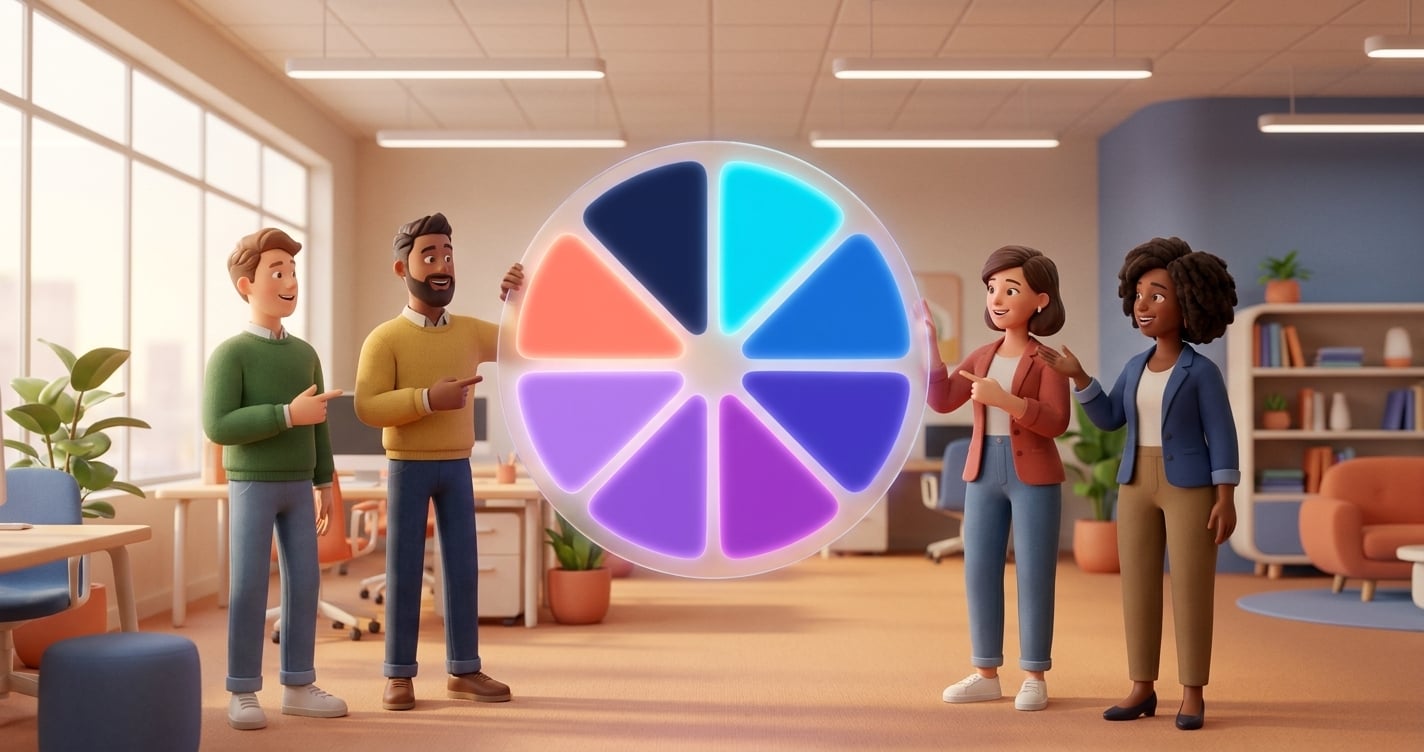
A team personality wheel is a visual map that plots the natural work preferences of your employees, showing you exactly what tasks they are motivated...