
 Mathan Allington

How to have a conversation with an employee about attitude
 Mathan Allington
To have a conversation with an employee about attitude using practical scripts, behaviour tracking and AI coaching. Get steps to fix team friction.
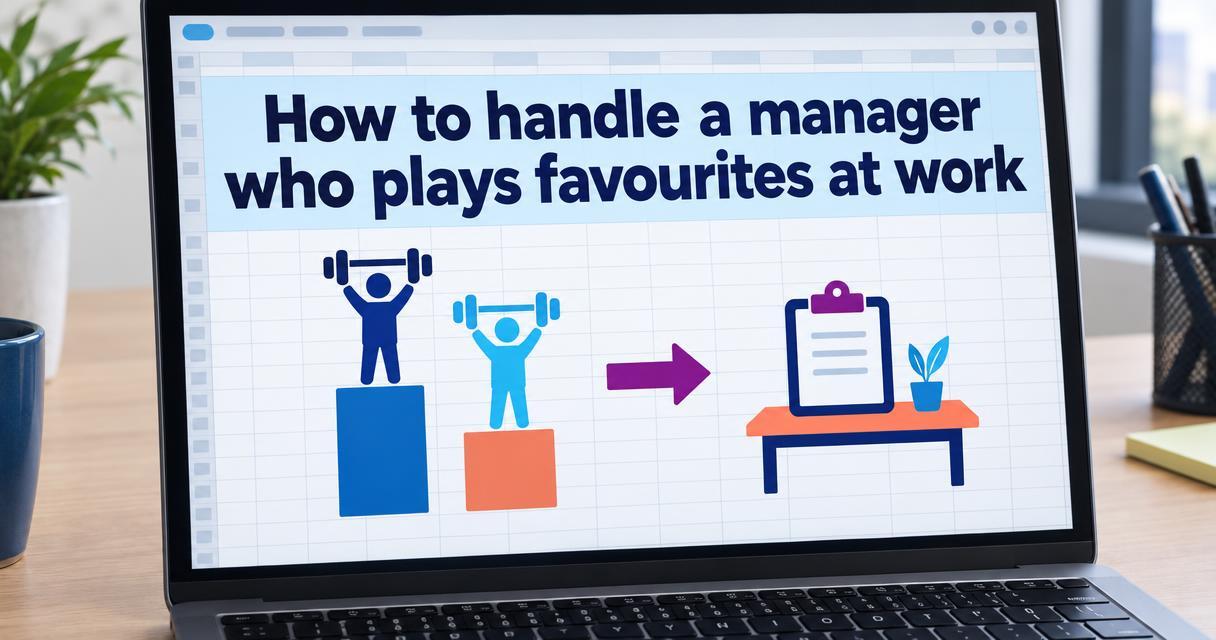
The most effective way to figure out how to handle a manager who plays favourites is to stop focusing on the favoured colleague and start documenting your own objective results. You cannot force a manager to be fair, but you can build a factual case for your own progression, set clear boundaries, and keep the conversation focused entirely on your goals rather than their biases.
Last reviewed November 2026
Key takeaways
- Focus strictly on your own performance metrics instead of comparing your workload to the favoured employee.
- Treat the situation as a structural issue rather than a personal insult.
- Initiate conversations about your career progression using objective data rather than emotional accusations.
- Recognise that managers often default to people who share their working style without realising they are doing it.
Watching someone else get the best projects, the easiest deadlines and the benefit of the doubt is deeply frustrating. It makes your own hard work feel invisible. You might start second-guessing your own skills or wondering if you did something wrong. This changing changes how a whole team operates. A 2025 study found that leadership favouritism increases employees' perceptions of unfairness and reduces their perceptions of coworkers' competence.
Before you know it, you are dreading team meetings. The tension builds up and you might consider walking away entirely. You are not alone in that reaction. A recent survey from BambooHR found that 53% of employees reported leaving a job because of their boss, with favouritism and unfair treatment among the leading reasons cited. But before you write your resignation letter, you have options to manage the situation and protect your own career.
If you are trying to understand why this happens, the team at Hey Compono has seen these patterns frequently. Managers often gravitate toward people who communicate just like them.
It helps to know that favouritism is rarely a calculated plot to make you miserable. Most of the time, managers simply lean on the people who make their own lives easier. If a colleague processes information the same way the boss does, they naturally fall into a rhythm. The manager starts handing them the complex work because it requires less explanation.
This bias also shows up when things go wrong. Research published by Inc. magazine showed that nearly 40% of managers said an honest mistake was very likely when made by a top performer, compared with 24% when made by an average performer. Once someone is seen as a favourite or a top producer, the rules literally change for them.
Understanding this does not make it fair. It just shifts the problem from a personal attack to a behavioural pattern. Once you see it as a pattern, you can figure out how to work around it.
Your first instinct might be to call out the unfairness directly. That is almost always a mistake. Managers rarely respond well to being told they are biased. A recent CIPD report highlighted that 32% of employees said their line manager made a conflict or difficult relationship worse instead of improving it. Accusing them of playing favourites will likely put them on the defensive.
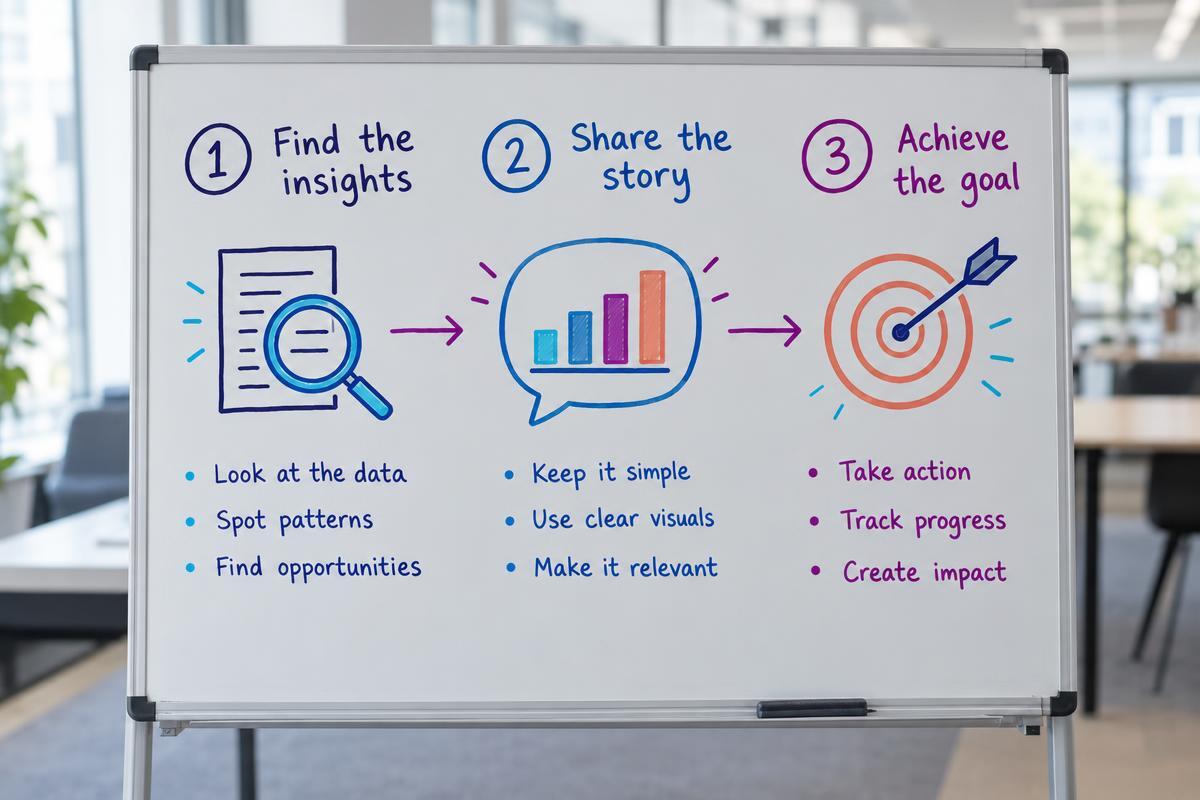
Instead, keep your conversations strictly focused on your own path. Ask your manager what specific outcomes they need to see for you to take on a high-profile project. Write those targets down. By forcing the conversation into objective metrics, you remove the space for subjective preferences to dictate your career.
This approach requires you to step back and look at the bigger picture. If your boss is simply unavailable or unwilling to help you grow, you might need to read our guide on how to handle an unsupportive boss without losing your mind. The strategies overlap, but dealing with favouritism requires a very specific focus on your own boundaries.
When you are watching someone else get praised for mediocre work, the resentment can leak into your own behaviour. You might start pulling back or speaking sharply in meetings. The problem is that your manager will only see your negative reaction, not the favouritism that caused it.
This is where understanding your own baseline helps. Different people process unfairness in different ways. The Work Personality framework shows how we all react under pressure. An Auditor might get frustrated by the lack of clear rules and fair process. A Campaigner might feel deeply hurt by the loss of connection and trust. Knowing your natural reaction helps you catch yourself before you act out of frustration.
If you suspect the issue goes deeper than just bad management, you might want to look at what to do if your boss doesn't like you in 2026. Sometimes a personality clash masquerades as favouritism. In either case, your job is to keep your own performance undeniable.
Eventually, you will need to sit down with your manager to discuss your career progression. The key to this meeting is preparation. You need to walk in with a list of your recent achievements, the extra responsibilities you have handled, and a clear request for what you want next.
Never mention the favourite colleague. The moment you say "Sarah gets all the good accounts", the conversation becomes about Sarah. Keep the subject on you. Say "I have successfully delivered my last three projects ahead of schedule, and I am ready to take on the upcoming product launch".
These talks are daunting if you have never pushed back on a manager before. If you want to test your wording before the real thing, you can practise difficult conversations at work using Hey Compono. A safe practice run helps you strip the emotion out of your voice and stick to the facts.
You can do everything right. You can document your wins, keep your emotions in check, and ask for clear goals. Sometimes, none of it works. A manager who is deeply entrenched in their biases might never change their behaviour.
If you have spent six months managing the situation and nothing has shifted, it is time to evaluate your future there. Your career is too important to leave in the hands of someone who refuses to see your value. Focus your energy on finding a role where your work speaks for itself.
Getting ready to talk to a biased manager is stressful, but you do not have to figure out the right words alone. You can run through your talking points with an AI coach that adapts to your personality, helping you find a firm and professional way to ask for what you deserve.
Related reading
Going to HR is generally only effective if the favouritism violates company policy or involves discrimination based on protected characteristics like age, race, or gender. If it is just a case of bad management and personal preference, HR rarely steps in. You are usually better off managing the relationship directly or looking for an internal transfer.
Shift your focus from seeking your manager's approval to building your own professional portfolio. Concentrate on learning new skills, networking with other leaders in the business, and delivering work you are proud of. Your motivation has to come from your own career goals rather than external validation.
No. The coworker is simply taking advantage of a good situation and likely has no control over the manager's bad habits. Confronting them will only create workplace drama and make you look unprofessional. Keep your relationship with your colleagues cordial and direct your career conversations to your manager.
It is completely normal to want to leave a toxic environment. Before you resign, make sure you have explored all your options, such as moving to a different team or speaking with a skip-level manager. If the situation is impacting your mental health and cannot be resolved, planning a strategic exit is a valid and healthy choice.
To have a conversation with an employee about attitude using practical scripts, behaviour tracking and AI coaching. Get steps to fix team friction.
Learn exactly how to deal with a passive aggressive coworker. Get practical scripts, learn when to involve HR, and find out how to protect your...
To adapt to your manager's work style without burning out. Get tactical communication scripts, boundary-setting strategies and practical team advice.